REVIEW · LOME
Historical Tour to Togoville
Book on Viator →Operated by Mowoki Tours · Bookable on Viator
Lake Togo turns a day trip into a story. This is one of the cleaner ways to see Togoville’s history without wasting hours figuring it out yourself: you leave Lomé, head to Agbodrafo, and cross Lake Togo by canoe before a guided walk through Togoville’s cultural landmarks.
I especially love the mix of experiences—a canoe ride plus walking—because it keeps the day moving and feels more real than a stop-and-take-photos itinerary. And I like that you’re not just shown places; you get context from the guide, including stops like the German cathedral and the local market alongside the voodoo town and traditional village areas.
The only real consideration is that it’s an active outing. You’ll do hiking and a canoe crossing, so plan for moderate physical fitness and time in the sun.
In This Review
- Key Things to Know Before You Go
- Why Togoville Feels Hard to DIY (and Why This Tour Helps)
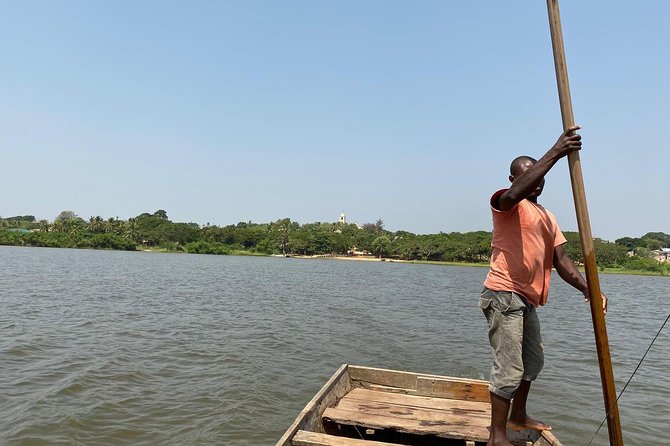
- The Agbodrafo Setup and the Lake Togo Canoe Crossing
- Walking the Voodoo Town and Not Getting Lost in Meaning
- The German Cathedral and Market Stops: History You Can Actually Navigate
- Clandestine Slave House and Traditional Village Time
- Hiking, Breaks, and Beach Time on the Water Side
- Price: What $173.17 Gets You (and How to Judge Value)
- Guide Quality Makes or Breaks This Day
- The One Potential Problem: Extra Fees on the Beach
- Who This Tour Suits Best
- Should You Book the Togoville Historical and Cultural Tour?
- FAQ
- How long is the Togoville Historical Tour?
- Where does the tour start and end?
- Is this a private tour?
- What parts of the experience are included?
- Do I need to buy tickets on my own?
- What is not included in the price?
- Is the tour physically demanding?
- What happens if the weather is bad?
- Can I cancel for a full refund?
Key Things to Know Before You Go
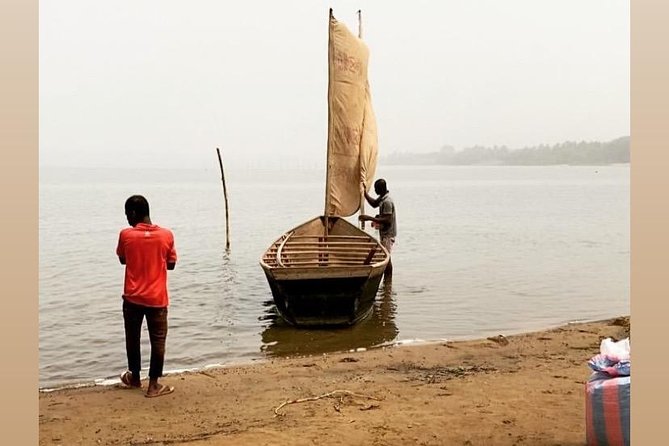
- Canoe crossing from Agbodrafo on Lake Togo: This is the day’s signature moment and it changes the whole pace.
- A guided walk through voodoo town and historic village areas: You’ll learn what you’re looking at instead of guessing.
- Big-attraction coverage in a single day: German cathedral, local market, and Togoville’s key cultural stops in one stretch.
- All transport included from Lomé and back: You don’t have to coordinate taxis or route changes.
- Private tour for your group: It’s just you, so you can ask questions and set your own rhythm within reason.
- Outdoor-friendly but weather-dependent: The tour requires good weather.
Why Togoville Feels Hard to DIY (and Why This Tour Helps)
Togoville has the kind of layered past that’s easy to misunderstand if you only rely on signage or a quick internet search. On this tour, you get the “why” behind what you see: how the community’s traditions connect to the places you visit, and what certain landmarks mean in everyday life and local memory.
This is also a practical choice. You’re starting in Lomé, then heading out to Agbodrafo for a canoe crossing. After that, the day continues with walking and visits to multiple sites. If you try to plan that on your own, you spend your precious day on logistics—finding the right route, timing transport, and hoping you end up in the right place at the right moment.
Instead, you’re buying speed plus clarity. And the private format helps too. If you’re traveling solo, you still get personal attention. If you’re with friends or family, you keep the day from turning into a rushed, one-size-fits-all shuffle.
The Agbodrafo Setup and the Lake Togo Canoe Crossing
The day’s route begins with a drive to Agbodrafo, where you take a canoe to cross Lake Togo. That crossing isn’t just transportation. It sets the tone. You’re moving across water in a way that forces you to slow down and pay attention—light on the lake, the feel of the shoreline, and the gradual change in scenery as you approach Togoville.
Why it matters for your trip: a canoe crossing creates a built-in transition. It makes the cultural stops feel connected rather than like unrelated dots on a map. Also, it gives you a “story arc” for the day—lake to village, water route to cultural route.
What to watch for: this is outdoors time. Bring a bit of common sense for sun and heat, and dress for walking after the crossing. The tour description also notes a moderate physical fitness level, so if you know you get worn out quickly on foot, plan accordingly.
Walking the Voodoo Town and Not Getting Lost in Meaning
One of the strongest parts of the day is the walk through Togoville’s voodoo town areas and the surrounding spaces, including notable trees and local features you wouldn’t automatically recognize as important.
Here’s what I’d look for if I were guiding myself: you want to understand how the site functions in the community, not just that it exists. With a guide, you can ask immediate questions while you’re standing in front of the places. That timing is the difference between learning something you can remember later versus collecting random facts you forget on the ride back.
This is also where the tour tends to feel most authentic. The walk is not about ticking off a museum checklist. It’s more like learning how a living community frames its world—what you notice, what you’re expected to respect, and what symbols point to.
The German Cathedral and Market Stops: History You Can Actually Navigate
Most visitors want to see “the highlights,” but they still want them in a sensible order. This tour pairs Togoville’s local cultural sites with stops tied to broader regional history, including the German cathedral and a local market.
These stops make the day click because they show two sides of the story at once:
- The community’s own traditions and everyday cultural landmarks.
- The marks of outside influence that shaped the region’s historical timeline.
If you’re trying to build understanding in a short window, this pairing helps a lot. A cathedral stop gives you a clear visual anchor for the past, while the market adds the present-day texture—how people live, trade, and move through the day.
A practical note: markets are lively. Wear shoes that work for uneven ground, and don’t try to over-pack your schedule with extra stops before or after. Your time is already carefully used inside this 4 to 5 hour flow.
Clandestine Slave House and Traditional Village Time
Togoville’s story includes darker chapters, and this tour includes a visit to the clandestine slave house. Sites like this are emotionally heavy in a way that’s hard to process if you’re rushing or if you don’t have context.
That’s why I value having a guide here. Even without getting lost in details you didn’t ask for, a guide helps you frame what you’re seeing and how to think about it respectfully. You’re not just observing; you’re learning how the place fits into the broader historical narrative.
After that, the day continues toward a traditional village of Togoville. This shift is important. It moves the experience from remembering to understanding how culture continues—how tradition lives beyond the historical events that shaped the region.
If you only want upbeat scenery, this segment can feel intense. But if you want a fuller picture of Togoville, it’s one of the most meaningful parts of the itinerary.
Hiking, Breaks, and Beach Time on the Water Side
The tour is described as perfect for outdoor lovers, and the day includes a mix of walking and canoe time. That means you’ll want to pace yourself. You’re not doing a marathon, but you are moving.
Some tours also build in time that feels like a reset—like a break near the water where you can catch your breath and grab something to eat. The data doesn’t state what’s included for meals, so keep it simple: plan to buy your own soda/pop (it’s specifically not included), and have your own water strategy during the day.
What I like about this pacing: the canoe crossing and the walks make the day active, but you’re not stuck on the move for every minute. You get breaks that help you stay present for each stop instead of running on fumes.
Price: What $173.17 Gets You (and How to Judge Value)
At $173.17 per person, the big question is whether you’re paying for transport and access—or for “being moved from one place to the next.”
Here’s what’s included:
- Private transportation to reach the canoe crossing and return you to your starting point in Lomé
- Entry fees
- GST (Goods and Services Tax)
- The tour experience itself, including visits to key sites and the canoe crossing setup
What’s not included:
- Soda/Pop
So you’re paying for convenience plus guided interpretation plus on-site access. If you tried to cobble this together yourself, the cost would likely creep up fast once you add transport from Lomé, entry fees, and the time burden of coordinating a lake crossing and multiple stops.
In a short day, the value comes from removing friction. You get to spend your energy learning and looking, not bargaining with schedules.
Guide Quality Makes or Breaks This Day
The tour is built around guided context, and the guide matters. In the available information, Jeremies has been described as prompt and responsive while curating excellent Benin and Togo touring. Another local guide noted is Essodong, who led an experience focused on historical data and “awesome places.”
Even without getting locked into any one name, the pattern is clear: you’re not just hiring transportation. You’re hiring interpretation—someone who helps you connect the dots between the canoe crossing, the voodoo town walk, and the historic sites.
My practical advice: on the day, don’t be shy about asking quick questions as you go. If you wait until the end, you lose the chance to learn while you’re standing in front of the thing itself.
The One Potential Problem: Extra Fees on the Beach
One caution stands out because it affects real-world comfort: after the boat ride, you might encounter people on the beach who ask for additional money tied to a tour fee.
The tour provider’s response indicates they organize the trip, which should reduce this risk. Still, you should protect yourself by doing two simple things:
- Stay with your guide and follow their lead right after the crossing.
- If someone requests a payment, pause and ask your guide how it relates to your booked experience.
This isn’t meant to scare you off. It’s a “use common sense” heads-up. Tours should be smooth, but the moment you’re landing from water, you’re visible and vulnerable to opportunistic demands in many places.
Who This Tour Suits Best
This is a strong fit if you:
- Want Togoville history and culture without spending hours planning routes from Lomé
- Enjoy active sightseeing: a canoe ride, walking tours, and some hiking
- Prefer a guided day where someone explains what you’re seeing, including key sites tied to broader regional history
- Want a private setup where you can ask questions without feeling crowded
It’s not ideal if you:
- Have trouble with walking and moderate physical activity
- Know you get stressed with outdoor heat and want a totally sedentary day
- Are very sensitive to interruptions on arrival points—like the beach area after the canoe ride
Should You Book the Togoville Historical and Cultural Tour?
I’d book it if your priority is understanding Togoville in a single outing that’s efficient and well supported. The mix of Lake Togo canoe time, voodoo town walking, German cathedral and market context, plus the clandestine slave house and traditional village stops is a solid package—especially because transport and entry fees are handled.
If you’re the type who loves building your own route and doesn’t mind coordinating lake crossings and access on your own, you could try to DIY. But for most people, the time savings and guided clarity make this feel like money well spent.
FAQ
How long is the Togoville Historical Tour?
It runs about 4 to 5 hours.
Where does the tour start and end?
The activity starts in Lomé, Togo, and ends back at the meeting point.
Is this a private tour?
Yes. It’s a private tour/activity, and only your group participates.
What parts of the experience are included?
Included are private transportation, GST, entry fees, and the tour activities such as the Lake Togo canoe crossing and site visits.
Do I need to buy tickets on my own?
You receive a mobile ticket.
What is not included in the price?
Soda/Pop is not included.
Is the tour physically demanding?
It requires moderate physical fitness because there is hiking and a canoe crossing.
What happens if the weather is bad?
The tour requires good weather. If it’s canceled due to poor weather, you’ll be offered a different date or a full refund.
Can I cancel for a full refund?
Yes, you can cancel for free up to 24 hours in advance for a full refund. If you cancel less than 24 hours before the start time, the amount paid won’t be refunded.