REVIEW · TIBERIAS
Kabbalah Heritage Walk
Book on Viator →Operated by Rabbi Shmuel Kopel · Bookable on Viator
Safed feels different once Kabbalah enters the map. This Kabbalah Heritage Walk is a small-group, Talmudic scholar–led stroll through Safed’s most meaningful corners, timed to help you connect famous names like Isaac Luria (the Ari) with what people believed and how it shaped Judaism. I like the way the focus stays practical—ideas get tied to real places and real teachings. I also like that you’re not stuck listening at a distance; you’re invited to ask questions as you go.
One thing to plan for: the tour doesn’t run constantly. It operates Sun–Thurs starting at 1:30pm, and Friday at 11am, so your dates have to match the rhythm of the city.
In This Review
- Key things to look forward to
- Safed, Kabbalah, and why this walk matters
- Meeting at Kikar HaMeginim and how the 90 minutes run
- Rabbi Shmuel Kopel and what the guide-led format changes
- The streets and synagogues: what you’ll see in Safed
- Names you’ll hear: Cordovero, the Alkabetz, and the Ari
- How Kabbalah connects to everyday Judaism
- Safed as a sacred city: the story behind its status
- Adding Jewish law to the picture: Rabbi Yosef Cairo and Shulchan Aruch
- Small group attention: why max 15 travelers is a big deal
- Price and value: is $45 worth 90 minutes?
- The schedule: how to fit Safed into your trip
- Practical tips for this walking heritage tour
- Should you book the Kabbalah Heritage Walk?
- FAQ
- Where does the Kabbalah Heritage Walk start?
- How long is the tour?
- Who leads the tour?
- What sites does the tour focus on?
- What days and times does it operate?
- What is the group size?
- How much does it cost?
- Do I get a mobile ticket?
- What is the cancellation policy?
- Is the tour accessible for most travelers?
Key things to look forward to
- A Talmudic scholar leads the walk on foot in Safed
- Kabbalah stop-offs linked to Cordovero, the Alkabetz, and the Ari
- You connect teachings to how Jewish practice spread
- Small group size (max 15) for focused attention and questions
- Simple start point at Kikar HaMeginim and a tour that ends where it begins
Safed, Kabbalah, and why this walk matters
Safed (Tzfat) is one of those places where geography and belief overlap. In the 1500s, it became widely known as a center for Kabbalah, and the city’s old lanes still echo that role. On this walk, you’re not just looking at stone and views. You’re learning why certain spots became important and what those ideas meant to the people who studied there.
The big theme is how Kabbalah moved from private study to something that influenced broader Judaism over time. The tour frames Kabbalah as the more mysterious, historically less public side of Judaism—then explains how, once Safed became the capital of these teachings, major teachers made the city a magnet for study.
That matters for you because it keeps the experience from turning into pure sightseeing. You’ll be able to look at the same streets and say: I understand why these sites mattered, and I know the names tied to the tradition.
Meeting at Kikar HaMeginim and how the 90 minutes run
The tour starts at Kikar HaMeginim in Safed and ends back at the meeting point. That simple loop is more than convenience. It reduces decision fatigue. You’re not spending time figuring out where to go next—you’re learning, then moving on, in a steady flow.
You should plan around the timing. The walk is about 1 hour 30 minutes, and it runs once per day Sun–Thurs at 1:30pm, plus Friday at 11am. If you’re trying to fit it into a packed itinerary, build your day around that start time rather than squeezing it in at the last minute.
Also note the format: it’s designed as a group heritage walk, and the operator keeps it small (max 15 travelers). That size changes how the tour feels. You’re more likely to get answers, and the guide can slow down when someone has a real question.
Rabbi Shmuel Kopel and what the guide-led format changes
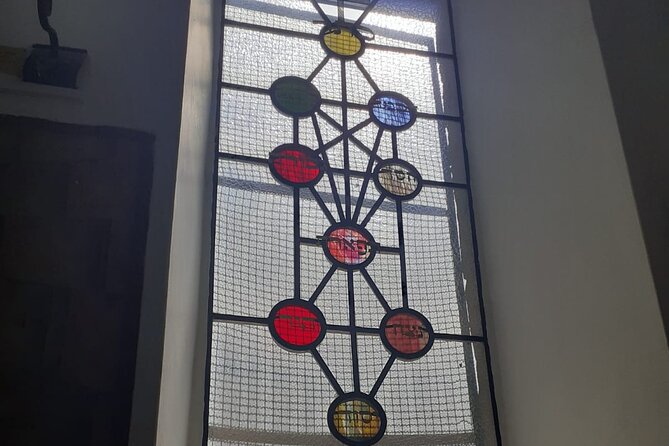
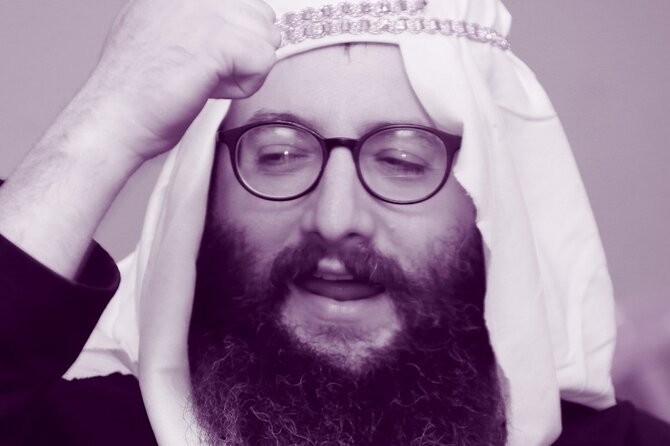
This walk is led by Rabbi Shmuel Kopel. That’s not just a name on a page. It shapes the whole experience because the teaching style is tied to someone who studied and was inspired by these ideas.
From the way the program is described, you’re traveling in the company of someone who can connect Kabbalah to the stories behind the sites. And you’re not only hearing summaries. The tour is built so you can ask questions at each stop—so if a concept feels confusing, you don’t have to save it for the end.
There’s also a helpful human element mentioned in accounts of the guide: Rabbi Shmuel is described as patient and good at explaining. That matters if you’re bringing family or if you’re new to Jewish learning. You’ll get room to ask the basics without feeling like you’re holding up the group.
The streets and synagogues: what you’ll see in Safed
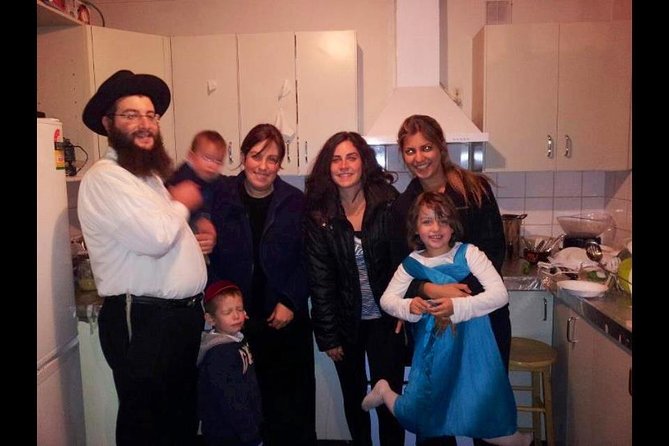
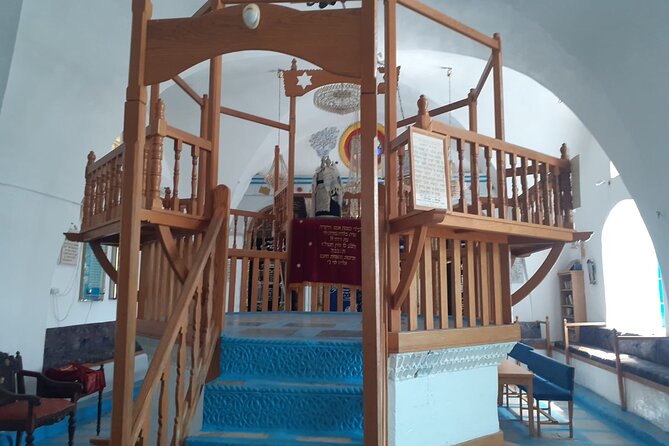
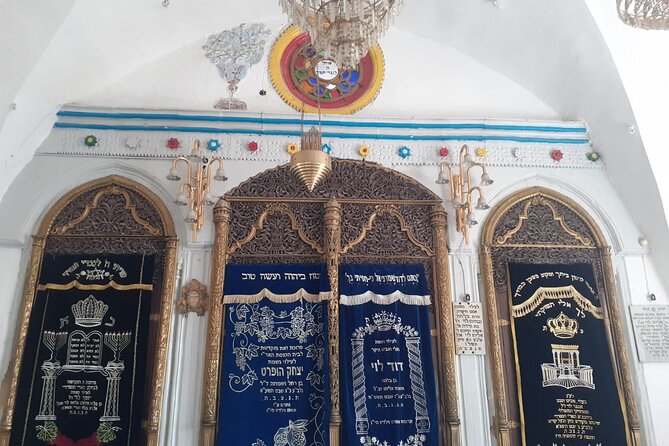
You’ll explore Safed on foot and visit sites tied to Kabbalah. The program emphasizes multiple stops that matter for the tradition, including historic synagogues. In Safed, synagogues are often more than worship spaces. They’re linked to the rabbis and study circles that shaped local Jewish life.
As you move, the guide connects each place to the kind of teaching taught there and the wider impact those teachings had. That’s the difference between a standard “look and admire” walking tour and this one. You’re learning how the people connected to these spaces understood the world, what they emphasized, and why future Judaism kept those threads alive.
What you may find most satisfying is that you’re getting both:
- the local Safed story
- and the bigger chain of influence tied to major figures
It’s a strong setup for first-timers, because you start with a place-based story and then zoom out.
Names you’ll hear: Cordovero, the Alkabetz, and the Ari
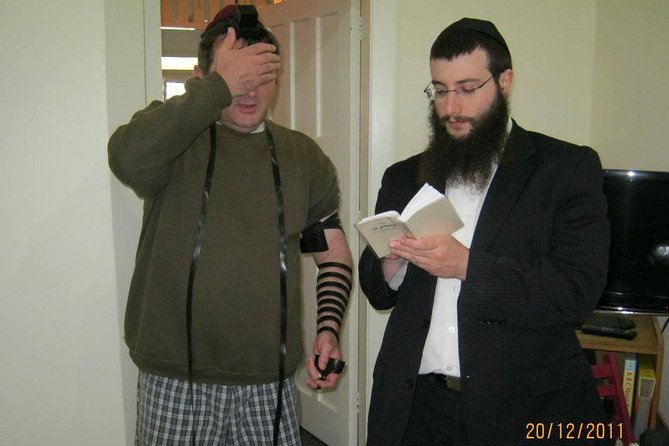
Kabbalah has big names, and this walk uses them in a way that feels grounded. You’ll learn about Kabbalists associated with Safed and teachings tied to specific figures, including:
- Rabbi Moshe Cordovero (the Ramak)
- The Alkabetz
- Rabbi Isaac Luria, the Holy Ari
These aren’t just trivia drops. The tour frames each figure as part of the reason Safed became the capital of Kabbalah teachings. You’ll hear how their ideas were presented and why people sought them out in Zefat/Safed during the 16th century.
For you, this is useful because it turns famous names into a map. Instead of remembering names with no context, you learn why those names cluster around certain places and why they matter to the tradition that came after.
How Kabbalah connects to everyday Judaism
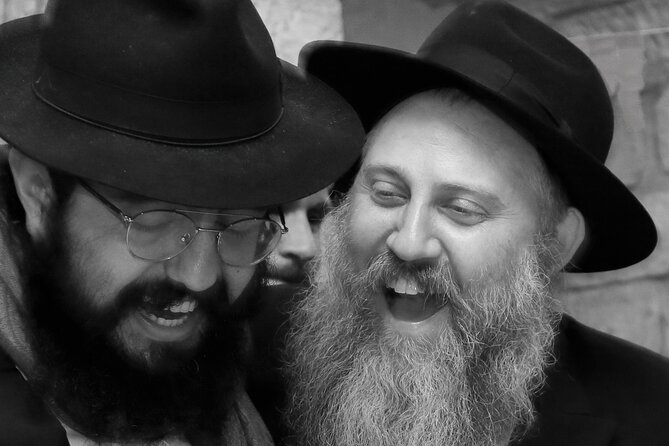
If you’re wondering what Kabbalah has to do with real life, this walk is built to help with that question. It explicitly links teachings and stories from the Kabbalists to their practical impact on global Judaism today.
Kabbalah is presented as mysterious and historically less public. That angle matters because it sets expectations. You’re not going to get a sanitized version that sounds like it could fit on a bumper sticker. You’re going to get the context for why people treated these ideas carefully and studied them intensely.
Then the guide brings it back to the present. The key is that the tour doesn’t stop at explanation. It tries to show how ideas and traditions connected to these sages became part of the broader Jewish story.
That’s a good fit if you’re religious, curious, or just trying to understand how ideas travel through time and across communities.
Safed as a sacred city: the story behind its status
Safed isn’t only a Kabbalah center—it’s also known as one of the four sacred cities. You’ll learn how the city earned that status and how that sacred role connects to the scholarly magnetism that drew teachers and students.
This part is more than cultural trivia. It helps you understand why so many visitors (and so many scholars historically) kept returning. When you know Safed’s standing, the tour’s sites start making more sense. You stop treating the city as a backdrop and start seeing it as a living destination for study.
And since the walk is on foot through the old area, the city’s layout supports the story. You see the streets, then you get the “why” that turns those streets into part of a tradition.
Adding Jewish law to the picture: Rabbi Yosef Cairo and Shulchan Aruch
One of the most interesting inclusions is that the tour doesn’t treat Kabbalah as the only thread. Safed also connected to the author of the Shulchan Aruch, Rabbi Yosef Cairo.
That matters because it gives you contrast. Kabbalah is often described as the mysterious side of Judaism. The Shulchan Aruch is tied to Jewish religious law. By placing these side by side, the walk gives you a fuller picture of the Safed tradition: mysticism and law developed in the same cultural orbit.
For you, this can make the experience feel less like one narrow lecture. Instead, it reads like a city portrait where different types of Jewish scholarship share the same streets and shaped how the community lived.
Small group attention: why max 15 travelers is a big deal
The tour caps at 15 travelers, and that affects the pacing. A group this size makes it easier for the guide to:
- answer questions without rushing
- keep the group together
- spend more time at each significant stop
It also changes what you can do with the experience. If you’re coming in with basic questions—what Kabbalah is, why Safed mattered, or how these teachers influenced Judaism—you’re more likely to get direct responses.
This is one of the most highly praised parts of the experience: focused attention and a guide who stays patient while explaining.
Price and value: is $45 worth 90 minutes?
At $45 per person for about 1 hour 30 minutes, this isn’t a cheap add-on. But it can be good value if you care about getting meaning from the sites, not just seeing them.
Here’s how the value stacks up based on what’s included:
- It’s led by a scholar-teacher, Rabbi Shmuel Kopel
- It’s small group (max 15), not a huge bus-style tour
- It includes a mobile ticket
- It focuses on multiple meaningful Safed stops rather than a quick “drive-by”
Also, the tour is booked about 17 days in advance on average, which usually signals steady demand. In other words, people find the format worth planning around.
If you prefer casual wandering with zero structure, you might feel $45 is high. But if you want clear context and the option to ask questions, the cost makes more sense.
The schedule: how to fit Safed into your trip
The tour runs:
- Sun–Thurs at 1:30pm
- Fri at 11am
It’s a one-time daily program, and any other timing has to be coordinated in advance and depends on availability. So treat it like a real appointment, not a drop-in.
You’ll also want to think about the day of week. Friday timing can be tricky for travelers with Shabbat plans, and this tour explicitly uses an earlier start on Fridays. Plan your other activities around it.
Practical tips for this walking heritage tour
Because this is a walking tour in the old area, wear shoes you’re comfortable in for about 90 minutes on foot. Keep in mind you’ll be stopping along the way, so think of it as steady walking plus time at each site.
The meeting point is Kikar HaMeginim, and the tour returns there, so you won’t need a last-minute navigation sprint. The program is noted as near public transportation, so you should be able to reach it without needing a car.
The operator also allows service animals, and it says most travelers can participate. If you have any mobility concerns, you’ll want to evaluate your comfort with walking in an older city layout. But the duration itself is short enough that many people find it manageable.
Should you book the Kabbalah Heritage Walk?
Book it if you want Safed explained through the ideas and teachers tied to Kabbalah—and you want the chance to ask questions. This is one of those tours where names like Rabbi Moshe Cordovero, the Alkabetz, and the Holy Ari (Isaac Luria) are connected to actual places, and the guide helps you understand why that matters.
I’d skip it if you only want general sightseeing with zero religious or historical context. You’re paying for meaning, not scenery alone. And because the schedule is limited to specific days and start times, you’ll want to make your dates fit rather than forcing it into your itinerary.
If you like guided depth, small groups, and a walking tour that turns into a story you can remember, this one is a strong bet.
FAQ
Where does the Kabbalah Heritage Walk start?
It starts at Kikar HaMeginim in Safed, Israel, and ends back at the same meeting point.
How long is the tour?
The duration is about 1 hour 30 minutes.
Who leads the tour?
The experience provider is Rabbi Shmuel Kopel.
What sites does the tour focus on?
The walk visits sites of Kabbalistic significance in Safed and includes stops tied to major Kabbalah figures and related traditions.
What days and times does it operate?
It runs one time per day from Sunday through Thursday starting at 1:30pm, and it starts at 11am on Friday.
What is the group size?
The tour has a maximum of 15 travelers.
How much does it cost?
It costs $45.00 per person.
Do I get a mobile ticket?
Yes, mobile ticketing is included.
What is the cancellation policy?
You can cancel for a full refund up to 24 hours before the experience starts.
Is the tour accessible for most travelers?
Most travelers can participate, and service animals are allowed. It is also near public transportation.