REVIEW · ROME
Rome: Colosseum Arena and Ancient Rome Guided Tour
Book on GetYourGuide →Operated by City Walkers Tours · Bookable on GetYourGuide
A day in Rome starts with your eyes on the Colosseum. This guided tour is built for seeing the big moments fast: arena-floor access, the Roman Forum power sites, and Palatine Hill viewpoints from a height above the ruins. I especially like how the guide connects what you’re seeing to how the Romans actually organized crowds, games, and daily life, and how the tour uses headsets so you don’t have to crane your neck. One thing to consider: the Forum portion can feel a bit tight if you’d rather linger, and there’s also security screening that can add time on busy days.
You’ll hit the Colosseum first (not always, so plan your timing), get skip-the-line entry, and then move on to the Forum and Palatine Hill with a steady pace. Guides such as Adrian and Ivano have been praised for keeping commentary clear, funny, and on tempo, which matters when you’re walking through sites that can otherwise blur together. The main drawback is simple: this is not for wheelchair users or anyone with limited mobility, and you should wear shoes that can handle uneven stone.
In This Review
- Key Highlights You’ll Feel Right Away
- What Makes the Colosseum Arena Access Worth It
- Meeting at Colosseo Metro: Getting Started Smoothly
- Entering the Colosseum: Tiers, Games, and Security Lines
- On the Arena Floor: Footsteps of Gladiators and a 360 View
- Roman Forum Walk: Government, Temple Ruins, and Real Daily Life
- Palatine Hill at 40 Meters: Circus Maximus From Above
- Price, Ticket Value, and What You Actually Get
- Logistics I’d Plan Around (So It Doesn’t Feel Rushed)
- Who Should Book This Colosseum, Forum, and Palatine Hill Tour?
- Should You Book This Colosseum and Roman Rome Tour?
- FAQ
- How long is the tour?
- Where do I meet the tour?
- Is the tour in English?
- Does the tour include tickets and headsets?
- Does the tour skip the ticket line?
- Are food and drinks included?
- What do I need to bring?
- What is not allowed during the tour?
- Is the tour suitable for wheelchair users or people with mobility impairments?
- Is the tour affected by weather?
- Do I need my ID for Colosseum entry?
Key Highlights You’ll Feel Right Away
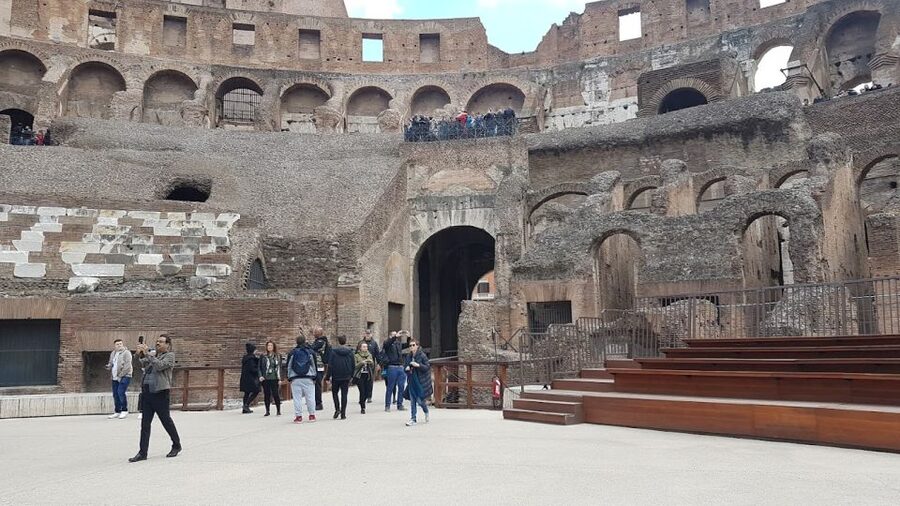
- Exclusive arena-floor access in a zone most visitors never get to step onto
- Roman crowd logic, with explanations tied to social class and the way seating worked
- 360° panoramic viewpoint to reconnect the dots between monuments
- Roman Forum government and temple ruins you can visualize as real places
- Palatine Hill height advantage, with Circus Maximus in your line of sight
What Makes the Colosseum Arena Access Worth It
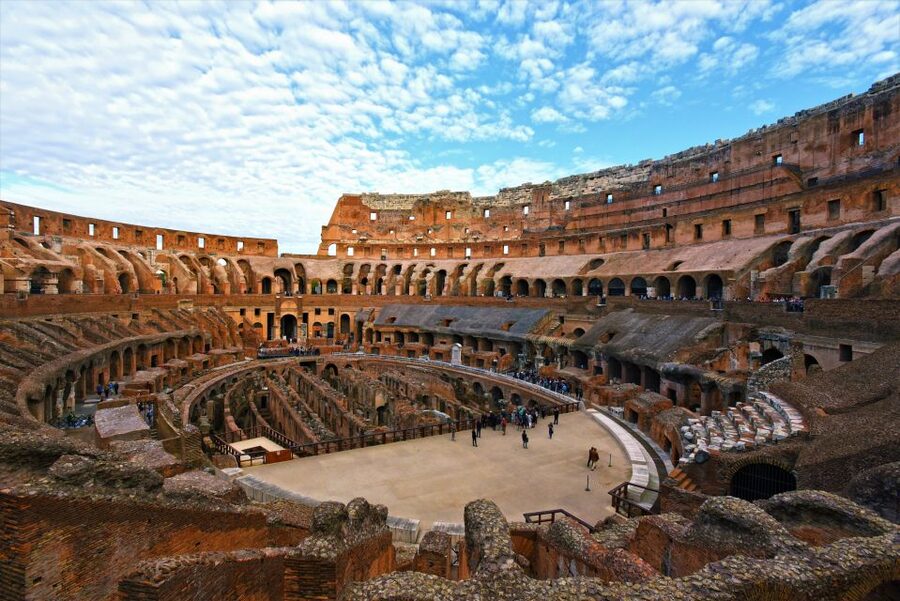
The Colosseum is impressive even from outside, but the real payoff is what happens once you’re inside. This tour is designed to do more than point at architecture. You’re taken to the arena floor area that’s not available to most visitors, which is where the whole gladiator story starts to click.
On the floor, you’re closer to the reality of the space: the arena isn’t just a shape, it’s a stage. Your guide explains how the Romans put on spectacles for massive crowds—your imagination fills in details like how tens of thousands of spectators would have surrounded the action. Even if you know the headlines, standing where performers and animals once moved changes the way you see the building’s design and entrances.
Another reason it works is pacing. You don’t get stuck waiting around for photos all day. The tour flows from Colosseum to Forum to Palatine Hill in a tight window, and you’re given just enough time at each stop to absorb what matters most—especially the parts you might miss on your own.
You can also read our reviews of more guided tours in Rome
Meeting at Colosseo Metro: Getting Started Smoothly
You’ll meet at Largo Gaetana Agnesi, 5, on the second floor of the Colosseo metro station. It’s in front of the entrance to the primary school, and staff wear a dark blue uniform with the City Walkers logo.
This matters because timing at the Colosseum is everything. Rome can be chaotic at street level, so having a specific meeting spot inside the metro complex helps you start without wandering. If you’re coming from another stop, I’d give yourself a little extra buffer to find the exact second-floor meeting point before your group starts moving.
Also bring what you need for entry. You’ll need a passport or ID card, and you should have it ready because nominative tickets have been introduced for the Colosseum. That means the ID you bring can be checked at the entrance.
Entering the Colosseum: Tiers, Games, and Security Lines
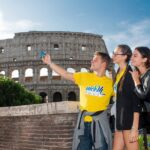
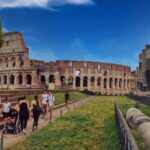
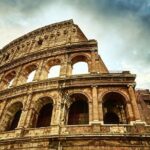
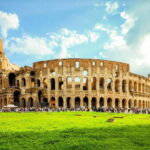
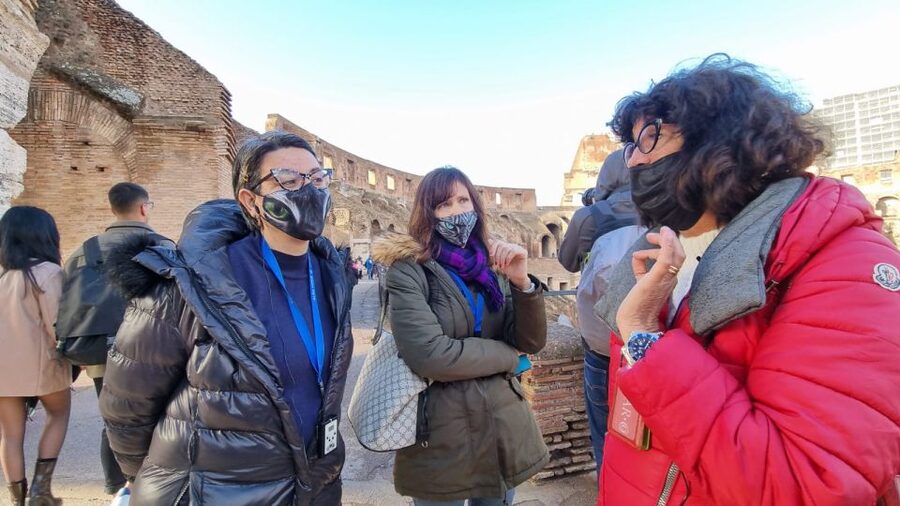
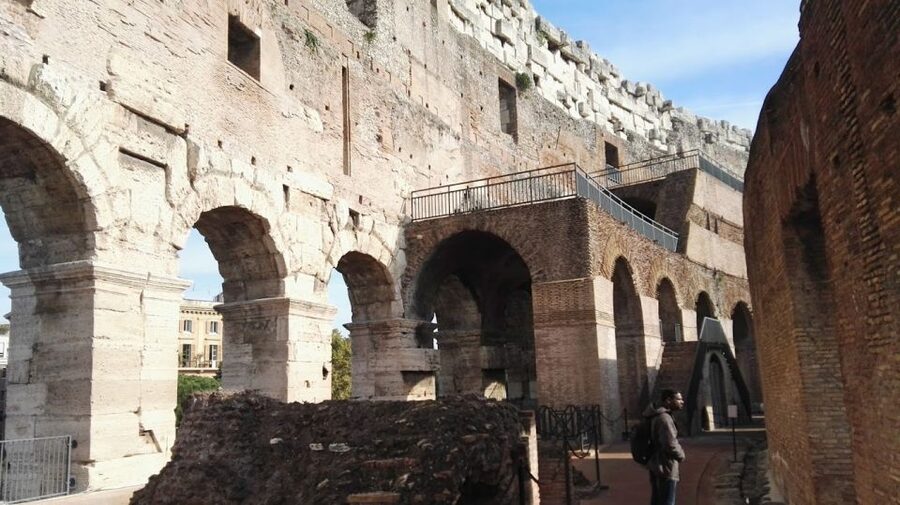
The tour begins with you facing the Colosseum’s facade and getting context about how it looked when it was built. That quick framing helps later when you’re trying to interpret what you see: where people stood, how the structure supported crowds, and why certain features were where they were.
Then you go into the main experience with the promise of skipping the ticket line. In practice, you’ll still need to pass the metal detector security check, and on busy days that can mean some waiting. The good news is that a guided flow usually keeps that time from turning into chaos. You’re not trying to figure out where to queue while everyone else is doing the same thing.
Inside, your guide explains two things that make the Colosseum feel less like a pile of old stone:
- how spectators were divided by social class across the tiers
- what kinds of games and entertainments filled the arena
That’s a big deal because it changes your mental map. Instead of seeing rows and arches, you start picturing who sat where and what the schedule might have looked like.
On the Arena Floor: Footsteps of Gladiators and a 360 View
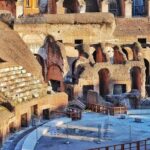
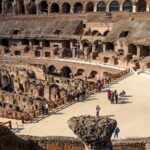
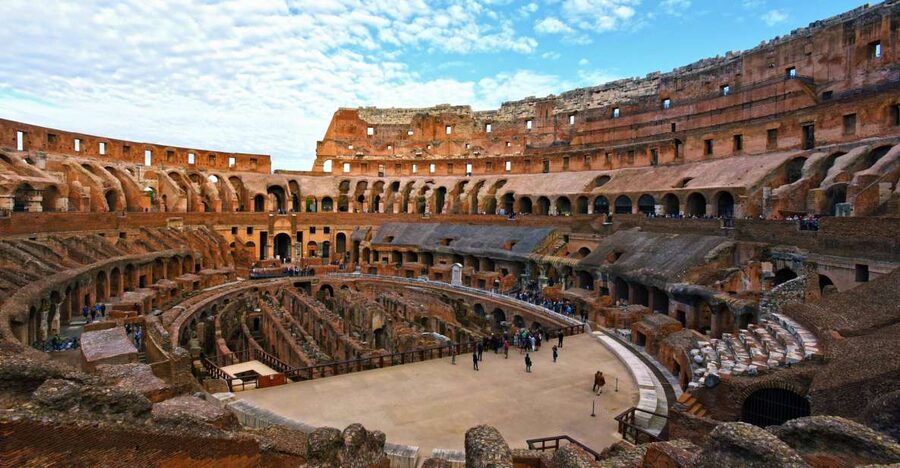
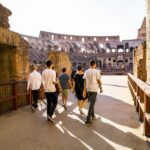
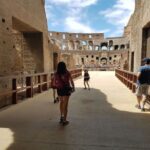
The arena-floor moment is the headline for a reason. Most Colosseum visits let you look in. This one puts you closer to the action zone with exclusive access to part of the floor area, which makes the whole place feel more human.
Your guide leads you through the symbolism and practical reality: where people would have gathered, how the arena space functions, and why the building’s design supports spectacle. You’ll also get a viewpoint described as a 360° panoramic vantage point focused on the monument and its scale.
Here’s what that viewpoint does for your understanding. The Colosseum can feel like one massive structure until you step back—then suddenly you see connections: the relationship to surrounding parts of ancient Rome, and why the Forum and Palatine Hill are so close and so important. That panoramic moment helps you stop memorizing individual facts and start understanding the layout.
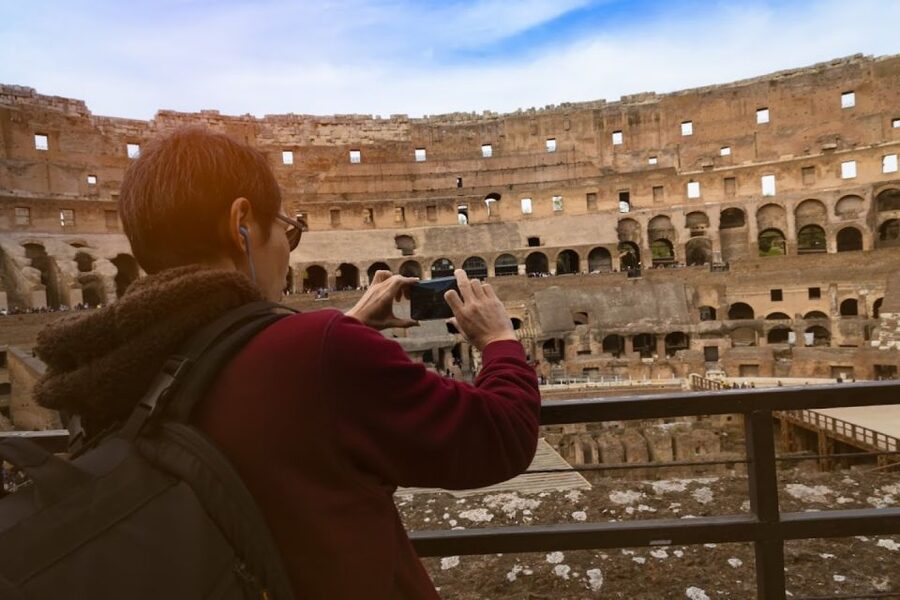
If you like photos, this is also the time to take them without losing the meaning. The best approach is to take a few quick shots, then look again with your guide’s explanation in mind. That’s how you avoid collecting pictures that don’t match the story.
Roman Forum Walk: Government, Temple Ruins, and Real Daily Life
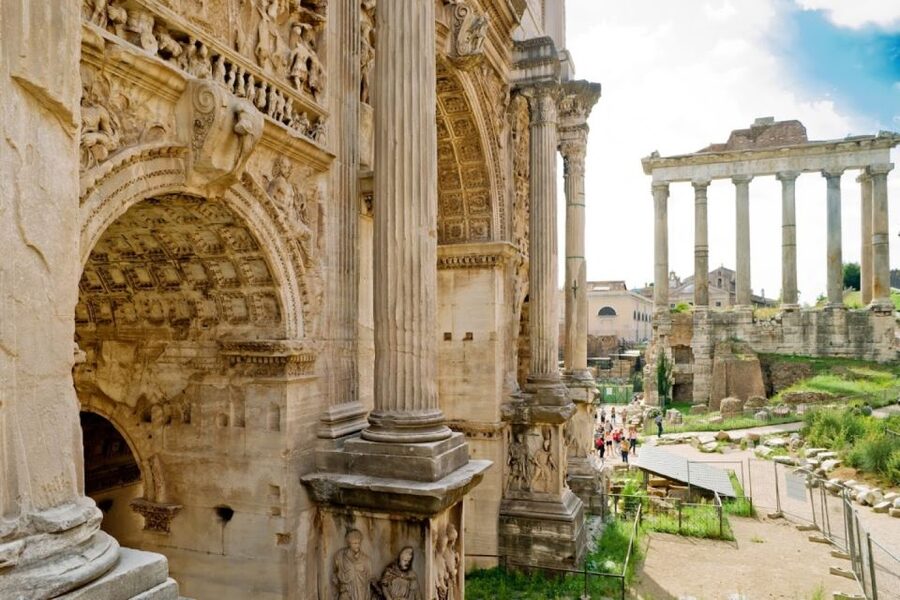
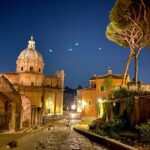
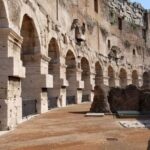
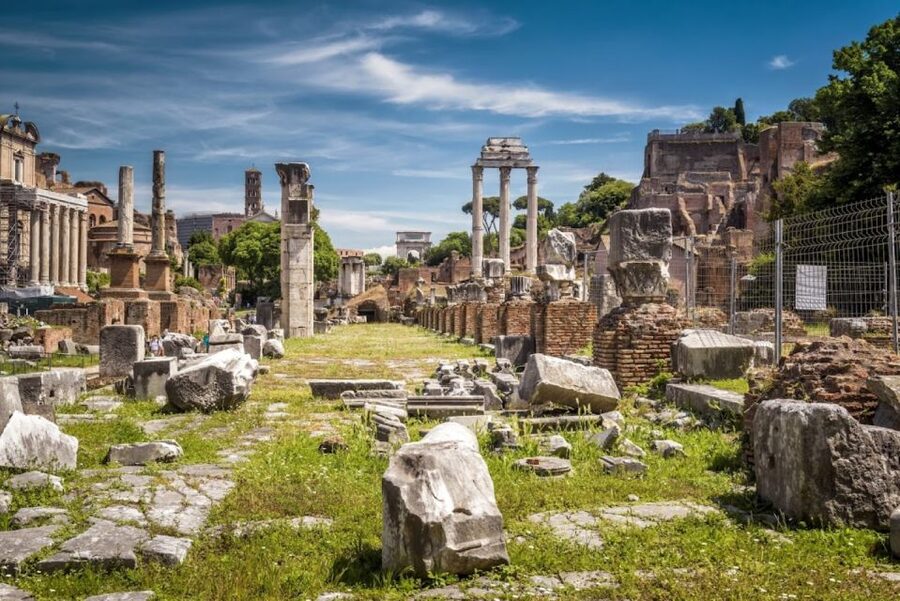
After the Colosseum visit, you move to the Roman Forum. This is where Rome shifts from spectacle to governance and public life. You walk among ruins that once held major government buildings, temples, and spaces tied to trade and daily routines.
The tour focuses on key areas rather than trying to cover everything. You’ll see important ruins that used to be part of a bustling marketplace and religious centers. The guide connects what’s left to what it likely meant in practice—how people gathered, where officials operated, and how civic life worked on a public stage.
One practical thing to know: the pace here can feel a bit fast if you want to slow down and read more. There’s also a chance your tour might start with the Forum rather than the Colosseum, depending on scheduling. Starting in the Forum can leave you wishing you had more time later for extra exploring around the Colosseum grounds. If you’re the type who wants extra free time for photos or lingering, ask ahead about where your tour starts, or build in buffer time on your own afterward.
Still, even with a brisk schedule, the Forum stops are valuable because they give you a guided structure. Stand in a place you’d otherwise walk past and suddenly the meaning shows up. You start looking for the shapes of roles—courts, temples, administrative spaces—rather than just rocks.
Palatine Hill at 40 Meters: Circus Maximus From Above
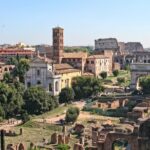
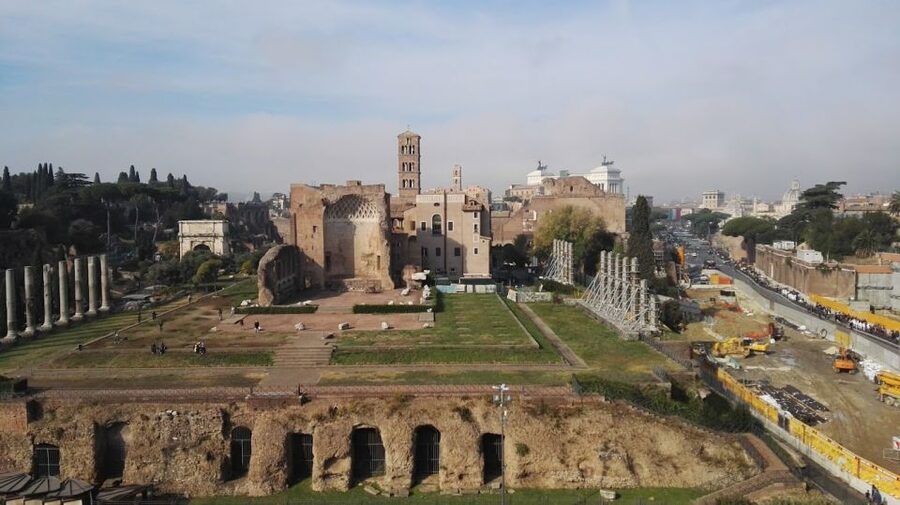
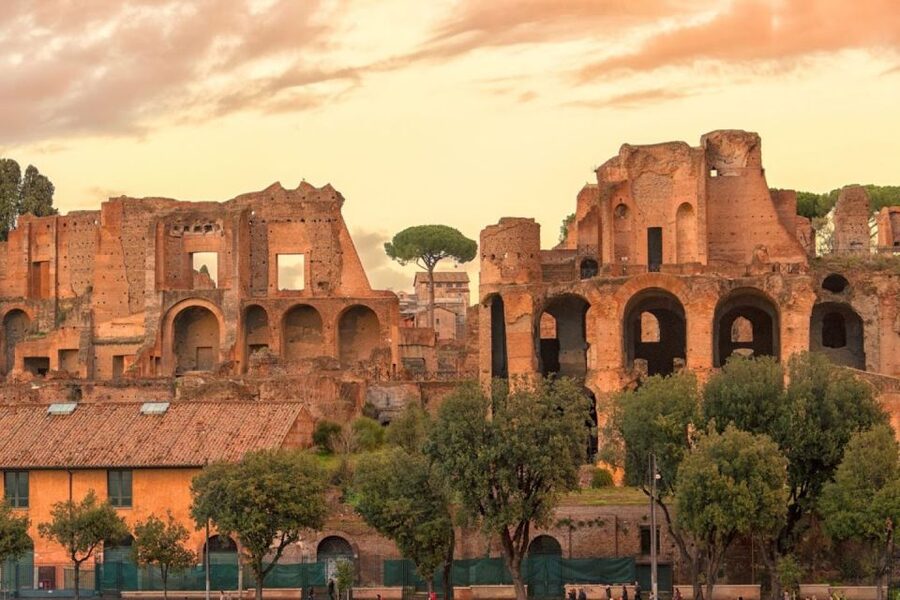
Next comes Palatine Hill, one of Rome’s seven hills and widely treated as the most ancient-feeling part of the city. You’re taken to the hill area about 40 meters above the Roman Forum, which changes how you experience everything below it.
From Palatine Hill, the viewpoint helps you understand the city’s layering. You can look down and see the Forum as part of a larger system, not a standalone set of ruins. That height also gives you a clearer line toward Circus Maximus, one of Rome’s famous venues for large-scale events.
Your guide frames Palatine Hill as more than a view stop. It’s a place where the past feels close, partly because of the elevation and partly because the hill’s role in Roman storytelling is so foundational. Even if you’ve heard the names before, the combination of walk + explanation helps you remember why Palatine Hill matters in the bigger Rome picture.
Price, Ticket Value, and What You Actually Get
The tour price is listed at $92 per person, for a 2.5-hour experience. That’s not cheap, but it’s not random money either. Here’s the value logic:
- You get entrance tickets to the Colosseum, Roman Forum, and Palatine Hill
- You get an English live guide
- You get headsets, which help on noisy days
- You get skip-the-line entry (though security screening still applies)
- You get access to an arena-floor area that most visitors don’t see
Also, there’s a clear ticket cost baseline stated for adults: €22 plus a €2 booking fee. Since this tour bundles tickets into a guided package with headsets and a guided route, paying extra over a self-guided visit can make sense—especially if you don’t want to spend time figuring out where to go first.
I think the biggest cost saver here is mental. You’re paying to reduce guesswork. The guide turns a complicated site into a sequence with meaning, and that matters more than people think when you’re squeezed into a short Rome window.
Just don’t ignore the main timing reality: security checks can create delays on busy days. So if you’re planning timed plans later the same day, leave breathing room.
Logistics I’d Plan Around (So It Doesn’t Feel Rushed)
This is a walking-focused tour with uneven historic surfaces, and it’s not suitable for people with mobility impairments or wheelchair users. If that’s your situation, it’s worth looking for a different format that matches your needs.
What to bring is straightforward:
- passport or ID card
- comfortable shoes
- weather-appropriate clothing
The tour operates in all weather conditions, so bring a plan for rain or heat. Also, there are clear restrictions: no pets, no weapons or sharp objects, no luggage or large bags, and no alcohol or drugs. Glass objects aren’t allowed either. Pack light, keep your day bag small, and you’ll move through the site without hassle.
One more practical note: headsets are included. That sounds minor, but it’s one of those details that makes the tour feel civilized instead of exhausting.
Who Should Book This Colosseum, Forum, and Palatine Hill Tour?
I’d book this tour if you want the Colosseum to feel like a story, not a photo stop. The arena-floor access is the standout reason, and the panoramic viewpoint helps you connect the Colosseum to the Forum and Palatine Hill instead of treating them as separate sights.
It’s also a good choice if you value a guide with an engaging style. Names like Adrian and Ivano have been highlighted for mixing clear history with humor and keeping the pace friendly. If you’re the type who gets impatient with long lectures, this kind of presentation can keep you moving and still learning.
On the other hand, skip it (or at least consider alternatives) if you:
- need wheelchair access or have mobility limitations
- prefer spending long stretches reading on your own rather than following a set flow
- want a slow, quiet tour with minimal security-time uncertainty
Should You Book This Colosseum and Roman Rome Tour?
If you’re choosing between a self-guided visit and this guided package, I’d lean toward booking if you care about arena-floor access, a structured route, and explanations that make the seating tiers, games, Forum ruins, and Palatine viewpoints click.
It’s worth the money when you look at what’s included: tickets for three major sites, headsets, English guidance, skip-the-line entry, and that uncommon access to the arena floor. The main caution is timing and pace. If you’re hoping for lots of free roaming at the Forum or want zero feeling of rushing, plan extra time on your own afterward.
Bottom line: if your goal is to see the Colosseum in a way that feels real and connected, this tour is a strong bet. Just come with sturdy shoes, an ID, and the understanding that Rome’s security checks can add some friction on peak days.
FAQ
How long is the tour?
The duration is 2.5 hours.
Where do I meet the tour?
Meet at Largo Gaetana Agnesi, 5, on the second floor of the Colosseo metro station, in front of the entrance to the primary school. Staff wear a dark blue uniform with the City Walkers logo.
Is the tour in English?
Yes, the live tour guide is English.
Does the tour include tickets and headsets?
Yes. Entrance tickets to the Colosseum, Roman Forum, and Palatine Hill are included, along with a guide and headsets.
Does the tour skip the ticket line?
Yes, you skip the ticket line.
Are food and drinks included?
No. Food and drinks are not included.
What do I need to bring?
Bring a passport or ID card, comfortable shoes, and weather-appropriate clothing.
What is not allowed during the tour?
Pets are not allowed. Weapons or sharp objects, luggage or large bags, alcohol and drugs, and glass objects are also not allowed.
Is the tour suitable for wheelchair users or people with mobility impairments?
No. It is not suitable for people with mobility impairments or wheelchair users.
Is the tour affected by weather?
The tour operates in all weather conditions.
Do I need my ID for Colosseum entry?
Yes. Nominative tickets have been introduced for the Colosseum, and you must have an ID with you as it may be required at the entrance.