REVIEW · NAHA
Karate History Tour in Okinawa
Book on Viator →Operated by Ageshio Japan Co.,Ltd · Bookable on Viator
Karate history on Okinawa hits harder in person. This private tour from Naha strings together karate monuments, a visit to the Okinawa Prefecture Karate Museum, and time at a shrine and karate shop, all in one smooth day. You’ll walk away with a clearer sense of how karate grew and why Okinawa treats its martial-arts past like living culture.
I especially like that entrance fees to all stops are included, so you’re not juggling tickets or delays while your day is moving. I also like the way your guide builds the story around the places, including a Japanese lunch organized by your guide that keeps the day from feeling like a checklist.
One thing to consider: the tour is weather-dependent, and with a 5 to 7 hour schedule you’ll want to be comfortable spending meaningful time walking and standing at outdoor monuments.
In This Review
- Key points I’d plan around
- Why Okinawa’s Karate Story Feels Personal in Naha
- What You Get for $125.50: Value Beyond the Price Tag
- Matsuyama Park Monuments: Kanryo Higaonnna and Chojun Miyagi
- Okinawa Prefecture Karate Museum: Meeting Tetsuhiro Hokama
- Okino-gu Shrine and the Gichin Funakoshi Monument: Respect in Stillness
- Shureido Karate Goods Shop: Souvenirs That Actually Match the Theme
- How Private Format + Lunch Keeps the Day Moving (Without Feeling Rushed)
- Who Should Book This Karate History Tour in Okinawa
- Booking Smart: Timing, Weather, and What to Bring
- Should You Book the Karate History Tour in Okinawa?
- FAQ
- How long is the Karate History Tour in Okinawa?
- Where does the tour take place?
- What’s included in the price?
- Is pickup included?
- Will I get a ticket on my phone?
- Is the tour private?
- Can I cancel for a refund?
Key points I’d plan around
- Entrance fees included at every stop so you can focus on the sites, not logistics
- Meet Tetsuhiro Hokama (Goju-ryu, 10th dan) during your museum visit
- Matsuyama Park monument stops with figures Kanryo Higaonnna and Chojun Miyagi
- A shrine visit to Okino-gu tied to the monument of Gichin Funakoshi
- Shureido shopping time for karate goods to bring home
Why Okinawa’s Karate Story Feels Personal in Naha
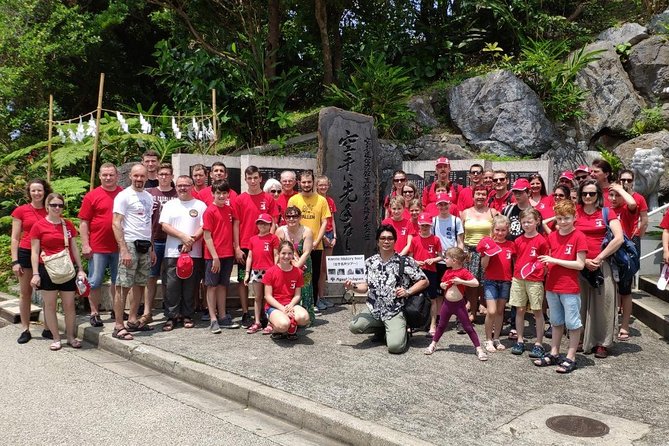
Okinawa gets credited as the birthplace of karate, but facts alone don’t always click. What makes this tour work is that it doesn’t just tell you history. It places you in the spaces where that history is remembered—parks, shrines, a museum packed with artifacts, and a shop where the culture still sells today.
If you love martial arts, you’ll appreciate the structured flow: monument to museum to shrine to shopping. If you’re more of a curious traveler, you’ll still enjoy it because your guide connects the dots in everyday language. You’re not stuck reading a placard and guessing what matters.
The private format also matters. Instead of being one face in a big crowd, your group gets a plan with time at each stop (from quick monument viewing to a longer museum session). That makes it easier to ask questions, especially during the museum visit where you’re meeting a top-level karate master.
There’s also a practical advantage: pickup is offered and you’ll have a mobile ticket, which cuts down on the early-day stress. When you’re doing multiple stops in one day, smoother start-to-finish logistics really pay off.
You can also read our reviews of more historical tours in Naha
What You Get for $125.50: Value Beyond the Price Tag
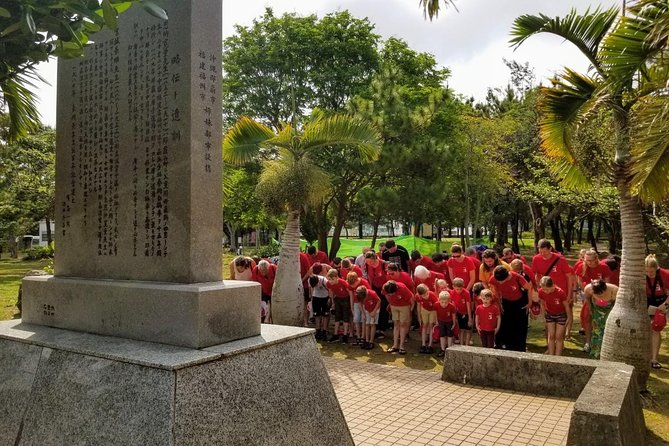
At $125.50 per person for a 5 to 7 hour private outing, the price feels reasonable once you look at what’s covered. You’re not only paying for guiding. You’re paying for a full day that includes:
- Entrance fees at every stop
- A Japanese lunch arranged by your guide
- Guided visits through the key karate-related sites in the Naha area
- Time to browse karate goods shops and leave with souvenirs
So what are you really buying? Convenience plus context. Entrance fees can add up quickly, and a guided day saves you time if you’d otherwise have to research routes, confirm opening hours, and coordinate transportation across different locations. The tour’s pacing—short monument stops plus a longer museum segment—also helps you spend your limited vacation time where it counts.
Another quiet value point: your lunch is handled by the guide, which means you’re less likely to lose an hour hunting for food that fits your day schedule. If you’re traveling without a car, that matters.
If you’re the type who hates being tied to a set route, this may feel like a “structured day.” But if you want a guided path through Okinawa karate culture without second-guessing, the price-to-effort ratio is strong.
Matsuyama Park Monuments: Kanryo Higaonnna and Chojun Miyagi
Your first stop is Matsuyama Park, with a short but meaningful time window: 15 minutes. This is one of those moments where the tour wisely keeps expectations realistic. You don’t need an hour to feel the importance of a monument, and you don’t want the day bogged down before it warms up.
The monuments honor Kanryo Higaonnna and Chojun Miyagi. Even if you only know their names from karate history, seeing their presence in a park setting helps make the story tangible. Parks are where local life continues, so the monument isn’t isolated behind a museum wall. It’s part of the public landscape, the kind of place people can walk past and remember what Okinawa values.
How to get the most from this quick stop:
- Take a moment to read calmly instead of rushing for photos
- Look for how the monument frames the names—monuments often communicate respect and continuity
- Use the rest of the day to connect this first stop to what you see later at the museum
Potential drawback: because the time is short, if you’re hoping for a deep, long lecture in this exact spot, you’ll need to use your guide’s explanations while you’re there—or save bigger questions for the museum where there’s more time.
Okinawa Prefecture Karate Museum: Meeting Tetsuhiro Hokama
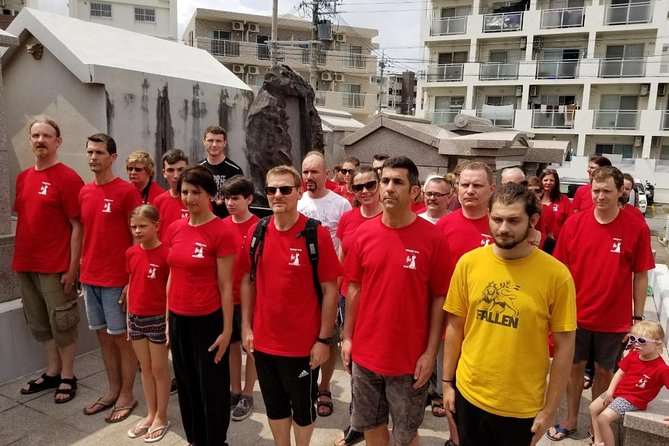
Next you head to the Okinawa Prefecture Karate Museum, where you’ll spend about 45 minutes. This is the anchor of the day, and it’s easy to see why. The museum isn’t just displays; it includes historical karate goods and a special meeting with Tetsuhiro Hokama (Goju-ryu, 10th dan master).
This stop works on two levels:
1) Artifacts put names into objects
You’ll see a lot of karate historical goods. That’s often what makes martial-arts history feel real. It moves from abstract timeline to something you can point at—equipment, materials, and items that suggest daily practice and lived tradition.
2) A master turns information into understanding
Meeting a top-ranking Goju-ryu master adds weight. At this point, it’s not just about collecting facts. It’s about hearing perspective. Your guide helps translate, and the museum setting gives the conversation context because it surrounds you with the art’s physical and cultural traces.
A smart way to approach the museum visit is to decide what you want most:
- Are you after origins and timeline?
- Are you curious about how karate practice is tied to Okinawan identity?
- Do you want to know what makes Goju-ryu distinct?
Then, ask your guide targeted questions based on that goal. With a set time, you’ll get more out of your visit if you steer the conversation.
Practical note: museums can be tiring if you read every label slowly. If you tend to skim, you can still catch the main story through the guide’s explanations and the museum materials.
Okino-gu Shrine and the Gichin Funakoshi Monument: Respect in Stillness
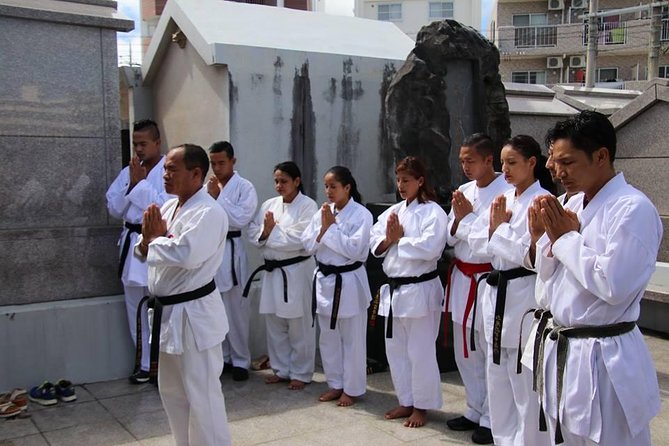
After the museum, you move to Okino-gu Shrine, which is scheduled for 30 minutes. This part of the tour is a good contrast. It slows the day down and shifts the tone from museum learning to spiritual or respectful remembrance.
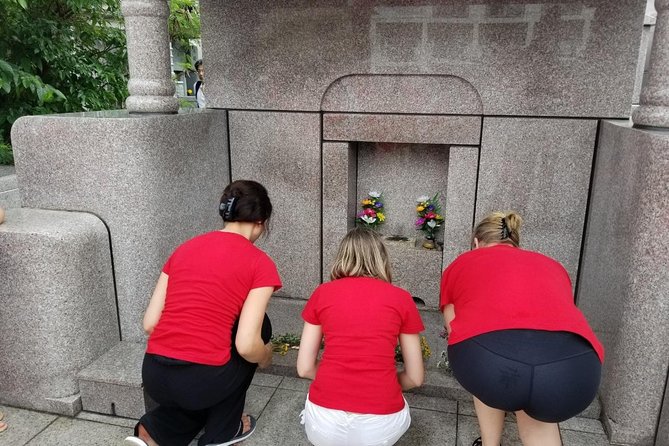
You’ll specifically visit the monument of Gichin Funakoshi. Even without getting technical, it’s worth noticing how shrines frame important figures. Karate isn’t presented here as only sport or performance. It’s treated with respect, and that changes how you think about what martial arts meant in Okinawa.
Why this stop is valuable:
- It adds cultural grounding beyond combat techniques
- It helps you understand how history is honored publicly
- It gives your brain a break from museum-style concentration
Potential consideration: shrine visits can be emotionally quiet, and the value is in attention and reflection. If you’re expecting action-packed moments, you might find it a pause rather than a thrill. But if you’re the kind of traveler who likes meaning, this is where the day feels complete.
Shureido Karate Goods Shop: Souvenirs That Actually Match the Theme
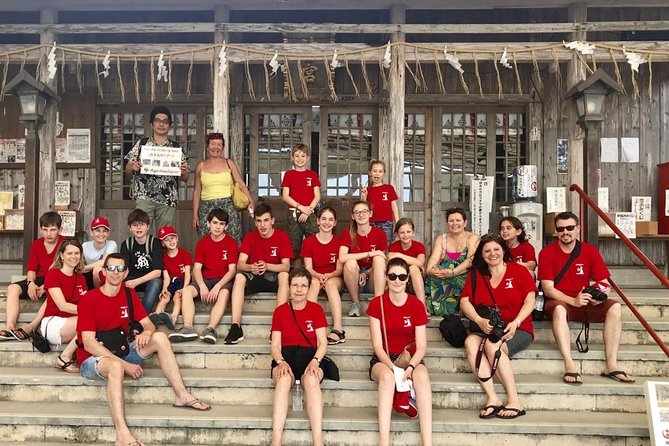
The final included stop is Shureido, with about 30 minutes dedicated to a karate goods shop. This is where you can turn your day of learning into a tangible memory—without wandering randomly through shopping districts.
This stop is also practical. After seeing monuments and museum artifacts, you’ll have a clearer sense of what kind of karate-themed items feel appropriate to buy. You’re not just grabbing generic souvenirs. You’re shopping in a place designed for karate goods, which makes your time there feel focused.
How to shop smarter in the time you have:
- Have one category in mind (books, training items, memorabilia, or traditional goods)
- Ask your guide if anything is especially meaningful, since you’ll already be in the karate context
- Don’t feel pressured to buy quickly. If something catches your eye, take the extra few seconds to compare before moving on
Potential drawback: shopping can be hit-or-miss depending on your interests and what you’re looking for. If you only want photo souvenirs and don’t care about goods, you might feel like this part is optional. But even then, the shop stop is a nice finishing touch that connects learning to craft.
How Private Format + Lunch Keeps the Day Moving (Without Feeling Rushed)
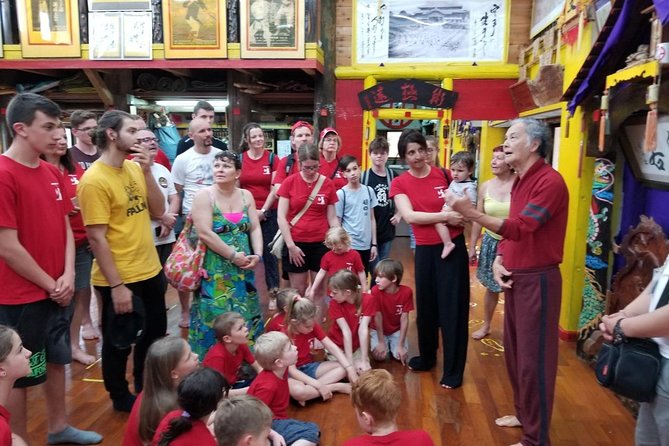
A tour can be packed and still feel comfortable if the flow makes sense. Here, the rhythm is built around variety: quick monuments, a longer museum meeting, a shrine pause, then shopping. That prevents the day from becoming a single long indoor grind.
Lunch is another key element. You get a Japanese lunch organized by your guide, which is a bigger deal than it sounds. In Japan, good food is everywhere, but the challenge is timing. On a multi-stop itinerary, the wrong meal plan can break your schedule. With lunch handled for you, you stay in rhythm.
From what I like about this kind of day, it’s not only about eating. It’s about reducing friction. If you don’t have to think about where to go next, you can focus on listening to your guide and soaking up the places.
Transportation-wise, you’re close to public transit, and pickup is offered. That combo is great for travelers who want the ease of door-to-door options but also like having a backup if plans shift.
This is also listed as a private tour/activity. Only your group participates. That means no blending into a crowd, and it’s easier for your guide to manage pacing if someone needs an extra minute at a monument or wants clarification after the museum visit.
Who Should Book This Karate History Tour in Okinawa
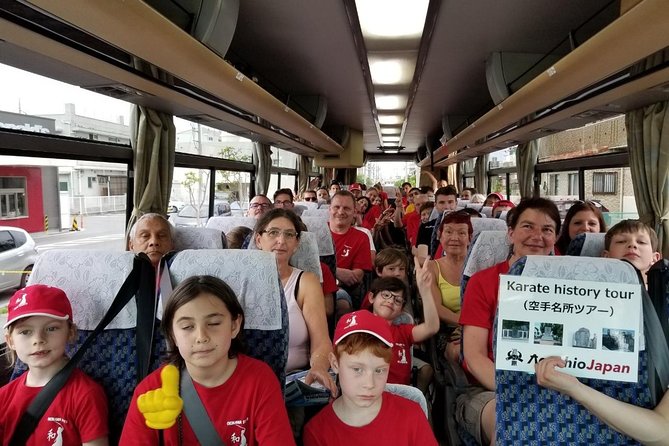
This tour is a strong fit if you fall into one of these buckets:
- Karate fans who want the Okinawa side of the story and not just a quick photo stop
- Martial arts curious travelers who like learning through objects, names, and locations
- People who enjoy guided context more than self-guided wandering
- Groups who want a private day with their own pace and room for questions
It’s also a good choice if you’ll be in Naha and want one organized plan that hits the key karate-related sites in the area. The stop mix gives you the story arc: early figures (monuments), preservation (museum), respect (shrine), and living culture (goods shop).
If you’re traveling with limited patience for guided explanations, you might want to be ready to actively ask questions or guide your interests so the day stays rewarding for you. The same structure that helps others can feel like a lecture if you’re not in that mood.
Booking Smart: Timing, Weather, and What to Bring
This experience requires good weather. That’s not a small footnote. A day that starts with outdoor monuments and continues with walking between stops can feel totally different in rain or harsh conditions.
For timing, confirmation comes within 48 hours of booking depending on availability, so you’ll want to book with enough lead time. Average booking timing is listed at around 50 days in advance, which suggests this isn’t something people wait until the last minute to arrange.
What to bring:
- Comfortable shoes for monuments and walking
- A light layer for indoor museum time and outdoor changes
- A mindset that this is a story-focused day, not a high-speed sightseeing marathon
Also, it’s marked as near public transportation and service animals are allowed, so it’s practical for more kinds of travelers than you might expect for a themed cultural tour.
Should You Book the Karate History Tour in Okinawa?
If you want a well-paced, theme-driven day that connects karate names to real places—and you like learning from a guide and a master—this is a great booking. I especially like the balance of monuments + museum meeting + shrine respect, capped by karate goods shopping that lets you take the theme home.
I’d skip it only if you strongly dislike guided structure, or if you know you’ll be frustrated by a weather-dependent schedule. Otherwise, this is one of the clearer ways to spend a half-day to full day in Naha with purpose: you get a narrative, not just stops.
FAQ
How long is the Karate History Tour in Okinawa?
The tour runs about 5 to 7 hours.
Where does the tour take place?
The tour is based in Naha, Japan.
What’s included in the price?
Entrance fees to all stops are included, and you’ll also enjoy a Japanese lunch organized by your guide.
Is pickup included?
Pickup is offered.
Will I get a ticket on my phone?
Yes, the tour uses a mobile ticket.
Is the tour private?
Yes. It’s a private tour/activity, and only your group will participate.
Can I cancel for a refund?
Free cancellation is available. You can cancel up to 24 hours in advance for a full refund, and cancellations made less than 24 hours before the start time are not refunded.