REVIEW · NAHA
Shuri+Naha: Cycling Tour Explore Water Heritage with E-Bike
Book on GetYourGuide →Operated by イーチャリティ那覇国際通り本店 · Bookable on GetYourGuide
Three hours, and Naha feels different. This Shuri+Naha e-bike tour follows the water threads that shaped daily life in Okinawa, moving from riverside neighborhoods to quiet springs. I love that the ride is easy to pace thanks to electric assist, and I love that the guide brings the story to life with hands-on stops.
Second, the best part is how quickly you switch settings: stone steps, waterfall sounds, then back to Shuri’s castle-quarter walking. You also get a real break that’s not just a snack stop—Ryukyu sweets tied to the royal court traditions.
One consideration: you’ll be on bike paths that can be slippery near water and rocky areas, so you’ll want athletic shoes and solid comfort riding a bike for the full 3 hours.
In This Review
- Key things to know before you go
- Why Naha’s Waterways Make This E-Bike Tour Worth Your Time
- Meeting Near Makishi Monorail: A Simple Start With Clear Safety
- Riverside Naha: Where Daily Life Happens Next to Water Heritage
- Stone Steps, Perennial Springs, and the Sound That Changes Everything
- Shuri Stops That Blend History and Water: Gate Views and Quiet Corners
- Shuri Castle Quarter Walking: Cobblestones, Temples, and Sacred Shrines
- Ryukyu Sweets Stop: Taste the Royal Court Tradition
- Price and Logistics: Is $87 Fair for 3 Hours?
- E-Bike Comfort, Safety, and Who This Tour Fits Best
- What the Guide Adds: More Than Facts, Better Timing
- Returning Downhill: The Last Stretch That Feels Like a Reward
- Should You Book Shuri+Naha With E-Bike?
- FAQ
- How long is the Shuri+Naha e-bike cycling tour?
- Where do I meet the tour?
- What’s included in the price?
- What should I wear or bring?
- What kind of group size and languages should I expect?
- Is there a change in plans if the weather is bad?
- Is it suitable for everyone?
Key things to know before you go

- Small group (up to 5) for a calmer ride and more personal guiding
- E-bike + helmet intercom to keep everyone together and communication clear
- Water heritage stops where you hear fountains, waterfalls, and bird sounds up close
- Ryukyu sweet-making tradition with a chance to taste what’s crafted in-house
- Shuri Castle area walking with cobblestones, temples, and sacred shrines
- Downhill return that makes the end of the tour feel like a reward
Why Naha’s Waterways Make This E-Bike Tour Worth Your Time
Okinawa has a reputation for beaches, but Naha’s real magic often starts closer to the ground—at springs, rivers, and the channels that keep neighborhoods alive. This tour uses that idea as the spine of the ride. You’re not just moving from A to B; you’re learning how water shaped Shuri and Naha’s day-to-day rhythms.
The electric assist matters more than you might think. Shuri has hills, and you want your energy for looking closely—at stone steps, old trees, and those small signs of traditional life woven into modern streets. With the e-bike, the effort stays reasonable, so you can actually pay attention.
And because it’s a small-group setup, the guide can slow down when something catches your eye. In other tours of this type, that’s the difference between a photo sprint and a meaningful walk.
You can also read our reviews of more tours and experiences in Naha.

Meeting Near Makishi Monorail: A Simple Start With Clear Safety
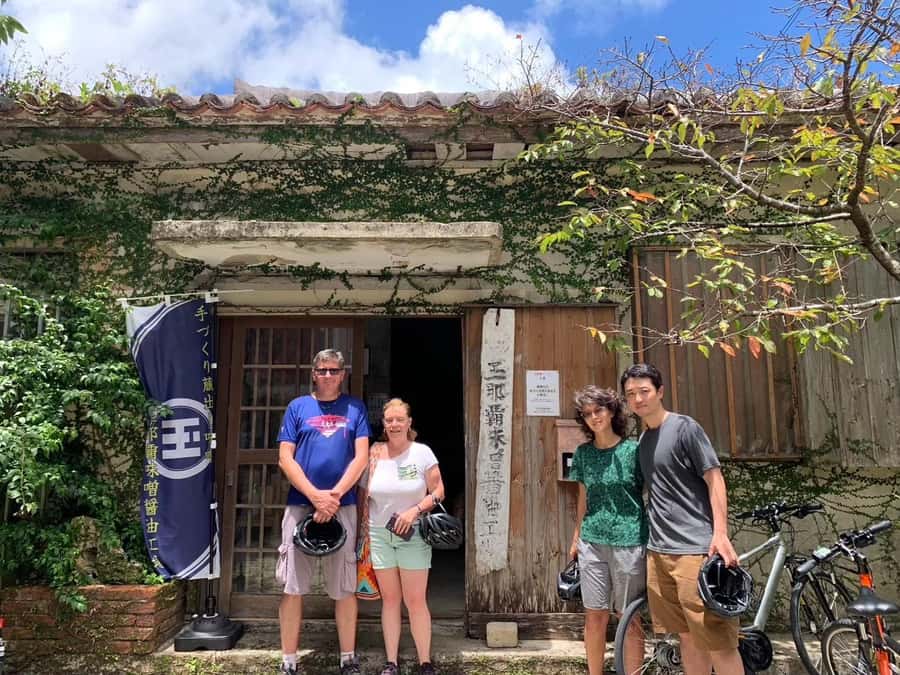
You’ll meet at the e-bike shop near Makishi Monorail station—just a 1-minute walk, located next to Makishi Post Office. This is helpful if you’re staying central in Naha, because you can roll in from the monorail without wrestling with taxis.
The tour starts with a quick pickup and briefing. You’ll get a helmet with an intercom system and a bike that’s set for assisted riding. That intercom piece is practical; you’re not shouting over traffic, and the guide can give you reminders as you go.
If you’re new to e-bikes, this is one of those tours that fits well because you’re not dealing with long open-road stretches. You’re guided through mixed urban scenes that gradually transition into quieter, more historical areas.
Riverside Naha: Where Daily Life Happens Next to Water Heritage
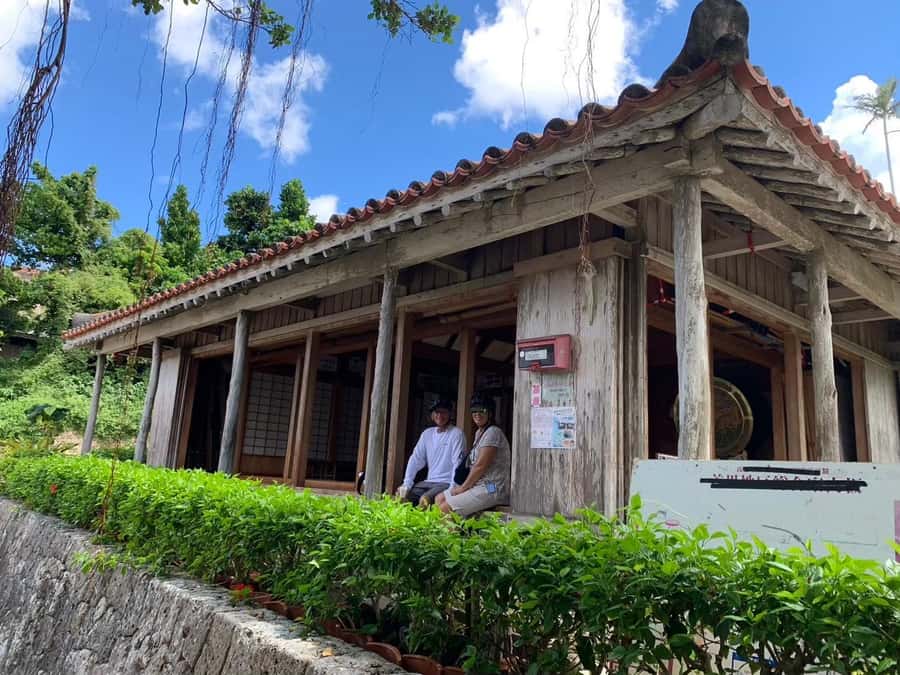
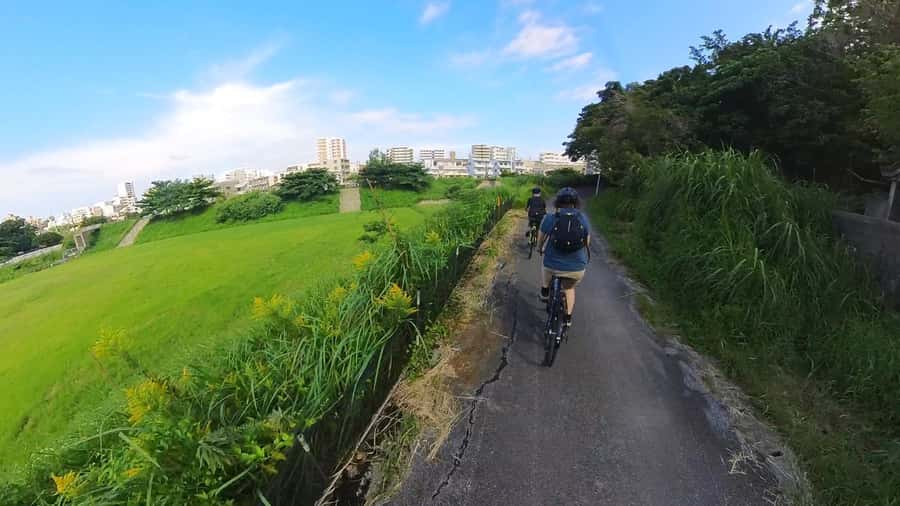
Once you roll out, you get a real Okinawa contrast: traditional and modern houses living side by side along the riverside. This is the kind of place where a simple greeting from the group can get you a quick smile back from locals. It sounds small, but it sets the tone. The tour doesn’t feel staged; it feels like you’re walking into actual neighborhood life.
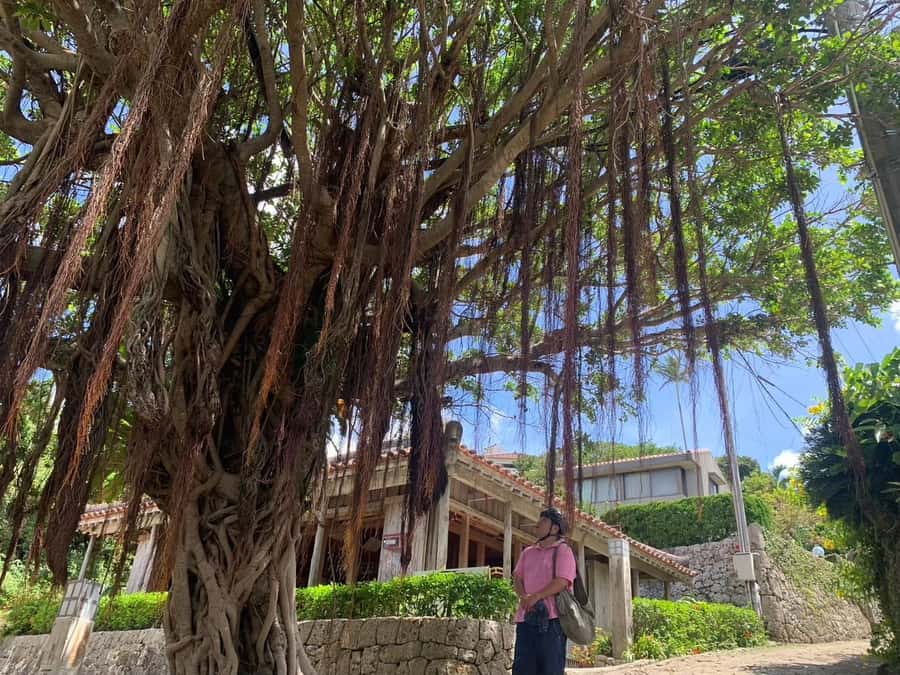
You also pass through areas where a monorail runs overhead. That detail is key. You’re seeing history while still recognizing it’s a living city, not a museum district. Then, fairly quickly, the scenery shifts—ancient trees and stone steps appear just off the main streets, and suddenly you’re dealing with the slower sound of water and wind.
This is one of the tour’s strongest values: you get the everyday first, and only then do you move toward the more iconic Ryukyu and castle-area sights.
Stone Steps, Perennial Springs, and the Sound That Changes Everything
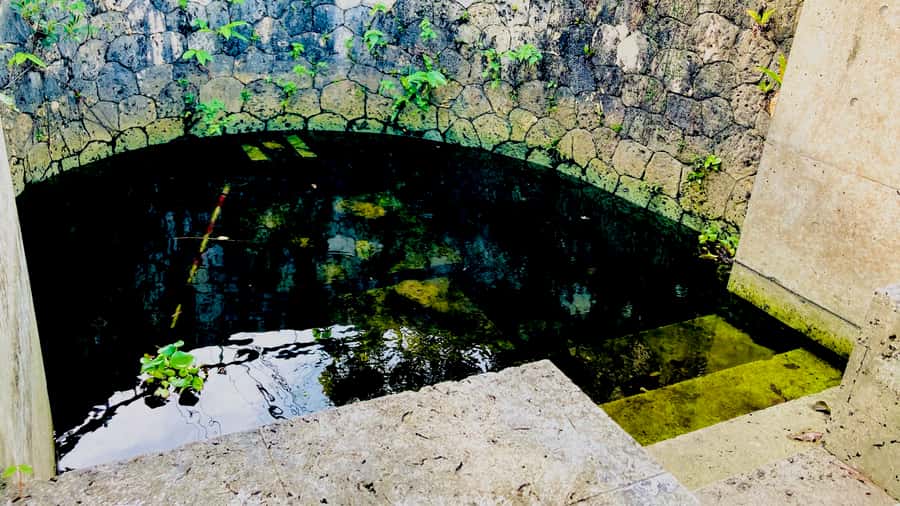
A big part of the charm is how the tour uses physical geography. You descend stone steps and arrive at a perennial spring with the gentle sound of a waterfall nearby. It can be hard to believe this kind of spot exists in the middle of a busy city—until you’re actually there with your bike put away and your ears tuned in.
From a travel perspective, that sensory shift is more memorable than another viewpoint. At these springs and water points, you stop being a spectator. You start noticing how the air feels cooler, how the water sound organizes the moment, and how the area seems designed for pause.
The tour continues to another spring where waterfowl gather from deeper in the forest. The guide-led pacing helps here. You’re not rushing a photo; you’re staying long enough to hear birdsong layered over water. Even if you’ve visited other gardens, this type of spring experience feels different because it’s tied to local water practices and real nature.
Shuri Stops That Blend History and Water: Gate Views and Quiet Corners
After the spring areas, you ride through residential zones and then come to a shop tied to Ryukyu royal-court sweet traditions. This is where the tour turns from nature into culture without getting artificial.
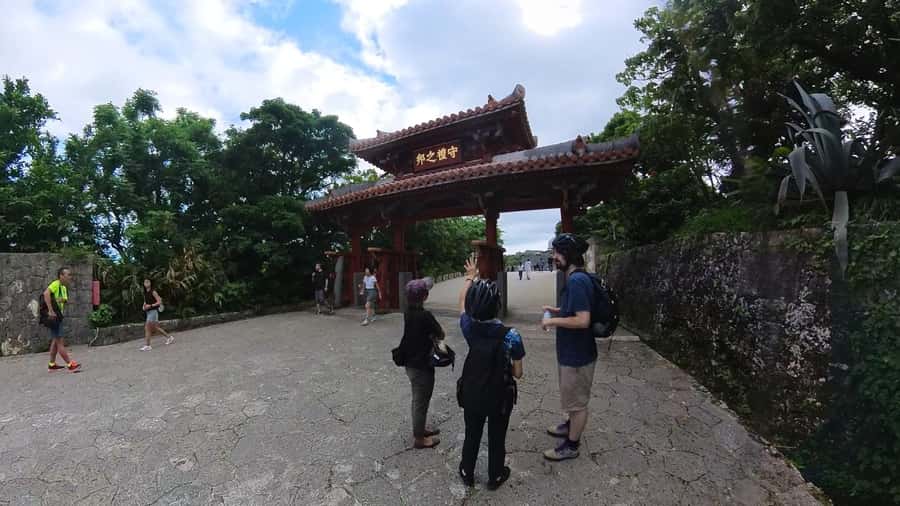
Before you fully settle into the sweets and castle quarter, you also get a chance for one of Okinawa’s signature photo moments: the gate with a striking vermilion color. In local common speech, it was called Ue no Ayamon Ii no Ayashō, described as the beautiful gate above. The design is balanced, and the color gives you that instant Okinawa feeling.
Then comes the slow climb toward a view over Naha City. From there, you can look for red-roofed buildings, guardian figurines, and stone pillars scattered around—details that make the area feel like a castle town, not just a neighborhood.
If you’re the type who likes reading a city through small features, this segment is worth paying attention to. The guide helps by pointing out what you might otherwise miss at bike speed.
Shuri Castle Quarter Walking: Cobblestones, Temples, and Sacred Shrines
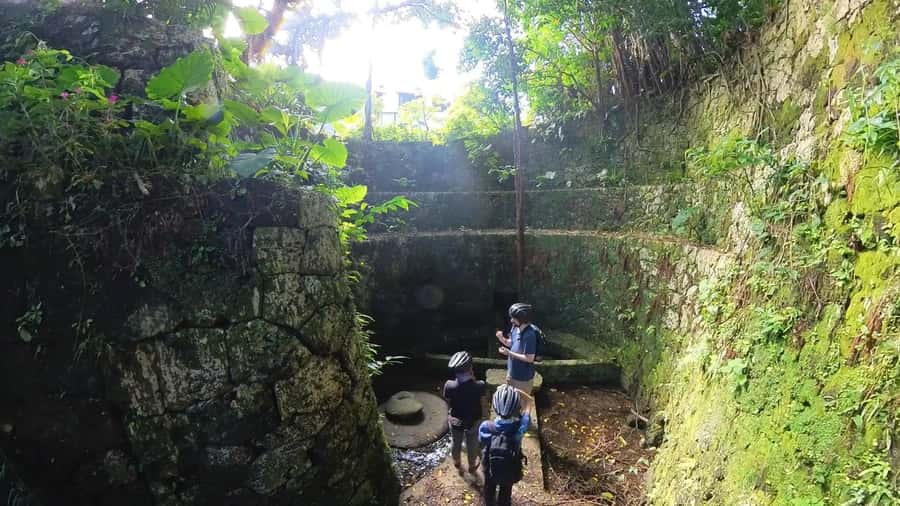
When you reach the Shuri Castle area, the tour shifts from cycling to walking and exploring. You’ll cover Shuri Castle, which served as the capital of the Ryukyu Kingdom. The pacing is slower here, and the focus becomes atmosphere—cobblestones, temples, and sacred shrines.
What makes this section work (and not just feel like another big site) is the connection back to the water story. You’re seeing a strong cultural center while still remembering what shaped everyday life: water supply, spring points, and how communities formed around them.
Also, you’ll have a break and photo stop at Shuri Castle Blue Seal Soft Shop. This works as a recharge moment, especially if you’re riding in warmer or more humid conditions. The tour gives you a reason to pause mid-experience rather than pushing straight through to the end.
One practical note: comfortable shoes matter here. You’re walking on varied surfaces around the castle quarter, and the earlier water-side areas can already have you dealing with slick spots.
Ryukyu Sweets Stop: Taste the Royal Court Tradition
This tour includes a traditional confectionary experience connected to recipes preserved from the Ryukyu Kingdom era. The shop you visit cares about keeping those methods alive, and you’ll smell the sugar as soon as you get close.
What you get is more than eating a sweet and moving on. You can see how the sweets are prepared, and you may get the chance to taste them. The timing is built into the ride, so you’re not guessing when food fits. This matters if you’re traveling on a schedule and don’t want to hunt for snacks later.
There’s also a hospitality vibe in this stop. Guides on this route often emphasize the tradition behind the sweets, and people who have joined the tour before tend to mention the warmth of the artisans and the way the smell-and-bite moment feels like a time jump.
From a value standpoint, this is a good use of tour time. You’re paying for guided context, not just a rental bike.
Price and Logistics: Is $87 Fair for 3 Hours?
At $87 per person for a 3-hour guided e-bike tour, you’re paying for three things: a quality assisted bike, guide time, and structured access to multiple areas without you figuring out directions or timing.
You also get a helmet with intercom, and the tour is limited to a small group of up to 5. That small size is a real cost factor, and it changes the experience. You move more smoothly, and the guide can keep an eye on everyone’s pace.
Plus, skip-the-ticket-line is included, which can shave off stress at popular spots like Shuri Castle. Entrance handling is one of those hidden “value” pieces that makes the day feel easier.
One more thing: you don’t need to rent a phone holder or camera mount because they’re not included. If you rely on a phone for maps or photos, plan to bring a simple solution yourself.
E-Bike Comfort, Safety, and Who This Tour Fits Best
You don’t need to be an athlete for this, but you do need the ability to ride a bike confidently. The tour isn’t suitable for people who can’t ride a bike or for wheelchair users.
There’s also the water-and-rocks consideration. The tour may involve places close to water and rocky areas, and the road can be slippery at times. So the footwear advice is not optional. Wear athletic shoes or similar footwear and avoid high heels or sandals.
If you’re worried about balance, the guided nature helps. You’re on an e-bike with a safety setup (helmet + intercom), and the guide is there to keep the group coordinated.
Good to know on guide quality: names that come up often include Jo-Jo, Aki, Sally, and Maki. The common thread in praise is clear English and steady attention to keeping people safe while making the history feel understandable.
What the Guide Adds: More Than Facts, Better Timing
This is the kind of tour where the guide can make the difference between seeing places and actually understanding them. The route includes a mix of cultural sites and nature-based spring stops. Without context, the springs could feel like scenery. With context, they become part of why the area developed the way it did.
The best guides in this group tend to explain the Ryukyu story in a way that connects to what you’re physically experiencing: the sound of water, the feel of stone steps, the reason a gate matters, and what Shuri Castle meant as a center of power.
That’s also why the small group size matters. The guide can slow down at the right moments—when you’re at a spring, when you’re near a shrine, or when you’re about to take a photo by the gate.
Returning Downhill: The Last Stretch That Feels Like a Reward
The ride back is downhill, and that matters for your final energy level. You feel the wind, the pace naturally relaxes, and the finish line comes into view with less effort than you might expect.
Then you return the bicycles at the original meeting shop. After that, you’re free to keep exploring Naha on your own, which is a nice way to turn the tour into a base camp. You get a structured start, then you choose what fits your interests.
Should You Book Shuri+Naha With E-Bike?
Yes—if you want an Okinawa day that combines nature sounds, Ryukyu cultural stops, and city walking without making you fight hills. The e-bike helps you actually enjoy the experience, and the water heritage theme gives the route a clear identity instead of feeling like a random checklist.
I’d also book it if you’re short on time. Three hours is enough to get the story and the highlights, but not so long that it drains your whole day. The small group format is another big plus.
Skip it if you can’t ride a bike confidently or if slippery terrain makes you nervous. Bring good shoes, take your time at spring-side steps, and you’ll get a tour that feels like a journey through both water and place.
FAQ
How long is the Shuri+Naha e-bike cycling tour?
The tour runs for about 3 hours, including guided riding and scheduled stops.
Where do I meet the tour?
Meet at the e-bike shop near Makishi Monorail station. It’s a 1-minute walk from the station, next to Makishi Post Office.
What’s included in the price?
You get a guided tour with a helmet that includes an intercom system, and electric assisted bicycle rental.
What should I wear or bring?
Bring comfortable shoes. The route can include areas close to water and rocky spots, and surfaces can be slippery, so athletic shoes are recommended.
What kind of group size and languages should I expect?
It’s a small group limited to 5 participants. The live tour guide speaks English and Japanese.
Is there a change in plans if the weather is bad?
Plans may change if the precipitation probability exceeds 70% or in severe weather. In that case, the operator contacts you from 3 days before up to the day before.
Is it suitable for everyone?
It isn’t suitable for people who can’t ride a bike, and it’s not suitable for wheelchair users. Children aged 1 to 5 can have a child seat attached to the parent’s bicycle, but you should consult staff for details.