REVIEW · LYON
Lyon: Kheops VR Experience – Immersion in Ancient Egypt
Book on GetYourGuide →Operated by Eclipso · Bookable on GetYourGuide
A Great Pyramid in Lyon? Yep, via VR. The Khéops VR Experience is a one-hour indoor trip from the streets of Lyon straight to the Giza Plateau, where you can look around in wraparound 360° and then move inside Khufu’s Pyramid.
What I like most is that it feels like a monument you walk through, not a video you watch, plus the experience is built around reconstructions supported by historical experts.
The best part for many people is the sense of scale: from the outside you can finally grasp how enormous the structure is, and inside you get corridors and chambers that would be hard to understand on your own. My only caution is VR comfort and suitability—this one is not for kids under 8, and it’s not recommended for people with heart problems or epilepsy.
In This Review
- Key Highlights You’ll Actually Feel
- Getting Oriented: What the Khéops VR Experience Really Is
- Before the Headset: The Short Intro That Makes It Click
- The Giza Plateau Moment: Seeing the Great Pyramid’s Scale Up Close
- Inside Khufu’s Pyramid: Corridors, Chambers, and Hidden Spaces
- The VR Experience Design: Sound, Lighting, and Motion
- Timing and Your 1-Hour Window in Lyon
- Price and Value: Is $34 Worth It?
- Who Should Go (and Who Should Skip It)
- Languages, Team, and the Human Side of VR
- A Small Practical Tip: Ask About Group Pricing
- Should You Book the Khéops VR Experience?
- FAQ
- How long is the Khéops VR Experience?
- Where does it take place?
- What languages are available?
- Is it suitable for young children?
- Who should not do this experience?
- Can I cancel, and is the payment flexible?
Key Highlights You’ll Actually Feel
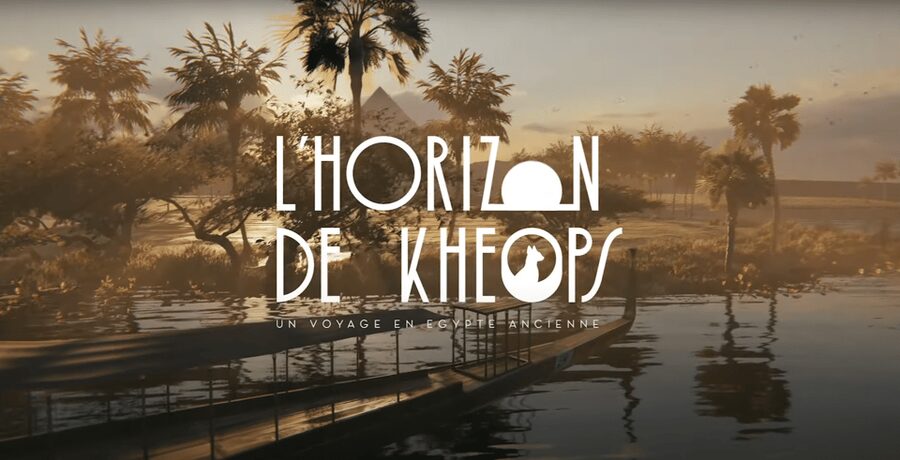
- 360° Giza Plateau view from the foot of the Great Pyramid, with space to look around.
- Walk-through access to Khufu’s Pyramid rather than a fixed seat-and-watch show.
- Expert-reconstructed corridors and chambers, designed to help you understand the layout.
- Cinematic sound and lighting that make the experience feel more physical.
- Indoor plan for hot or rainy days in Lyon, with no weather worries.
- Friendly team + headset setup in French or English, for different experience levels.
Getting Oriented: What the Khéops VR Experience Really Is
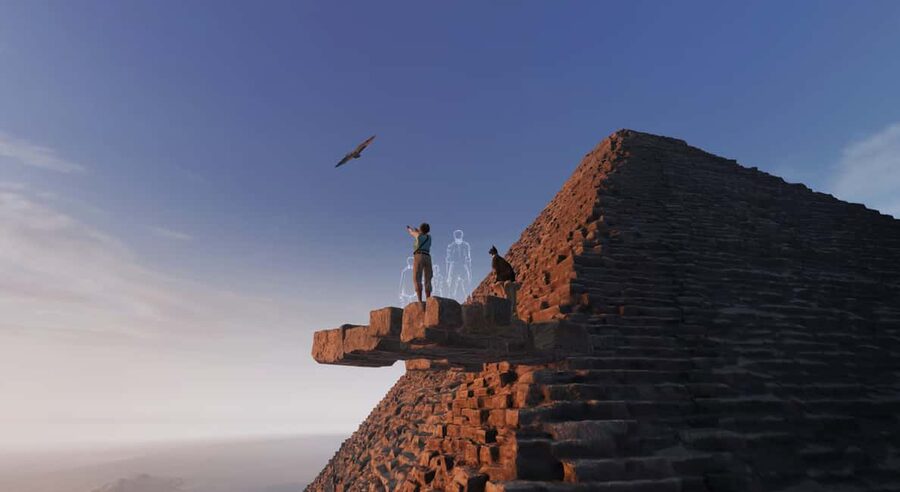
This is a Lyon VR experience built around one idea: you don’t just observe Ancient Egypt, you move through it. You start with a short introduction, then you put on a headset and stand on the Giza Plateau facing the Great Pyramid of Khufu.
It runs about one hour total, with 45 minutes devoted to the VR portion. That matters because you’ll have time to experience it fully, but it still works well as an add-on when your day is packed—or if weather is making you rethink plans.
You can also read our reviews of more tours and experiences in Lyon.

Before the Headset: The Short Intro That Makes It Click
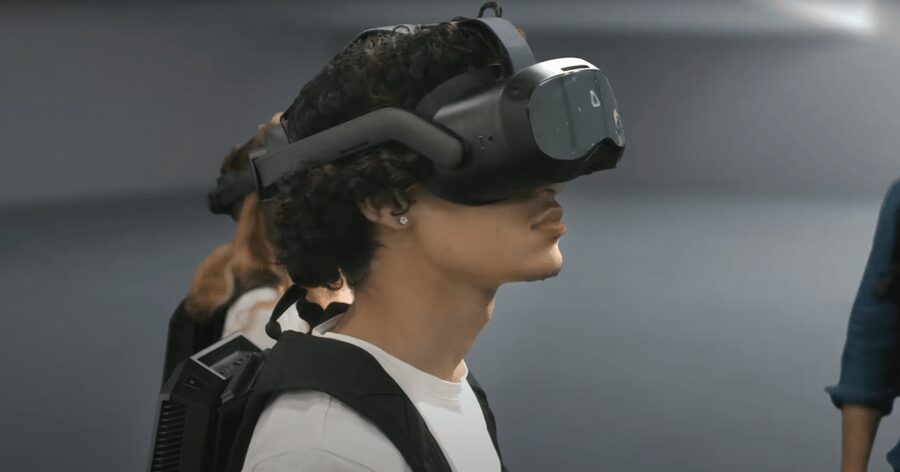
You begin with a quick, engaging primer. You’ll get the key background and practical facts behind the pyramids—enough to give you context before you’re suddenly standing in front of one.
I like these short setups because they help your brain “place” what you’re seeing. Without that, VR can feel cool but confusing. With it, you start connecting architectural choices to what you’re experiencing.
The Giza Plateau Moment: Seeing the Great Pyramid’s Scale Up Close
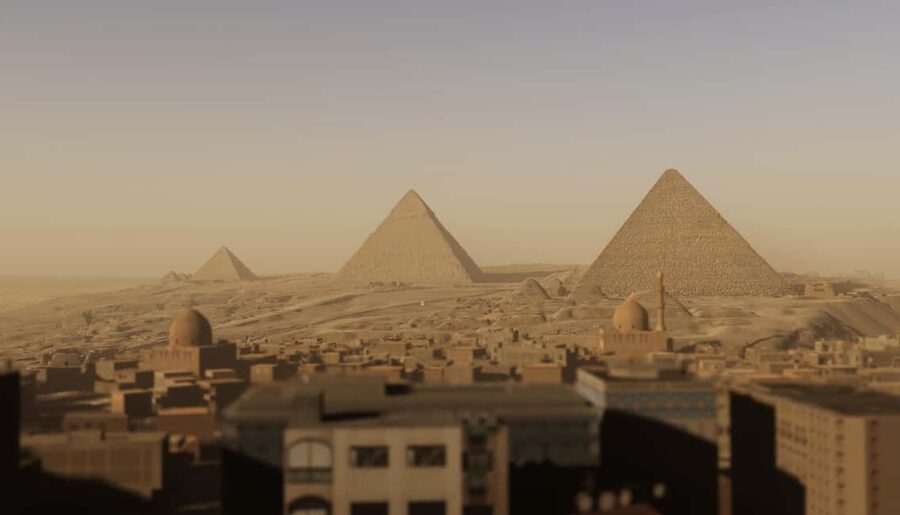
Once you’re in, you’re transported to the Giza Plateau in a 360° recreation. You start at the foot of the Great Pyramid, and you can look around freely—so you can take in the approach, the angles, and the overall massing.
This is the part where most people immediately notice scale. A pyramid in photos is flat and distant. Here, you can walk your view around it and really understand how gigantic it is relative to a human standpoint.
Practical note: since you’ll be exploring with head movement, keep your pace steady. Let your eyes scan first, then decide where you want to look more closely.
Inside Khufu’s Pyramid: Corridors, Chambers, and Hidden Spaces
After the outside view, the experience takes you into the pyramid. This is where the VR turns from “wow, that’s tall” into “okay, I understand the layout.”
You explore reconstructed corridors, chambers, and hidden spaces that are presented with help from historical experts. The key value here is interpretation: you’re not just seeing space—you’re moving through it in a way that helps you grasp how the interior system works.
There’s also something emotional about being inside a structure that famous in books and documentaries. Even if you’ve visited museums, VR gives you a different kind of understanding: not just what the pyramid looks like, but what it feels like to be within it.
The VR Experience Design: Sound, Lighting, and Motion
The experience is designed with more than visuals. You’ll notice immersive sound design, atmospheric lighting, and fluid motion that help the experience feel lifelike.
Why that matters for you: sound and lighting are doing the heavy lifting to create a sense of place. When those cues match what you’re visually seeing, your brain accepts the environment faster, and you spend less energy figuring out what’s happening and more energy learning from it.
Also, it’s good to remember the activity is entirely indoors. You’re not dodging sun or waiting out rain—your day stays simple.
Timing and Your 1-Hour Window in Lyon
Total time is listed as 1 hour, with 45 minutes of the VR experience. That structure is useful because it avoids the long “tour fatigue” problem.
Plan it like this: treat it as your focused main activity (not something you schedule five minutes before dinner). If you’re pairing it with other Lyon sights, give yourself buffer time for the headset and intro.
In the real world, that means you’ll still have time to enjoy a walk afterward—just without needing to fit in travel or lines connected to a major museum.
Price and Value: Is $34 Worth It?
At $34 per person, the question isn’t just whether it’s cheaper than a museum ticket. It’s whether it gives you something a museum can’t.
Here’s the honest value logic:
- You get walk-through access to inside-the-pyramid spaces, which normal museum displays can only hint at.
- You get 360° viewing, so you’re not limited to one camera angle.
- You get a guided setup that connects what you’re seeing to the historical story.
For many visitors, this becomes a “best rainy-day plan” because you’re paying for a guided education experience that doesn’t depend on weather. If you’re traveling with kids (old enough to qualify), it can also feel more engaging than reading placards.
One thing to think about: if you’re very sensitive to VR environments, don’t treat it like a casual arcade. This is a head-mounted experience in a changing environment, and you should respect the listed medical unsuitability.
Who Should Go (and Who Should Skip It)
This experience is described as wheelchair accessible, with a friendly team on site and support in French and English. That makes it a practical culture option, not just a tech demo.
Who it fits well:
- Families looking for a meaningful outing built around real historical subjects.
- History lovers who want a new way to visualize the Great Pyramid of Khufu.
- Tech curious travelers who like VR that has an educational goal.
Who should skip it:
- Children under 8 are not suitable.
- People with heart problems should not do it.
- People with epilepsy should not do it.
If you’re in the gray zone medically, it’s worth asking the team directly before you commit.
Languages, Team, and the Human Side of VR
Host or greeter languages are French and English. That matters because VR can move fast, and you’ll want clear help if anything needs adjusting.
A good headset setup also changes the experience. When the team helps you get comfortable early, you spend more time looking around and exploring inside the pyramid—and less time fussing with the gear.
A Small Practical Tip: Ask About Group Pricing
One practical thing I’d build into your plan: if you’re traveling with a group, ask ahead about group tariffs. There’s at least one example of a family with two adults and two kids (ages 11 and 13) learning too late that they could have gotten a group price.
So if you’re booking as a group, don’t wait for surprises—just ask what rate options exist.
Should You Book the Khéops VR Experience?
I’d book it if you want an indoor activity in Lyon that teaches you something real and lets you experience the Great Pyramid in a way photos and videos can’t. The combination of outside 360° views and inside-the-pyramid walkthrough reconstructions makes it feel like more than a gimmick.
Skip it if you fall under the medical unsuitability listed (heart problems or epilepsy), or if you’re bringing a child under 8. Also, if you’ve tried VR before and it doesn’t agree with you, treat that as a strong signal.
Bottom line: at $34, this works best when you want education plus a memorable “I was there” feeling—without leaving Lyon.
FAQ
How long is the Khéops VR Experience?
The experience runs for about 1 hour total, with 45 minutes of VR time.
Where does it take place?
It takes place in Lyon, in the Auvergne-Rhône-Alpes region of France.
What languages are available?
The host or greeter provides support in French and English.
Is it suitable for young children?
No. It’s not suitable for children under 8.
Who should not do this experience?
It’s not suitable for people with heart problems or for people with epilepsy.
Can I cancel, and is the payment flexible?
You can cancel up to 24 hours in advance for a full refund, and you can reserve and pay later (pay nothing today).