REVIEW · MARRAKECH
Marrakech Jewish Heritage and souks Tour
Book on Viator →Operated by Morocco Private Expert · Bookable on Viator
That first turn into the Mellah feels like time travel.
This private Jewish Heritage and souks tour gives you a guided look at Marrakech’s Jewish Quarter and then carries you into the markets with a plan. I especially like the way it connects architecture and everyday life, from the Lazama Synagogue area to the Salat al-azamat details inside. I also like that the guide keeps the day moving and practical, and I’ve seen guides like Chachi and Ismail tailor the pace and add extra context. One thing to consider: synagogue and cemetery entry are not included, and access rules can affect what you’re able to see.
You’ll also want to know that it’s a walking tour with several stops in narrow lanes and busy market areas. If you have mobility issues, the good news is that guides have been willing to rework the schedule and build in rest time, but you should say so up front. In short: plan on a half-day that’s meaningful and walk-heavy, not a sit-down museum day.
In This Review
- Key things to know before you go
- Entering the Mellah: where Marrakech’s Jewish Quarter comes into focus
- Lazama Synagogue and the Mellah lanes: more than a postcard
- Salat al-azamat (Slat Al Azama): the renovation details you can actually see
- Miaara Jewish Cemetery: history in plain stones (and sometimes limited access)
- Jemaa el-Fnaa and the souks: crafts, workshops, and the real “Marrakech” swirl
- Souk Semmarine: confusion with a strategy
- Guides make the day: Chachi, Noura, Ismail, and how they shape your pace
- How long is enough time for a half-day like this?
- Price and value: what $95 gets you in practice
- Who should book this tour (and who might want a different plan)
- Should you book this Marrakech Jewish Heritage and souks Tour?
- FAQ
- How long is the tour?
- Is this tour private, and can I customize it?
- Are synagogue and cemetery admission tickets included?
- Where does the tour start and end?
- What happens if the weather is bad?
- Can I cancel and get a full refund?
Key things to know before you go
- Mellah focus first: you start with the Jewish Quarter lanes, market life, and the area around Lazama Synagogue
- Salat al-azamat specifics: you’ll hear what changed during the renovation, including the women’s gallery addition
- Cemetery visit can vary: cemetery entry isn’t included and access rules may limit viewing
- Souks with a purpose: you get a guided walk through workshops and crafts before you shop
- You can steer the day: it’s private, so your interests can shape how much time goes to spices, crafts, or photos
Entering the Mellah: where Marrakech’s Jewish Quarter comes into focus
Marrakech’s old neighborhoods can feel like they’re all connected by one long thread of alleys. The Mellah gives you that thread—cleanly. You begin near Bab Agnaou and work your way into the Jewish Quarter area with a guide who explains how the community lived, worshiped, and traded.
A good chunk of the tour happens around the lanes where the Jewish community once centered. You’ll pass key sights such as the Lazama Synagogue area and the exhibition space there, plus you’ll get the sense of what day-to-day life looked like in a compact neighborhood. The vibe is part street, part museum: you’re walking through real Marrakchi geography, not just standing in front of a sign.
I like the way the tour doesn’t treat the Mellah as a separate world. Instead, it ties it to what surrounds it now—European-style cafés, Moroccan restaurants, and the food culture you’ll still recognize. You’ll also notice the market energy near the spice souk area, including the Bab Mellah Spice Souk, where herbs and spices are part of the conversation rather than a quick souvenir stop.
Practical note: this is the kind of walk where you’ll want to wear shoes you don’t mind getting dusty. The lanes are narrow, and you’ll move in and around market activity.
You can also read our reviews of more historical tours in Marrakech
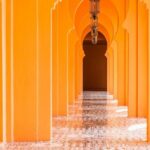
Lazama Synagogue and the Mellah lanes: more than a postcard
The Lazama Synagogue area is where the story starts to feel grounded. Even when you’re just walking nearby, you’ll get context on how Jewish life shaped local culture and architecture.
If you like details, this stop is a good one. The courtyard setting and the way the area is presented with exhibitions help you connect the dots between the buildings and the community behind them. It’s also a smart first stop because it gives your brain something organized to hold onto before you move deeper into other sights.
Then comes the neighborhood rhythm: Mellah market life with stalls that feel very practical (think meat and fruit), plus the spice market by Bab Mellah. If your group enjoys food lore, this is where you can linger a bit—especially if you’re curious about how spices are talked about and sold. You might even catch an herb-focused stop with a local herbelist vibe, where the guide can help you understand what you’re looking at.
One small realism check: the tour time here is about an hour, so the guide will likely keep things efficient. If your group wants slower pacing for photos, ask for it early so it doesn’t get squeezed later.
Salat al-azamat (Slat Al Azama): the renovation details you can actually see
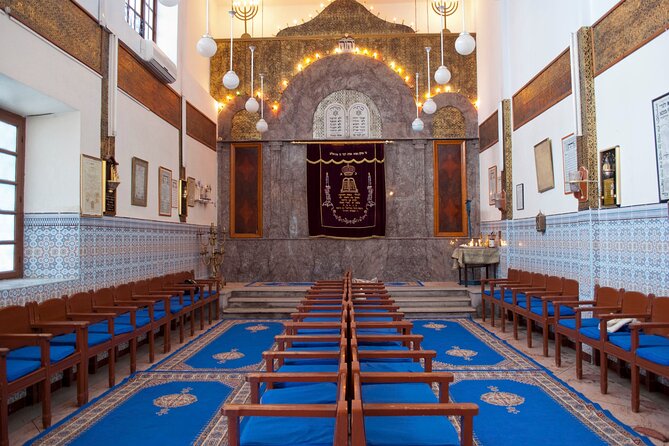
The Salat al-azamat synagogue is one of the most interesting stops on the day because it’s not just old—it’s been updated. The synagogue is located in the Mellah and was built around 1492 to serve the Jewish community.
What makes this stop memorable is the renovation story your guide shares while you’re there. You’ll hear that it has a central courtyard layout and that the architecture follows traditional Moroccan synagogue patterns. Then you’ll get the concrete changes made during recent renovation, including the addition of an ezrat nachim (a women’s gallery) to the eastern wall. Another detail you’ll learn about: the typically moveable wooden arch was replaced by a marble arch bordering the eastern wall.
That kind of information helps you look at the building in a sharper way. Instead of just admiring it, you start noticing why certain elements matter—what they were built to do, and how the community’s use changed over time.
Budget note: synagogue admission is not included. So if you’re cost-sensitive, plan for an extra fee when you’re there.
Miaara Jewish Cemetery: history in plain stones (and sometimes limited access)
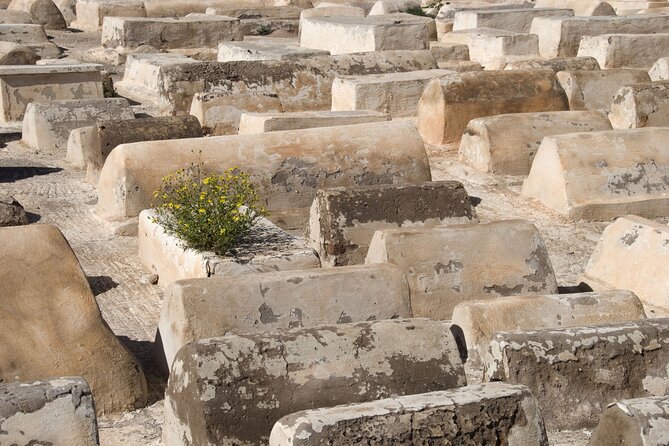
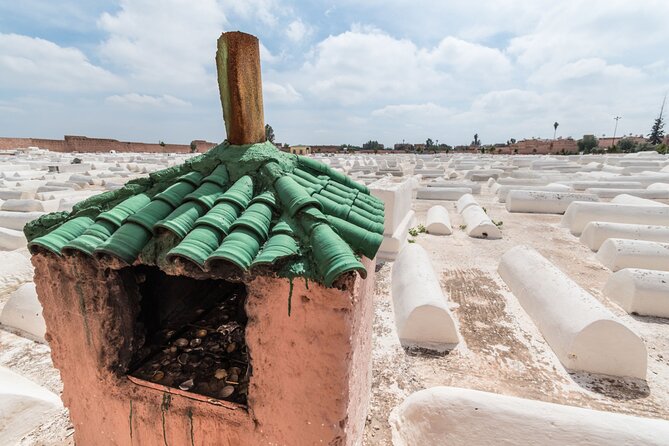
The Miaara Jewish cemetery sits in the Mellah neighborhood and carries weight because it’s old—more than 500 years. What you’re seeing isn’t a polished showpiece. You’re looking at graves with basic appearances, varying sizes, and dates stretching from several centuries to a few years.
The guide’s job here is important because the cemetery can feel like a sea of similar shapes if you don’t have the context. You’ll also learn about why you might see clusters and differences—like anonymous graves to the left that connect to epidemics and the fast burials that were needed during outbreaks.
This stop is also where you may run into the one tricky part of the day: access. In at least one case, the guide’s response to a booking issue explained that the cemetery visit couldn’t happen because of Cohen-related constraints. You should go in expecting that circumstances can affect what you’re able to see.
If the cemetery is a must for your group, mention it at the start. Ask your guide what to expect and what flexibility you have if access is limited. The good guides will be honest and help you make the best of the time you still have.
Admission is not included for the cemetery, so factor that into your planning.
Jemaa el-Fnaa and the souks: crafts, workshops, and the real “Marrakech” swirl
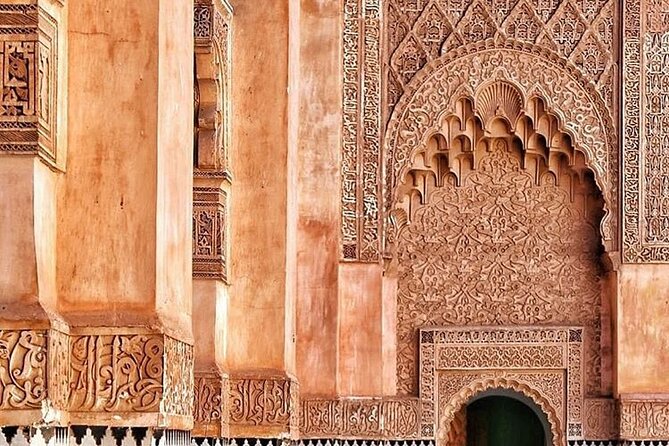
After the Mellah, you shift gears. The tour doesn’t dump you in the market and leave you to fend for yourself. It moves you into the area around Jemaa el-Fnaa and then into the souk network with an accredited guide who helps you understand what you’re seeing.
You’ll walk through different souks and get a sense of specialized workshops—things like leather, blacksmithing, and woodwork. Even if you’re not buying anything, this is one of the best ways to understand a market city. You see that it isn’t one giant bazaar—it’s a bunch of neighborhoods within the neighborhood, each with its own trades and habits.
One of the more satisfying aspects of this part is that it’s practical. The guide helps you not just notice crafts, but also spot what’s worth your attention. That means you’re less likely to get pulled into the first stall that looks good and ends up being the most generic.
Also, if you want to shop, your guide can help you aim your time. Instead of spending 30 minutes wandering and another 30 minutes feeling lost, you can focus on one or two craft areas.


Souk Semmarine: confusion with a strategy
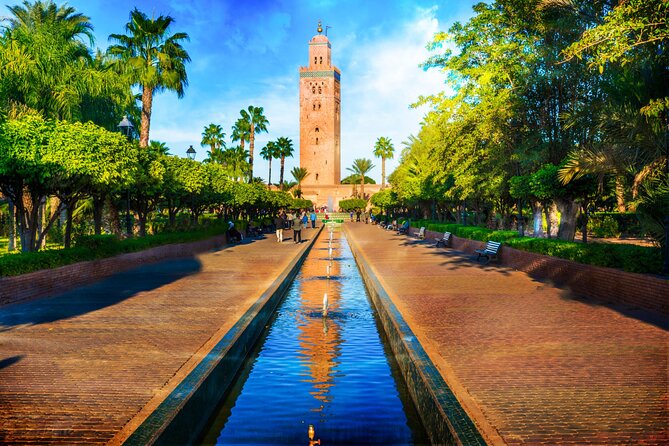
Souk Semmarine is where the tour turns into a guided shopping-and-learning walk. You’ll spend about two hours moving through the souks of Marrakech, and the guide’s role here is to help you find good quality handicraft if you want to buy.
The key word is guidance. Marrakech markets can be a lot—crowded, loud, and full of competing calls. With a guide, you’re not just walking in circles. You’re getting help navigating the confusing layouts so you can actually compare what you see.
If your group isn’t shopping, this stop still works because you can watch the workshops and learn what makes each craft different. Leather tools and working styles, metalwork, wood techniques—your guide can point out the kinds of things you’d miss if you just followed your nose.
A small heads-up: you might feel the temptation to buy something in the first hour. That’s normal. If you want to avoid impulse buys, tell your guide you plan to compare and you’ll go back only if prices and materials feel right.
Guides make the day: Chachi, Noura, Ismail, and how they shape your pace
The most praised parts of this tour aren’t only the sites. It’s the people running it.
Chachi is highlighted for being phenomenal and for taking guests through Jewish sights they might otherwise miss. Noura stands out for being very well informed and for making the experience meaningful and interesting. Ismail is noted for being kind, generous with his time, and for adding a souk tour after the heritage part.
There’s also a practical lesson here: if you have mobility issues, you’re not stuck with one rigid path. At least one tour experience was reorganized for mobility needs with time to rest during the Mellah walk. That tells you something important: the guide can adjust.
So if you need a slower pace, more breaks, or a tighter route, say it early. A private tour is only private in name if you don’t communicate your needs.
How long is enough time for a half-day like this?
This tour runs about four hours, and then your afternoon is yours. That format works well in Marrakech because you’re not committing your whole day to walking and museum time.
Here’s how I see the balance:
- Mellah and synagogue/cemetery stops give you concentrated context.
- Souks give you texture and optional shopping.
- The tour ends while you still have energy to do something else—eat well, get a hammam later, or wander at your own pace.
The trade-off is that you won’t get a full, slow-depth look at every detail. That’s normal for a half-day. If you’re the type who wants to linger in courtyards and read everything, you might want to plan your own follow-up visit to one site afterward.
Price and value: what $95 gets you in practice
The price is $95.00 per person, and it’s sold with all fees and taxes included. That matters because it reduces the surprise costs of the guiding service.
But two cost-related realities stay on your radar:
- Entrance ticket fees for the synagogue and cemetery are not included.
- Souvenirs are not included, so any shopping is on you.
So is it good value? For me, the answer depends on your group. If you’re splitting costs among a small group, paying for a private guide who connects Jewish heritage to the living geography of the souks can feel like a smart use of time. And because the tour is private, you can steer it—more crafts, more spice talk, more architecture, or more story.
If you’re traveling solo and expecting lots of monument time, you might feel the four-hour scope is tighter than you want. One review reflected frustration about price relative to what could be seen, which is a reminder: this day is about guided access and context, not only about big, numerous ticketed sights.
Who should book this tour (and who might want a different plan)
This tour fits best if you want:
- A focused introduction to Marrakech’s Jewish Quarter (Mellah) and key places like Lazama Synagogue area and the Miaara cemetery
- A guide who can explain not just what’s there, but how it fits into Moroccan life and tradition
- A guided walk into the souks where crafts like leather, blacksmithing, and woodwork are part of the experience
It’s less ideal if you:
- Want mostly indoor time
- Are hoping for a long, stop-and-stare museum pace
- Need guaranteed cemetery access no matter what
If you’re the type who likes your travel with a human voice—someone like Chachi, Noura, or Ismail—this is likely to land well.
Should you book this Marrakech Jewish Heritage and souks Tour?
Book it if you want a half-day plan that feels more personal than a general walking route. The Mellah stops make the story concrete, and the souk portion keeps the day grounded in current Marrakech life. The guides stand out for English ability, strong explanations, and willingness to adjust pacing.
Hold off or ask extra questions first if you’re sensitive to total ticket costs for the synagogue and cemetery, or if cemetery access is a make-or-break priority for your group. In that case, ask your guide directly what they expect and how they handle access limitations.
FAQ
How long is the tour?
The tour is about 4 hours, so it works well as a half-day activity with the rest of your day free.
Is this tour private, and can I customize it?
Yes. It’s private for your group, and you can customize the tour based on your group’s interests.
Are synagogue and cemetery admission tickets included?
No. The synagogue and Miaara Jewish cemetery have admission tickets that are not included.
Where does the tour start and end?
You start at Bab Agnaou, Marrakech, and the tour ends at Jemaa el-Fnaa (Jemaa El-Fna area in the city center).
What happens if the weather is bad?
This experience requires good weather. If it’s canceled due to poor weather, you’ll be offered a different date or a full refund.
Can I cancel and get a full refund?
Yes. You can cancel up to 24 hours in advance of the experience for a full refund.