REVIEW · NAGASAKI
Nagasaki Private Historical Tour with Licensed Guide
Book on Viator →Operated by MY Travel Consulting · Bookable on Viator
Nagasaki stays with you. This private historical walk threads together the city’s European-Japanese trade links and the reality of the atomic bombing, using public transportation and a licensed guide who explains what you’re seeing. I love getting context at the Atomic Bomb Museum and Peace Park, not just standing in front of facts. I also like the calm, efficient flow between sites, including tram-friendly logistics. The main drawback is that the war imagery can be emotionally heavy.
What makes it especially worthwhile is the human side of the guiding. In past tours, guides like Noriko (Norah), Ken, and Nora have been praised for friendly professionalism and story-driven explanations that connect the Dutch/Portuguese era to WWII and after. You’ll also appreciate that this is truly private, so you can ask questions without feeling rushed.
This is a full-day walking itinerary at a moderate pace, and it includes transit time in the roughly 7 hours total. You can also flag sensitivity to shocking images ahead of time, and the plan can be adjusted if needed. If rain or weather shifts, expect small itinerary changes too.
In This Review
- Key highlights at a glance
- Private historical walking tour, built for real city movement
- Price and what $350 really covers
- Logistics that keep the day from feeling like a grind
- Stop 1: Nagasaki Atomic Bomb Museum without turning away
- Stop 2: Urakami Cathedral and the brick-and-bell detail
- Stop 3: Peace Memorial Statue at Peace Park
- Stop 4: Spectacles Bridge (Meganebashi) and how it fits the day
- Stop 5: Glover Garden and the restored Meiji-era Western residences
- Stop 6 and 7: Oura Catholic Church or Mount Inasa viewpoints
- The guides make this tour: Noriko, Ken, Nora, and story-driven context
- Where emotional intensity meets practical control
- Lunch, dietary needs, and how to plan your day
- Who this tour fits best (and who might skip)
- Should you book this Nagasaki Private Historical Tour?
- FAQ
- How long is the Nagasaki private historical tour?
- Is pickup from my hotel or the port included?
- What languages does the licensed guide speak?
- Are admission tickets included?
- What if I feel sick from shocking war images at the museum?
- What changes if I choose the Mount Inasa option?
- Is lunch included, and can the tour handle dietary restrictions?
- Is this tour truly private?
- Do I need a certain fitness level?
Key highlights at a glance
- Licensed guide in English or Mandarin: you get on-the-ground explanations tied to each stop
- WWII memory with an exit plan: if the museum is too intense, your route can be changed
- Public transit included: museum and garden visits without the hassle of coordinating independently
- Architectural time travel: brick church, restored Meiji-era Western residences, and peace monuments
- Optional viewpoint ending: choose Mount Inasa, which trades off a couple of other stops
Private historical walking tour, built for real city movement
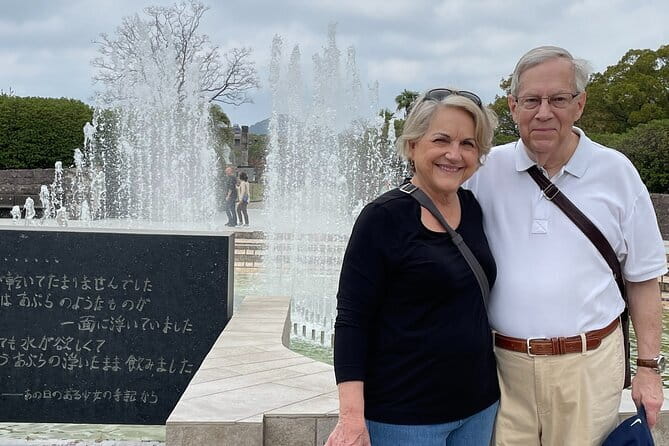
This isn’t a bus-only checklist tour. You’ll be walking through Nagasaki while using public transportation, which keeps things grounded in how the city actually works. It also means you avoid the common problem of arriving at each site, then spending your best time searching for the next connection.
That format matters in a city like Nagasaki, where distances and hills add up. Even with transit, you’ll be on your feet for much of the day, so comfortable shoes are not optional.
It’s also designed around flexibility. The itinerary can change due to weather, and you can adjust the emotional intensity by telling the guide at booking or on the day if the imagery is too shocking. That small feature makes a big difference when you’re visiting sites tied to real human suffering.
You can also read our reviews of more tours and experiences in Nagasaki.
Price and what $350 really covers
At $350 per person, this tour isn’t cheap. The value comes from what’s bundled into that price: you’re paying for a licensed guide (English or Mandarin), admission fees, the public transportation fees, and hotel or port pickup.
For a full-day, that adds up in practical ways. Admissions and transit costs quietly stack, especially when you visit multiple museums and historic sites. Here, many of those expenses are already handled, so you’re not constantly doing mental math while you’re trying to concentrate on the history.
Also, there are group discounts and a private-group setup. If you’re traveling with a friend or two, the per-person price often feels more reasonable because you’re still getting the same guide time and route planning.
One more thing: the tour is commonly booked well ahead, with an average booking window of about 108 days. If you’re traveling in peak season, booking early is smart.
Logistics that keep the day from feeling like a grind
You’re looking at 7 hours approx., and that includes travel time. That’s a good sign for anyone who likes structure, because the day is planned around moving between stops rather than lingering too long in only one area.
Pickup is offered from your hotel or the port, which helps if you’re arriving by ship or you’d rather not figure out early-morning transit. The tour also says it’s near public transportation, so you’re not crossing town to reach the starting point.
The pace is “full day,” not “light stroll.” The guidance notes a moderate physical fitness level, and past experiences described walking many steps. Plan for that reality and you’ll enjoy the day more, because you won’t be fighting your own legs at the exact moment you want to pay attention.
Stop 1: Nagasaki Atomic Bomb Museum without turning away
The tour often starts with the Nagasaki Atomic Bomb Museum for a reason. It sets the emotional and historical baseline so the rest of the city makes sense. You’ll see how Nagasaki’s cityscape changed before and after the bombing, and you’ll also encounter objects left behind after the attack.
This is the heart of the tour, and it’s understandably intense. The museum is included in the plan, and admission is part of the tour price. If you’re worried about feeling sick from the shocking images, the operator specifically allows you to change the Atomic Bomb Museum to another itinerary. That means you’re not stuck forcing yourself through something you can’t handle.
My practical advice: decide ahead of time how you’re going to cope. If you’re sensitive, tell the guide early. You’ll still get history, but you’ll have more control over the level of graphic content you face in one block.
Stop 2: Urakami Cathedral and the brick-and-bell detail
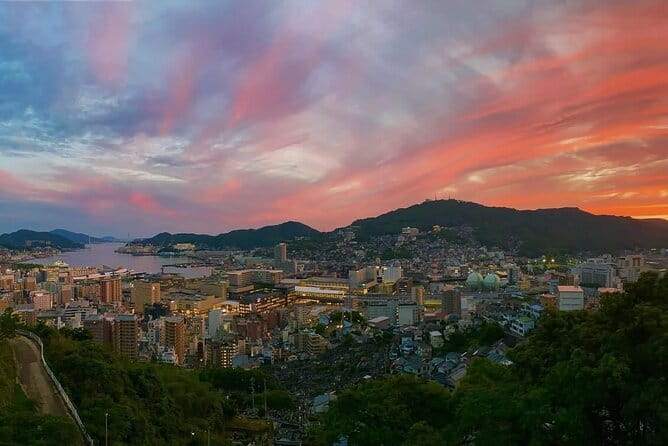
Next comes Urakami Cathedral, a beautiful brick church tied directly to the bombing story. The key point here is not just the architecture. It’s the presence of a statue of Mary and the sound of the Angelus bell, which reportedly withstood the blast.
Spending about one hour here is a smart contrast after the museum. It shifts you from documentary evidence into a place where faith, community, and survival are expressed in stone and sound. Even if you’re not religious, you can still understand the human meaning.
This stop is described as admission-free, so you’re paying mainly for the guide context and your time inside the atmosphere of the site. If you like to understand why buildings matter, this is the kind of stop that rewards attention.
Stop 3: Peace Memorial Statue at Peace Park
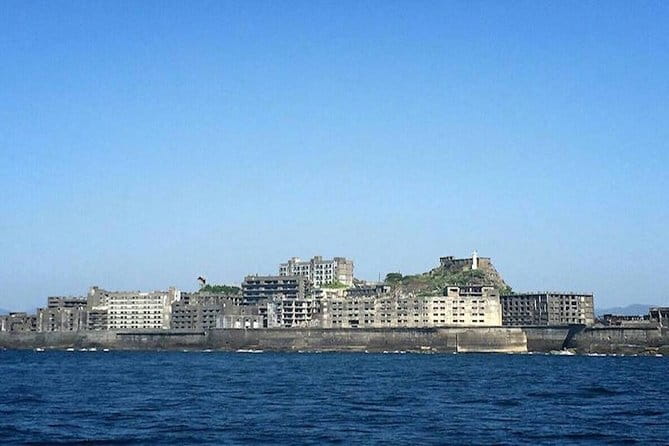
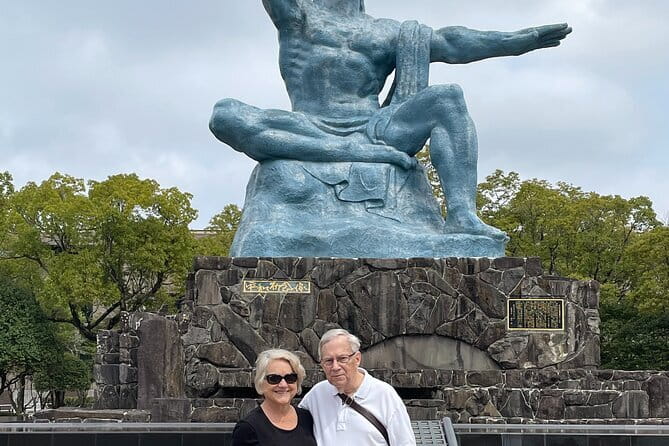
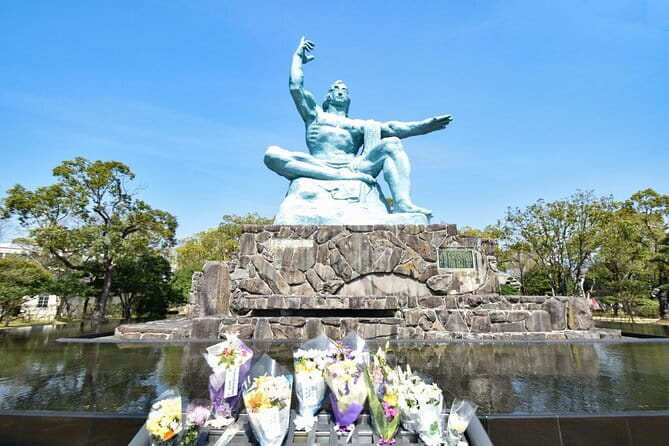
From there you’ll head to the Peace Memorial Statue in Peace Park. It’s on a small hill on the north side of the Atomic Bomb Dropping Center Park. The statue is tied to a pledge never to repeat the tragedy and a wish for lasting world peace.
This part of the tour isn’t about spectacle. It’s about intention. The guide’s job here is to help you connect what you just learned at the museum to why the city built memorial spaces the way it did. That connection is what turns a visit into understanding.
Like Urakami Cathedral, this stop is free. You get the time to reflect without additional ticket costs, and you can pause where you need to. If you tend to get emotional at memorial sites, this is one of the easiest places to slow down.
Stop 4: Spectacles Bridge (Meganebashi) and how it fits the day
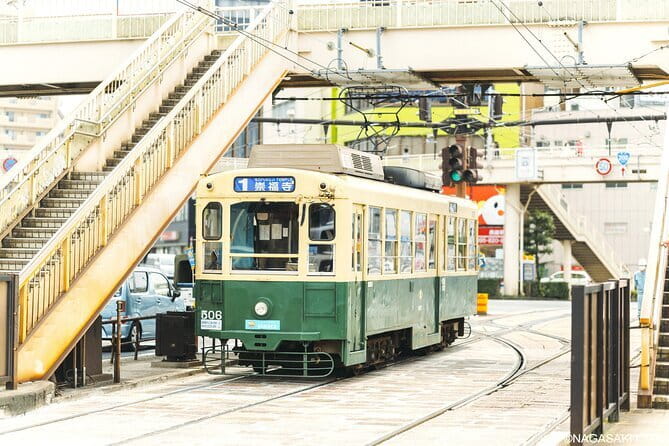
You may visit Spectacles Bridge, also known as Meganebashi. It’s a short stop, around 30 minutes, and it’s free. The itinerary notes that it’s not included if you choose the Mount Inasa option, so think of it as the light, scenic historical interlude for the standard plan.
Why it’s worth including: Nagasaki’s story isn’t only about WWII. The city’s identity also comes from European contact and trade-era patterns that shaped how waterways, streets, and neighborhoods developed. A bridge might sound small compared to a museum, but your guide can help you see the city as connected pieces rather than separate monuments.
If you’re the type who loves architecture and small landmarks, you’ll likely enjoy this.
Stop 5: Glover Garden and the restored Meiji-era Western residences
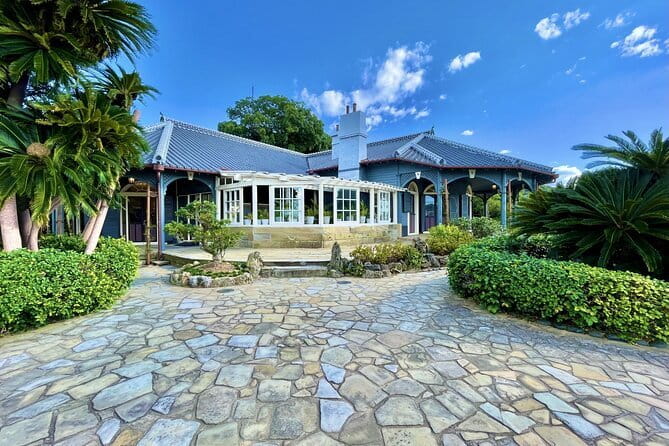
Then comes Glover Garden, one of Nagasaki’s best-known history blend zones. You’ll spend about one hour here, and admission is included.
What makes Glover Garden more than a pretty photo stop is that you’re looking at six Western-style buildings from the Meiji period, relocated and restored. The tour specifically calls out the former Glover Residence, former Ringer Residence, and former Alt Residence.
This is where Nagasaki’s European-Japanese cultural mix becomes tangible. It’s also where the guiding style really matters. A good guide can explain how these structures connect to the era when foreign traders and missionaries had a presence during Japan’s national isolation period, and how Nagasaki remained unusually connected compared to many other parts of the country.
If you want a “wow” moment that still feels educational, this is often where it lands.
Stop 6 and 7: Oura Catholic Church or Mount Inasa viewpoints
Near the end, the route can split depending on the option you choose.
If you’re on the standard plan, you may visit Oura Catholic Church for about one hour, with admission included. This stop is also noted as not included if you choose Mount Inasa, and the tour allows you to contact in advance if you want to add it.
If you choose the Mount Inasa option, you’ll instead go to the Inasayama Observation Deck (listed as part of Mount Inasa). It’s described as being 333 meters tall, with a viewpoint that’s included for the Mount Inasa participants. In this version, Spectacles Bridge and Oura Catholic Church are not included.
How to choose: If you want more church history and city landmarks, go with Oura Catholic Church. If you want the classic viewpoint payoff at the end of a long day, Mount Inasa is a good closer. Either way, you’ll finish with a sense of Nagasaki’s shape rather than ending only on memorial sites.
The guides make this tour: Noriko, Ken, Nora, and story-driven context
A walking tour like this lives or dies by the guide. And the strongest praise you’ll see is consistent: guides such as Noriko (Norah), Ken, and Nora are described as friendly, professional, and able to connect details into a clear story.
One review highlighted that the tour covered Nagasaki’s complex history from the Dutch and Portuguese presence to the atomic bombing and beyond. Another described a guide who shared good stories that kept interest up. That’s what you want from a private guide: explanations that connect dots so you don’t just memorize dates.
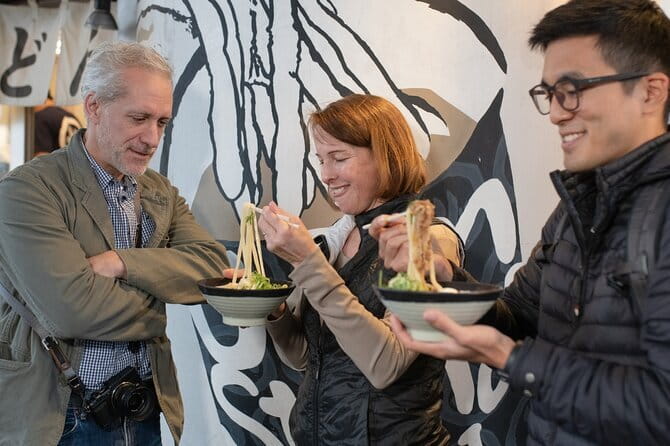
You may also appreciate the small, real-world touch of having a lunch recommendation. One of the best-rated experiences mentioned that the guide’s choice of a traditional restaurant was top notch. Lunch isn’t included, but it’s helpful when someone points you toward a place that fits the day.
Finally, the tour’s adaptability got positive notes. The Atomic Bomb Museum was called out as a particular highlight, but the overall plan was described as able to adjust. That adaptability is a quiet advantage when your emotional capacity, energy, or weather doesn’t cooperate.
Where emotional intensity meets practical control
War-related history is not a gentle topic. This tour treats it seriously, but it also gives you a way to protect your limits.
The key rule is straightforward: if you feel sick from shocking images, you can request the museum to be swapped for a less shocking itinerary. You’re asked to inform the guide at reservation or on the day. That makes it more than a vague promise. It’s a built-in way to keep your visit respectful to your own wellbeing.
My best advice is to plan for this emotionally before you arrive. If you know you’re sensitive to graphic content, say so. If you’re okay with it, still set expectations for yourself so you don’t feel blindsided by the intensity of the first stop.
And remember: the other sites like Urakami Cathedral, Peace Park, and the memorial statue aren’t optional side quests. They’re part of how Nagasaki processes history, so even if you adjust the museum portion, you’ll still be moving through the city’s story.
Lunch, dietary needs, and how to plan your day
Lunch is not included. Expect to spend about $10–$20 USD per person. That range is helpful because the tour uses its time for the major stops, not for long sit-down meals.
Dietary restrictions are accommodated. The tour notes that you can request vegetarian, vegan, gluten-free, and more when booking. That means you can keep the day comfortable without scrambling last minute.
If you’re trying to avoid long waits, I’d plan to eat promptly once you’re offered a lunch window. This tour includes a lot of time-sensitive walking and transit, so slow meals can eat into your momentum.
Who this tour fits best (and who might skip)
This tour is ideal if you want a licensed guide and you value historical context more than quick sightseeing. It’s also a strong match for first-time visitors to Nagasaki who want the city’s key WWII memory sites and major heritage areas in one coordinated day.
Choose it if:
- you want private, question-friendly pacing
- you like learning how European presence affected Nagasaki during Japan’s isolation era
- you can handle emotionally heavy history with a plan to adjust if needed
Consider skipping if:
- you know you will struggle with distressing war images and you don’t want to take advantage of the route-change option
- you dislike long walking days with steps, even with public transit
Should you book this Nagasaki Private Historical Tour?
I’d book it if you want your Nagasaki day to feel structured, meaningful, and guided by someone who can connect the city’s timelines. The strongest reason to go is the combination of licensed guidance plus admissions and transit included, which makes the day efficient and less stressful than planning each stop alone.
The other reason is control. You can flag emotional sensitivity and adjust the museum portion, and you have a choice between standard stops and the Mount Inasa viewpoint ending. That’s real flexibility for a heavy historical itinerary.
If you’re on the fence because of the price, think about what you’re paying for: not just a walk, but guided interpretation across multiple major sites with transportation and tickets handled.
If you can comfortably handle a full day of walking and you’re ready for WWII history to be front and center, this is a tour worth your time.
FAQ
How long is the Nagasaki private historical tour?
It’s about 7 hours, and that total duration includes travel time.
Is pickup from my hotel or the port included?
Yes. Hotel or port pickup is included.
What languages does the licensed guide speak?
The licensed guide is available in English and Mandarin.
Are admission tickets included?
Admission fees are included for stops that require tickets. The Atomic Bomb Museum and Glover Garden have admission included, and Oura Catholic Church also has admission included. Stops like Urakami Cathedral, the Peace Memorial Statue, and Spectacles Bridge are described as admission-free.
What if I feel sick from shocking war images at the museum?
You can inform the guide at reservation or on the day, and the Atomic Bomb Museum portion can be switched to another itinerary.
What changes if I choose the Mount Inasa option?
If you choose Mount Inasa, Spectacles Bridge (Meganebashi) and Oura Catholic Church are not included. Instead, the Inasayama Observation Deck (Mount Inasa option) is included.
Is lunch included, and can the tour handle dietary restrictions?
Lunch is not included, and you should budget around $10–$20 USD per person. Dietary restrictions such as vegetarian, vegan, and gluten-free can be accommodated if you note them at booking.
Is this tour truly private?
Yes. It’s a private tour/activity, and only your group participates.
Do I need a certain fitness level?
The tour notes a moderate physical fitness level is recommended, since it’s a walking day with many steps and time spent moving between sites.