REVIEW · GOA
Panaji: Heritage Walk through Goa’s Latin Quarter
Book on GetYourGuide →Operated by Make It Happen · Bookable on GetYourGuide
Portuguese Goa hides in plain sight. This Fontainhas heritage walk in Panjim is such a smart way to understand Goa beyond the beach: I love the mix of guided history and actual architectural details as you pass Portuguese-influenced homes and streets. I also like the ending moment when you meet a local Goan musician for live performance, turning the theme of Portuguese influence in music into something you can hear, not just read about.
One drawback to factor in: this is a group walking tour with no hotel pickup, so you’ll want to plan how you reach the meeting point and you’ll spend the whole time on your feet. It’s manageable, but it’s still walking in real city streets, so comfortable shoes matter more than you’d think.
In This Review
- Key Things I’d Prioritize on This Walk
- Fontainhas and the Portuguese-Left-Behind Look
- Where the Tour Starts: Panjim Head Post Office
- Tobacco Square to San Thome: Following the Arrival Story
- Fontainhas Lanes and Heritage Homes: What Entry Lets You See
- Confeitaria 31 de Janeiro and the Quick Bite Moment
- Chapel of San Sebastian: Photo Stops With a Purpose
- Art Galleries in Panjim Inn Area: Where Culture Shows Up
- Meeting the Goan Musician: The Finale That Makes It Click
- Ceramic Souvenir Studio Stop: Optional, but Nice
- Price and Value: Why $12 Can Be a Good Deal
- Logistics and Real-World Tips That Save Your Energy
- Who This Tour Is Best For (and Who Should Skip It)
- Should You Book the Panaji Latin Quarter Heritage Walk?
- FAQ
- Where is the meeting point for the tour?
- How long does the heritage walk take?
- What does the tour cost?
- What’s included in the price?
- Is hotel pickup and drop-off included?
- Does the tour include food and drinks?
- Are souvenirs included?
- How big is the group?
- What should I bring?
- Is the tour suitable for people with mobility impairments?
- Sources: Not provided
Key Things I’d Prioritize on This Walk
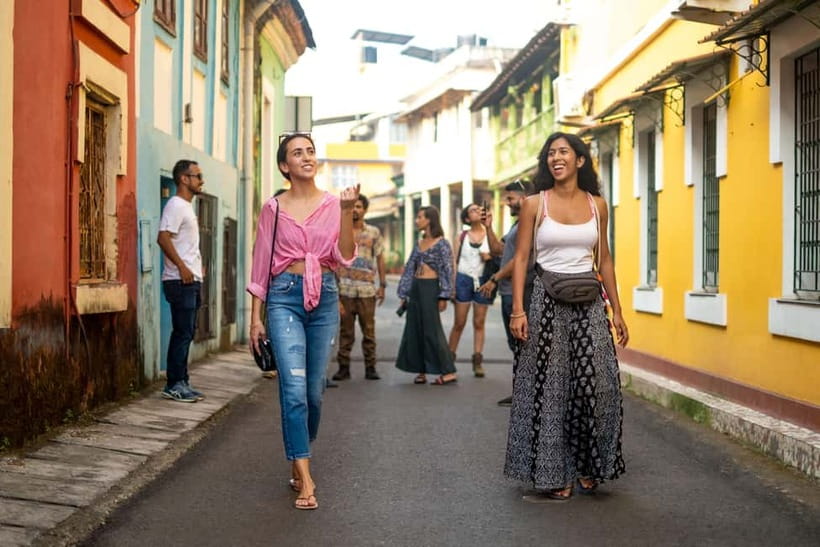
- Fontainhas Portuguese fingerprints: road names, architecture, and everyday details tied to Goa’s Portuguese era
- Heritage homes with entry included: you get inside, not just a peek from the lane
- Art stops with local and international works: gallery time in the middle of a neighborhood walk
- Bakery break in the Latin Quarter: a quick bite at Confeitaria 31 de Janeiro (31st January Bakery)
- A live Goan musician finale: a personal meeting that makes the music story feel real
Fontainhas and the Portuguese-Left-Behind Look
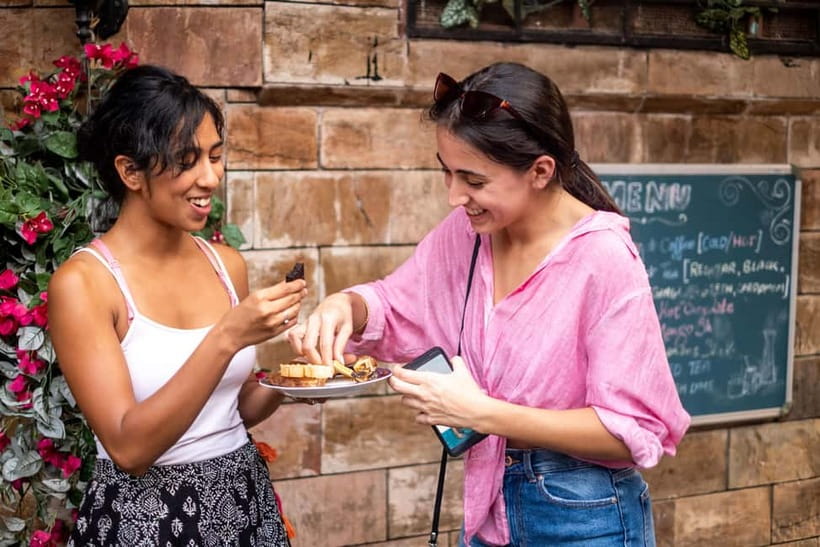
If you want Goa’s Portuguese chapter in a single neighborhood, Fontainhas is where to go. This area, Panjim’s Latin quarter, traces back to the late eighteenth century and even has a Portuguese origin for its name. Fontainhas means little fountain, linked to springs near the base of the Altinho hills.
What I like is how the influence shows up in normal life, not just plaques. You’ll see Portuguese-style architecture, and you’ll also notice the neighborhood’s road naming patterns and the way design and culture overlap. It turns Panjim into a kind of open-air lesson you can actually walk through.
The walk also helps you build a mental map fast. After 2.5 hours here, you’re not just taking photos. You understand why the place looks the way it does, and you start noticing details on your own.
You can also read our reviews of more walking tours in Goa


Where the Tour Starts: Panjim Head Post Office
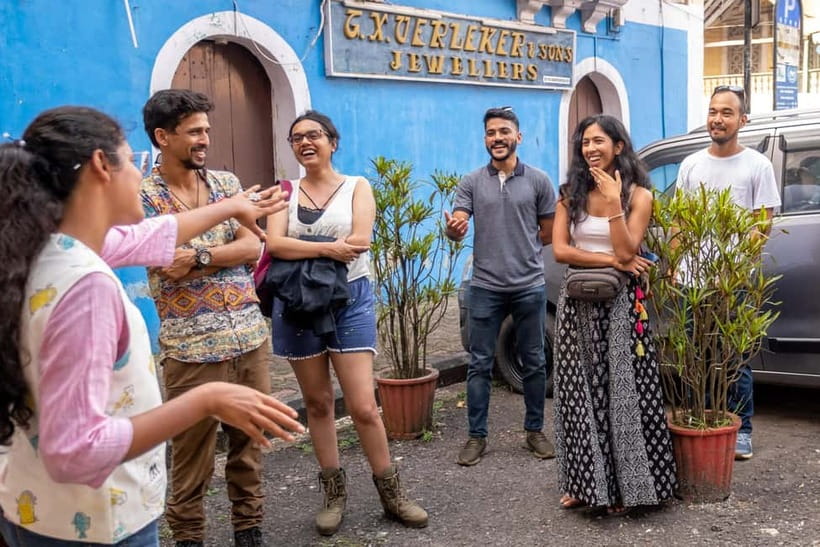
You meet at the India Post Panjim Head Post Office entrance, near the Mala district of Panjim, and a closer landmark is the São Tomé Chapel. The meeting point is helpful because it’s easy to spot and it sets you up right inside the area you’ll explore.
This is a guided route designed for wandering in the Fontainhas streets without wasting time. There are a few short guided segments mixed with walking, so the story lands in manageable chunks instead of one long lecture.
Bring cash and a reusable water bottle. Also, wear clothes and shoes you can move in for 2.5 hours. You’ll be on sidewalks and through narrow lanes, and you’ll want to stay comfortable enough to stop for photos.
Tobacco Square to San Thome: Following the Arrival Story
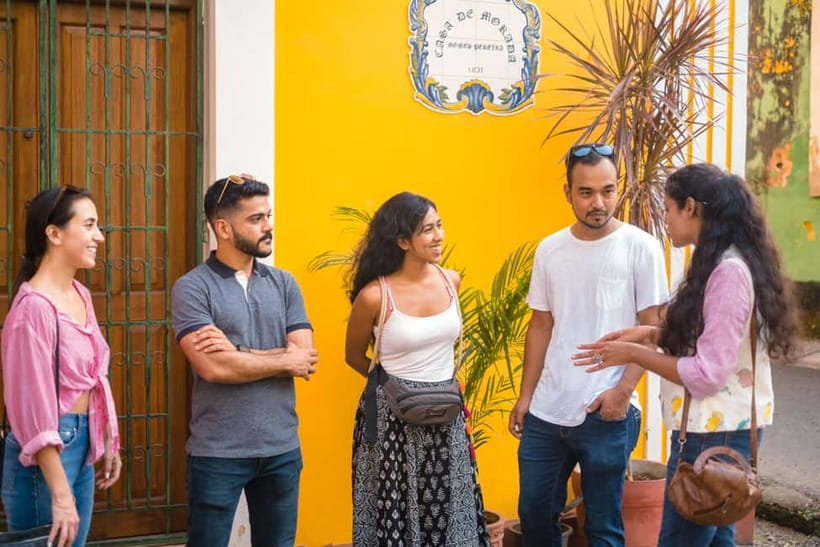
The walk begins at Tobacco Square and traces the arrival of the Portuguese in Goa. That opening matters because it gives you context before you start scanning buildings for clues. Instead of random beauty shots, you’ll be looking for meaning: how power, trade, and community life shaped the built environment.
From there, you pass by the small Church of San Thome. Even if you don’t know the details, a church stop during a Portuguese-influence walk is a quick way to see how religion and architecture traveled together. It’s the kind of place where your guide can point out small features you might otherwise miss.
One of the best parts of this section is that the guide adapts. If you’re more interested in architecture or music, you’ll likely see the story shift toward those angles while you’re still moving through the same streets.
Fontainhas Lanes and Heritage Homes: What Entry Lets You See
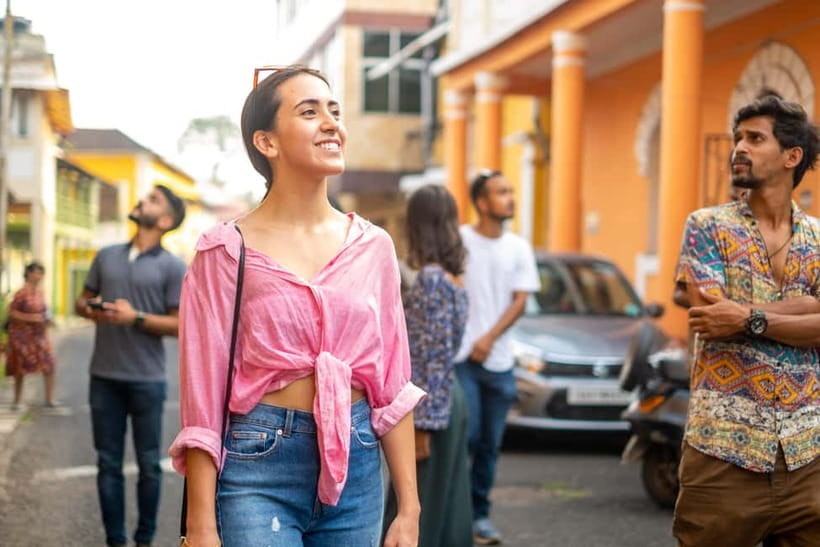
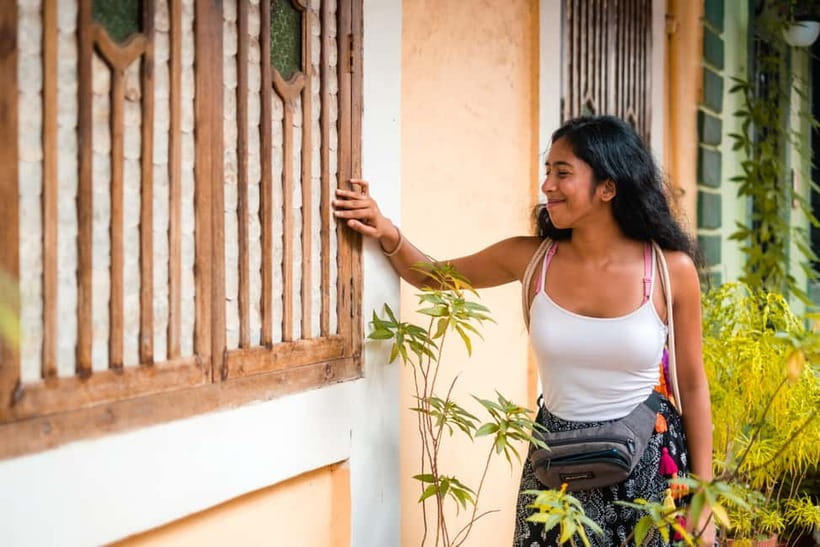
A highlight here is entry into heritage homes. Looking from outside is nice, but stepping inside changes how you understand the neighborhood. You start noticing how spaces were used, and you get a clearer sense of what “Latin quarter” really meant in everyday life, not just on postcards.
This neighborhood has a distinctive layout, with winding lanes and colorful façades that make the area feel like it was designed for strolling. The walk is planned so you get stretches to wander at your own pace, then guided pointers to sharpen what you’re seeing.
Fontainhas is also compact enough that it stays lively without turning exhausting. Several people note a relaxed pace and not too much rushing, which makes a difference if you’re visiting during warm hours.
Confeitaria 31 de Janeiro and the Quick Bite Moment
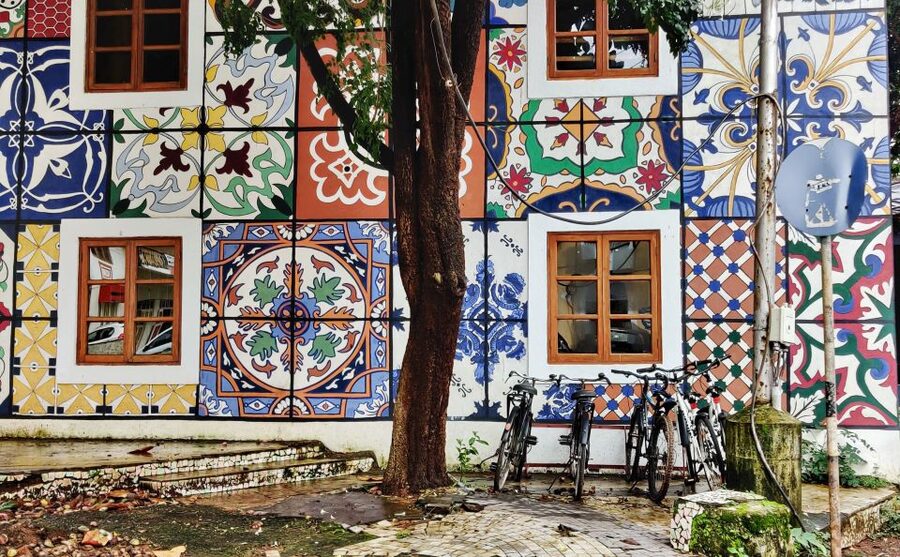
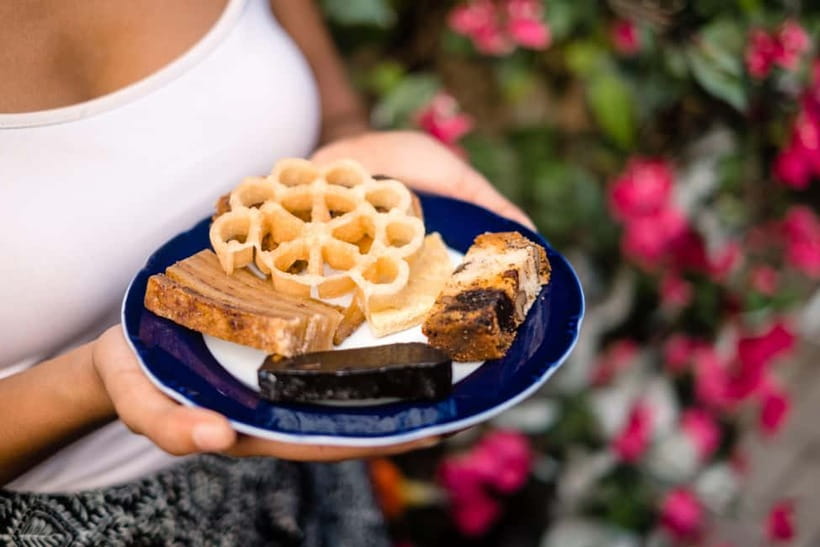
You’ll stop at the 31st January Bakery, often associated with Confeitaria 31 de Janeiro in Fontainhas. This is one of those breaks that makes the tour feel like part of local life rather than a museum walk.
Do plan for personal spending. The tour includes a guide, heritage home entry, and a meeting with a Goan musician, but additional food and drinks aren’t listed as included. In practice, you may get a chance to sample something, but you should still have cash ready in case you want to eat or buy extras.
I love bakery stops on tours like this because they connect culture to taste. Portuguese influence in Goa isn’t only in buildings; you can taste it in pastries and flavors that became local favorites.
You can also read our reviews of more historical tours in Goa





Chapel of San Sebastian: Photo Stops With a Purpose
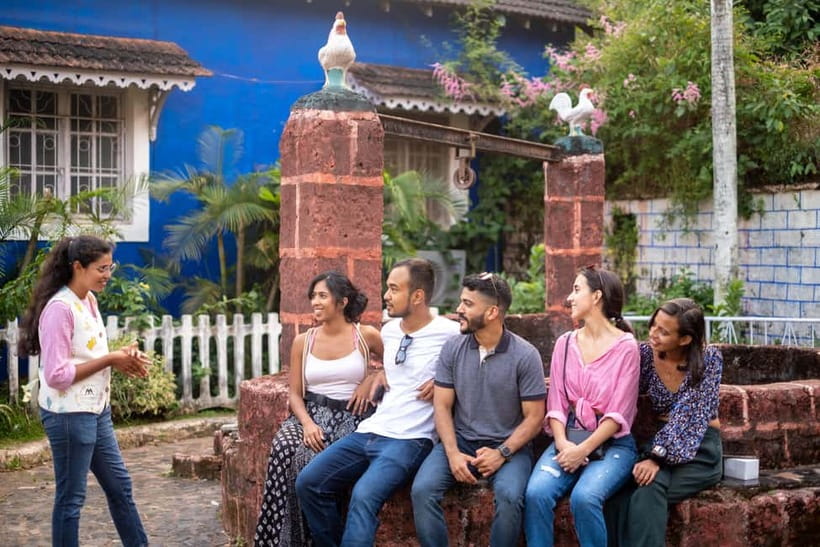
As you keep walking, you reach the Chapel of San Sebastian, and it’s a great spot for photos against the colorful neighborhood backdrop. The key here is that the photo moment comes after you’ve already learned what to look for, so the chapel isn’t just pretty. It becomes part of the story about community and Portuguese-era presence.
Your guide will likely time these stops so you don’t feel herded. If you like taking photos, wear shoes you can pivot in quickly, and keep your phone ready for short pauses through the lanes.
Art Galleries in Panjim Inn Area: Where Culture Shows Up
Mid-walk, you explore interesting buildings around Panjim Inn, Fundacao Orient, and Galerie Gitanjali. This is where the experience broadens from architecture into art, and it fits the theme really well.
You’ll see works by local and international artists at the gallery stop. Even if art isn’t your main travel obsession, this adds value because it shows how Goa’s Portuguese-era layer didn’t just shape streets and churches. It also influenced creative life and the way art is collected, shared, and displayed.
This part is also helpful for pacing. You’ve walked through open lanes and heritage-style visuals, then you shift to indoor viewing. That small change in setting makes the tour feel varied instead of repetitive.
Meeting the Goan Musician: The Finale That Makes It Click
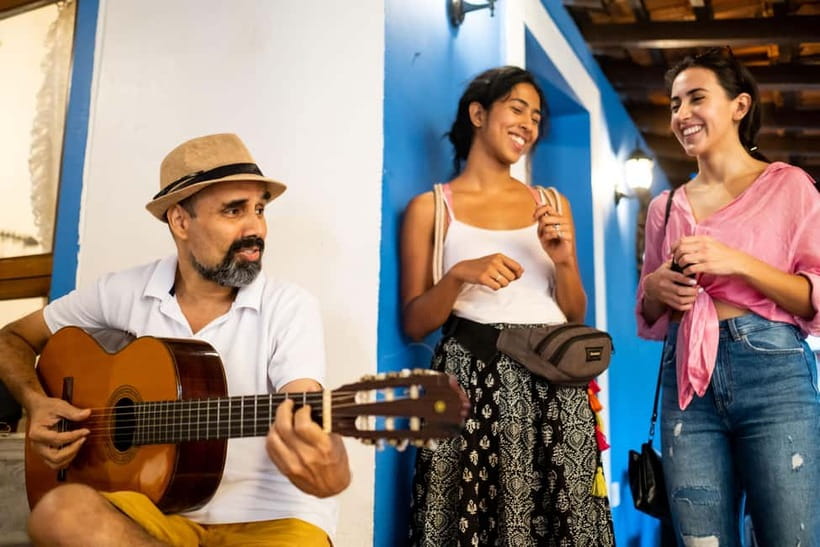
The last big emotional payoff is meeting a famous Goan musician and hearing live music. This is the moment where the Portuguese influence on Goan music stops being abstract and becomes audible.
In past departures, guides have brought this music segment as a surprise or a true highlight. People also mention that the meeting feels personal, not like a quick performance-and-out. That matters because you’re not just consuming the show; you’re learning the context your guide gives before and after the performance.
If you’re the type who wants to understand a place through sound, this is worth your attention. And if you’re not usually a music person, it still helps because it ties back to the Portuguese cultural thread you’ve been following all along.
Ceramic Souvenir Studio Stop: Optional, but Nice
Before returning to the meeting point, you can stop by a studio that makes handcrafted ceramic souvenirs. This is not part of the included price, and souvenirs are not included, so treat it as an optional browse-and-buy moment.
I like that it’s offered at the end rather than early. By then, you’ve learned the neighborhood’s vibe, so if you do buy something, it feels connected to the walk instead of random shopping.
Price and Value: Why $12 Can Be a Good Deal
At around $12 per person for about 2.5 hours, this walk is priced like a smart local cultural add-on. You’re paying for a guided English-speaking experience, heritage home entry, and a meeting with a Goan musician. If you tried to recreate all of that on your own, you’d likely spend more on time, small admissions, and missed context.
Where value depends on you is food and souvenirs. Extra snacks and drinks are not included, and souvenirs aren’t included. So if you plan to snack heavily or buy ceramics, budget extra. If you’re comfortable with a light bite and just having cash for small purchases, the base price still feels fair.
Also consider timing. One departure at 4:30pm was recommended because it ended just in time for dinner, and a morning option was noted as a way to avoid crowds in the small lanes. If you’re deciding when to go, cooler hours can improve the whole experience.
Logistics and Real-World Tips That Save Your Energy
This is a group tour, capped at a maximum group size of 20. Some departures can feel smaller in practice, which makes questions easier and keeps the pace calmer.
If you’re sensitive to heat, pick a cooler time slot and bring a reusable bottle. If you’re traveling with a camera, remember the lanes are narrow, so you’ll sometimes need to step aside for others to pass.
Not included: additional food and drinks, insurance, and souvenirs. Also, there’s no hotel pickup and drop-off, so plan to get yourself to the India Post Panjim Head Post Office meeting point.
And a heads-up on comfort: it’s not suitable for people with mobility impairments due to the walking nature of the route.
Who This Tour Is Best For (and Who Should Skip It)
This one fits best if you want culture you can walk through. If you like Portuguese architecture, street-level history, art viewing, or you want to hear Goan music in a real local setting, you’ll likely enjoy this tour a lot.
It’s also a great first-or-second day activity in Panjim because it teaches you where things are and what to look for. If you’re the type who hates vague photo walks, this gives you structure.
Skip it if you need barrier-free mobility or if you’d rather spend your time relaxing rather than walking for 2.5 hours.
Should You Book the Panaji Latin Quarter Heritage Walk?
I’d book it if you want an honest, grounded taste of Panjim’s Portuguese Latin quarter side. The combination of Fontainhas walking, heritage home entry, art gallery viewing, and a live Goan musician meeting creates a full cultural arc in a short time.
If you’re on a tighter budget, just plan for extra snacks and souvenirs on your own. If you’re careful with timing and bring good shoes, this tour is a practical way to see Panjim as more than a stopover.
FAQ
Where is the meeting point for the tour?
You meet the guide at the entrance of the Panjim Head Post Office (India Post Panjim Head Post Office). The São Tomé Chapel is a closer landmark.
How long does the heritage walk take?
The tour duration is 2.5 hours.
What does the tour cost?
The price is listed as $12 per person.
What’s included in the price?
Included are an English-speaking local guide, entry into heritage homes, and a meeting with a Goan musician.
Is hotel pickup and drop-off included?
No. Hotel pickup and drop-off are not included.
Does the tour include food and drinks?
Additional food and drinks are not included. The route includes a bakery stop for a quick bite, but plan to pay for any snacks you want.
Are souvenirs included?
Souvenirs are not included. There is also an optional stop at a ceramics studio before the tour returns.
How big is the group?
This is a group tour with a maximum group size of 20 people.
What should I bring?
Bring comfortable shoes, comfortable clothes, cash, and a reusable water bottle.
Is the tour suitable for people with mobility impairments?
No. The tour is not suitable for people with mobility impairments.