REVIEW · NAGASAKI
Nagasaki WW2 History and Culture Tour
Book on Viator →Operated by Shannon Lefebvre · Bookable on Viator
Nagasaki hits hard, then lifts you back up. This small-group WWII history and culture tour is led by Shannon Lefebvre, and it’s built around key sites plus the quiet places that explain how the city functioned before and after catastrophe. What I like most is the practical pacing: you’re not just bouncing between famous stops; you get context.
I also like the comfort pieces that make a long day easier: pickup in the area, a private air-conditioned vehicle, still and sparkling water all day, and a Japanese lunch that works as either a picnic or something quick on the go. On top of that, the tour includes tickets for the Atomic Bomb Museum and the Inasayama Observation Deck, so you don’t lose time or energy to lines or extra planning.
One thing to consider is emotional load. The Atomic Bomb Museum is described as extremely graphic, and this is a day where you should expect heavy material alongside shrines, bridges, ceramics, and sake.
In This Review
- Key things to know before you go
- Nagasaki at a Human Pace: How This WWII Day Actually Works
- Price and value: What $656.88 covers for up to 3 people
- Getting around smoothly: Pickup, private transport, and keeping fatigue low
- Sohonzan Shrine and Saikai Bridge: A strong start before the heavier parts
- WWII communication and shelter sites: Hario radio towers, Mukyudo, and torpedo-base ruins
- Hasami ceramics and Umegae sake: Nagasaki’s culture beyond WWII
- Nagasaki Peace Park and the Atomic Bomb Museum: How to prep emotionally
- Inasayama Observation Deck: A short time window and smart expectations
- Lunch, drinks, and what to do with the long 7–9 hour day
- Who should book this Nagasaki WW2 history and culture tour?
- My honest decision guide: should you book?
- FAQ
- What’s the duration of the Nagasaki WW2 History and Culture Tour?
- Is pickup available?
- Are admission tickets included for the Atomic Bomb Museum and Inasayama Observation Deck?
- What food and drinks are included during the tour?
- Is the lunch a picnic or a sit-down meal?
- Is this a private tour?
- What’s the group size for the pricing?
- What comfort items are included on the vehicle?
- What happens if the tour is canceled due to poor weather?
- Should you book the Nagasaki WW2 History and Culture Tour?
Key things to know before you go
- Atomic Bomb Museum entry included (and it’s intentionally heavy)
- Inasayama Observation Deck admission included (short stop, plan your timing)
- Drinks all day: still and sparkling water plus alcohol and nonalcohol options at set times
- A full Nagasaki mix: WWII sites plus Japanese crafts like Hasami ceramics and Umegae sake
- Private transport + WiFi to keep a long 7–9 hour day comfortable
- Several stops are free on the schedule, so your big paid entries are the two included highlights
Nagasaki at a Human Pace: How This WWII Day Actually Works
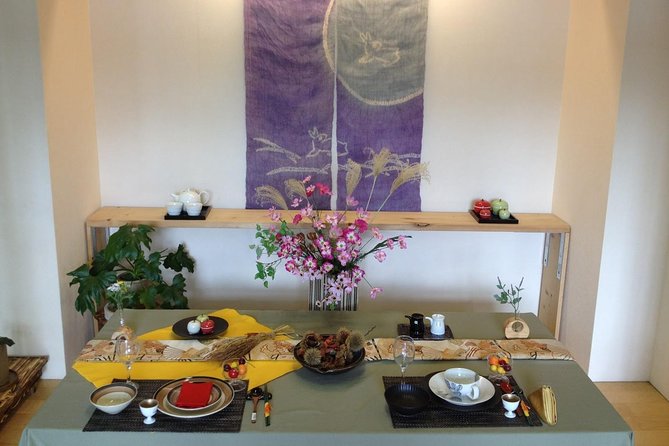
A WWII history tour can easily become a checklist. This one feels more like a guided day through neighborhoods and meaning—because the stops are varied in purpose. You start with a shrine setting the tone, then move through bridges and communication-related WWII sites, then into shelters and ruins, and finally land at the Peace Park and Atomic Bomb Museum.
You get a small group experience with private transportation. That matters in Nagasaki because the day involves both short scenic breaks and more serious indoor time. You’re not stuck trying to figure out transit on your own, and you’re not rushing between places with no buffer.
You’ll also appreciate the way drinks and lunch are handled. Water is included from the start, not as an afterthought. That sounds minor until you remember you’re covering multiple stops in a single day, including outdoor viewpoints and waterfront areas.
Price and value: What $656.88 covers for up to 3 people
The price is $656.88 per group (up to 3). So the real question is value per person, not value as a headline number. If you travel with two others, the cost can be quite reasonable compared with piecing together separate museum tickets, transport, and a guide.
You’re also not just paying for commentary. The tour includes:
- private transportation in an air-conditioned vehicle
- pickup offered
- bottled still and sparkling water throughout the day
- WiFi on board
- alcoholic and nonalcoholic beverages at certain times
- a Japanese lunch (either picnic style or on the go)
- admission included for the Atomic Bomb Museum and the Inasayama Observation Deck
That combination is what makes the math work. A day like this adds up fast if you’re doing it independently: transport, entry fees, and the time cost of getting from one historically important spot to another.
Getting around smoothly: Pickup, private transport, and keeping fatigue low
The tour is designed around a long day, roughly 7 to 9 hours, and that’s exactly why the logistics are handled for you. Pickup offered means you don’t start the day wrestling with where to meet or how to get to the first stop. A private car with air conditioning helps a lot when you’re doing multiple outdoor stops between periods of walking.
Two practical wins I’d take seriously:
- WiFi on board is useful for mapping, translation, and quick confirmations.
- Still and sparkling water all day gives you a simple rule: drink steadily rather than remembering later.
Also, you’ll get a mobile ticket. That matters because it reduces friction at admissions, especially for the two ticketed stops that are included.
Sohonzan Shrine and Saikai Bridge: A strong start before the heavier parts
The first stop is Sohonzan Shrine. The standout detail is the huge torii gate (a big Shinto entrance gate) that signals right away this is not just a quick photo stop. I like when a tour starts with a place that helps you understand local sacred space before it starts discussing modern history.
Then you go toward Saikai Bridge, where the focus becomes the water and geography. Hario Straits is described as one of Japan’s three fastest-flowing currents, and the area is known for whirlpools shaped by tide changes between Omura Bay and the narrow strait. That’s not just scenery. It’s a way to understand how Nagasaki’s setting mattered for movement, danger, and daily life.
Tip for your day: arrive mentally ready for a mix of tones. You’re going from shrine atmosphere to waterfront natural forces, which keeps the brain from getting overloaded too early.
WWII communication and shelter sites: Hario radio towers, Mukyudo, and torpedo-base ruins
This tour’s WWII portion isn’t only museums. It includes multiple sites that connect to the way operations were planned and the way civilians were protected.
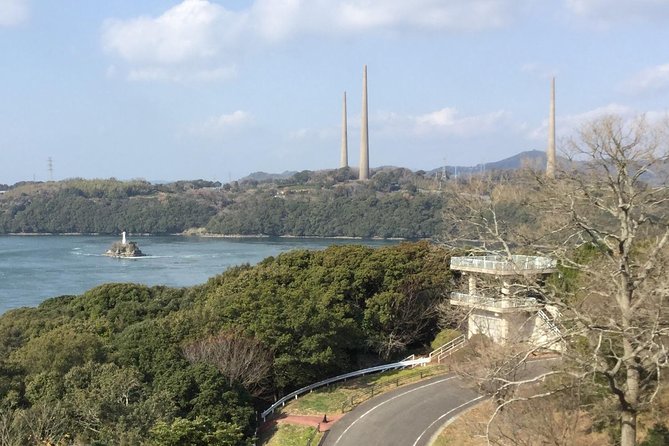
One major stop is the Hario Transmission Towers area, tied to WWII communication. The site is described as the starting point for messages sent by officials connected to proceeding with an attack. It’s a reminder that war isn’t only planes and ships; it’s also signals, timing, and systems.
Next you see Mukyudo, an air-raid shelter tied to a former Miyamura Elementary and Junior High School. The detail that makes it distinctive is the shelter’s gender-separate design for male and female students during WWII. That kind of structural history helps you picture daily life under threat, not just the headline events.
Then you visit Katashima Torpedo Base Ruin. This one is described as a massive empty structure used for training facilities. A ruin can feel like a letdown if you expect a polished exhibit, but empty space can also be powerful because it forces you to slow down and imagine the scale.
Practical consideration: you’ll spend relatively short chunks at each stop (often around 20–30 minutes). That’s fine if your guide is keeping context tight. The best use of that time is to ask yourself one question at each stop: how did this place function during the war, and how does that show up now?
Hasami ceramics and Umegae sake: Nagasaki’s culture beyond WWII
Not every day in Nagasaki should be about trauma. This tour balances serious sites with craft culture, including Hasami Ceramics and Umegae Sake Brewery.
Hasami Ceramics Festival is built around the Hasami Ceramics Museum area. Hasami porcelain is a key Nagasaki-region identity, and you’ll see Japanese ceramics with a specific focus on Hasami porcelain. For a lot of people, this is where you get a physical memory you can bring home, especially if you’re the kind of traveler who likes usable souvenirs rather than only photos.
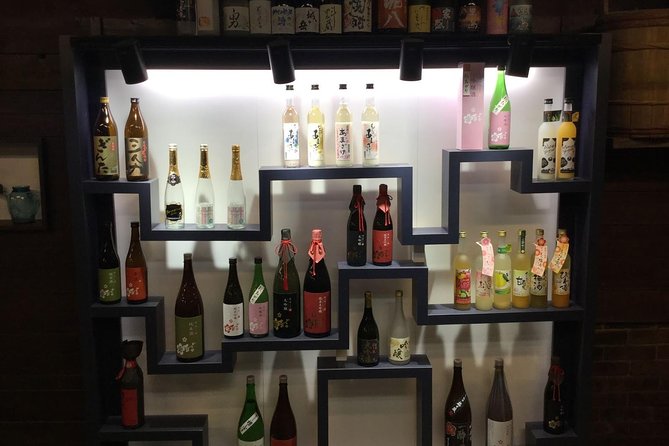
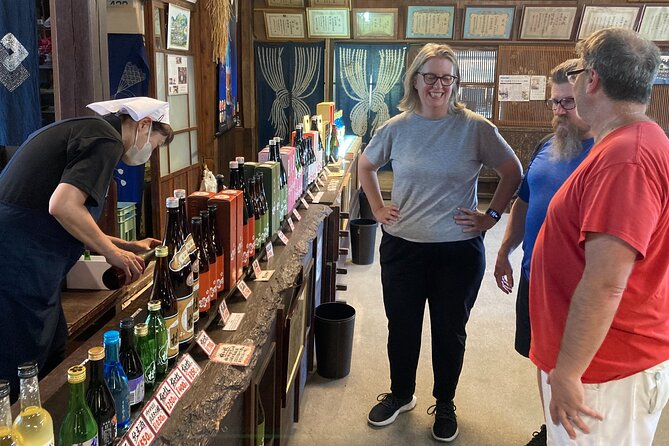
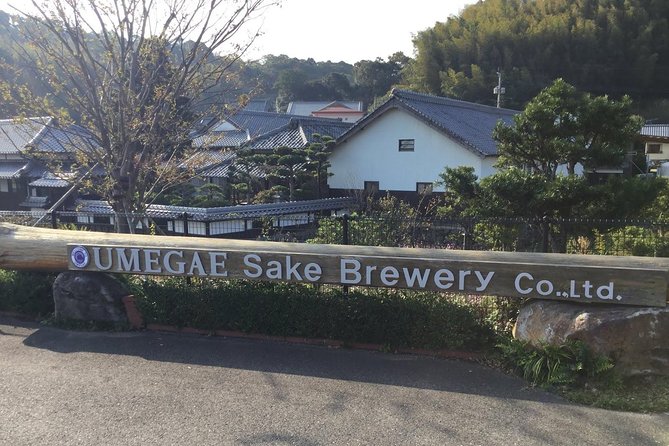
Umegae Sake Brewery is another stop where the tone shifts. It’s described as a place that makes an immediate impression, which is exactly what I’d want in the middle of a heavy day. Sake is cultural shorthand for craftsmanship, local ingredients, and community life.
If you’re thinking about shopping: this tour’s schedule includes a few culture stops, but time is still limited at each. Decide in advance what you’re hunting for—ceramic pieces, small decor items, or sake-related souvenirs—so you don’t end up wandering without a target.
Nagasaki Peace Park and the Atomic Bomb Museum: How to prep emotionally
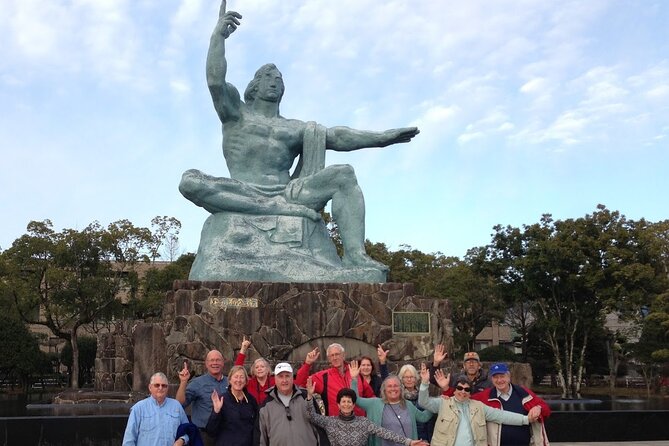
Nagasaki Peace Park is presented as peaceful today, a place to stroll and reflect. That’s important because it gives you a transition space right before the Atomic Bomb Museum. You get a moment to lower your pace, not just rush from outdoors into exhibits.
Then you arrive at the Nagasaki Atomic Bomb Museum. Expect it to be sobering and not for the faint hearted. The description notes that exhibits, stories, and pictures are extremely graphic, and that visitors may find themselves visibly emotional.
Here’s how I recommend you prepare without overthinking it:
- Give yourself permission to go slowly inside the museum.
- If you’re prone to overwhelm, take short breaks in the exhibit areas rather than pushing through everything in one go.
- Bring a plan for what you want to learn: the human stories, the timeline of events, and the aftermath are usually where the museum hits hardest.
This stop is the core reason many people book. It’s also the stop where your comfort level matters most.
Inasayama Observation Deck: A short time window and smart expectations
Inasayama Observation Deck (Mount Inasa nightview area) is included with admission. The schedule gives you about 20 minutes there, which means you’re not meant to linger for a long stretch.
In practice, that makes timing your priority:
- If you’re aiming for daylight views, treat the stop like a quick scenic reset.
- If you’re aiming for night views, accept that the visit may feel more compressed than you expect.
I’d also consider a simple strategy: decide what matters most to you—city glow, lighting, or the best visibility—and show up ready for that, rather than trying to get both perfectly.
Because weather can affect visibility, keep an eye on the sky earlier in the day. This is one of those tours where conditions can shape your final impressions.
Lunch, drinks, and what to do with the long 7–9 hour day
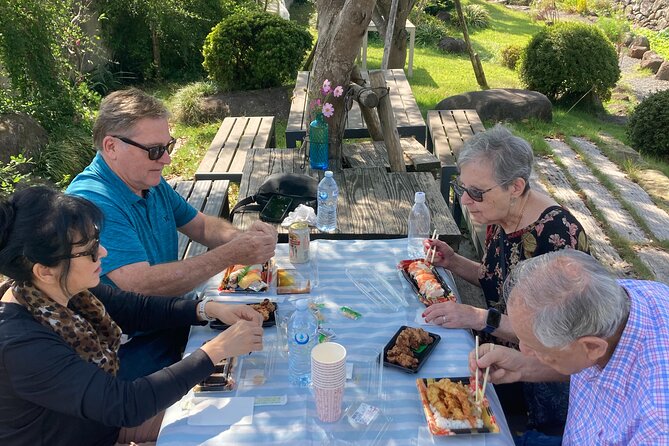
Lunch is included and described as Japanese. It can be on the go or as a sit-down picnic depending on weather and time constraints. I like that the tour doesn’t promise one fixed style because Nagasaki weather can change the plan.
You’ll also be offered beverages throughout the day:
- still and sparkling water are provided all day
- alcoholic and nonalcoholic drinks are available at certain times
For me, that’s a practical bonus. After you’ve spent time with serious WWII material, having food and a beverage handled for you helps you keep moving without waiting around.
Photo and pacing tip: since each stop is relatively short, don’t treat every photo like it’s for Instagram. Use the camera to capture the story elements your guide explains—like the shrine gate scale, the transmission tower context, or the structure of the shelter/ruin.
And if it rains: build flexibility into your mindset. Some places are easier in bad weather than others, and the tour is set up to keep the day moving.
Who should book this Nagasaki WW2 history and culture tour?
This tour is a good fit if you want:
- WWII history in Nagasaki that includes communication, shelters, and ruins—not only one museum
- a guide who brings context to Japanese customs and the history of how Nagasaki changed
- a day that balances heavy topics with culture stops like ceramics and sake
It’s especially well suited to people who value structure. If you like knowing where you’re going next, having transport handled, and getting admission problems solved in advance, this format is built for you.
My honest decision guide: should you book?
If you’re planning your first serious Nagasaki history day and you want maximum value with minimal logistics stress, I’d book it. The inclusion of admissions for the Atomic Bomb Museum and Inasayama Observation Deck, plus transportation and lunch, is a strong package for a 7–9 hour day.
I’d think twice only if you know graphic WWII museum content will hit too hard for you. If that’s your situation, consider pairing a lighter plan with other Nagasaki sights. But if you can handle the emotional weight and you want a guided, thoughtfully paced day that also shows Nagasaki’s craft side, this is the kind of tour that makes the city make sense.
FAQ
What’s the duration of the Nagasaki WW2 History and Culture Tour?
It runs about 7 to 9 hours.
Is pickup available?
Yes, pickup is offered.
Are admission tickets included for the Atomic Bomb Museum and Inasayama Observation Deck?
Yes. Admission to both the Atomic Bomb Museum and the Inasayama Observation Deck is included.
What food and drinks are included during the tour?
A Japanese lunch is provided, and still and sparkling bottled water are available throughout the day. Alcoholic and nonalcoholic beverages are also provided at certain times.
Is the lunch a picnic or a sit-down meal?
It depends on weather and time constraints, and it can be on the go or a sit-down picnic.
Is this a private tour?
Yes. It’s private, and only your group participates.
What’s the group size for the pricing?
The price is per group up to 3 people.
What comfort items are included on the vehicle?
You get an air-conditioned vehicle and WiFi on board, plus still and sparkling water.
What happens if the tour is canceled due to poor weather?
If it’s canceled due to poor weather, you’ll be offered a different date or a full refund. The experience is non-refundable if you cancel for other reasons.
Should you book the Nagasaki WW2 History and Culture Tour?
Yes, if you want a tightly organized, small-group day that covers Nagasaki’s WWII-connected places and also gives you ceramics, sake culture, and a smoother-than-self-planning schedule. Just be sure you’re ready for the Atomic Bomb Museum’s graphic content, since that’s the emotional center of the day.