REVIEW · NEWPORT
Newport Walking Food And History Tour
Book on Viator →Operated by Newport Foodies Stroll · Bookable on Viator
Newport gets more fun when you eat while you learn. This 2.5–3 hour small-group walk pairs 300+ years of Aquidneck Island history with real local food stops in the Thames Street and harbor area. I love how the route hits both famous landmarks and the quieter corners you would skip on your own, and I also like that the experience is paced for an easy 1.5-mile stroll.
The big payoff is food: you’ll hit five food and drink tastings plus lunch and drinks along the way, not just a few tiny bites. The main consideration is simple: you’re on your feet outdoors for much of the tour, so plan for comfortable walking shoes and a steady pace.
In This Review
- Key highlights at a glance
- Why this Newport walking food-and-history tour feels like a smart half-day
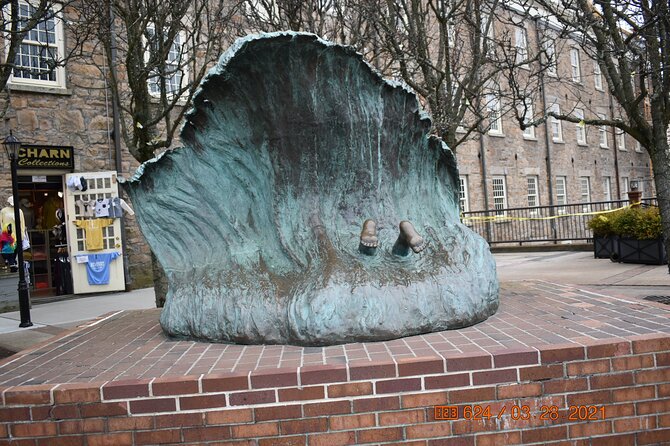
- Getting started: The Wave meeting point and a quick orientation before you snack
- Stop 1 and 2: Armory roots and the ship-and-technology future
- Stop 3: Brown and Howard Wharf, where the harbor’s energy still shows
- Stop 4: Wally’s smash burger stop—when the tour turns into lunch
- Stop 5 and 6: Waite’s Wharf and the Irish immigrant story behind Fort Adams
- Stop 7: Knot Norm’s mahi mahi taco with pineapple salsa and a side salad
- Stop 8: The Elms Mansion gardens and the Gilded Age behind the gates
- Stop 9: IYRS and why Newport keeps building skills
- Stop 10: Vieste’s homemade Italian appetizers
- Stop 11: Samuel Whitehorne House, built in the early republic
- Stop 12: Cold Fusion gelato (or Ben & Jerry’s, depending on availability)
- Ending in the right place: O’Brien’s Pub for a natural post-tour hang
- Food, drinks, and what’s actually included for $123
- Who this tour suits best (and who might want a different plan)
- Tips so you enjoy every bite (even if your schedule is tight)
- Should you book Newport Walking Food And History Tour?
- FAQ
- How long is the Newport Walking Food And History Tour?
- How far do you walk during the tour?
- What is the group size?
- What food and drinks are included?
- Do I need to worry about dietary restrictions?
- Where do we meet the guide?
- Where does the tour end?
- What language is the tour offered in?
- Is there an age limit for alcohol?
- Is the price inclusive of parking and gratuity?
Key highlights at a glance

- 10 people max keeps it personal and easy to ask questions while you walk
- Five tastings + lunch means this is a meal plan, not a snack sampler
- Three story layers: harbor trade, Irish immigrant history, and Gilded Age Newport
- Stops you might miss without a guide, like the Elms gardens and the Samuel Whitehorne House area
- Coffee/tea and bottled water are included, so you’re not stuck paying for every pause
- History woven into your route from The Wave area to O’Brien’s Pub at the finish
Why this Newport walking food-and-history tour feels like a smart half-day
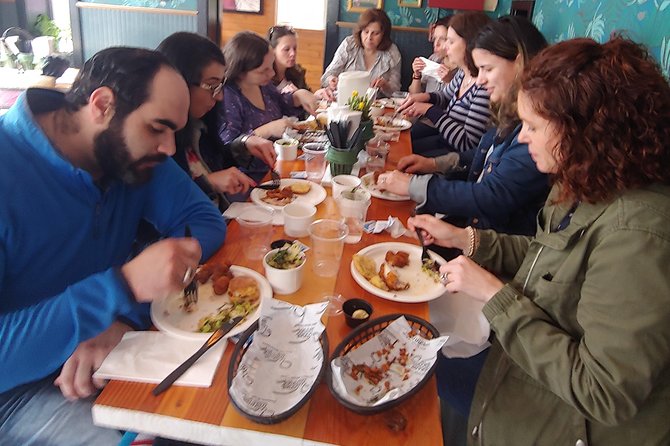
Newport in warm weather can be great for wandering. But if you want your time to count, this tour works because it gives you a walking plan and a reason to care about what you’re seeing.
You’ll cover about 1.5 miles (2.4 km) at a friendly pace over roughly 2 hours 30 minutes to 3 hours. That makes it a solid choice for your first day, or for when you want a structured afternoon without committing to a whole-day driving itinerary.
And unlike tours that treat history like background noise, this one ties the stories to the exact spots you pass: wharves, Irish immigrant institutions, and landmarks from the harbor’s working days through the wealth of later eras. The result is that you’re not just eating—you’re learning how Newport became Newport.
The group size stays small, with a maximum of 10 travelers, and you’ll hear from the local guide in a conversational way. In my experience, that matters. With fewer people, the guide can adjust on the fly—whether that’s slowing down for a question or pointing out details you might otherwise miss.
Getting started: The Wave meeting point and a quick orientation before you snack
You meet near The Wave sculpture, at the corner of America’s Cup Blvd and Memorial Blvd. The official start point is listed as near Surf Club, 337 Thames St, and either way, you’re stepping right into the heart of downtown Newport—close to the sights you’ll be walking through.
Before the food portion really begins, you get a short orientation that sets the tone. The tour starts with a brief history of the 41 North area and the Armory, then the guide takes you into the more off-the-beaten-path side of the city.
This early setup is practical. It helps you understand what you’re about to see, so later stops land with more meaning. It also makes the walk feel less like random restaurant-hopping and more like a themed route through Newport’s waterfront and backstreets.
Stop 1 and 2: Armory roots and the ship-and-technology future
The tour’s first history stop brings you to the Armory, built in 1894 for the militia. The story doesn’t end in the past. The Armory’s later role ties into Newport’s long relationship with boats, training, and maritime culture—so even if you’re not a sailing expert, you’ll leave with a clearer picture of why the harbor matters.
Why I like this kind of opener: it gives you context for everything that follows. Newport isn’t just grand houses and glossy yacht photos. It’s also institutions, labor, and community infrastructure.
From there, the route quickly pivots toward the harbor side of town. Expect viewpoints that connect the present-day marina vibe to older work-and-trade Newport.
Stop 3: Brown and Howard Wharf, where the harbor’s energy still shows
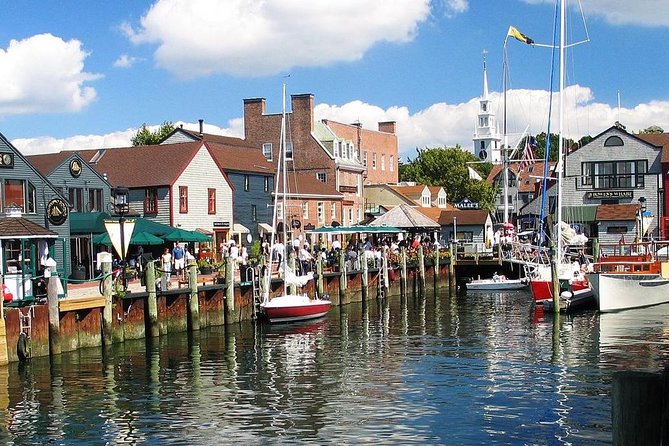
At Brown and Howard Wharf, you’ll get the sense of how long the waterfront has been doing its job. This harbor dates back to the 1800s and remains a popular port for luxury yachts today.
The guide’s job here is to help you read the scene. You look at the moorings and waterfront activity, but you also get the backstory of what those spaces meant when the harbor was a key gateway for goods, travel, and local wealth.
Even if you’ve driven past the waterfront before, hearing the historical framing makes the whole area feel less like scenery and more like a working timeline.
Stop 4: Wally’s smash burger stop—when the tour turns into lunch
Then you get your first real food moment: Wally’s for a smash burger. This is a good placement in the itinerary because it breaks up the early history blocks with something you’ll actually look forward to.
A smash burger also sets expectations well. It’s filling, it’s straightforward, and it’s the kind of classic stop that helps you taste Newport without overthinking it. If you’re hungry when you start the tour, this is the moment that makes the afternoon feel like a win.
Stop 5 and 6: Waite’s Wharf and the Irish immigrant story behind Fort Adams
Next comes Waite’s Wharf, where you get a view connected to Fort Adams. Fort Adams was built between 1837 and 1854, and Irish immigrants played a major role in its construction.
Then the tour moves to the Ancient Order of Hibernians. This building was created as a protective agency for Irish immigrants, chartered in 1876.
These two stops pair well because they show a bigger pattern: not just a single military project, but the people who supported community life in Newport. You’ll get more than dates here. You’ll learn why these institutions mattered, and how immigrant communities helped shape the city’s identity.
Why this section is worth your attention: Newport’s famous layers can make it easy to treat the waterfront and the grand buildings as separate stories. Here, they’re linked through the work of real communities.
Stop 7: Knot Norm’s mahi mahi taco with pineapple salsa and a side salad
Now the route gets even more food-forward with Knot Norm’s, where you’ll enjoy a mahi mahi taco with pineapple salsa and a side salad of apples, beets, and field greens.
This tasting is a nice change from the burger stop. It adds something lighter and more colorful, plus the pineapple salsa brings the kind of sweet-tang combo that works well if you’re planning to keep eating after the tour.
It also helps you understand what the tour is doing: you’re not getting one repetitive flavor profile. You’re getting a spread that feels like Newport’s food scene in miniature.
Stop 8: The Elms Mansion gardens and the Gilded Age behind the gates
The tour heads to The Elms Mansion, built in 1901 by Edward Berwin. The visit focuses on the gardens behind the mansion, and you’ll talk about the Gilded Age—when wealth, status, and big-gesture architecture reshaped Newport.
If you’ve only ever seen the Elms from the outside, this stop helps you connect the look of the place to the story of how Newport’s wealth formed. The gardens give you a softer setting than the house itself, and the guide’s commentary keeps it from turning into a photo stop.
Possible drawback here: if you’re also planning a separate mansion visit on the same day, this stop can overlap in timing. Your best move is to either keep your sightseeing smooth or pair this tour with something else farther away in theme.
Stop 9: IYRS and why Newport keeps building skills
A shorter stop at International Yacht Restoration School (IYRS) follows. The tour notes it as the only accredited school of its type in the country.
Why I like this stop: it reminds you that Newport isn’t only about owning boats or appreciating architecture. It’s also about training—turning old skills into practical careers. That theme fits naturally after the Armory, the wharves, and the waterfront history.
Even if you’re not into restoration details, the mere existence of an accredited school like this in Newport tells you a lot about how the city protects and maintains what it values.
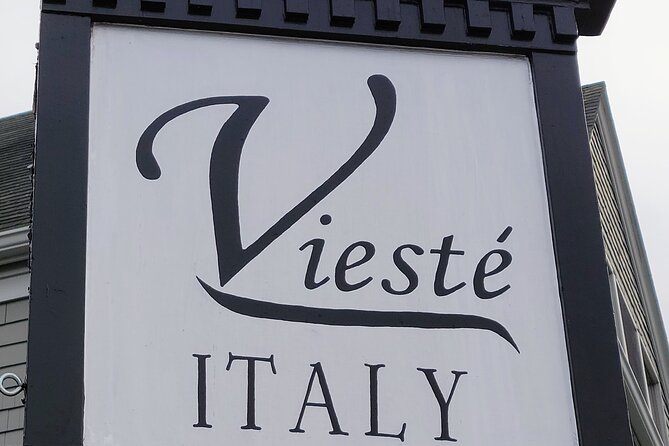
Stop 10: Vieste’s homemade Italian appetizers
You’ll get another food stop at Vieste’s, with a sampling of homemade Italian appetizers.
This is a helpful contrast to the taco and burger tastings. Appetizers tend to give you a few flavor angles in one sitting, so you can remember the place by variety, not just by one dish.
This is also where the tour starts to feel like a real meal plan. You’re no longer waiting for the next bite—you’re enjoying a sequence.
Stop 11: Samuel Whitehorne House, built in the early republic
Next is the Samuel Whitehorne House, described as the most historic home in Newport. It was built in 1811 after the Revolution.
This stop is a quiet shift from food and big-era stories back to the earliest layers of Newport’s identity in the post-Revolution period. If you like history that’s tied to specific people and specific dates, this one lands.
Practical tip: keep an eye out for what the guide points to. Old houses are easy to photograph incorrectly. You’ll get more out of your time if you let the guide steer your attention to the details they’re explaining.
Stop 12: Cold Fusion gelato (or Ben & Jerry’s, depending on availability)
Finally, you end with dessert at Cold Fusion, where you can choose among 18 varieties of gelato or sorbet. If Cold Fusion isn’t available due to circumstances, the tour notes that you’ll get Ben & Jerry’s instead, depending on availability.
This ending is smart. After hours of walking and multiple tastings, gelato or sorbet feels like a reward that’s not overly heavy. It also works for groups with different preferences because you’ll have multiple options rather than one forced choice.
Ending in the right place: O’Brien’s Pub for a natural post-tour hang
The tour ends at O’Brien’s Pub on Thames Street, which is listed as only a few blocks down from the main start area.
Finishing at a pub makes sense for two reasons: you’re already in the center of downtown, and it’s the kind of place where people naturally want to decompress after a walking tour.
If you’re going to keep exploring after you eat, this is a good launch point. You won’t feel stranded on the edge of town.
Food, drinks, and what’s actually included for $123
At $123 per person, this tour isn’t a budget snack crawl. But it can feel like good value because it includes a lot more than a few samples.
Here’s what you get as part of the package:
- Local guide and a small-group walking tour
- Food and beverages at multiple stops
- Lunch
- Bottled water plus coffee and/or tea
- Alcoholic beverages are included, with a minimum drinking age of 21
That inclusion list matters. Many food tours advertise tastings but don’t include full lunch or drinks. Here, lunch is explicitly included, and water/coffee or tea are built into the experience.
My value read: if you were trying to assemble this day on your own—guided stories, timed meals at several places, and drinks—it would cost you time and likely cost more in total. The guide also helps you choose what to order, which saves decision fatigue.
Two add-ons to budget for:
- The listed price does does not include a parking fee, which is paid at check-in.
- Gratuity isn’t included.
Also, the tour is non-refundable and can’t be changed once booked. That doesn’t mean it’s risky—it just means you should book when your plans are stable.
Who this tour suits best (and who might want a different plan)
I think this is ideal if you want:
- A half-day plan that mixes stories with real food
- A walk that’s active but not intense, at about 1.5 miles
- A guide with a track record of making history feel fun, not like a lecture
It’s also a great fit for first-time Newport visitors. The tour covers big landmarks like the wharves and the Elms area, but it spends time in the supporting cast: the Armory, Irish immigrant history, the restoration-school angle, and older homes like the Samuel Whitehorne House.
If you already have a heavy day of mansion tickets and indoor museum stops, you’ll want to watch timing. The tour includes a mansion-related stop, so you don’t want to double-book overlapping experiences.
And if you’re planning to drink alcohol, remember the 21+ minimum rule applies.
Tips so you enjoy every bite (even if your schedule is tight)
These are small things, but they make a noticeable difference on tour day:
- Wear comfortable walking shoes. The distance is short on paper, but you’re moving for most of the tour.
- Bring an appetite. With lunch plus multiple tastings, you’ll likely be full by the end.
- Share dietary needs ahead of time. The tour asks you to advise food allergies and gluten sensitivities during checkout, so you’re not stuck figuring it out last minute.
- If you need to plan around alcohol, you can still do the tour and enjoy the included non-alcoholic options; just remember the legal requirement for alcoholic beverages.
- Arrive a few minutes early at the meeting point near The Wave sculpture so you don’t feel rushed when the group checks in.
Should you book Newport Walking Food And History Tour?
Book it if you want a real way to understand Newport’s story while eating your way through it. For the money, you’re getting a full structured afternoon: small-group pacing, multiple food stops, lunch, and guided context that helps you connect the harbor, Irish immigrant history, and the Gilded Age to the places you see.
Skip (or compare options) if you strongly prefer either history only or food only, or if you hate walking and standing even for a couple hours. This tour is built around movement, so it works best when you’re ready for that.
If you’re visiting Newport and want a smart first taste of the city beyond just the main postcard highlights, this is one of the easiest choices to justify.
FAQ
How long is the Newport Walking Food And History Tour?
It runs about 2 hours 30 minutes to 3 hours.
How far do you walk during the tour?
You walk about 1.5 miles (2.4 kilometers).
What is the group size?
The tour has a maximum of 10 travelers.
What food and drinks are included?
Food and beverages are included, along with lunch, bottled water, and coffee and/or tea. Alcoholic beverages are also included for those who meet the minimum age.
Do I need to worry about dietary restrictions?
Yes—when you book, you should advise food allergies and gluten sensitivities in the Special Instructions box.
Where do we meet the guide?
You meet at The Wave sculpture area (near America’s Cup Blvd and Memorial Blvd). The start is also listed near Surf Club at 337 Thames St.
Where does the tour end?
The tour ends at O’Brien’s Pub at 501 Thames St.
What language is the tour offered in?
The tour is offered in English.
Is there an age limit for alcohol?
Yes. The minimum drinking age is 21 years.
Is the price inclusive of parking and gratuity?
No. The price does not include a parking fee (paid at check-in) and does not include gratuity.

![Departing from Takayama [Regular sightseeing bus] World Heritage Sites Shirakawago and Gokayama Ainokura - Riding From Takayama: Comfortable Bus, Real Planning Help](https://l.historytourer.com/wp-content/uploads/departing-from-takayama-regular-sightseeing-bus-world-heritage-sites-shirakawago-and-gokayama-ainokura-400x267.jpg)