REVIEW · NUREMBERG
Nuremberg: Private History Tour with a Local
Book on GetYourGuide →Operated by LocalBini AG (EU) · Bookable on GetYourGuide
Nuremberg feels like a story you can walk through. This private history tour gives you an exclusive, small-group experience led by an independent local, with a route built around Imperial Castle and the city’s big turning points. I like that the guide (often praised examples include Hermann and Stefan) takes a calm, unhurried approach, so history lands instead of rushing by.
What I really like is the way you connect landmarks to real meaning. You’ll start at the Tugendbrunnen fountain meeting point and then work your way through key places such as St. Lawrence Church and the Imperial Castle, with explanations that tie the past to the look and feel of today’s Nuremberg. One possible drawback: it’s a walking-focused tour, and it’s not suitable for people with mobility impairments.
In This Review
- Key highlights to look for on this Nuremberg tour
- Meeting at Tugendbrunnen: how you start smart
- St. Lawrence Church: a landmark you’ll understand, not just see
- Imperial Castle of Nuremberg: why this fortress defines the city
- Nuremberg Trials: how the past keeps shaping the present
- Personalised itinerary and unhurried guiding style
- Price and value: is $150 per person worth it?
- Practical tips so you enjoy the walk (not fight it)
- Who should book this private history tour in Nuremberg?
- Should you book this Nuremberg private history tour?
- FAQ
- Where does the tour meet?
- How long is the private history tour?
- What language is the live guide?
- Is this tour private or shared?
- Which major landmarks are included?
- What’s included in the price?
- What is not included?
- What should I bring?
- Is the tour suitable for everyone?
- Can I cancel for a refund?
Key highlights to look for on this Nuremberg tour
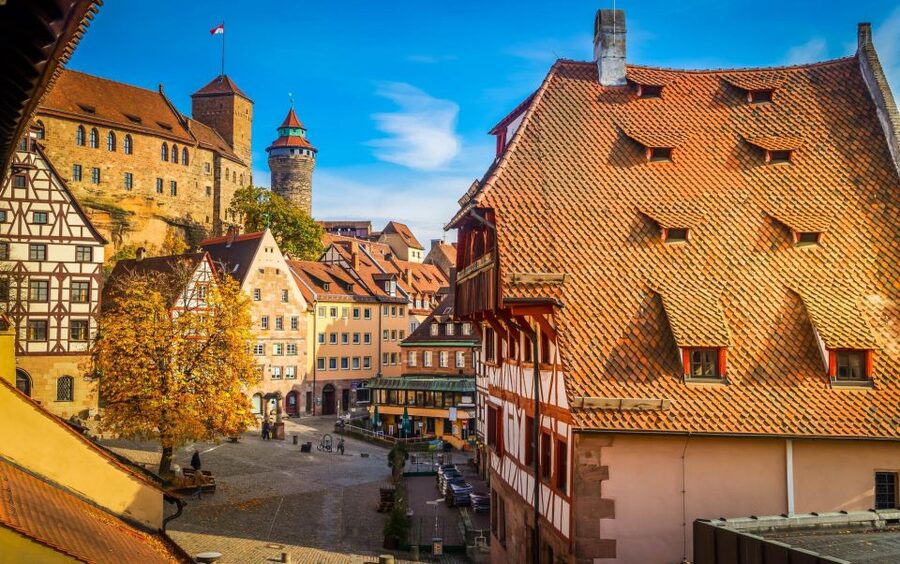
- Private, group-only time with a local host who can shape the pace and focus
- St. Lawrence Church as a landmark stop with context, not just a photo op
- Imperial Castle of Nuremberg as the anchor for how the city’s history developed
- Nuremberg Trials impact on present-day architecture, culture, and even the East Franconian German dialect
- Tailored recommendations for what to do next in the city based on your interests
Meeting at Tugendbrunnen: how you start smart
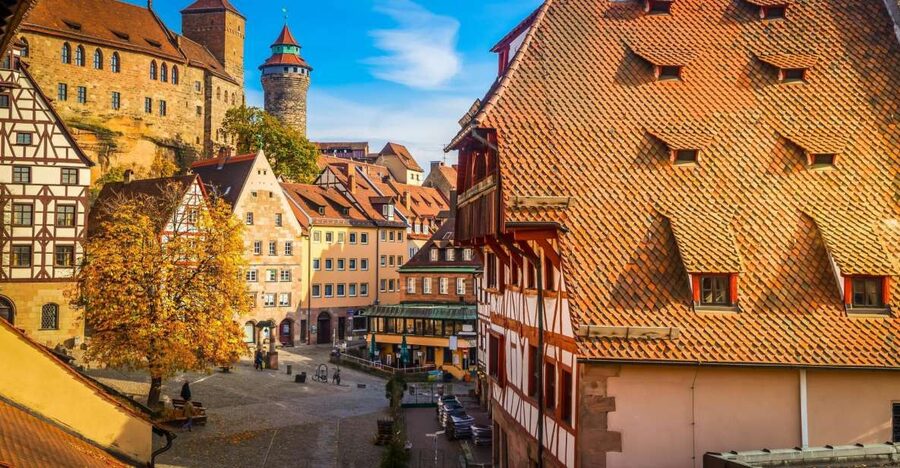
The tour starts at the fountain Tugendbrunnen, which is a handy way to begin because you’re not trying to find a hidden courtyard or a random street corner. Once you’re together, your local guide sets the tone fast: this isn’t a checklist tour, it’s a guided walk where the route can flex to match your interests and walking pace.
That flexibility matters more than it sounds. In a place like Nuremberg, the difference between getting the basics and getting meaning is often just time—time to ask a question, time to slow down for a view, time to connect one landmark to another. The tour is designed around exactly that kind of movement, with stops that can shift depending on weather.
Bring comfortable shoes and a bottle of water, because you’ll be on your feet for a 2 to 3 hour experience. Also, keep your phone charged: it’s useful for maps, photos, and quick reference when you’re comparing what the guide describes with what you see in front of you.
You can also read our reviews of more tours and experiences in Nuremberg.
St. Lawrence Church: a landmark you’ll understand, not just see
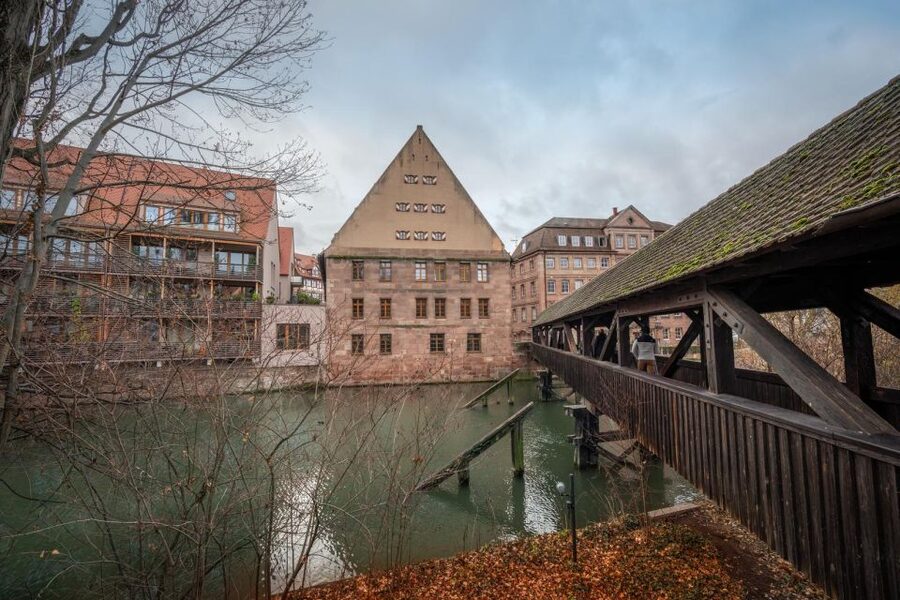
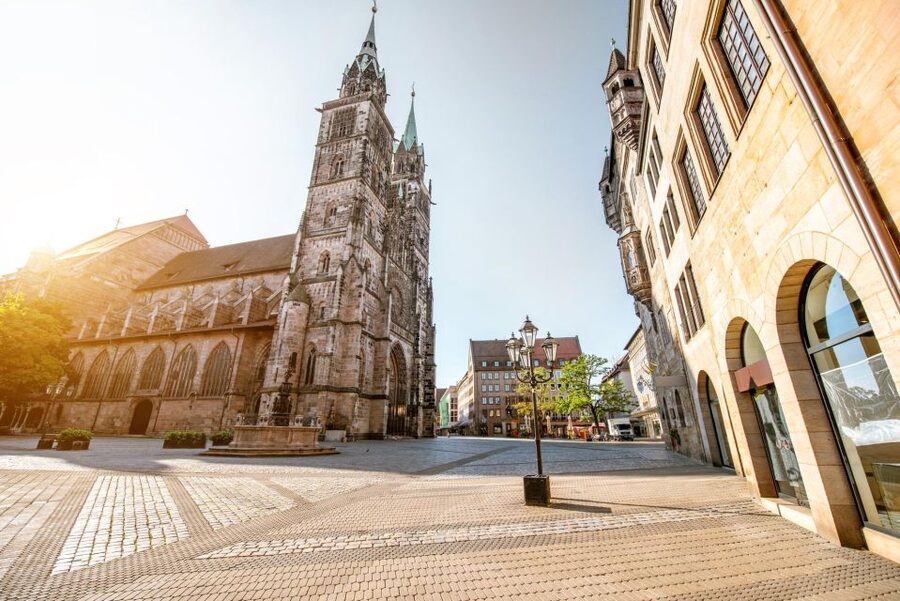
St. Lawrence Church is one of the tour’s named anchors, and it’s a great choice because churches in old German cities are never only religious buildings. They’re community landmarks—places where power, tradition, and everyday life have overlapped for generations.
Here’s the advantage of having a local host: you don’t just walk up, glance, and move on. You’ll learn what makes the church important within Nuremberg’s broader story, and you’ll likely hear connections that help you read the city visually. Instead of treating details as decoration, you start seeing them as clues.
One practical thing to know: you’ll be walking, so you’ll want to keep your eyes up as well as forward. At stops like this, the best moments are often when the guide explains something and you look around and realize the building sits in a bigger historical setting—street alignments, nearby structures, and the way the old town pattern still influences what you notice today.
If you love architecture, urban history, or simply want to understand why a place looks the way it does, this church stop is usually where the tour clicks for people.
Imperial Castle of Nuremberg: why this fortress defines the city
The Imperial Castle is the other major headline stop, and it’s the kind of place where your brain goes quiet for a second—big walls, strong shape, and that unmistakable sense of history. On this tour, the castle isn’t presented as a generic fortress. It’s treated as a key reason Nuremberg’s history developed the way it did.
That framing changes your experience. When you understand how Imperial power connected to the city, you start noticing how Nuremberg organized itself around authority and defense. You also start to grasp why the castle matters beyond its own walls—because it influenced the city’s identity, its development, and how people understood Nuremberg’s role in wider German history.
In a private tour, you get a small edge: you can ask your own follow-up questions at the moment they make sense. Maybe you’re curious about how the castle’s presence affected daily life, or you want to compare the castle’s role to other historic power centers in Europe. A local host can tailor those answers to your curiosity level.
A heads-up on logistics: the walking time between major stops can shift a bit with weather, so keep your schedule loose. The core idea stays the same—Imperial Castle first as a story center, then as a visual landmark you can read.
Nuremberg Trials: how the past keeps shaping the present
The most distinctive part of this tour is the way it treats the Nuremberg Trials as more than a chapter in a history book. You’ll learn how the Trials shaped and influenced present architecture, culture, and even the East Franconian German dialect to this day.
That’s a big promise, and it’s also the reason the tour feels different from a standard old-town walk. Instead of only talking about dates and outcomes, your guide connects the Trials to the living city—how memory shows up, how culture changes, and how language keeps local identity alive even after major world events.
Think of it like this: buildings and streets don’t just sit there. They absorb meaning over time. A local guide helps you spot those layers and understand why certain parts of the city feel like they carry weight. If you’re interested in modern history, politics, law, or the way societies process trauma and responsibility, this section is likely to be the emotional anchor of your tour.
This also helps with understanding Nuremberg as a whole. The city isn’t only medieval and monumental. It’s also a place that learned, argued, and remembered in a very public way. That mix is part of what makes Nuremberg worth visiting—and why a history-focused guide is so valuable.
Personalised itinerary and unhurried guiding style
This is a private group tour, and that changes everything about how you experience the city. You’re not working around a large group rhythm. Your guide can slow down where you want to linger and speed up when you’d rather keep moving.
One reason this tour gets strong marks is the guiding style. Hermann, for example, is described as taking his time and explaining local Nuremberg history with expanded context, not just quick facts. Stefan is praised for bringing old Nuremberg alive and showing parts you might not find on your own. Put those styles together, and you get the main benefit of a private local guide: your attention gets matched to the right moments.
Here’s what I’d do with that personalization. Before you arrive, think of two things you want more of:
- either more architecture and visual clues
- or more human stories and big-picture context
Then during the tour, ask one question early. A good guide will steer you toward what you’ll actually enjoy, and the tour’s design supports that. Stops may also vary depending on weather, which helps you avoid feeling like you’re losing time to conditions.
By the end, you’ll also get curated recommendations for further city discovery. That matters because Nuremberg is easy to visit poorly. You can end up only seeing the obvious sights and missing the quieter areas where the city’s character comes through.
Price and value: is $150 per person worth it?
At $150 per person for a 2 to 3 hour private local tour, you’re paying for three things: exclusivity, personalization, and a guide who can answer your questions in real time.
If you were choosing between a standard group tour and this private experience, the value usually depends on your group size and your style of travel. This price can feel high if you’re traveling alone and expecting a museum-style walkthrough. But it becomes more reasonable if:
- you’re traveling as a couple or small group and can share cost
- you want the history explained in a way that matches your interests
- you prefer asking questions over passively following a route
The strongest value angle here is that the itinerary adapts to your walking pace and interests, and that includes the big-ticket themes: Imperial Castle, St. Lawrence Church, and the lasting influence of the Nuremberg Trials. Those aren’t random stops picked for convenience. They’re used to build a connected understanding of the city.
Also, you’re not paying extra for the guide’s time while you’re deciding what to focus on. In a private format, your time is the product. If you’ll use that time actively, the price makes more sense.
One cost note to keep in mind: entry tickets for transportation, museums, and monuments are not included, and personal expenses are also on you. For budgeting, plan to cover any entrance fees that apply to the specific stops you end up visiting.
Practical tips so you enjoy the walk (not fight it)
A private history tour is only as good as your comfort level. Here’s how to set yourself up.
- Wear comfortable shoes. Old-town walking adds up, especially when you stop often to look and listen.
- Bring water. You’ll want it even if the weather feels mild.
- Keep your smartphone charged, so you can use maps and save what you want to revisit later.
- Expect stops to vary with weather, so be ready for small route changes rather than a rigid script.
And since this tour isn’t suitable for mobility impairments, be honest with yourself about walking ability. If you’re unsure, it’s better to choose a more accessible format than to struggle through a route that’s built around walking pace and frequent small stops.
Who should book this private history tour in Nuremberg?
This tour is a strong fit if you:
- want a connected story of Nuremberg rather than isolated sights
- care about how major events shape a city over time
- enjoy asking questions and adjusting the pace of a walk
- like history explained through places you can stand in front of, not just read about
It’s also a great “first proper history tour” for people who want to orient themselves early. Starting from Tugendbrunnen and moving toward major landmarks helps you build a mental map quickly.
It may not be the best fit if you’re looking for only one or two fast photo stops. This experience is meant for people who enjoy context, and who don’t mind walking to get it.
Should you book this Nuremberg private history tour?
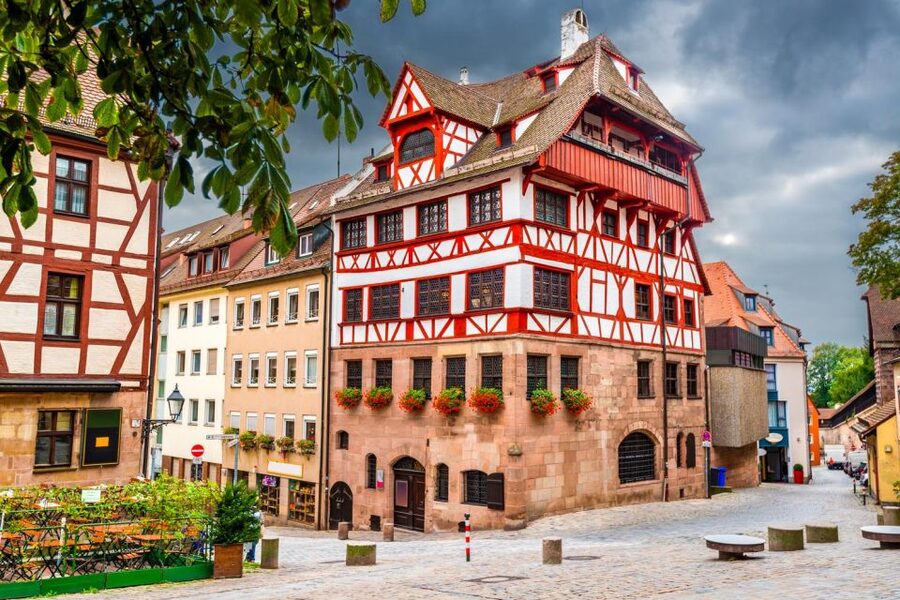
If you want to understand Nuremberg as a living place—medieval power, Imperial symbolism, and the lingering influence of the Nuremberg Trials—this is an easy yes. The private format makes it especially worthwhile because you’re not stuck in a rigid group rhythm, and you’ll get tailored recommendations at the end to help you keep exploring wisely.
I’d book it if you value guided meaning over solo wandering. The named highlights—St. Lawrence Church and the Imperial Castle of Nuremberg—plus the focus on how the Trials shaped architecture, culture, and local dialect, are exactly the kind of combination that turns a city visit into real understanding.
If you want a gentle, practical pace with a local who can steer the conversation, this tour does that well.
FAQ
Where does the tour meet?
The tour meets at the fountain Tugendbrunnen.
How long is the private history tour?
The duration is 2 to 3 hours.
What language is the live guide?
The live tour guide offers English and German.
Is this tour private or shared?
This is an exclusive private tour for your group.
Which major landmarks are included?
You’ll see St. Lawrence Church and the Imperial Castle of Nuremberg.
What’s included in the price?
The price includes the exclusive private tour, a local host, and a tailored itinerary.
What is not included?
Entry tickets for transportation, museums, and monuments are excluded, and personal expenses are also not included.
What should I bring?
Bring comfortable shoes, water, and a charged smartphone.
Is the tour suitable for everyone?
It is not suitable for people with mobility impairments.
Can I cancel for a refund?
Yes, free cancellation is available up to 24 hours in advance for a full refund.