REVIEW · GOA
Goa: Heritage Trail of Portuguese Mansions & Museum
Book on GetYourGuide →Operated by Crossmiles Travel · Bookable on GetYourGuide
Goa surprises me when I slow down. This South Goa heritage route mixes Portuguese-era mansions with Goan family stories, then lands you at Goa Chitra Museum for ethnography you can actually see and touch with your eyes. I especially love how the homes feel lived-in—walking through rooms where antiques and portraits have been preserved, not just displayed.
The other thing I really like is the human side of the tour: the guide I had, Stanley, brought local context to what I was looking at, and even worked in little extras when we needed them. One thing to plan around: this is a heritage-focused day, so if you want beaches and nightlife, this won’t be your best match.
In This Review
- Key highlights at a glance
- Why this heritage trail feels more personal than a checklist tour
- Day Plan: mansions first, museum last (and why that order works)
- The Figueiredo Mansion: a Jesuit-built home turned family museum
- Menezes Braganza House: 17th-century furniture, portraits, and a big library feel
- Palácio do Deão near the Kushavati River: Hindu + Portuguese architecture with serious garden time
- Goa Chitra Museum: 4,000+ artifacts and the tools behind daily life
- Price and value: is $76 for 6 hours a fair deal?
- Practical tips that make the day smoother
- Plan for photos, permissions, and indoor rules
- Lunch is optional, and it’s where the day can cost extra
- Expect a “helpful guide” kind of day
- Getting picked up: where you can start from (and what to do next)
- Who this tour is best for (and who should skip it)
- Should you book the Portuguese Mansions & Goa Chitra Museum trail?
- FAQ
- How long is the tour?
- What’s included in the price?
- Is lunch included?
- How many stops will we visit?
- Can I take photos inside the mansions?
- Where does hotel pick-up take place?
- Is the tour guided in English?
Key highlights at a glance
- Three Portuguese-era mansions with rare antiques and family collections
- Goa Chitra Museum’s 4,000+ exhibits focused on Goan heritage and ethnography
- Mix of Hindu and Portuguese architecture at Palácio do Deão
- A well-paced 6-hour private route with hotel pick-up and drop-off
- Photography may be limited inside some homes, so ask first
Why this heritage trail feels more personal than a checklist tour
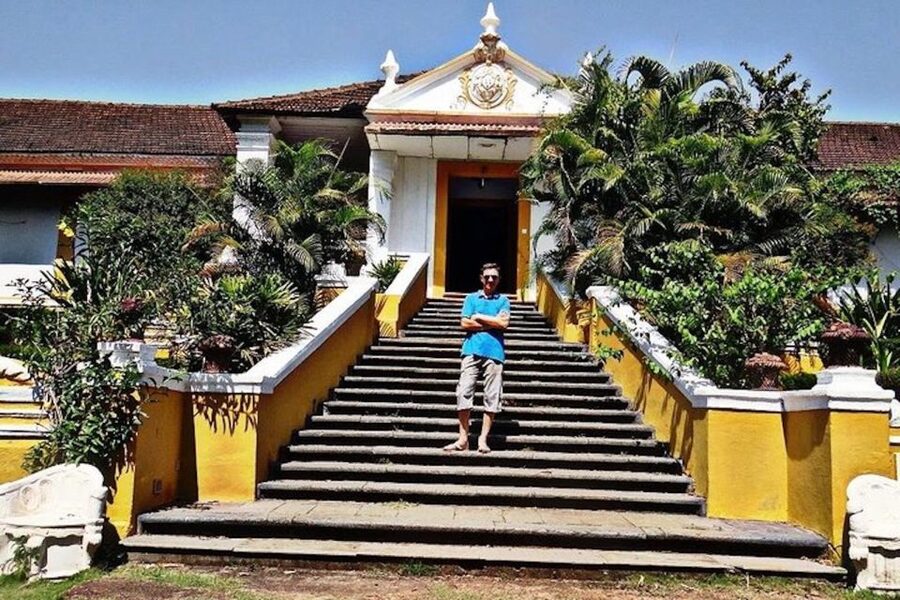
South Goa can be all about scenery and sun—if that’s what you came for, you’ll find plenty of it. But this kind of tour is a different way to understand Goa. You’re not just looking at old buildings. You’re seeing how Portuguese influence and local identity ended up in the same houses, in the same objects, and even in the way architecture was designed.
What impressed me most is that the day feels like it has a thread: you start with a family home that became a museum, move to another household with deep collecting habits, and then end at Goa Chitra Museum where the focus shifts to daily life—especially the tools and materials tied to agrarian communities. By the time you leave, you have a clearer picture of Goa as a place shaped by faith, trade, family status, and work.
You can also read our reviews of more historical tours in Goa



Day Plan: mansions first, museum last (and why that order works)
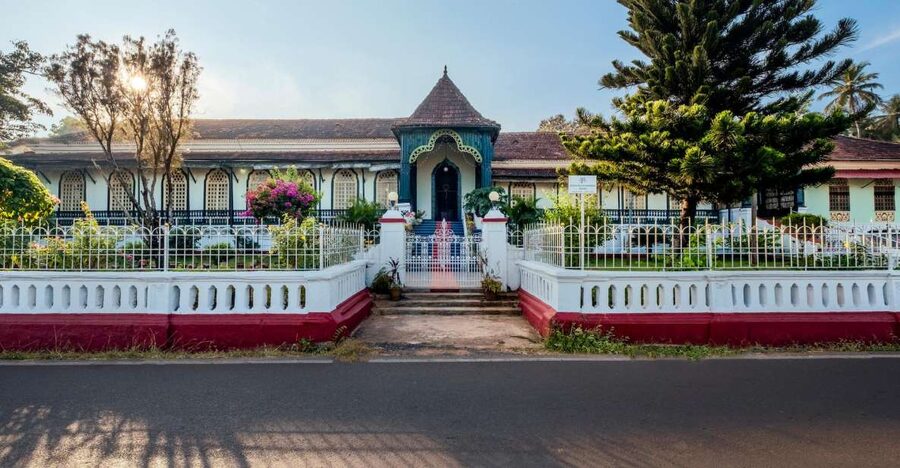
You’ll spend about 6 hours on a private sightseeing route in a private air-conditioned car with an English-speaking guide. The typical flow goes like this:
- The Figueiredo Mansion
- Menezes Braganza House
- Palácio do Deão
- Goa Chitra Museum
- Optional time to stop in Margao on your way back to your hotel
I like this order because the homes teach you what “Portuguese + Goan” looks like at the household level. Then the museum expands the lens to everyday life—what people used, how they worked, and how cultures mixed over time.
The Figueiredo Mansion: a Jesuit-built home turned family museum
Your first stop is The Figueiredo Mansion, built in the 1590s by Jesuit priests for an influential Goan family that had converted faith. That detail matters. It helps you read the house as more than a pretty old building. This was about power, belief, and connection to a wider world.
A part of the home has been converted into a museum to showcase the family’s prized belongings. When you walk through, you get that rare feeling of seeing antiques in context—where they belong in the story of a house—rather than in a warehouse-style setup.
One of the best parts, in my experience, is the access to the owner. You may meet her (or at least have her presence show up through the way the visit is guided), and she’s passionate about family roots. That personal touch often changes how you look at what you’re seeing. Instead of reading labels, you’re hearing the reason behind the objects.
Possible downside: because this is still a family home, photography can be restricted in certain areas. If you want photos, ask early and be ready for a “no” in some rooms.
Menezes Braganza House: 17th-century furniture, portraits, and a big library feel
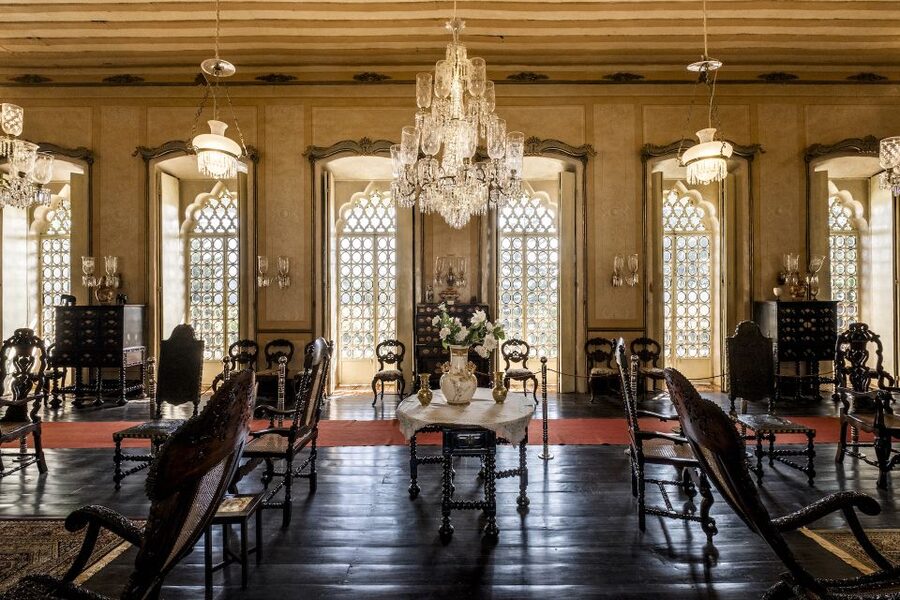
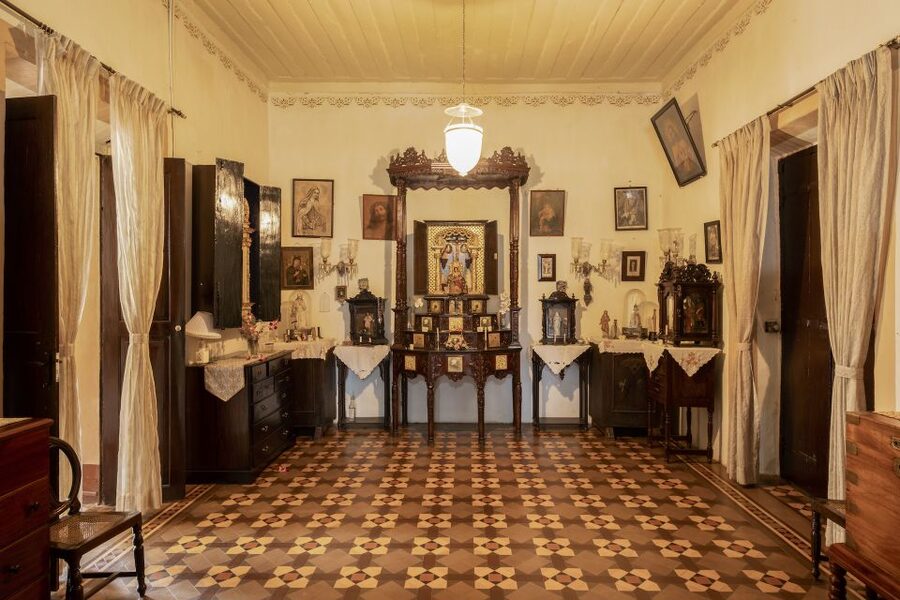
Next is Menezes Braganza House, where the emphasis is on the household collection—furniture and artifacts dating back to the 17th century. This is the stop that feels like an art-lover’s daydream, mainly because of the large library and a strong collection of family portraits.
I found the portraits especially useful for grounding the whole Portuguese-era story. Portraits turn history into faces. They show you how families wanted to be remembered and how status was displayed—through people, not only objects.
Drawback to consider: if you’re expecting an interactive museum with explanations in every corner, you might find this more contemplative and guided by the guide. It’s still worth it, but it’s not “hands-on” in the same way a children’s museum would be.
Palácio do Deão near the Kushavati River: Hindu + Portuguese architecture with serious garden time
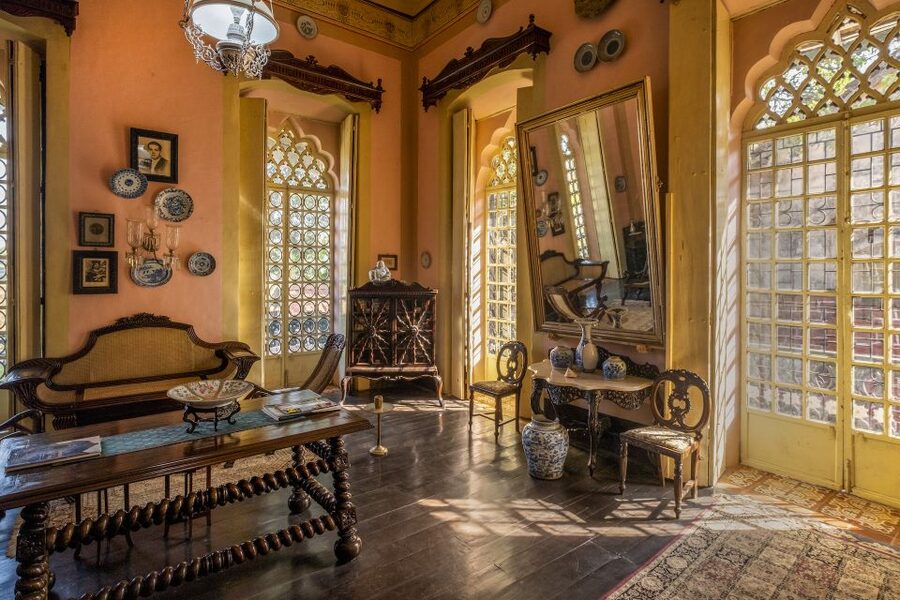
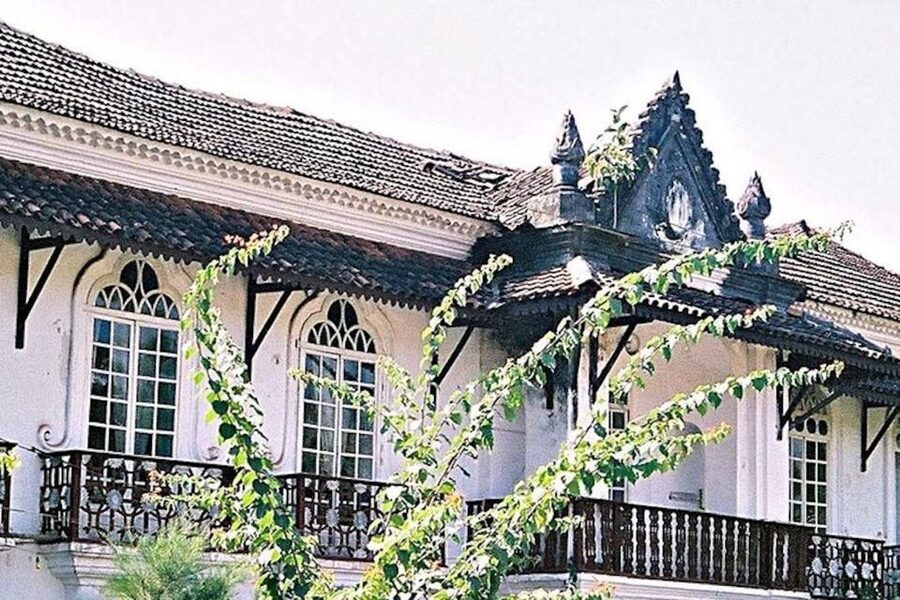
Your third mansion stop is Palácio do Deão, located in a tranquil area close to the Kushavati River. This is where the Portuguese influence shows up alongside local design decisions in a visible way: the house is known for an unusual blend of Hindu and Portuguese architecture.
The scale is another highlight. It spreads across 11,000 square feet, and it’s famous for well-maintained gardens. In practice, that means you’ll get more breathing room here. You’re not just walking from room to room. You can pause and let the architecture and landscape talk to each other.
If you’re traveling at a warm time of year, the gardens can be a nice break from indoor browsing. But go in with the right expectations: this is still a heritage visit. The garden is part of the story, not an amusement park.






Goa Chitra Museum: 4,000+ artifacts and the tools behind daily life
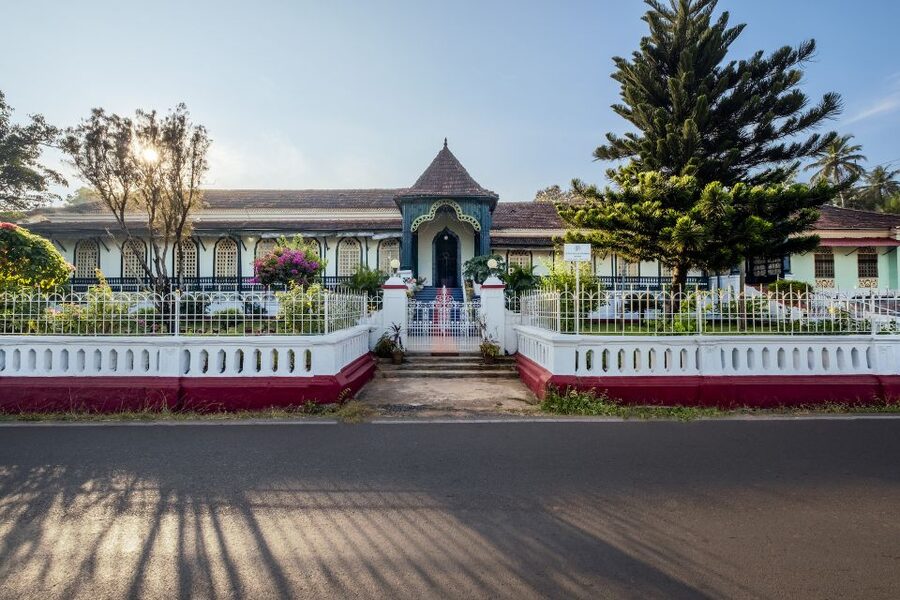
The final major stop is Goa Chitra Museum, and this is where the tour shifts from “elite households” to “Goa as a living culture.”
The museum has over 4,000 exhibits that bring together Hindu and Catholic influences on Goan communities. That sounds broad, but the way it’s presented helps. You’re shown material culture that reflects how people lived, worked, and adapted through time.
One of the most interesting aspects is the building itself. The museum uses recycled materials from traditional houses that were demolished in the area. I like that kind of preservation approach because it’s not just collecting artifacts—it’s reusing local history to keep it in circulation.
Inside, you’ll see implements used by agrarian communities through the ages. That means you’re looking at tools, not just décor. For me, that’s what turns a Portuguese-mansion day into a fuller understanding of Goa. You start to connect architecture and antiques to the economy that supported families—especially the farming and work that fed communities and created the conditions for change.
Price and value: is $76 for 6 hours a fair deal?
At $76 per person for a 6-hour private tour, the value mainly comes from three things you don’t have to manage yourself:
- Private air-conditioned car with hotel pick-up and drop-off
- An English-speaking guide guiding you through three house visits plus the museum
- Entrance fees to the houses and museum included
Food isn’t included, and that can add cost if you choose lunch. But you do get the option of a lunch stop at either Palácio do Deão or The Figueiredo Mansion. Since the day includes multiple stops where you might otherwise be forced to eat on the fly, having a pre-set lunch choice can save you time and stress.
If you’re someone who likes structure—moving efficiently from site to site without negotiating transport—this price makes more sense. If you’re purely price sensitive and enjoy wandering independently, you could explore similar areas on your own, but you’d likely lose the guided context that makes the mansions and museum click.
Practical tips that make the day smoother
A good heritage day runs on small decisions. Here are the ones that matter most with this route.
Plan for photos, permissions, and indoor rules
Because you’re visiting houses, photography may be restricted in certain homes. Ask for permission before taking pictures. Even if you’re told yes, watch the guide’s cues and keep things respectful.
Lunch is optional, and it’s where the day can cost extra
Lunch is available at either Palácio do Deão or The Figueiredo Mansion, but food and drinks aren’t included. If you want to keep the budget in control, treat lunch as a choose-this-or-don’t decision rather than an automatic spend.
Expect a “helpful guide” kind of day
In the feedback I reviewed, Stanley (the guide name mentioned) stood out for passion and follow-through. That showed in practical ways too—like making a quick detour so the group could reach an ATM and then grabbing sugar cane drinks along the way. It’s the kind of small, local problem-solving that can turn a smooth tour into a genuinely easy one.
If you prefer paying for things with cash or you like having snacks ready, it’s smart to be prepared before you reach the lunch moment.
Getting picked up: where you can start from (and what to do next)
Pickup is included and can be arranged from your hotel or accommodation lobby in Goa. It can also be arranged from the Mormugao port cruise terminal car/coach or paging area, and pickup can be done from Goa’s airports, including Goa Dabolim (GOI) and Mopa airport (GOX).
Two practical rules:
- Provide your complete pick-up location/address.
- Be ready about 10 minutes before the pickup time.
If you’re traveling with a cruise, double-check your exact port pickup point ahead of time. It prevents that annoying last-minute scramble.
Who this tour is best for (and who should skip it)
This is a strong match if you:
- Enjoy architecture, antiques, and family collections
- Want Portuguese influence explained in real places, not just on a map
- Like Goan culture with a focus on both faith and daily life
- Appreciate guides who know how to connect objects to context
Skip it if you mainly want:
- Beach time or nightlife planning
- A super-fast “see everything” day with zero walking or indoor viewing
Also, if you’re the type who hates indoor rules, remember that houses may have restrictions and you’ll likely spend meaningful time inside.
Should you book the Portuguese Mansions & Goa Chitra Museum trail?
I’d book this tour if your Goa plan includes at least a few hours for culture beyond the obvious sights. The combo of three Portuguese-era homes plus the Goa Chitra Museum gives you both the “elite house” side of history and the “tools and community life” side. That balance is what makes the day feel worth it.
I’d also book it for the guide experience. Stanley’s passion and the way the tour helped with practical needs—like reaching an ATM and finding sugar cane—are the kind of small details that quietly improve everything.
If you want photos nonstop, go in with flexibility. And if you’re not into heritage sites, you may find the day slow compared to beach hopping. But if you’re curious about how Goa’s Portuguese and Goan threads overlap, this is a solid, efficient way to see it in one outing.
FAQ
How long is the tour?
The duration is 6 hours.
What’s included in the price?
The tour includes a private air-conditioned car, hotel pick-up and drop-off, an English-speaking guide, and entrance fees to the houses and the museum.
Is lunch included?
No. Food and drinks are not included, but you can choose an optional lunch at either Palácio do Deão or The Figueiredo Mansion.
How many stops will we visit?
You’ll visit three mansions from the Portuguese era—The Figueiredo Mansion, Menezes Braganza House, and Palácio do Deão—and then Goa Chitra Museum.
Can I take photos inside the mansions?
Photography may be restricted in certain homes. Ask for permission before taking pictures.
Where does hotel pick-up take place?
Pick-up is available from your hotel or accommodation lobby in Goa, and it can also be arranged from Mormugao port cruise terminal areas and airports including GOI (Dabolim) and GOX (Mopa).
Is the tour guided in English?
Yes. The tour includes an English-speaking guide.