REVIEW · ORAN
Oran: Guided Tour Between Heritage and Art of Living
Book on GetYourGuide →Operated by Discovery Travel Tour · Bookable on GetYourGuide
Oran has layers; this tour helps you read them. With Ali, I love the way the local guide ties architecture and street life together from the start at City Hall on Place 1er Novembre.
You’ll also get a standout mix of Oran surprises: underground passages and a wine tasting stop that highlights wines from western Algeria. One practical consideration: the tour includes transportation only to and from Santa Cruz and the arenas, so you’ll need your own plan to reach the meeting point—and bring comfortable shoes for the climbs.
In This Review
- Key moments worth your attention
- Starting at Place 1er Novembre: the fastest way to get oriented
- Fort Rosalcazar: Spanish military muscle and a huge footprint
- Bey’s Palace exterior: restoration doesn’t erase the story
- Mosque of the Pasha: quiet Ottoman atmosphere in the middle of the day
- Promenade de l’Étang and the old quarter of Sidi Elhouari
- Underground passages: the part that turns a city tour into an adventure
- Santa Cruz: the climb with a view that pays you back
- Lunch break: a typical Oran sandwich plus local juice
- Corrida bullring and the Spanish echo that didn’t fully disappear
- Oran Synagogue, now a mosque: multicultural memory in one stop
- Sacred Heart Cathedral: neo-Byzantine style and the story of evolution
- Disco Maghreb: raï music history, not just a venue name
- Bastille Market: the senses you usually skip on big sightseeing days
- Albert Camus’ house: a passing look with writer-level meaning
- Wine merchant stop: refined western Algerian flavors
- End on the Mediterranean coast: a simple sunset finish
- Price of $46: what the money buys (and what to watch for)
- Who this Oran tour is best for
- Should you book this guided Oran day?
- FAQ
- Where is the meeting point for the tour?
- Does the tour include transportation to all stops?
- What time does the tour end?
- What’s included in lunch?
- Does the tour include underground passages?
- Are drinks or wine tasting included?
- What should I bring?
- What languages is the guide available in?
- Can I pay later and cancel close to the date?
Key moments worth your attention
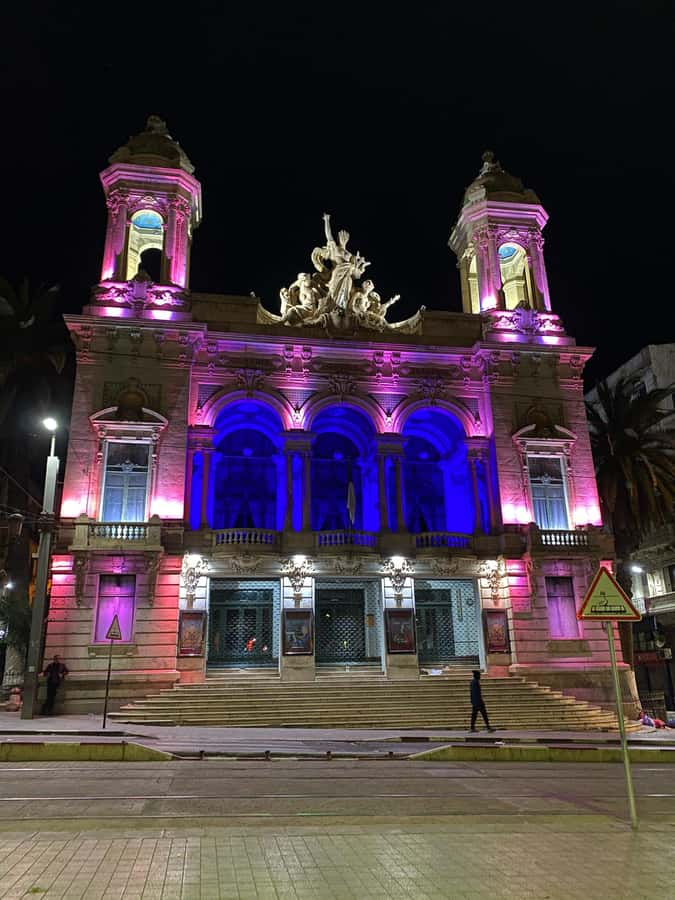
- Ali’s street-level stories that connect buildings, neighborhoods, and daily life
- Underground passages for an offbeat, curiosity-driven adventure
- Santa Cruz views after a climb that’s clearly worth the effort
- Wine stop with a local merchant featuring selections from western Algeria and beyond
- Raï culture at Disco Maghreb paired with major religious and colonial landmarks
Starting at Place 1er Novembre: the fastest way to get oriented
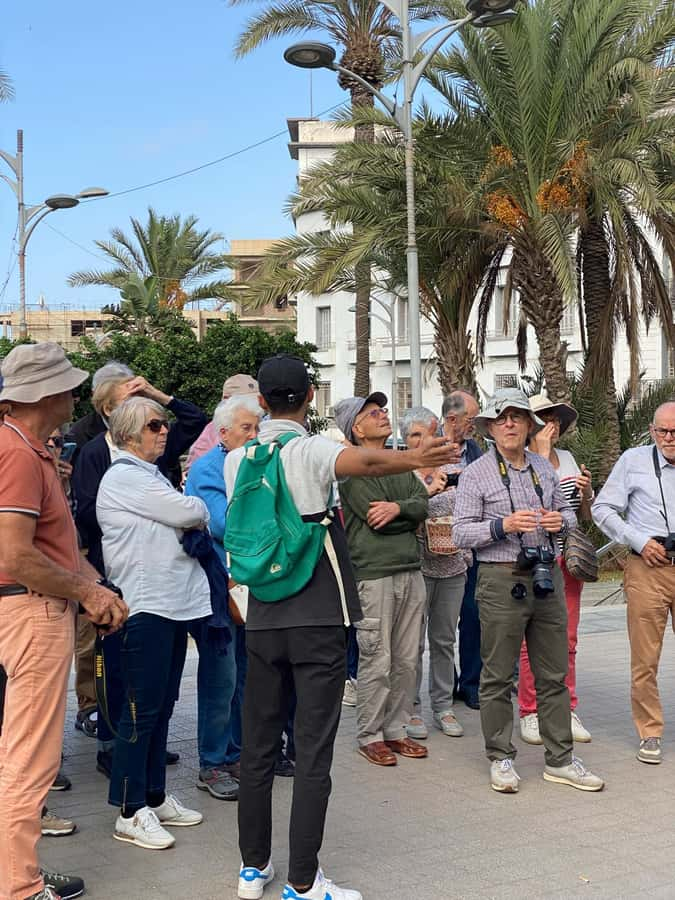
The tour begins right where Oran feels most like itself: Place 1er Novembre, outside City Hall. I like this setup because it gives you a clear “center of gravity” for the day before you start zigzagging through eras—Spanish, Ottoman, colonial, and local.
You’ll meet your guide and quickly fall into the rhythm of a day that mixes big landmarks with smaller lived-in streets. The pace can be adjusted to you, which matters in Oran where the light, heat, and distances can change how fast you want to move.
Fort Rosalcazar: Spanish military muscle and a huge footprint
One of the first big statements on the route is Fort Rosalcazar, described as the largest fortress in Africa. Built in the 16th century by the Spanish, it’s not just a photo stop; it’s a strong way to understand how the city was shaped by military strategy and European presence.
What I like here: the guide explanations make the fortress feel logical, not random. You get to connect form and purpose—how fortifications were built to control movement and defend territory.
Bey’s Palace exterior: restoration doesn’t erase the story
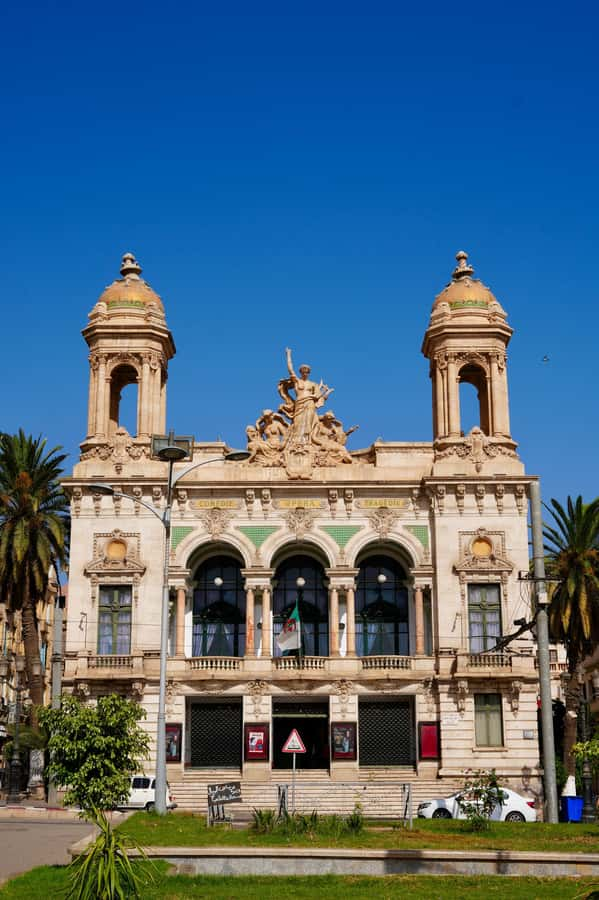
Next is Bey’s Palace, currently under restoration, which means you’ll see the exterior with explanations rather than a full interior visit. Even from outside, it works as a time-machine moment if your guide is good at framing what governors and their world looked like.
A tip: look closely at details your eyes might otherwise skip. Even when access is limited, the “language” of architecture still tells you who held power and what they wanted to project.
Mosque of the Pasha: quiet Ottoman atmosphere in the middle of the day
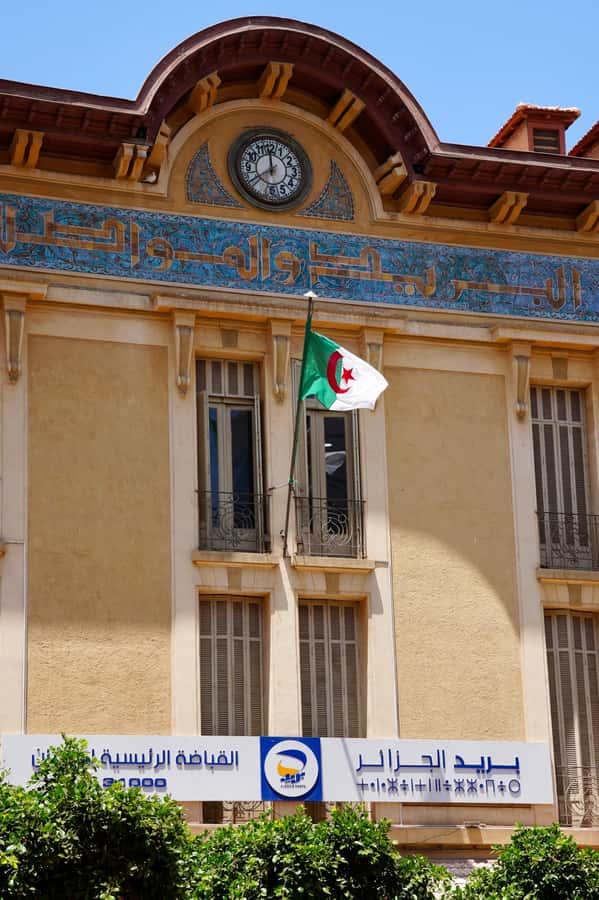
Then comes the Mosque of the Pasha, where the minaret rises upward and creates a visual pause amid everything else. The tour’s value here isn’t only religious architecture—it’s the contrast: calm near the mosque, compared with the bustle outside.
If you like photography or simply taking a breath, this stop is one of those “reset” moments. Even if you’re not a big architecture person, you’ll feel the shift.
Promenade de l’Étang and the old quarter of Sidi Elhouari
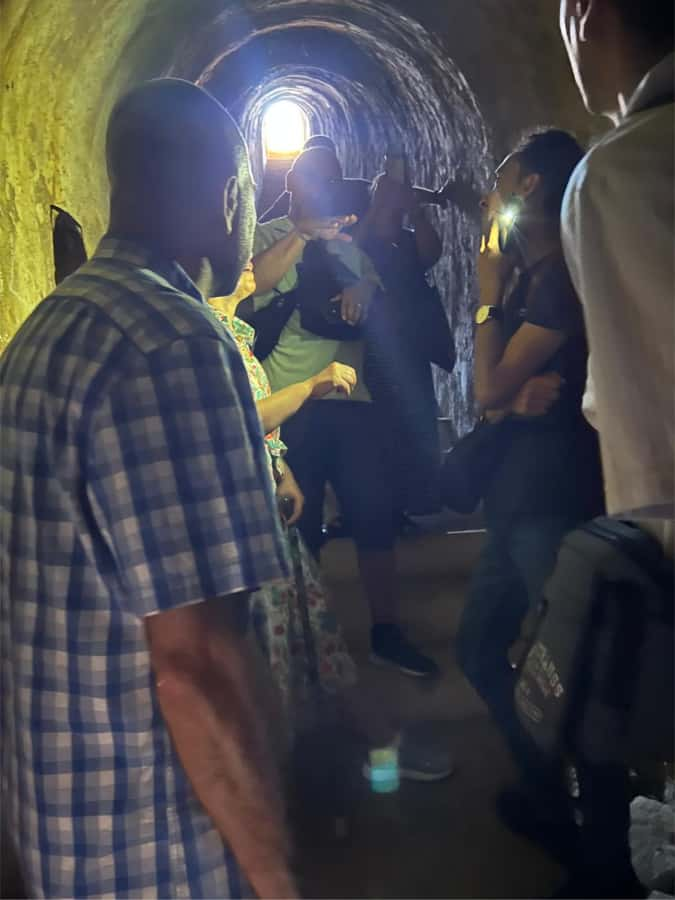
After the forts and monuments, the route turns more human. You get time at the Promenade de l’Étang for a sea breeze and a clear sense of Oran’s relationship with the Mediterranean. I find this portion useful because it grounds the city’s history in geography—war, trade, and daily life all orbit the coastline.
Then you move into the old quarter of Sidi Elhouari. Narrow streets, everyday facades, local texture—this is where Oran stops feeling like a list of sites and starts feeling like a place. The guide’s storytelling helps you notice what’s going on at street level instead of only aiming your camera at big buildings.
Underground passages: the part that turns a city tour into an adventure
One of the tour highlights is exploring the underground passages of Oran. That’s a meaningful choice for a city like this: surface sights are common, but underground spaces tend to reveal how people adapted to their environment, their defenses, or their urban needs.
This is the portion you’ll remember when the rest of the day starts blending into a normal sightseeing blur. It’s also a good sign for the tour style: you’re not just ticking boxes—you’re getting Oran’s lesser-known layers.
Santa Cruz: the climb with a view that pays you back
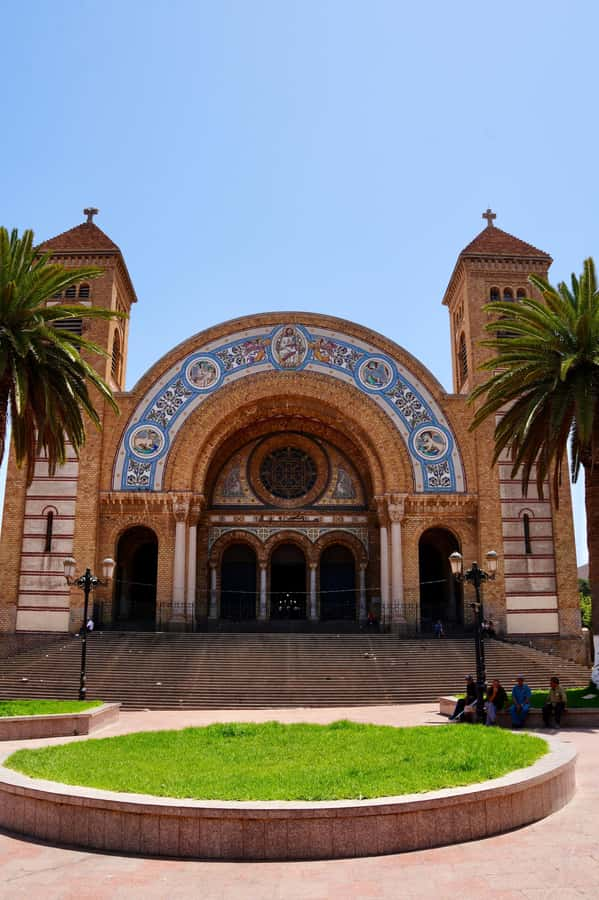
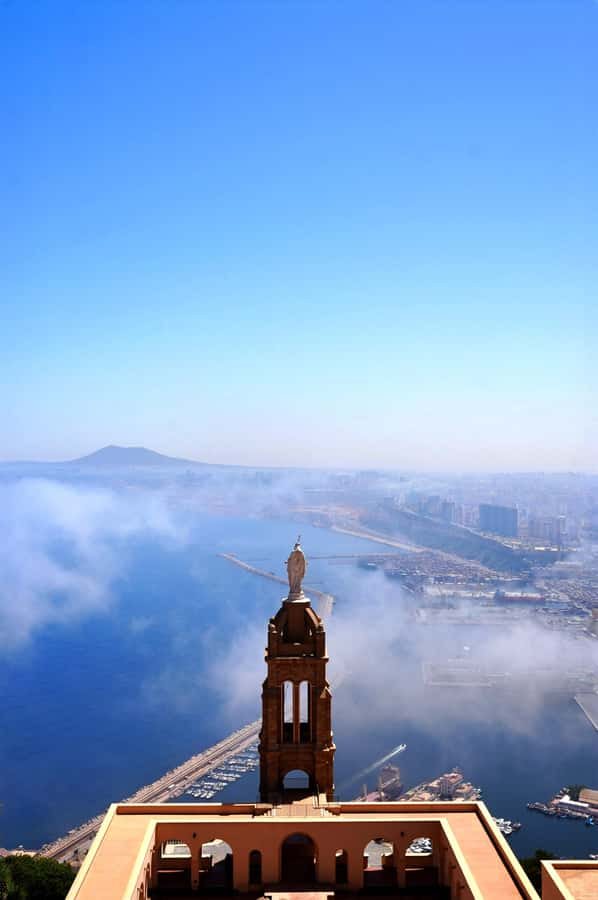
Lunch comes partway through the day, and then the itinerary pushes upward to Fort and Chapel of Santa Cruz. You’ll have transportation to and from Santa Cruz and the arenas, which helps keep the day realistic instead of exhausting.
Still, it’s a climb. Build in the right mindset: this stop is about reward, not speed. When you reach the top, the view is described as breathtaking, and that matches how these elevated points tend to work—suddenly you understand the city’s layout and scale.
A small “you’ll be glad you did” note: wear shoes you trust. Even if the ground is manageable, you’ll be thankful for grip and comfort after earlier walking.
Lunch break: a typical Oran sandwich plus local juice
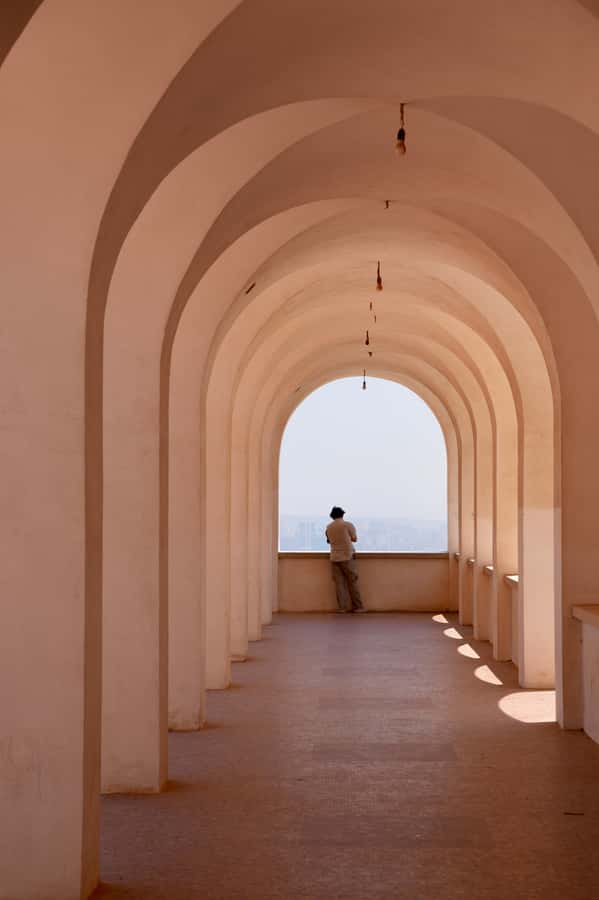
Lunch is included and designed to keep you in the local flow: a sandwich tasting and typical Oran juice. This is practical value because you avoid the hard part of travel planning—figuring out where to eat between major stops.
It’s not a formal feast, and that’s okay. The point is simple: fuel for the afternoon while staying tied to local tastes.
Corrida bullring and the Spanish echo that didn’t fully disappear
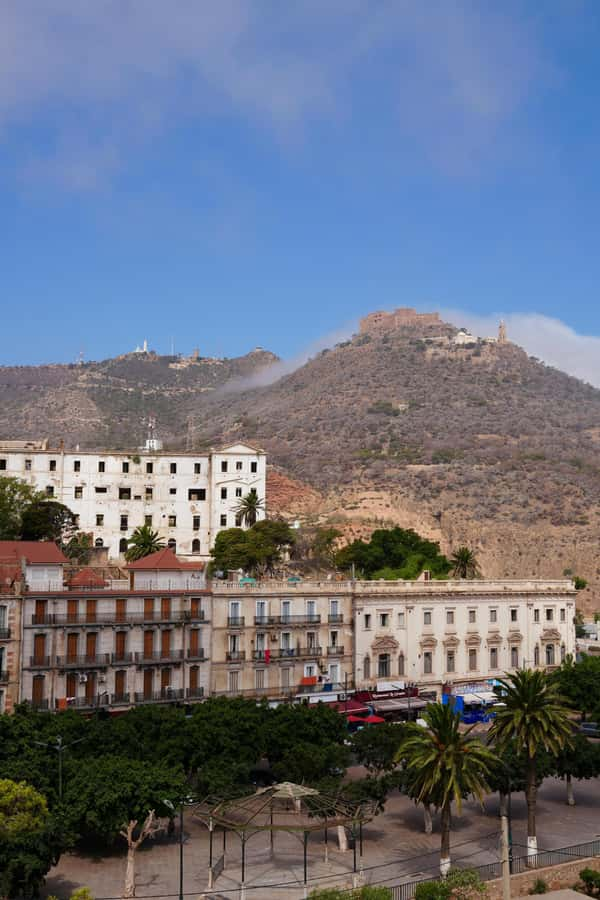
Back in the cultural mix, you’ll see the bullring (Corrida). It’s described as a tradition imported from Spain that became popular with the local public. Over time, the practice disappeared, but the bullring remains as a reminder of how culture travels—even when the original habit fades.
I like including this stop because it adds nuance. Oran’s identity didn’t form only from one influence. It’s also the story of what was adopted, what lasted, and what changed shape.
Oran Synagogue, now a mosque: multicultural memory in one stop
Another powerful moment is Oran Synagogue, now a mosque. It symbolizes Oran’s multicultural past, showing how places can change role while still carrying historical weight.
If you care about understanding cities beyond monuments, this stop matters. It’s a quick lesson in how communities evolve, and how architecture can become a living archive.
Sacred Heart Cathedral: neo-Byzantine style and the story of evolution
Sacred Heart Cathedral is a major visual anchor on the day, described as imposing and neo-Byzantine. You’re looking at architecture that reflects the city’s evolution—so it’s not only about the building itself, but about what it signals for Oran’s changes over time.
One way to enjoy this stop: slow down for the details. Cathedrals like this aren’t quick objects. Even from outside or from your viewing position, you’ll feel the intention behind the design.
Disco Maghreb: raï music history, not just a venue name
Then comes Disco Maghreb, described as a legendary venue for raï music. The tour frames it as a cult address that hosted major artists from Oran, which makes the stop feel like a cultural bookmark rather than a random nightlife site.
What I like: you’re not treating music as entertainment only. You’re connecting it to place, and the city’s rhythm becomes part of your route.
Bastille Market: the senses you usually skip on big sightseeing days
The day shifts again at Bastille Market. Expect hustle, smells, colors, and voices—an authentic sensory experience that’s hard to recreate on your own from outside.
This is also where a good guide earns their pay. Market spaces can overwhelm you fast. With explanations, you’re more likely to understand what you’re seeing instead of just walking past everything.
Albert Camus’ house: a passing look with writer-level meaning
You’ll pass by Albert Camus’ house. The tour doesn’t treat it like a shrine with a lot of time standing still—it’s more like a moment of connection between Oran and a writer inspired by the city and its inhabitants.
I think this is a smart use of time. You get the cultural link without turning the day into a museum schedule.
Wine merchant stop: refined western Algerian flavors
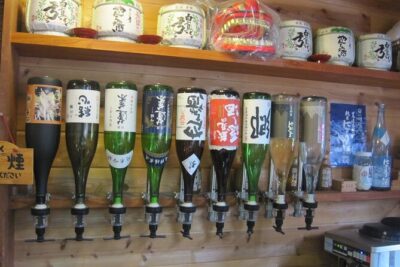
One of the most enjoyable parts of the day is the stop with a local wine merchant. You’ll discover selections of fine wines from the region and other parts of Algeria, with an authentic tasting element built in.
Even if you’re not a “wine person,” this stop is valuable because it adds a local economy story. Wine isn’t separate from the city here—it’s another way Oran’s relationships with the land show up in daily life.
End on the Mediterranean coast: a simple sunset finish
The tour ends with a seaside stroll along the Mediterranean coast. This wrap-up is more than pretty scenery. It gives you a clean ending point after forts, palaces, religious landmarks, and market noise—so your brain can sort the day into a coherent picture.
If you can, time your photos to the light. Late-day views along the water tend to make even familiar architecture look more human.
Price of $46: what the money buys (and what to watch for)
At $46 per person, this tour looks like strong value for a full day built around guided interpretation. You’re paying for more than site access—you’re paying for a local guide who can connect architecture, neighborhoods, and cultural shifts into a story you can actually follow.
What’s included that helps justify the price:
- Local guide support all day
- Transportation to and from Santa Cruz and the arenas
- Lunch: sandwich tasting plus typical Oran juice
- Stops that go beyond the obvious list, including the underground passages and the wine stop
The one thing to watch: round-trip transfer from your hotel isn’t included. If you’re not already near Place 1er Novembre or you don’t have an easy way to get there, factor that cost and time into your plan.
Who this Oran tour is best for
This fits well if you want:
- A guided day with explanations that make monuments feel connected
- A route that mixes heritage and everyday life
- Offbeat elements like underground passages and a wine merchant tasting
- A flexible pace where you can slow down or focus on what interests you most
It might not be ideal if you hate walking and climbs. Santa Cruz is part of the deal, and you’ll want comfort from the start.
Should you book this guided Oran day?
Yes—if you want Oran to make sense, not just look good in pictures. The best reason to book is the balance: big historic sites plus local culture stops, anchored by a guide like Ali who brings anecdotes and keeps you engaged.
If you’re short on time and want a high-meaning route rather than scattered wandering, this is a smart first-day plan. Just make sure you can get to Place 1er Novembre on your own, and wear shoes that handle a climb.
FAQ
Where is the meeting point for the tour?
You’ll meet in front of City Hall on Place 1er Novembre, a central location in Oran.
Does the tour include transportation to all stops?
Transportation to and from Santa Cruz and the arenas is included. Round-trip transfer from your hotel is not included.
What time does the tour end?
It ends back at the meeting point (the same Place 1er Novembre location).
What’s included in lunch?
Lunch includes a tasting of a sandwich and typical Oran juice.
Does the tour include underground passages?
Yes. The highlights mention exploring the underground passages of Oran.
Are drinks or wine tasting included?
A stop at a local wine merchant is included, with wine tasting from the region and other parts of Algeria.
What should I bring?
Bring comfortable shoes, especially because the day includes a climb to Fort and Chapel of Santa Cruz.
What languages is the guide available in?
The tour is offered in French, Arabic, and English.
Can I pay later and cancel close to the date?
You can reserve & pay later (book now and pay nothing today). Cancellation is allowed up to 24 hours in advance for a full refund.