REVIEW · TOKYO
From Tokyo: Nikko World Heritage Full Day Private Tour
Book on GetYourGuide →Operated by Japan Priavte Tours · Bookable on GetYourGuide
Nikko is a day trip that feels like a whole different world. I like the way this private tour strings together World Heritage shrine sights and mountain scenery in one long, well-paced day. You’ll get an easy start from Tokyo with hotel pickup plus luxury transport with WiFi, then guided time at the big-name stops. The only real drawback to plan for: meals aren’t included, so you’ll need to budget for lunch and snacks.
You’ll spend most of the day walking short stretches between viewpoints and photo stops, from the forest-temple complex to the waterfall gorge. It’s the kind of itinerary that rewards slow looking—details at Toshogu and the quiet rhythm of Kanmangafuchi—while still giving you a “wow” payoff at the lake and falls. Just note the footwear and weather reality: the tour runs in all weather, and winter conditions around the falls and lake can be slippery.
In This Review
- Key things I’d prioritize on this Nikko day
- From Tokyo to Nikko National Park: a private day with real comfort
- Pickup and drop-off: how smoothly your day starts
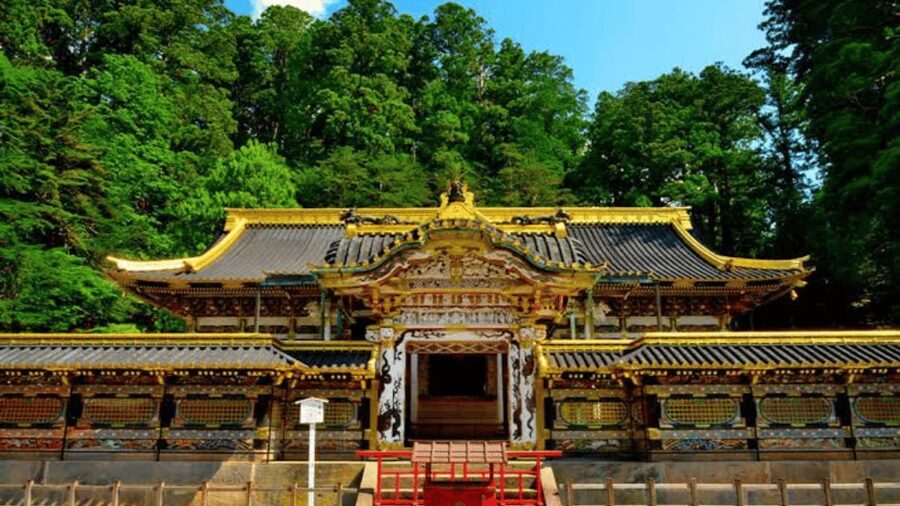
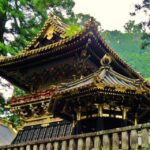
- Nikko Toshogu Shrine: carvings, Yomeimon Gate, and the sleeping cat
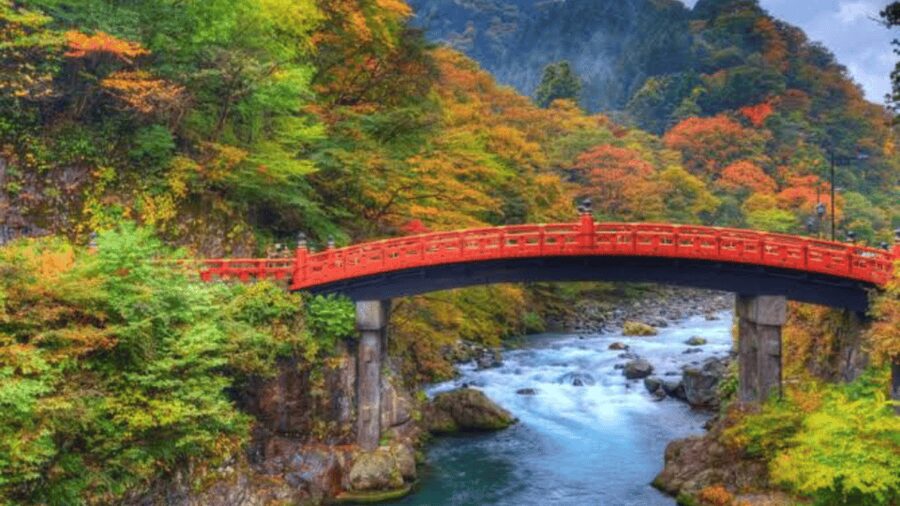
- Shinkyo Bridge: the classic photo spot with real historical weight
- Kanmangafuchi Abyss and Jiunji Hondo: 70+ Jizo statues for a quiet reset
- Akechidaira Ropeway and the Nikko sky: views of Nantai, Chuzenji, and Kegon
- Lake Chūzenji: volcanic origins and a lunch break mindset
- Kegon Falls: 97 meters of power and the value of an observation platform
- Edo Wonderland after the mountains: a fun cultural shift
- Time on foot, photo rules, and food reality
- Price and value: what $418 for up to 6 really buys
- Who this tour fits best
- Should you book this Nikko World Heritage full-day private tour?
- FAQ
- How long is the Nikko World Heritage full-day private tour?
- Where can I get picked up in Tokyo?
- Is hotel drop-off included?
- What’s included for food and drinks?
- Do I need to buy tickets to the attractions myself?
- Does the tour run in bad weather?
- What languages will the live guide speak?
Key things I’d prioritize on this Nikko day
- Skip-the-ticket-line timing at major attractions so you lose less time waiting outdoors
- Nikko Toshogu time with guided focus on the carvings and standout features like the Yomeimon Gate and the sleeping cat
- Kanmangafuchi Abyss walk along 70+ Jizo statues for a calmer, reflective break from big set pieces
- Akechidaira Ropeway views over Mount Nantai, Lake Chuzenji, and Kegon Falls from the observation deck
- Kegon Falls viewing platform for the 97-meter drop, plus the chance to see ice formations in winter
- Edo Wonderland finish for a playful cultural change of pace after the nature stops
From Tokyo to Nikko National Park: a private day with real comfort
This is a long day—12 hours—but the point is comfort and flow. You’re leaving Tokyo for Nikko’s mountain zone, and that means you’ll appreciate having air-conditioned luxury transport and WiFi on board for the ride. The tour also includes highway tax plus coffee/tea, which is a small thing that helps when you’re starting early.
The tour runs in all weather conditions. That matters because Nikko changes fast—fog, rain, or snow can shift visibility around the ropeway, lake, and falls. In practical terms, wear layers and bring shoes that grip. You’ll be better off than the people dressed for Tokyo weather.
You can also read our reviews of more private tours in Tokyo
Pickup and drop-off: how smoothly your day starts
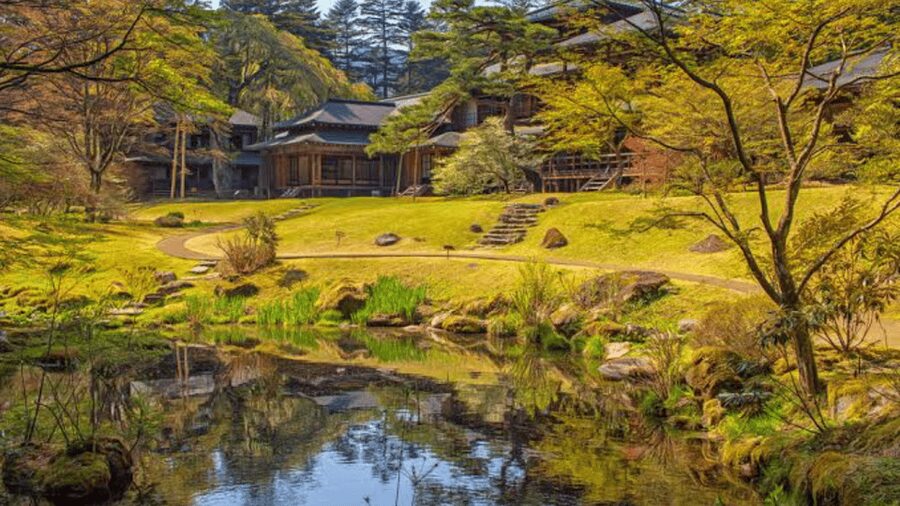
Your pickup is designed to be simple, with options in Tokyo like Shibuya City or Shinjuku City. If you prefer, pickup is also available from key stations (for example, Tokyo Station) and there’s an option for custom locations—just make sure you share your hotel name/address when booking.
Two timing rules matter:
- Be in the hotel lobby about 10 minutes before your scheduled pickup time.
- The driver waits no longer than 60 minutes after the scheduled time.
This is especially important because Nikko is a time-sensitive route. Once you start adding delays, you can end up rushing later, and this itinerary works best when you slow down at the shrines and viewpoints.
Nikko Toshogu Shrine: carvings, Yomeimon Gate, and the sleeping cat
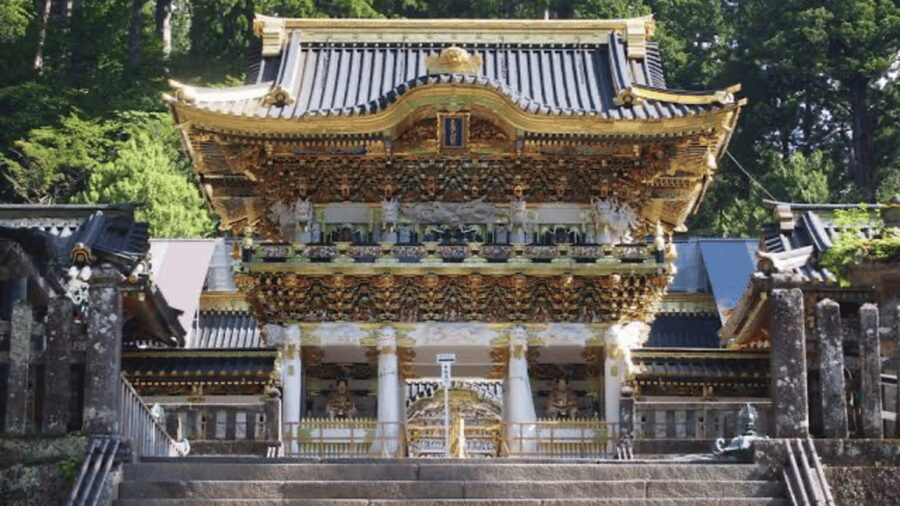
Nikko Toshogu Shrine is the anchor stop. It’s dedicated to Tokugawa Ieyasu and is famous for the kind of shrine architecture that makes you stop in your tracks—ornamentation, color, and dense detail all layered together. You get both a guided tour and time to walk, so it’s not just a drive-by.
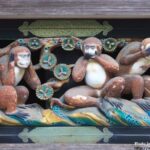
What I like most here is the specific focus on features. You’ll spend time at the Yomeimon Gate, which is known for exquisite craftsmanship, and you’ll also spot the famous sleeping cat sculpture. Those aren’t just trivia stops; they help you read the place. When you know what to look for, the whole complex feels more meaningful.
One practical consideration: the shrine is in a forest setting, so paths can be damp. Bring something you don’t mind getting a little dirty, and keep your camera strap secure. This is also where no flash photography comes into play—so plan on steady shots using natural light.
Shinkyo Bridge: the classic photo spot with real historical weight
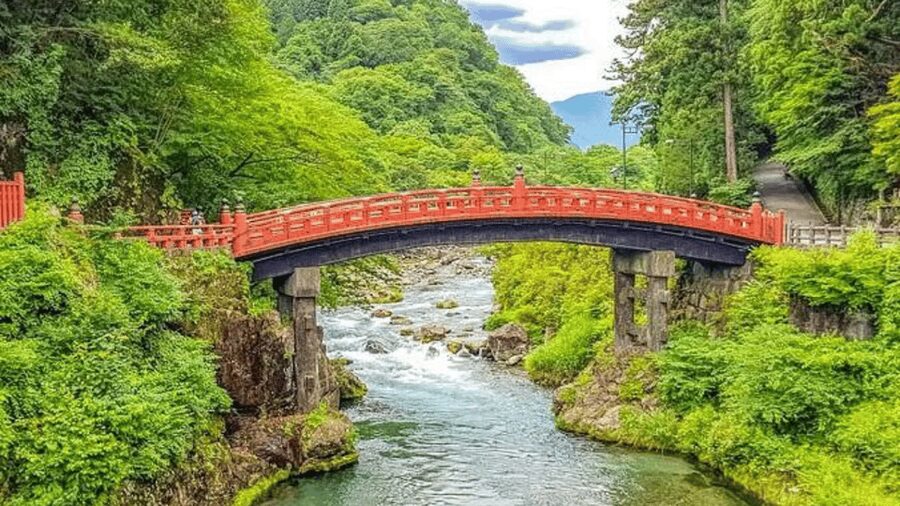
After Toshogu, the mood shifts to a single iconic structure: Shinkyo Bridge over the Daiya River. It’s one of Japan’s most photographed bridges for a reason—wood, arches, and a backdrop that changes with the season (especially greenery and autumn foliage).
This stop is a guided visit with photo time, typically about an hour including walking and viewing. I like it because it’s a breather. You get dramatic visuals without a marathon of stairs or long hikes.
Historically, Shinkyo Bridge acts like a gateway to the Nikko shrine area. So while it’s a picture opportunity, it’s also a point where the day’s story makes sense: you’re moving from sacred forest to the wider Nikko landscape.
Kanmangafuchi Abyss and Jiunji Hondo: 70+ Jizo statues for a quiet reset
This is the stop that often surprises people—in a good way. You’ll visit the Kanmangafuchi Abyss, lined with over 70 Jizo statues. These are Jizo figures associated with the spirits of children and travelers, and the walk gives you a reflective break from the most famous showpieces.
The experience works best if you slow down. Don’t just walk for the photos; pause and look at the statues’ different placements and small variations. The sounds of the nearby river add to the calm, and the whole stretch feels like it’s asking for a few minutes of quiet attention.
The path leads to Jiunji Hondo Temple, where you can step into a smaller, calmer moment before heading back into sightseeing. If you’re the type who likes “major sites plus one peaceful stop,” this is your payoff.
You can also read our reviews of more historical tours in Tokyo
Akechidaira Ropeway and the Nikko sky: views of Nantai, Chuzenji, and Kegon
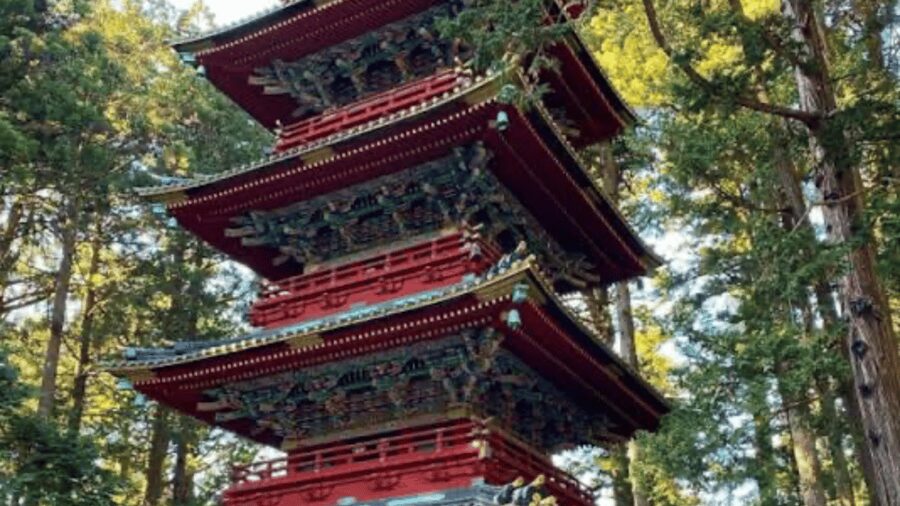
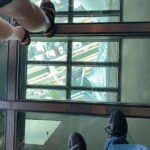
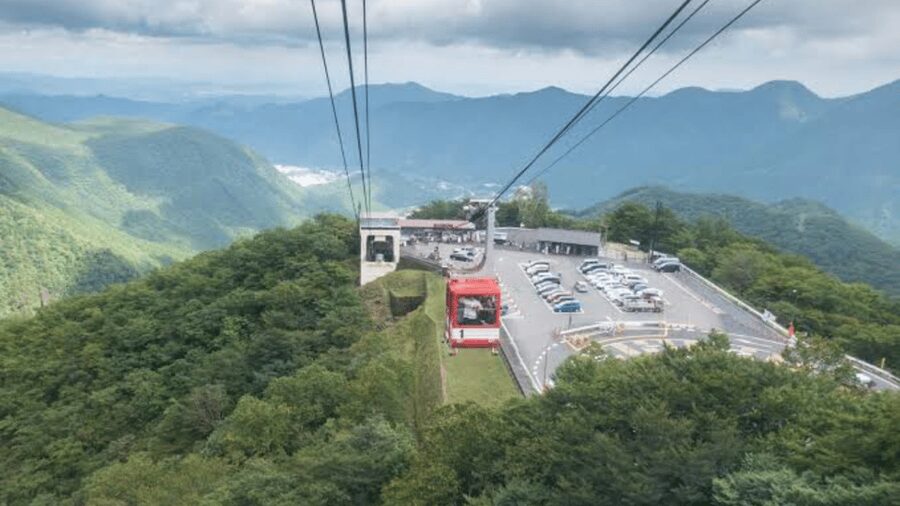
The Akechidaira Ropeway is where Nikko starts to feel big—like you’re suddenly seeing the whole park as a system of peaks, water, and forest. From the ride to the observation deck, you’ll get panoramic views of Mount Nantai, Lake Chuzenji, and Kegon Falls.
This is a stop I’d treat like a weather-dependent gift. If skies are clear, the views can be crisp and far-reaching. If clouds roll through, the experience shifts—less distance, more atmosphere. Either way, you’re getting elevation and perspective in a way that’s hard to match by road alone.
How long you’ll spend here is shorter than the shrine stops (around a 40-minute block in the schedule), but it’s efficient. Ropeway time plus observation time gives you “mountain viewing” without losing the rest of the day.
Lake Chūzenji: volcanic origins and a lunch break mindset
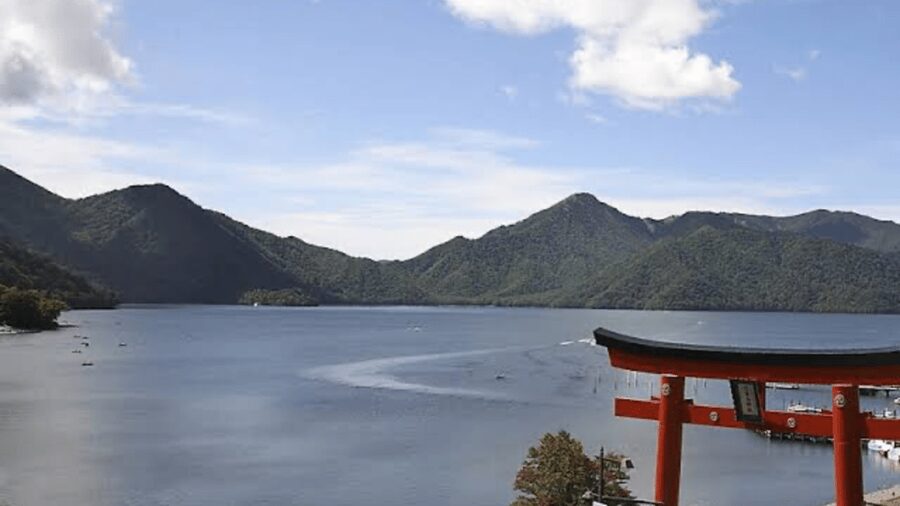
At Lake Chūzenji, you’re in highland territory under Mount Nantai. The lake is described as formed by volcanic activity, and that’s obvious the moment you look at the setting: the scene feels shaped by forces larger than any human plan.
You’ll get photo time and a guided visit with a walk of about an hour. You can also expect seasonal shifts in the area’s feel. In autumn especially, the foliage around the lake can turn into bright fall color, and the lake becomes a popular place to linger.
This also tends to be a good moment to plan your energy. There’s typically a stop during the day where you can purchase food, but lunch isn’t included. So think of Lake Chūzenji as part of your “recharge loop”: take in the view, then decide whether you want snacks here or later.
Kegon Falls: 97 meters of power and the value of an observation platform
Then comes the big waterfall: Kegon Falls, dropping about 97 meters into a rocky gorge. You’ll have guided time and walking around the viewpoint area (about an hour total on the schedule), and the best viewing is from the observation platform.
What I like is the year-round quality. It’s impressive in full fall flow, and it becomes something else in winter when the falls can freeze into ice formations. If your trip lines up with colder months, you might see something special—but don’t count on it. Winter conditions can also mean slippery ground, so take your time.
Kegon is accessible via a relatively short walk from the lake area, so it doesn’t require a huge hike. That’s a big reason this tour works for a broad range of people: you get a major natural spectacle without turning the day into a fitness test.
Edo Wonderland after the mountains: a fun cultural shift
Finishing at Edo Wonderland is a clever contrast. After shrine forests, waterfalls, and ropeway views, a historical theme park lets you switch gears into something more playful and interactive.
You’ll have time to experience the recreated Edo period atmosphere (1603–1868) through attractions and activities. The schedule here suggests a guided focus on cultural activities like traditional craft workshops and performances.
This stop isn’t just for theme-park fans. If you liked the Tokugawa connection at Toshogu, Edo Wonderland helps connect the dots in everyday life and settings, not just architecture and symbols.
Time on foot, photo rules, and food reality
This day is packed, but it isn’t constant trekking. You’ll do short walks and viewing blocks at each stop—about an hour at Toshogu, an hour at Shinkyo Bridge, roughly an hour at the Kanmangafuchi/Jiunji area, and then about an hour each at Lake Chūzenji and Kegon Falls. Ropeway time is shorter, and Edo Wonderland wraps up the day.
Still, you should dress for movement. Weather can change, and the grounds near the falls and lake can be wet. Bring layers for temperature swings between Tokyo and the mountain air.
Also plan for food. Meals and snacks are typically not included, though there will be a stop where you can buy food. Coffee/tea is included, which helps, but it’s not a full meal plan.
Two rules to keep in mind:
- No smoking
- No flash photography
So yes, you’ll take photos, but treat it like a respectful indoor/outdoor museum workflow: steady light, not flash.
Price and value: what $418 for up to 6 really buys
At $418 per group (up to 6 people), the math depends on how you split the cost. If you max out six people, it’s about $70 per person for a full day of transportation plus guided sightseeing at multiple major sites. Even if you don’t reach six, you’re still paying for private comfort and a driver who handles the whole Tokyo-to-Nikko route.
Where the value shows:
- Private hotel pickup and drop-off (huge time saver in Tokyo traffic)
- Luxury transport with WiFi and air conditioning
- Guided tours at the most important stops
- Coffee/tea plus photography support (helpful for group photos and quick shots)
The cost also reflects distance. Nikko is far enough that doing it “on your own” often means more transfers and more coordination. This tour buys simplicity, plus a guide to help you understand what you’re looking at.
Who this tour fits best
This is a strong match for:
- Couples and small families who want a private day rather than a crowded group bus
- People who care about both heritage sites and nature
- Anyone who wants the convenience of hotel pickup plus a day plan that won’t fall apart after traffic delays
It may be less ideal if you need lots of wheelchair-style accessibility. The information you’ll see includes wheelchair accessibility, but it also states it’s not suitable for wheelchair users and not suitable for people with mobility impairments. If mobility is a concern, check details with the provider before booking so you’re not guessing about walking surfaces and viewing areas.
Should you book this Nikko World Heritage full-day private tour?
Yes, if you want a one-day mix of Nikko Toshogu Shrine, iconic bridge-and-abyss sights, and serious mountain scenery—with the ease of private transport from Tokyo. The itinerary is built for value: lots of top-tier stops, but with guided help so you spend your time looking at what matters.
I’d especially recommend it if you’re traveling with 3–6 people, because the per-person value drops quickly. And if you’re the type who likes photography and seasonal views, this day gives you multiple “photo-to-understand” moments: the shrine gates and cat sculpture, the Shinkyo Bridge framing, the ropeway panorama, and the Kegon Falls observation.
FAQ
How long is the Nikko World Heritage full-day private tour?
It’s listed as a 12-hour experience, with starting times depending on availability.
Where can I get picked up in Tokyo?
Pickup options include Shibuya City and Shinjuku City. Pickup may also be available from major train stations such as Tokyo Station or Shinjuku Station, plus custom locations if you provide your hotel name and address.
Is hotel drop-off included?
Yes. The tour includes hotel pickup and drop-off with drop-off options in Shibuya City or Shinjuku City.
What’s included for food and drinks?
Lunch and snacks are not included. There is a stop where you can purchase food, but coffee/tea is included.
Do I need to buy tickets to the attractions myself?
The tour includes a note that you can skip the ticket line, but ticket costs aren’t listed as included or not included in the provided details.
Does the tour run in bad weather?
The tour operates in all weather conditions, so you should dress appropriately.
What languages will the live guide speak?
The live tour guide is listed as speaking English, Hindi, Japanese, and Arabic.