REVIEW · PADUA
Padua: Jewish Heritage Museum and Synagogue Tour
Book on GetYourGuide →Operated by Fondazione per il Museo della Padova Ebr · Bookable on GetYourGuide
Padua’s Jewish ghetto is small but unforgettable. This guided tour pairs the Padua Jewish Museum with the still-active Italian Synagogue, so you’re not just reading about the past—you’re standing in the places where prayer and community memory still live. It’s also a story-led walk through tight streets in the old ghetto area, with a guide who ties architecture, ritual objects, and local characters into one clear picture.
I really like two things here. First, the way the tour uses museum multimedia—video and short documentaries—to bring people from Padua’s Jewish world into focus, including figures like the Ramchal (Moshe Chaim Luzzatto) and Rabbi Judah Minz. Second, the synagogue visit is built around real details you can see: the polychrome marble Aron-ha-Kodesh and the Eastern-wall layout that explains how prayer space is shaped.
One heads-up: there’s a dress code. Shorts and sleeveless shirts aren’t allowed, and since this is partly inside sacred spaces, you’ll want to plan outfits that keep you comfortable for the full 1–1.5 hours.
Key highlights in plain terms
- Former Ashkenazi synagogue setting: the museum is housed in a restored historic synagogue building.
- Multimedia storytelling: a Denis Brotto video installation plus character-based narration through key sites.
- A ghetto walk on restricted streets: you’ll hear how community life worked—social, commercial, cultural, and religious.
- A working synagogue finale: you end in the Italian Synagogue, still used for prayer.
- Aron-ha-Kodesh details: learn what you’re looking at, including the sacred chamber on the Eastern Wall.
In This Review
- A short, guided start in Padua’s old ghetto area
- Padua Jewish Heritage Museum in a restored synagogue setting
- Multimedia characters: the people who made Padua’s Jewish life real
- Walking the Jewish ghetto streets: what changed, and how life worked
- The Italian Synagogue finale: prayer space, architecture, and Aron-ha-Kodesh
- Price and value: what $17 (and a weekday €60) really means
- Who this Padua Jewish museum and synagogue tour suits best
- Practical tips for your visit (so you don’t lose time)
- Should you book this tour of Padua’s Jewish museum and Italian Synagogue?
- FAQ
- How long is the Padua Jewish Heritage Museum and Synagogue tour?
- What places does the tour include?
- Is the museum inside a synagogue building?
- What multimedia is included?
- Where is the meeting point?
- Do I need to wait in line for tickets?
- What languages are offered for the guided tour?
- Is the tour wheelchair accessible?
- Are there dress code restrictions?
- Does the price change on weekdays?
A short, guided start in Padua’s old ghetto area
This is the kind of tour that works well when you want meaning without spending a whole day on logistics. The meeting point is easy to miss if you’re not looking for it: find the magenta-colored building, then show your voucher at the ticket counter before the tour begins.
The tour runs about 1 to 1.5 hours, so you get focused attention rather than a rushed checklist. It’s also offered in English and Italian, with a live guide leading the whole route. If you’re traveling with kids, it can be a smart family option because the stories are structured around distinct people and places, not just dates.
Padua Jewish Heritage Museum in a restored synagogue setting
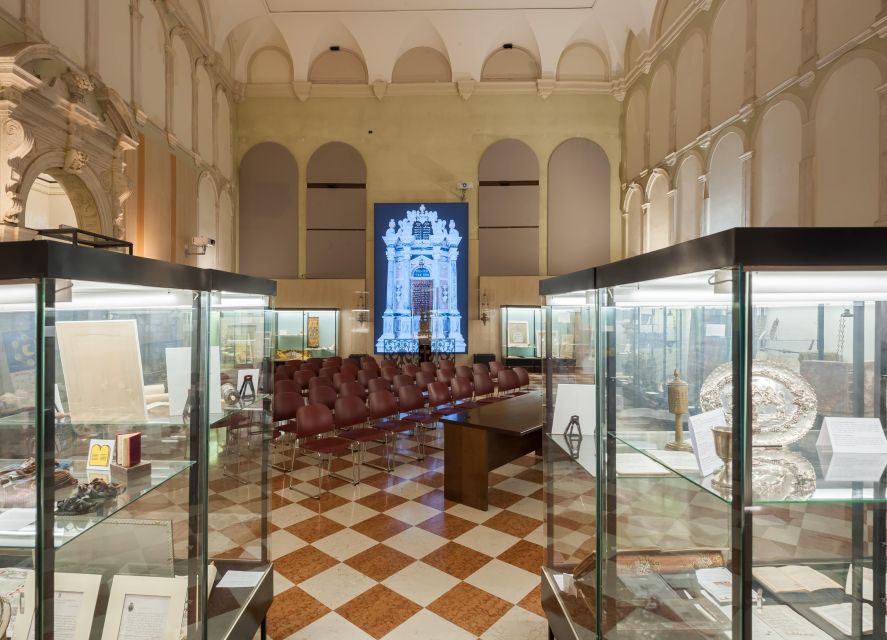
The heart of the experience is the Padua Jewish Museum, located in what used to be the former Ashkenazi Synagogue. That building context matters. When a museum is inside a former synagogue space, you’re not only viewing artifacts—you’re getting a sense for how religious life shaped daily rhythm and community identity.
Inside, you’ll see exhibits that cover Jewish community events and rituals in Padua from origins through to the present. The museum’s multimedia portion is also a key part of why this tour feels smoother than a traditional museum visit. You’ll watch a multimedia video installation by film director Denis Brotto, which helps translate names, objects, and historical shifts into something you can actually follow.
Multimedia characters: the people who made Padua’s Jewish life real
One reason this tour earns such strong praise is the way it turns history into story. The museum experience is designed around the life of 10 illustrious characters connected to Padua Jewish life, and the narration is delivered through the places that represent that chapter of local Judaism.
In the synagogue-world context, you’ll likely hear about major teachers and figures tied to Padua, including the Ramchal (Moshe Chaim Luzzatto) and Rabbi Judah Minz. These aren’t random “famous names” dropped for effect. They’re presented as part of how study, prayer, and community leadership formed a long arc in the city.
Some visitors also highlight that the multimedia includes short documentary-style videos focused on key personalities connected to Italian history. Even if you’re not a cinema person, those segments tend to work as a time-saving shortcut: you learn the key points while staying inside a single, guided narrative.
Walking the Jewish ghetto streets: what changed, and how life worked
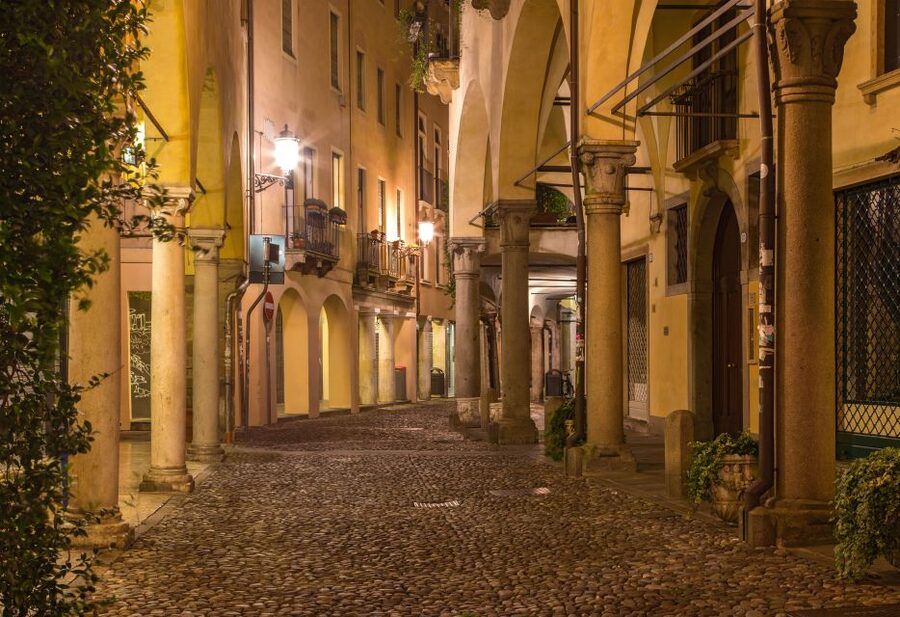
After the museum portion, the tour continues through the narrow and restricted streets of the old ghetto area. This is where the tour goes beyond what you can learn from walls and display cases.
Your guide explains the story of the Jewish settlement in Padua, with attention to the community’s commercial, social, cultural, and religious past. I like this part because it gives you a practical sense of how communities lived when the street layout and access rules shaped daily choices. You start to see how architecture and geography can influence everything from trade to gathering spaces.
It’s also a good time to slow down and look at the street scale. In many European cities, ghetto districts can feel like a background detail unless you’re guided through them. Here, the route and narration help the area feel legible—like you understand what mattered and why.
The Italian Synagogue finale: prayer space, architecture, and Aron-ha-Kodesh
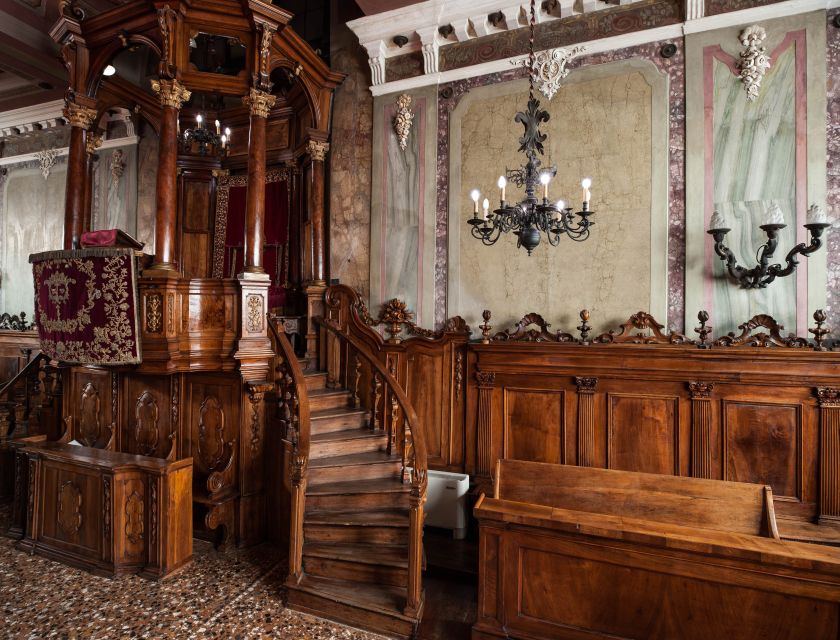
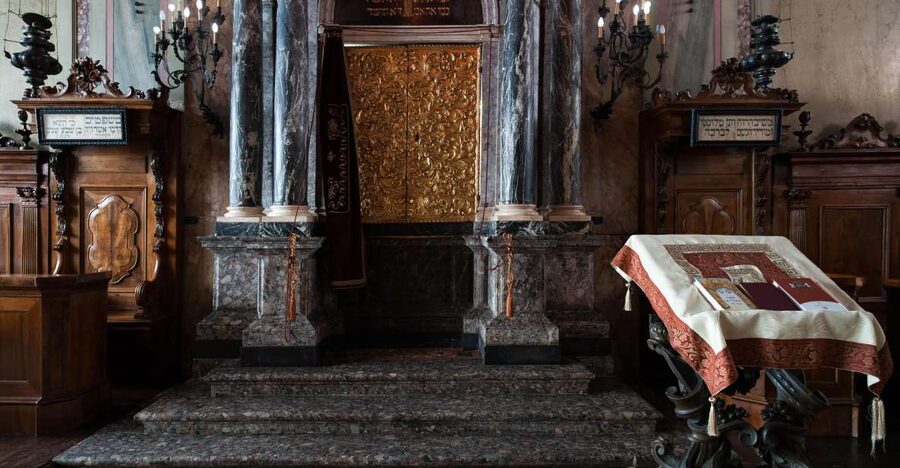
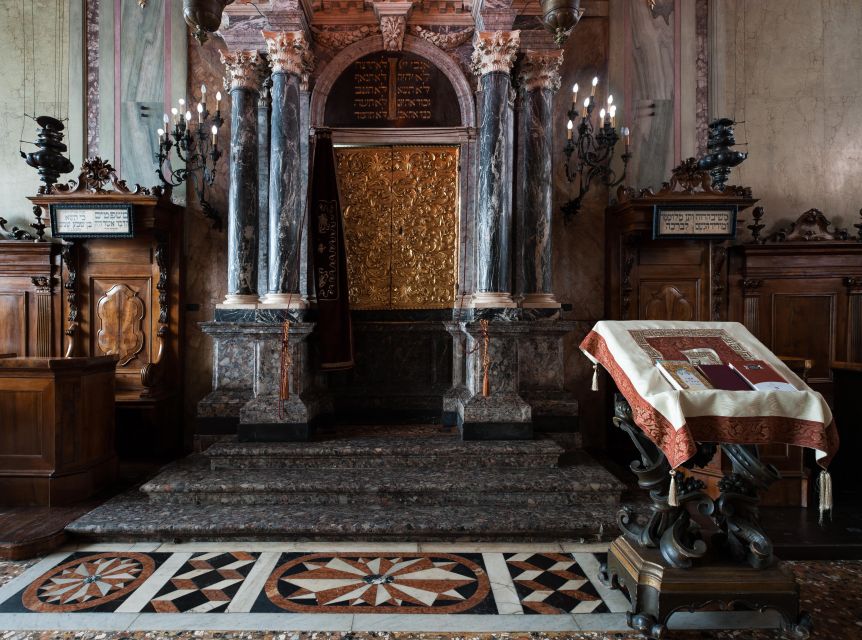
The tour ends at the Italian Synagogue, and that detail alone makes the visit different from a “museum synagogue.” This is a still-active prayer site for members of the Padua community.
When you enter, pay attention to the sacred layout. The guide points out the Aron-ha-Kodesh—the sacred chamber placed on the Eastern Wall—and describes the polychrome marble you can see. Knowing what you’re looking at changes everything. Without that context, it’s easy to treat a synagogue interior as just impressive decoration. With the explanation, it becomes clear how design supports prayer and community ritual.
People consistently describe this synagogue as breathtaking, and I get why. It’s not only the materials and craftsmanship; it’s the fact that you’re learning the “why” behind the “wow.” This ending feels more like participation in a living place than sightseeing in a past-only exhibit.
Price and value: what $17 (and a weekday €60) really means
The listing price you’ll see is $17 per person, and the duration is 1 to 1.5 hours. On top of that, the tour includes entry to both the museum and synagogue, a guided tour, and multimedia.
Here’s the part to double-check before you commit: for weekday reservations, a note says a €60 ticket is requested. That means your real cost may depend on the day you book. If you’re planning a weekday visit (like a Monday to Friday), compare those figures early so you’re not surprised later.
Is it good value? In my view, yes, if you care about three things:
1) guided interpretation (not just entry),
2) a historic synagogue setting, and
3) a working synagogue finale.
The tour also keeps things efficient by skipping the ticket line, so you spend your time where it counts: inside.
Who this Padua Jewish museum and synagogue tour suits best
This works especially well if you’re:
- interested in Judaica and synagogue architecture (you get specific guidance on elements like the Aron-ha-Kodesh),
- curious about how a minority community shaped a major Italian city over centuries,
- traveling with family and want a story-forward tour that isn’t only lectures,
- the type of traveler who likes connecting history to physical space in the same hour.
If you’re traveling with mobility needs, this tour is listed as wheelchair accessible. If you’re sensitive to dress rules, plan ahead: shorts and sleeveless shirts are not allowed in the sacred spaces.
Practical tips for your visit (so you don’t lose time)
A few small choices will make your tour feel smooth.
- Dress for the synagogue: bring a layer and avoid shorts/sleeveless tops.
- Arrive early enough to find the magenta building: the meeting point stands out visually, but only if you’re looking for it.
- Take notes on the meaningful details: ask your guide to point out the Eastern-wall Aron-ha-Kodesh area—this is the moment where explanations turn into understanding.
- Plan for a focused hour: the tour is short, so questions are best saved for when the guide can actually answer in context (museum objects, architecture, and prayer layout).
One more small thing: guides for this experience include people like Antonella, Simonetta, and Isaiah (names seen in confirmed bookings). You might not get the exact same guide, but it’s a hint that the tour is led by people who take the storytelling seriously.
Should you book this tour of Padua’s Jewish museum and Italian Synagogue?
Book it if you want one high-impact stop in Padua that mixes history, story, and sacred architecture in a tight time window. The combination of the former Ashkenazi synagogue museum, Denis Brotto multimedia, a character-led narrative, and a finale in a synagogue still used for prayer is a strong package for the time you spend.
Don’t book it if you need a fully casual sightseeing plan (because of the dress rules and the fact that this is a guided experience focused on reverent sites). And if you’re visiting on a weekday, re-check the price note about the €60 ticket request so your budget matches reality.
If those boxes fit your style, this is one of the best ways to understand Padua’s Jewish heritage without getting lost in dates or walking past important sites without meaning.
FAQ
How long is the Padua Jewish Heritage Museum and Synagogue tour?
The duration is about 1 to 1.5 hours.
What places does the tour include?
It includes the Padua Jewish Museum and the Italian Synagogue.
Is the museum inside a synagogue building?
Yes. The museum is in the former Ashkenazi Synagogue.
What multimedia is included?
The museum visit features a multimedia video installation by film director Denis Brotto.
Where is the meeting point?
Look for a magenta-colored building in the street, then show your voucher at the ticket counter.
Do I need to wait in line for tickets?
The tour includes a way to skip the ticket line.
What languages are offered for the guided tour?
The tour is offered in English and Italian.
Is the tour wheelchair accessible?
Yes, it is listed as wheelchair accessible.
Are there dress code restrictions?
Yes. Shorts and sleeveless shirts are not allowed.
Does the price change on weekdays?
There is a note that weekday reservations request a €60 ticket, so weekday pricing may be different from the listed per-person price.