REVIEW · KATHMANDU
Kathmandu and Patan Heritage and Living Goddess Experience Tour
Book on Viator →Operated by Bold Himalaya Treks and Travels Pvt Ltd · Bookable on Viator
Seeing Kumari in Kathmandu feels unreal in the best way. This 2.5-hour walk blends Kathmandu Durbar Square (UNESCO) with the Living Goddess Kumari stops, so you’re not just looking at old buildings—you’re watching living tradition in real time. I also like how the route ties Hindu and Buddhist sites together on the same loop, so your afternoon has both ceremony and calm.
One thing to plan for: the itinerary is mostly walking on uneven, old-city streets, and while the UNESCO Durbar Square fee is included, the details on other admission tickets are not fully blanket-covered—so you’ll want to check what you personally need to pay on the day.
In This Review
- Key Highlights You’ll Feel Quickly
- Kumari and Durbar Square: Why This Tour Works
- The Loop Starts by Shree Gha and Keeps Moving
- Kathmandu Durbar Square: Temples, Museums, and the “Living” Part
- Basantapur Durbar Square and the Basantapur Tower Stop
- What the Guide Experience Adds (Badri, Sovit, and Good Pacing)
- Market Time and Temple Focus: How You’ll Spend Your Feet
- Price and Value: Is $50 a Good Deal?
- Comfort, Timing, and How to Prepare for a 2.5-Hour Walk
- Who Should Book This (and Who Might Want a Different Plan)
- Should You Book? My Straight Answer
- FAQ
- How long is the Kathmandu and Patan Heritage and Living Goddess Experience Tour?
- Is hotel pickup offered?
- Is this a private tour?
- What major places are included in the itinerary?
- Is Kumari part of the tour?
- Is UNESCO Durbar Square admission included in the price?
- Are other admission tickets included?
- Do I need to tip the guide?
- What’s the cancellation policy?
- Are service animals allowed?
Key Highlights You’ll Feel Quickly

- Kumari viewing built into the route: the Living Goddess experience is a named stop, not an afterthought
- UNESCO Durbar Square access: the UNESCO Durbar Square entrance fee is included in what you pay
- A walk through spiritual Kathmandu: Shree Gha adds a quiet Buddhist break between temple stops
- Basantapur Durbar Square architecture: you’ll learn what the Malla & Shah dynasty built, from the 12th to 19th centuries
- Kalvairabh stone sculpture moment: a specific 17th-century piece is pointed out, not just mentioned
Kumari and Durbar Square: Why This Tour Works
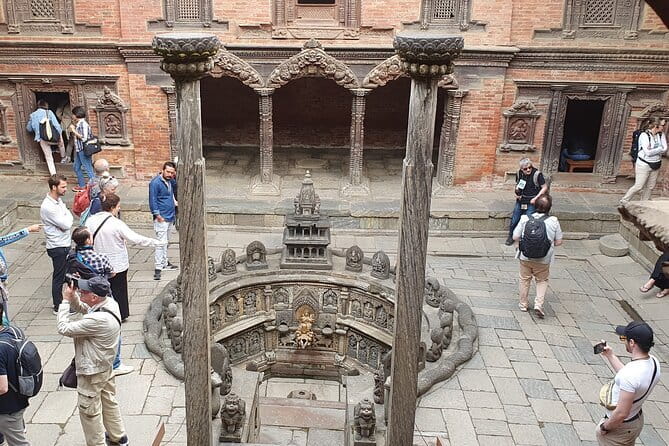
This is the kind of tour that makes you slow down. Not because it drags, but because the sights demand attention: temples, courtyards, and the strange-yet-real feeling of watching a tradition that still shapes daily life.
The best part is that Kumari is treated as a core experience, tied directly to the Basantapur Durbar Square area and Kathmandu’s Durbar Square complex. You’re also guided through the background that helps you read what you’re seeing—why places matter, and how Newari and Hindu practice show up in the architecture and the rituals you encounter.
I also like the balance of spiritual stops. Shree Gha is included as a serene Buddhist shrine on the route, which gives your brain a breather after the temple crowds and ornamented stonework. It’s a small design choice, but it changes the day from sightseeing into a calmer walk with meaning.
You can also read our reviews of more historical tours in Kathmandu

The Loop Starts by Shree Gha and Keeps Moving
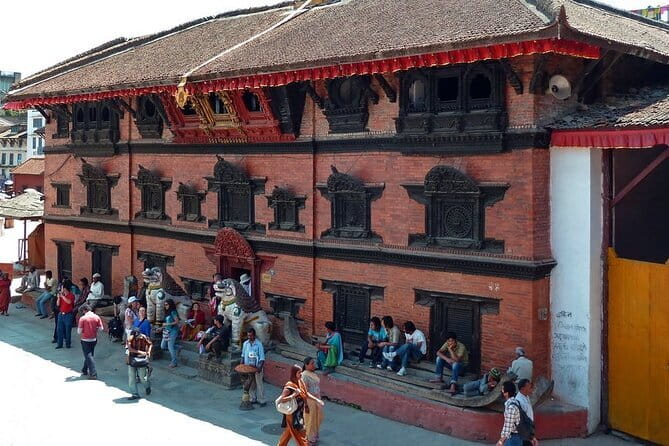
Your tour begins with a meeting point at your hotel, then a 30-minute walk through central areas. The itinerary specifically routes you past Shree Gha, a Buddhist shrine that’s meant to slow things down right away.
After that, you move into the local market zone (the tour mentions exploring the market atmosphere and goods). This is where Kathmandu feels practical and human. You’re not standing back like you’re at a museum; you’re walking among the day-to-day rhythm—shops, street energy, and people going about errands.
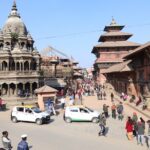
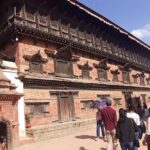
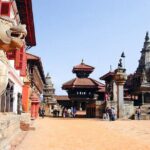
Then you reach Kathmandu Durbar Square. This is UNESCO territory, and the tour is set up to help you make sense of what you’re seeing there: temples, museums, and the Kumari-related viewing within the Durbar Square area.
A small logistics note: the itinerary lists an admission-ticket status for the Durbar Square segment as not included. At the same time, the tour’s included section says the UNESCO Durbar Square fee is included. In real life, this can mean the main UNESCO entry is handled, but specific museum tickets or additional entry fees may still require payment. Before you go, it’s worth asking your operator which exact entrances are covered for your day.
Kathmandu Durbar Square: Temples, Museums, and the “Living” Part
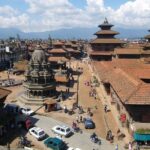
Kathmandu Durbar Square is not one single stop. It’s a whole complex of courtyards and buildings, and the tour structure helps you avoid the common problem: wandering without context.
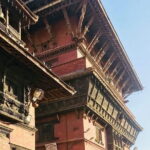
You’ll be guided through key areas, and your guide’s job is to connect the architecture and symbols to what they mean. The benefit of a trained guide here is simple—you spend less time guessing and more time noticing. Even the museum time fits this purpose. You’re not just getting photos. You’re getting the story behind why certain structures look the way they do.
And then there’s the main reason people book this tour: the Living Goddess, Kumari. In this itinerary, Kumari is explicitly part of what you’ll see within the Durbar Square experience. That’s a big deal in Nepal, because Kumari is treated as a living deity and not a reenactment. So even if you’ve read about it before, seeing it during a guided stop is a different thing entirely.
Basantapur Durbar Square and the Basantapur Tower Stop
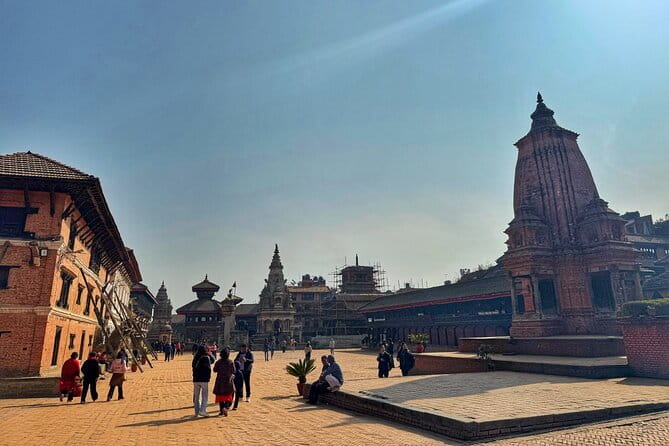
The second part shifts you toward Basantapur and the UNESCO-listed Basantapur Durbar Square. This is where the tour turns from “important places” into “the timeline behind the stone.”
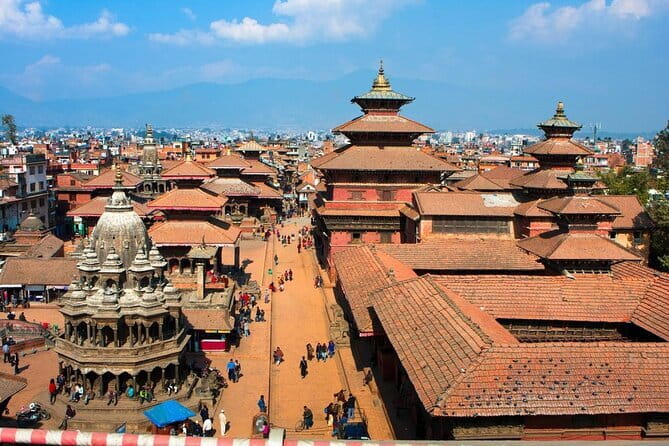
The itinerary calls out the architecture associated with the Malla & Shah dynasty, spanning the 12th through 19th centuries. That matters because you start recognizing styles and layouts as you walk. Without context, you may just see old buildings. With context, you see layers of power, craft, and religious life.
You’ll also visit Kumari’s residence area as part of this stop, along with a specific religious landmark: the 17th-century stone sculpture of Kalvairabh. That kind of named detail is valuable. It means you’re not only moving through crowds—you’re also landing on key points you can later point to and remember.
The local museum time adds one more piece. Even if you’re short on time, a quick museum stop can correct the common misunderstanding: that old city blocks are just background. Here, they’re the “record” of how communities organized religion and authority.
What the Guide Experience Adds (Badri, Sovit, and Good Pacing)
The tour includes a well-experienced, certified and trained guide, and the day is designed around guided interpretation—not just location-hopping.
From the experiences people shared, guides like Badri and Sovit stand out for making the stories click. One traveler specifically praised Badri’s knowledge and kindness after trekking, and mentioned that the route covered Durbar Square plus other key temple areas. Another person highlighted Sovit’s friendliness and subject command, describing it as more like exploring with a local friend—plus the added practical bonus of grabbing chai and momos during the tour.
Even if you don’t plan a food detour, that’s a good clue about pacing. This tour isn’t meant to feel like a lecture. It’s meant to feel like you’re being shown around with explanations at the right moments.

Market Time and Temple Focus: How You’ll Spend Your Feet
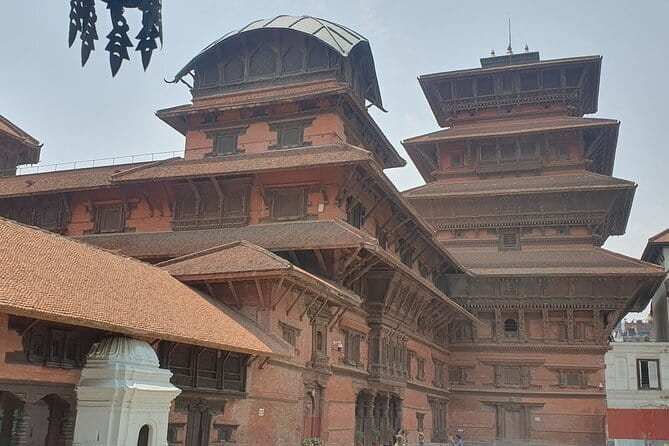
A big part of the value here is that you’re walking. You’re not just hopping between taxi stops. The itinerary includes:
- a walk past Shree Gha
- local market exploration with time to look and experience the atmosphere
- temple-and-courtyard wandering inside Kathmandu Durbar Square
- a second UNESCO area visit around Basantapur Durbar Square
Why this matters: Kathmandu’s character is in the street texture. When you walk, you see the small things—signs, shrine corners, people heading to work, and the way the built environment frames daily religious life.
You should also expect that walking in old-city Kathmandu means uneven stones and tight lanes. Wear shoes you can trust. If you’re the type who gets tired fast, plan to take it at a steady pace and lean on the guide’s rhythm.
Price and Value: Is $50 a Good Deal?
At $50 per person, you’re paying for a focused 2.5-hour guided walk that covers major UNESCO areas and includes the UNESCO Durbar Square fee.
What you get included:
- walking tour
- a certified and trained guide
- cultural experience
- UNESCO Durbar Square entrance fee
What may cost extra:
- the itinerary notes admission tickets not included for parts of the day
That combo is common when online descriptions mix coverage details. Here’s the practical way to think about it: you’re not likely to end up paying full price for major UNESCO access if the UNESCO fee is truly included for your booking, but museum entries or additional ticketed attractions can still be separate.
Also check the difference between a cultural tour and a fixed-price ticket bundle. This is very much the first type. The guide and the route are the product; the included entrance fee is a key part, but you should still be ready with some extra cash for any small ticket requirements you’re asked for on site.
Comfort, Timing, and How to Prepare for a 2.5-Hour Walk

The tour runs about 2 hours 30 minutes. Stop one is listed as about 1 hour 30 minutes, and stop two as about 1 hour. That’s a tight schedule, so arrive with your day energy intact.
Practical tips:
- Wear comfortable, grippy shoes for stone lanes.
- Bring water. The schedule doesn’t mention refreshments, but you might run into tea and snacks along the way.
- Use the mobile ticket feature if it’s part of your confirmation. It’s convenient when you’re moving quickly between areas.
- If you get pickup, confirm the exact time window. The itinerary suggests hotel pickup and also mentions pickup again before the second stop segment.
- At the end, you can choose to be dropped off at your hotel or continue exploring nearby streets and markets.
Who Should Book This (and Who Might Want a Different Plan)
This works best if:
- you want a short, high-impact introduction to Kathmandu’s Durbar Square areas
- you care about seeing Kumari as part of the itinerary (not as a random mention)
- you like guided context so you can understand what you’re looking at
- you prefer walking to get street-level atmosphere quickly
It may be less ideal if:
- you hate walking on uneven surfaces
- you want a long, museum-heavy day without street time
- you expect Patan to be a major focus based on the tour name alone
One note on that last point: the route described here stays centered on Kathmandu’s Durbar Square and Basantapur areas. If Patan is included in your specific booking, ask the operator to confirm the exact Patan portion so expectations match the day.
Should You Book? My Straight Answer
Book it if you want a compact tour that hits the must-see religious and historical power points—especially the chance to see Kumari with proper context. With UNESCO Durbar Square access included and a certified guide leading the story, the value is strong for a 2.5-hour outing.
Skip or choose something else if you want a ticket-and-transportation-heavy package with minimal walking, or if you need fully predictable admission inclusions beyond the UNESCO fee. In that case, do a quick message to the provider to confirm which entries are covered for your exact day.
If you’re planning Kathmandu in a short window, this is an efficient way to understand the city without feeling rushed through everything that matters.
FAQ
How long is the Kathmandu and Patan Heritage and Living Goddess Experience Tour?
It runs for about 2 hours 30 minutes (approx.), with two main stops in the itinerary.
Is hotel pickup offered?
Yes. Pickup is offered, and the itinerary mentions meeting at your hotel at the start and picking you up again before the second touring segment.
Is this a private tour?
Yes. It’s listed as private, meaning only your group participates.
What major places are included in the itinerary?
You’ll pass by Shree Gha, explore a local market area, visit Kathmandu Durbar Square, and then go to Basantapur Durbar Square (with Basantapur Tower noted), including Kumari-related viewing and a local museum.
Is Kumari part of the tour?
Yes. The itinerary specifically includes the Living Goddess experience, with stops connected to seeing Kumari.
Is UNESCO Durbar Square admission included in the price?
The included section says the UNESCO Durbar Square fee entrance fee is included.
Are other admission tickets included?
The itinerary notes Admission Ticket Not Included for the stops. Because the description also says the UNESCO Durbar Square fee is included, it’s smart to confirm which specific museum or related tickets you may need to pay on the day.
Do I need to tip the guide?
Tips for the guide are not included.
What’s the cancellation policy?
You can cancel for free up to 24 hours in advance for a full refund. If you cancel less than 24 hours before the experience starts, the amount paid is not refunded.
Are service animals allowed?
Yes, service animals are allowed.