REVIEW · TAKAYAMA
Kanazawa: World Heritage Shirakawa-go & Two Local Experience
Book on GetYourGuide →Operated by Japan Panoramic Tours · Bookable on GetYourGuide
Two worlds, one day, one guide. This full-day Kanazawa tour pairs Shirakawa-go with Kenrokuen, plus hands-on craft time built around gold leaf, so you leave with memories you can hold. What I like is the early, guided flow: you get the story behind each place without feeling rushed between stops. The one thing to consider is that it’s a long day, and lunch is on your own.
I also like that the experience is built for real comprehension, not just sightseeing. You get an English-speaking tour guide, plus audio headsets in Spanish, French, Italian, German, Portuguese, and Ukrainian when you want extra support. One more practical note: the afternoon craft can be wagashi-making or Daruma painting depending on the craftsman’s schedule, so don’t expect one exact art option every day.
In This Review
- Key things I’d circle before you book
- A fast way to see Shirakawa-go and Kanazawa without a headache
- The coach ride from Kanazawa Station: practical comfort plus context
- UNESCO Shirakawa-go: Gassho-zukuri streets and a village that feels lived-in
- Kenrokuen Garden in Kanazawa: switching gears from snow village to refined design
- A short Kanazawa Castle-area walk: enough to ground the city
- Wagashi making or Daruma painting: the craft part that makes the day feel real
- Higashi Chaya District: gold leaf, postcards, and old-world evening energy
- Food stops you can actually plan for: lunch on your own, snacks built into the day
- Price and value: why $116 can feel fair on this specific route
- Pacing, weather, and what to pack for a 9-hour day
- Who this tour is best for
- Should you book this Kanazawa and Shirakawa-go day tour?
- FAQ
- How long is the Kanazawa: World Heritage Shirakawa-go & Two Local Experience tour?
- Where do I meet the group?
- Is lunch included?
- What craft activities are included?
- Is Kenrokuen Garden admission included?
- Are there admission fees included for the craft activities?
- What languages are available on this tour?
- Is hotel pickup included?
- What’s the transportation like?
Key things I’d circle before you book
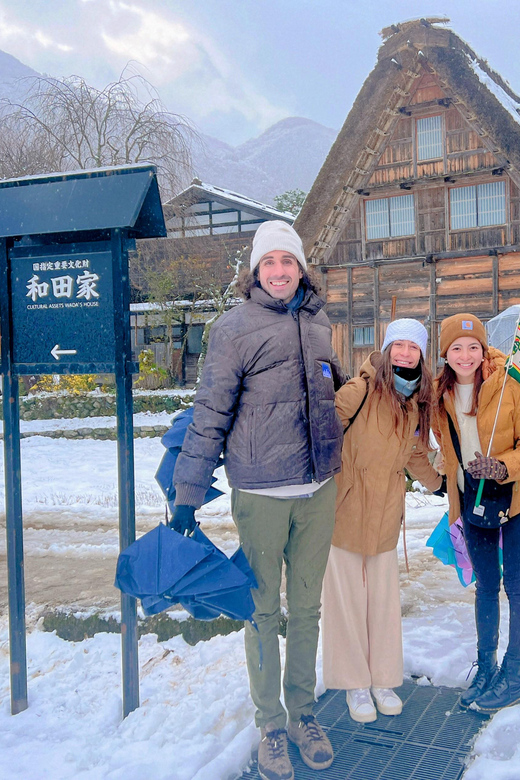
- UNESCO Shirakawa-go early walk for easier photos and calmer streets
- Kenrokuen Garden with real garden “reading” tips, not random wandering
- Hands-on wagashi or Daruma painting with a take-home result
- Gold-leaf craft time in Higashi Chaya District (including gold-leaf postcard making)
- Comfortable group travel via air-conditioned coach with free Wi-Fi
- Local guide energy (names you may meet include Yasushi, Aiko, and Yosushi)
A fast way to see Shirakawa-go and Kanazawa without a headache
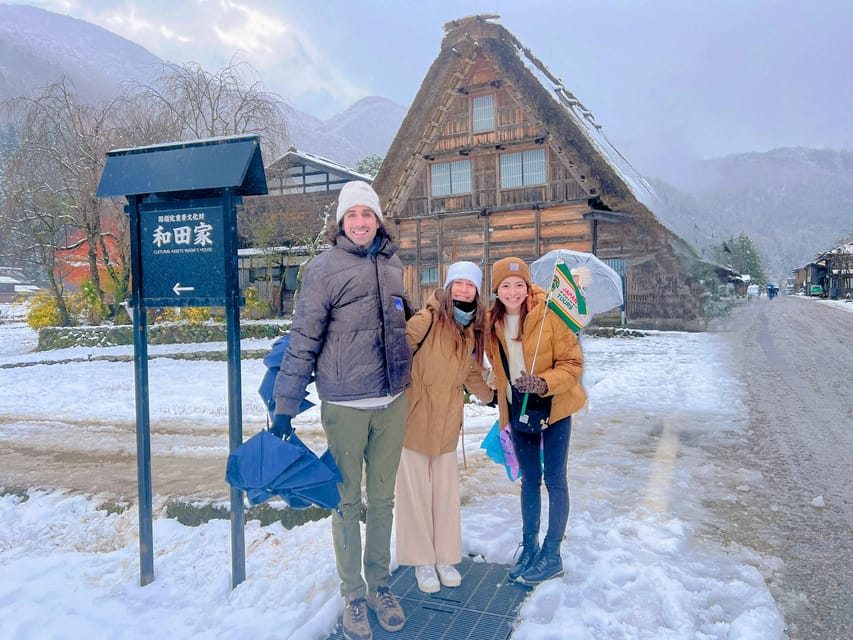
Kanazawa is already a great base, but Shirakawa-go is the kind of place that can swallow your whole day if you try to DIY it wrong. This tour fixes that. You start in Kanazawa and ride straight to Shirakawa-go, then come back for a focused Kanazawa loop.
What you’re really paying for is time. You trade the stress of buses, timing, and figuring out what matters most for a guided day with structured stops and built-in craft experiences. At $116 per person for a 9-hour outing, it’s not “cheap,” but you’re also getting paid attention: admission, guided commentary, and multiple activities included.
If your Japan trip only has one day for this region, I like that this option gives you both the storybook mountain village and Kanazawa’s refined cultural side.
You can also read our reviews of more historical tours in Takayama

The coach ride from Kanazawa Station: practical comfort plus context
You meet at Kanazawa Station’s West Plaza short-term car park, and check in at 7:50 AM for an 8:00 AM departure. That early start matters, because Shirakawa-go looks best when you can actually see the details of the buildings and streets without crowds compressing everything.
The ride itself is built for comfort: it’s an air-conditioned coach with free Wi-Fi. On top of that, you get guide commentary from the English-speaking team while you’re on the expressway, so you’re not “waiting to learn” once you arrive—you start learning as you travel.
I also appreciate that audio headsets are included in multiple languages. If you ever feel like the pace is too fast, you can plug in and catch what you missed.
UNESCO Shirakawa-go: Gassho-zukuri streets and a village that feels lived-in
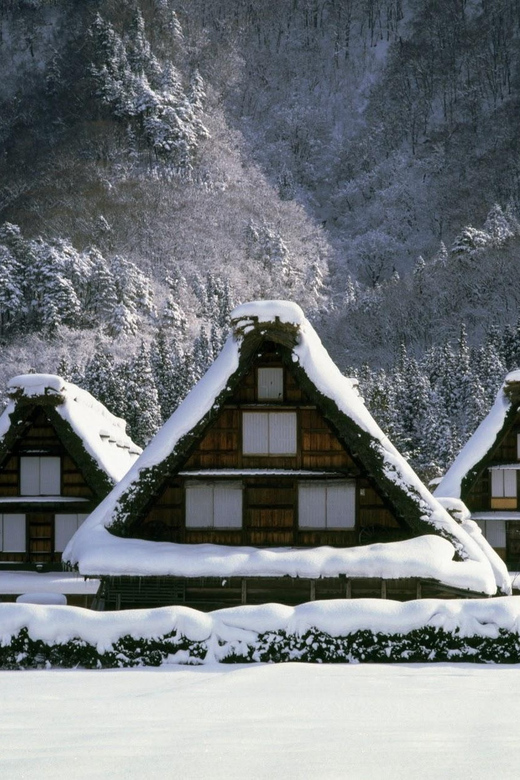
Shirakawa-go is the main event. This is the UNESCO village known for Gassho-zukuri farmhouses—steep roofs designed for heavy snow—clustered across the valley. Even if you’ve seen photos, the scale hits differently when you’re walking among the structures.
You’ll get a photo stop plus guided time on foot (about 2.33 hours total at Shirakawa-go). In winter, the whole place can turn into a postcard, and the timing of an early arrival can make the walk feel more spacious. The guide helps you notice small things: why the roofs look the way they do, how the village layout supports daily life, and what you’re seeing beyond the obvious viewpoint angles.
You’ll also have opportunities to interact with the local side of the experience. The plan includes time to try regional specialties on your own (examples mentioned include Hida beef and doburoku ice cream), plus plenty of room to wander at your pace while your guide points out what to prioritize.
The trade-off: this is still one village, and weather can change the experience fast. If it’s cold or snowing, your feet will feel it—so bring comfortable shoes and plan to slow down a bit when surfaces get slick.
Kenrokuen Garden in Kanazawa: switching gears from snow village to refined design
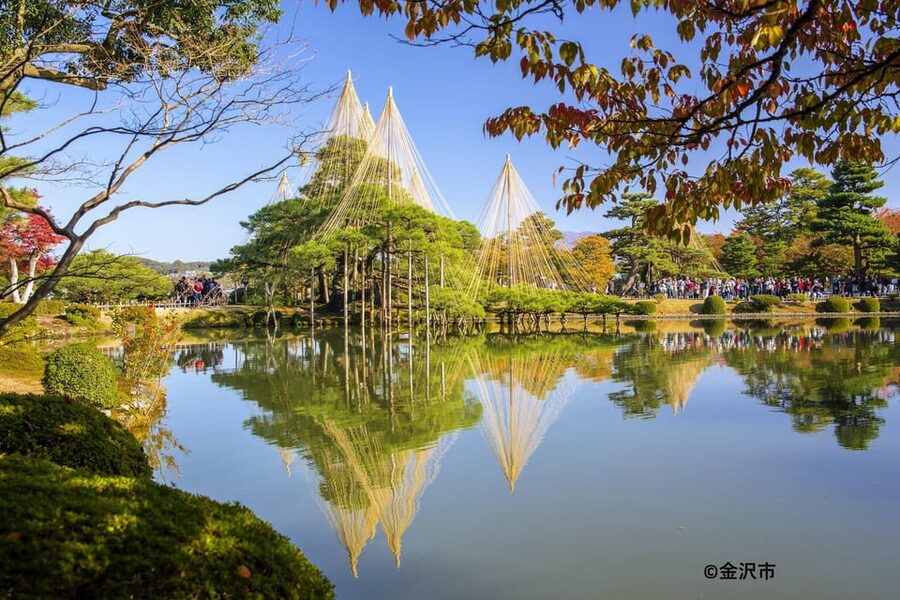
After Shirakawa-go, the day shifts into Kanazawa’s most famous green space: Kenrokuen Garden. You’re there for about 1 hour, which is a good amount for getting oriented and actually noticing how the garden is composed.
Here’s the value of going with a guide: Kenrokuen isn’t just pretty. It’s designed as a sequence of viewpoints—water, trees, flowers, stones, bridges, teahouses, and hidden corners. When you walk it without context, you might remember “nice scenery.” With the right commentary, you start recognizing how the garden is built to guide your eyes.
Kenrokuen changes with the seasons, so even if you think you know what it looks like, it won’t be the same from month to month. Guides often explain what you’re seeing in that moment—especially when winter light or autumn color changes the way paths and structures feel.
If you only have one hour here, you’ll want to pace yourself. Sit for a minute when the guide points out the intended view, then continue. That rhythm is what turns Kenrokuen from a checklist stop into something more memorable.
A short Kanazawa Castle-area walk: enough to ground the city
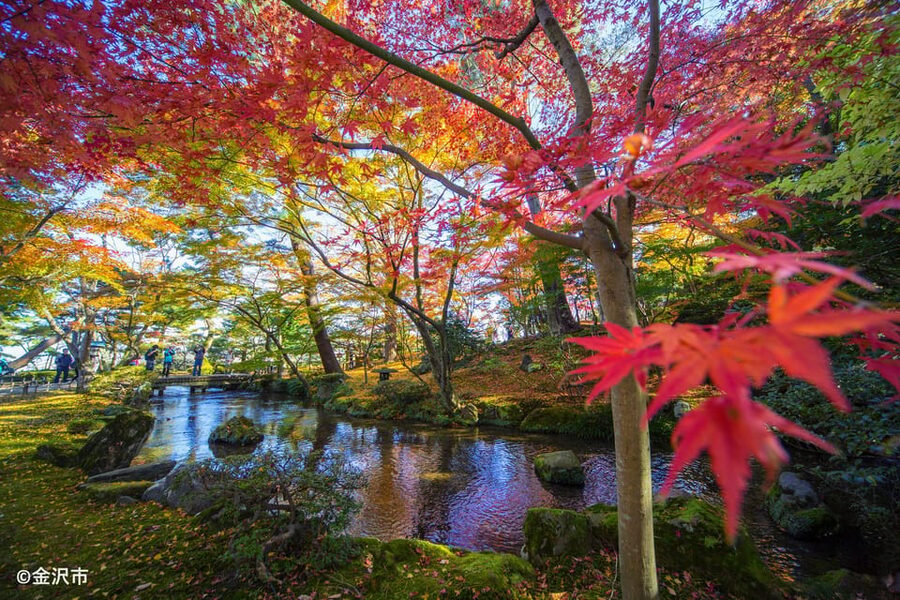
You also get a walk around the Kanazawa Castle area. This isn’t described as a long deep dive, but it serves a purpose: it grounds your day in the city’s historic backbone before you move into the craft and tea-district atmosphere.
Think of it as a reset. After the village and the garden, this stop gives you a sense of the urban layout and historical context that connects to Kanazawa’s later culture and craftsmanship.
Don’t expect a full museum day here. Instead, treat it like a stretch break where your guide helps connect the dots.
Wagashi making or Daruma painting: the craft part that makes the day feel real
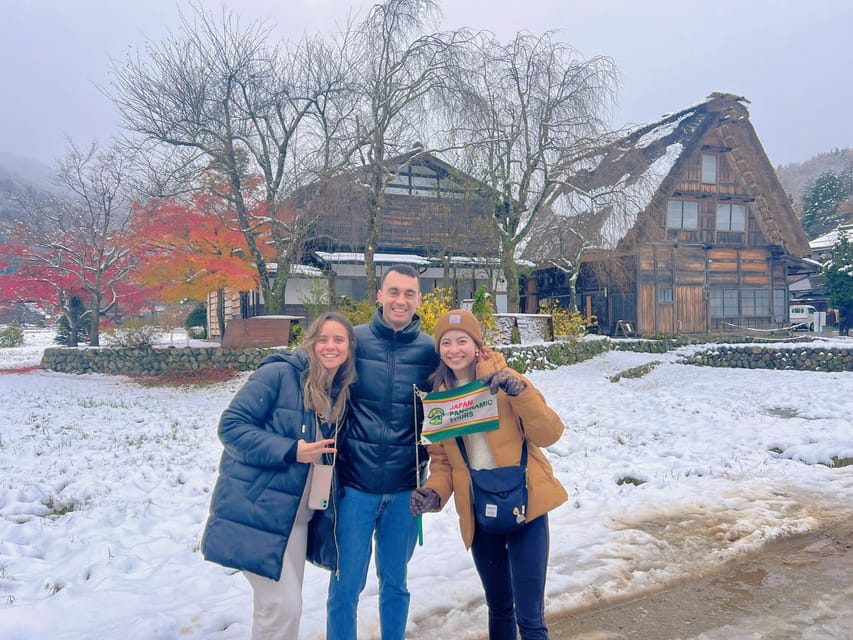
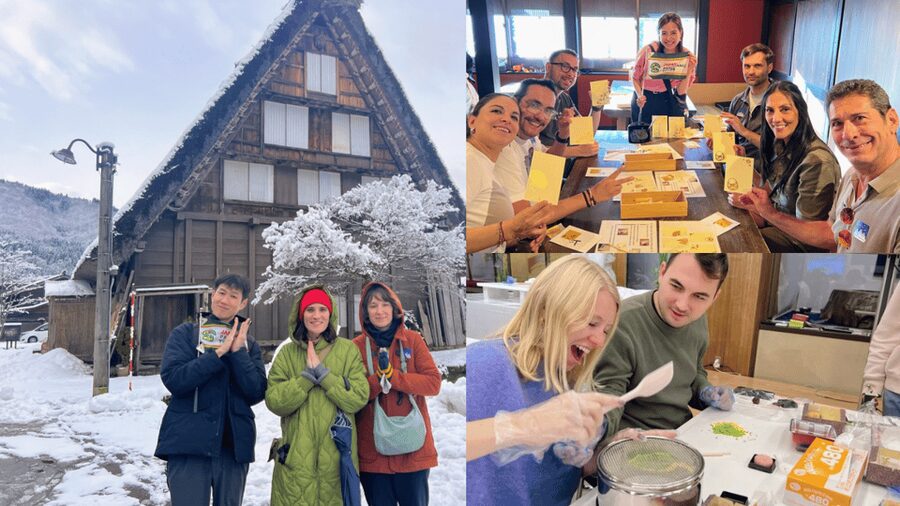
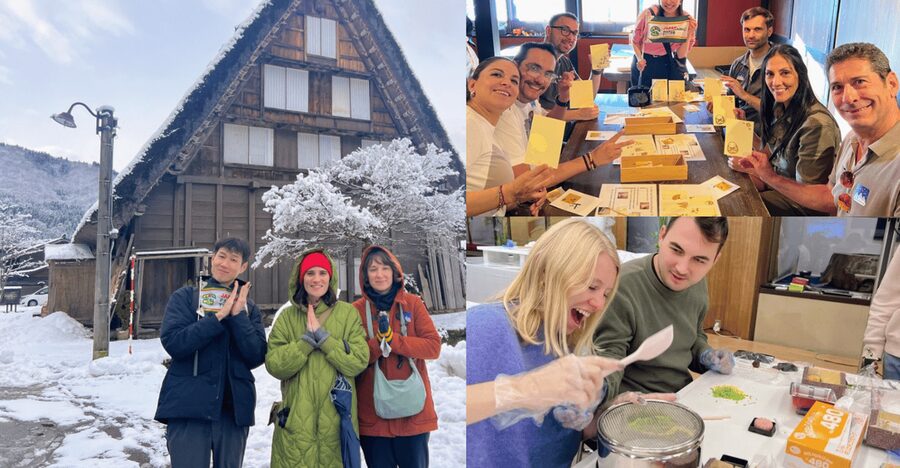
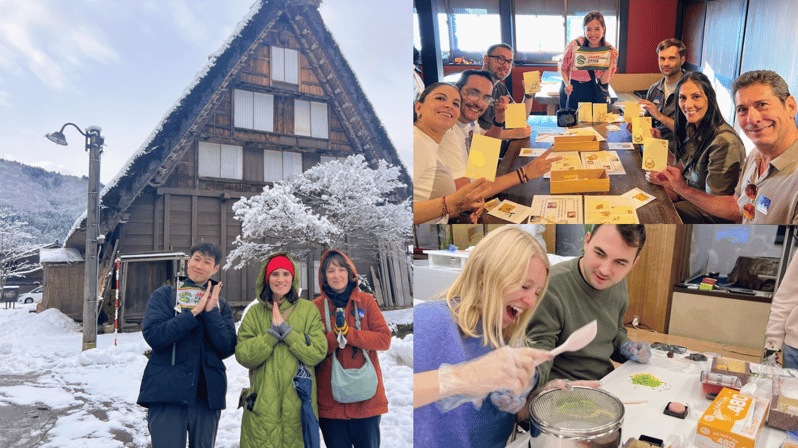
One of the best reasons to book this tour is the hands-on afternoon. In Kanazawa, you’ll do either Japanese sweets-making (wagashi) or painting of Daruma dolls, depending on the craftsman’s schedule. Either way, you’re not just watching a demo—you’re producing something you can take home.
This is where the tour becomes more than sightseeing. Making wagashi or painting Daruma turns the city’s culture into a physical action. You start paying attention to tools, textures, and little techniques that you’d never notice in a photo or storefront window.
From what you can expect in the experience, you’ll also get time that feels structured but not rushed—around 50 minutes for shopping and workshop elements in the Kanazawa portion. If your group is creative, you’ll enjoy the chatter and trying different approaches. If you’re not “artsy,” that can still work, because the process is guided and the goal is participation, not perfection.
If you’re deciding between the two art options, don’t overthink it. Either one anchors the day in real craft tradition, and you’ll finish with a souvenir that’s tied to the day rather than a generic purchase.
Higashi Chaya District: gold leaf, postcards, and old-world evening energy
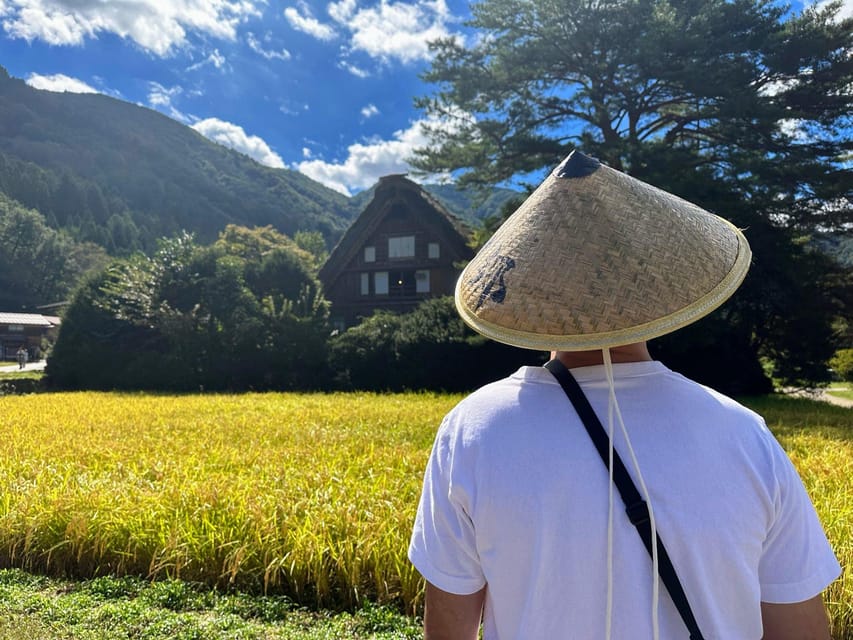
The last part of the day takes you to Higashi Chaya District, a historic entertainment area where geisha performed traditional arts. You’ll have a visit portion (about 30 minutes), followed by another workshop block (about 30 minutes).
The standout here is gold leaf. Kanazawa produces most of the gold leaf in Japan, and the tour leans into that with a gold-leaf craft experience. You can also make a postcard by pasting gold leaf, which is a small activity with a big visual payoff—shiny, reflective, and very “only Kanazawa.”
You may also find gold leaf shows up in the food plan. There’s a recommendation to try gold leaf ice cream during the district time, and the idea is simple: this is a city famous for edible luxury, not just souvenirs.
The only drawback in this segment is time. Higashi Chaya District is compact, and 30 minutes can feel short if you start photographing everything. If that’s your style, take the first few minutes for orientation, then spend the rest slowing down at one or two spots.
Food stops you can actually plan for: lunch on your own, snacks built into the day
Lunch isn’t included. That’s the one missing piece you should plan for in advance, because the day is scheduled tightly and you’ll want to eat without losing your momentum.
The good news is that the tour does acknowledge local food. Shirakawa-go is where you might find snacks or specialties like Hida beef and doburoku ice cream. In Kanazawa, gold leaf is treated as a flavor experience, too, with gold leaf ice cream being the recommended taste.
Because lunch is on your own, you have flexibility. If you prefer a sit-down meal, build in time to find a place near the stops. If you’re fine with a quick bite, you can keep moving and save your appetite for the craft and dessert moments.
Price and value: why $116 can feel fair on this specific route
Let’s be honest: you could try to cobble together Shirakawa-go and Kanazawa yourself for less. But the question isn’t just price—it’s what you buy with that money.
You’re getting:
- admission to Kenrokuen Garden
- admission for the sweets-making or Daruma painting activity
- the fee for the gold-leaf craft
- guided commentary from an English-speaking team
- audio headsets across several languages
- air-conditioned transport with free Wi-Fi
On top of that, you’re buying a day structure that prevents wasted time. Instead of figuring out when to go and what to prioritize, you’re guided to the “see this, then understand it” sequence: Shirakawa-go atmosphere first, Kenrokuen design second, then Kanazawa craft and tea-district gold leaf to close.
I’d call it fair value if you want a complete highlight day and you don’t want to spend your limited Japan time on logistics.
Pacing, weather, and what to pack for a 9-hour day
This tour runs about 9 hours. That’s long enough that small comfort choices matter.
Wear comfortable shoes. Shirakawa-go is walking-heavy, and garden paths can be uneven. Bring layers too. Morning in the village can feel very different from afternoon in the city, and winter snow adds extra chill fast.
Plan for flexibility: the order of stops can change depending on traffic and weather. If a site is closed, you’ll be taken to an alternative place. That’s normal for a day tour that depends on real-world conditions, especially around seasonal crowds.
Also keep in mind that the craft option can vary. If you’re hoping specifically for wagashi-making, you might get it, or you might end up with Daruma painting. The experience is still hands-on either way.
Who this tour is best for
I’d point you to this tour if:
- you have one day and want both Shirakawa-go and key Kanazawa highlights
- you like guided context that helps you understand what you’re seeing
- you want craft time, not only temples and photo stops
- you value comfortable group transport over DIY juggling
If you prefer a totally free-form day with no set timing, you might feel constrained by the schedule. But if you’re the type who likes a plan that also leaves space to stroll, this fits well.
You’ll also enjoy it if you appreciate guide energy. Guides you might meet include Yasushi, Aiko, and Yosushi—often described as friendly, engaging, and good at explaining Japan in a way that sticks.
Should you book this Kanazawa and Shirakawa-go day tour?
If your goal is a highlight-packed day with real cultural participation, I’d book it. The craft experiences (wagashi or Daruma) plus gold leaf are the kind of “I did something” moments that make the trip stick, and the guide support turns major sights into something you understand, not just pass through.
Book it especially if you’re short on time in Kanazawa and you don’t want to stress about getting to Shirakawa-go and back. Skip it only if you want total freedom, or if you’re traveling with the mindset that a long day is not your thing.
FAQ
How long is the Kanazawa: World Heritage Shirakawa-go & Two Local Experience tour?
The tour duration is 9 hours.
Where do I meet the group?
You meet at Kanazawa Station West Plaza – Short-term Car Park, and check-in is at 7:50 AM with departure at 8:00 AM.
Is lunch included?
No. Lunch is not included, so you’ll handle meals on your own.
What craft activities are included?
You’ll do one of these: make Japanese sweets (wagashi) or paint Daruma dolls, and you’ll also have a gold leaf craft experience.
Is Kenrokuen Garden admission included?
Yes, the admission fee for Kenrokuen Garden is included.
Are there admission fees included for the craft activities?
Yes. Admission fees for the Japanese sweets making or Daruma painting are included, along with the gold leaf craft fee.
What languages are available on this tour?
The live guide includes Japanese and English, and audio headsets are available in Spanish, French, Italian, German, Portuguese, and Ukrainian.
Is hotel pickup included?
No. Hotel pickup and drop-off are not included.
What’s the transportation like?
You travel by air-conditioned coach, and free Wi-Fi is available on board.