REVIEW · PINGYAO
Pingyao Ancient City Full-Day Walking Tour
Book on GetYourGuide →Operated by China Tour Guide · Bookable on GetYourGuide
Pingyao rewards slow walking. This full-day private tour strings together the places that explain how the city worked, not just how it looks, with an English-speaking guide starting right from your Pingyao hotel. You’ll cover the ancient city wall, the Rishengchang Exchange Bank, and the government-and-scholar sites that make Pingyao feel real. The main thing to watch is that admission tickets are not included, so you’ll need to plan for the RMB entry fees day-of.
I like how the route balances big-photo moments with human-scale details. The wall sections give sweeping views of tiled rooftops and glimpses down into domestic courtyards, and you’ll walk through streets and compounds that were built for daily life. I also really appreciate the private-group pace—guides like Lisa, Grace, and Mike have a knack for making the day feel organized without rushing you past everything.
A possible drawback: with an 8-hour day and a lot of walking, this may feel like work if you’re hoping for mostly indoor sightseeing or minimal steps. Also, meals aren’t included, so you’ll want to either plan ahead or be ready for a mid-tour lunch stop that your guide helps you coordinate.
In This Review
- Key highlights at a glance
- Getting into Pingyao smoothly: hotel pickup that actually matters
- Walking Pingyao’s city wall: rooftops, courtyards, and real scale
- Rishengchang Exchange Bank: how money and trust moved in the past
- Ancient Security Guard Company: the armed escort story you won’t get alone
- Yamen Pingyao government buildings: 1346 Yuan power in 300+ rooms
- Ming and Qing Street: preserved shop life and the feel of old-town commerce
- Confucian Temple and the Zhuangyuan path: scholarship in a physical route
- Timing and pacing: how an 8-hour day stays enjoyable
- Tickets, money, and practical value
- Who this walking tour suits best
- Should you book the Pingyao Ancient City Full-Day Walking Tour?
- FAQ
- FAQ
- What is the duration of the Pingyao Ancient City Full-Day Walking Tour?
- How much does the tour cost?
- Are hotel transfers included?
- Where does pickup happen?
- Is admission to attractions included in the price?
- Are meals included?
- What does the tour include?
- What languages are available during the tour?
- Is there a cancellation policy?
Key highlights at a glance
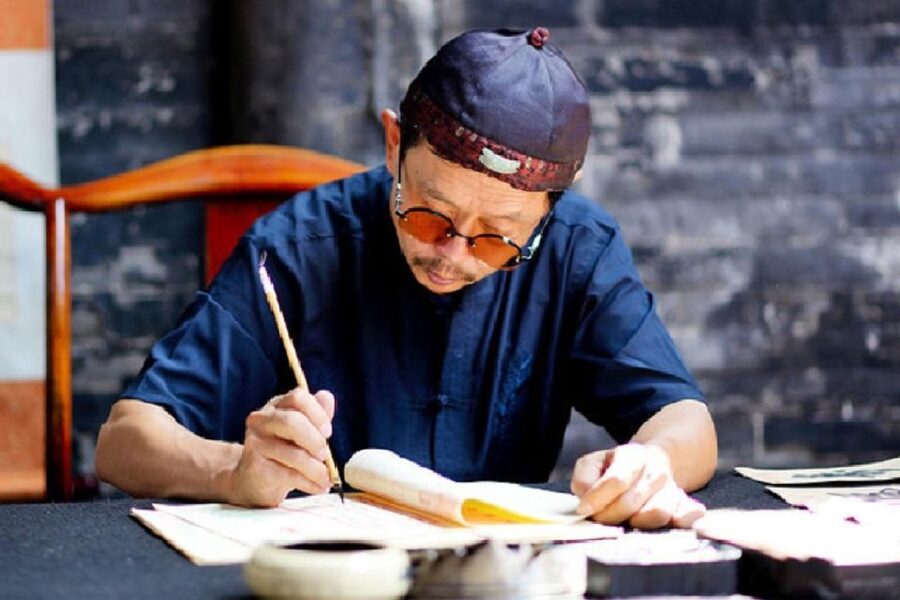
- Pingyao Ancient City Wall views: brick-and-stone wall walking with rooftop and courtyard perspectives
- Rishengchang Exchange Bank: see China’s early exchange-banking story up close
- Yamen Pingyao government buildings: a Yuan-era administration site with over 300 rooms
- Ancient Security Guard Company: armed escort history linked to Ming and Qing eras
- Ming and Qing Street + Confucian Temple: preserved shopfront architecture and the scholar path of Zhuangyuan
Getting into Pingyao smoothly: hotel pickup that actually matters
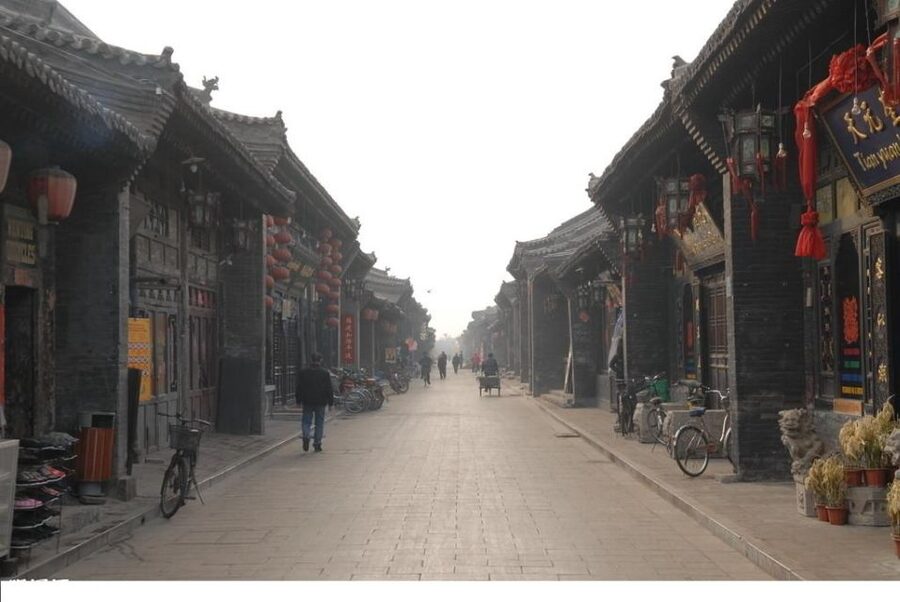
Pingyao is old, which means “getting there” can be its own mini-quest. The tour makes that easier with hotel pickup in Pingyao by an English-speaking guide. If your hotel is inside the ancient city, you meet in the hotel lobby; if it’s outside, you’ll meet inside the old town instead. Either way, you don’t have to play detective with meeting points.
This matters because Pingyao’s streets are narrow and layered. Once you’re in, you’ll be walking a lot, so avoiding extra transfer hassle sets the tone for a calmer day. The tour runs about 8 hours total, with 6 hours of sightseeing, so you’ll have some built-in slack for breaks and ticket stops.
It’s also a smart setup for language support. Your guide can work in English and Chinese, which helps when you’re dealing with ticket counters, signage, or basic questions.
Walking Pingyao’s city wall: rooftops, courtyards, and real scale
The Pingyao wall is one of those sights that’s impressive in photos. It’s even better when you walk a section of it and feel the city’s layout. The wall is built with bricks and stones, and moving along it gives you layered views: out across tiled rooftops and down into the courtyards behind low-rise buildings.
I love this part because it teaches you how to read Pingyao. From the top, you start to understand why the streets feel like they do—how buildings cluster, where courtyards create privacy, and how the city’s scale stays human. Most historic buildings in Pingyao are low-rise, so your eyes keep finding details rather than getting swallowed by height.
A small consideration: wall walking means time outdoors. Wear comfortable shoes, and bring something for sun or wind. If you’re sensitive to uneven steps, just take your time—your guide can pace you.
Rishengchang Exchange Bank: how money and trust moved in the past
Next comes the Rishengchang Exchange Bank, described as the first exchange bank of China. Even if you’re not a finance person, this stop works because it’s about relationships—how trade relied on trust, paperwork, and secure systems.
What you’ll get here isn’t just a building “photo stop.” You’ll be walking through the story of early exchange banking and seeing the kind of atmosphere institutions created in old cities. In practice, it’s a nice counterpoint to the more ceremonial places later in the day. One moment you’re thinking about magistrates and scholars; the next you’re thinking about merchants and cross-regional commerce.
And because you’re with a guide, the details won’t stay abstract. If your guide is Grace-level sharp (she’s been praised for explaining symbolism and architecture), you’ll leave with a clearer picture of why Pingyao mattered beyond being pretty.
Ancient Security Guard Company: the armed escort story you won’t get alone
Pingyao wasn’t just about scholars and shops. It had security, too—and the Ancient Security Guard Company is where that becomes tangible. The site is noted as the only private organization of armed escort in Pingyao’s history, and one of the two most famous during the Ming and Qing dynasties.
This is a fascinating contrast: a city known for preservation also had real-world protection needs. You’ll see how security was organized like an institution, not just a background detail. For me, this kind of stop is what makes a guided walk worth it. Left to your own devices, it’s easy to miss what a place actually represents.
As with other historic compounds, expect to spend time understanding layout and function. The guide’s job is to help you connect what you’re seeing—doors, halls, and organizational logic—to what it was used for.
Yamen Pingyao government buildings: 1346 Yuan power in 300+ rooms
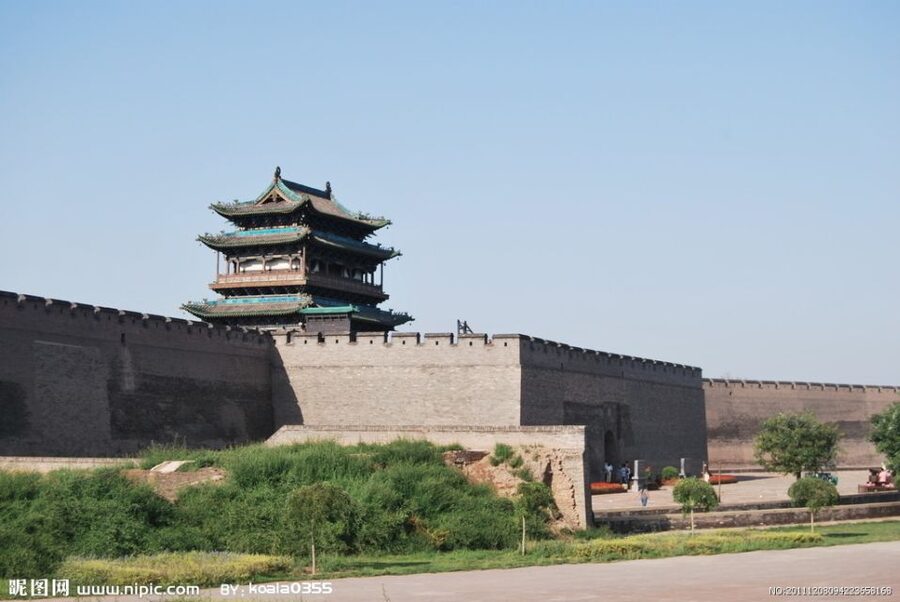
If there’s one stop that most directly explains how Pingyao ran, it’s the yamen—the Pingyao ancient government buildings. The yamen dates from 1346 during the Yuan Dynasty and once housed the magistrate’s office and home. In other words, the same administrative leader handled multiple roles: mayor, judge, and senior official for Pingyao.
This yamen is described as having over 300 rooms, including offices, a court, meeting rooms, residential areas, a garden, and even a prison. That range is what makes it so gripping. You’re not looking at one-purpose architecture; you’re seeing a working system where governance, living quarters, and detention space all existed within the same complex.
Practical tip: this is also one of those places where your guide’s narration makes the difference. Your eyes can track buildings and gates, but understanding why the ceremonial gate mattered or how the space functioned day to day is the real value. Guides in past tours, like Mike, have been praised for explaining the city’s layout and the way old life operated—not just reciting dates.
Ming and Qing Street: preserved shop life and the feel of old-town commerce
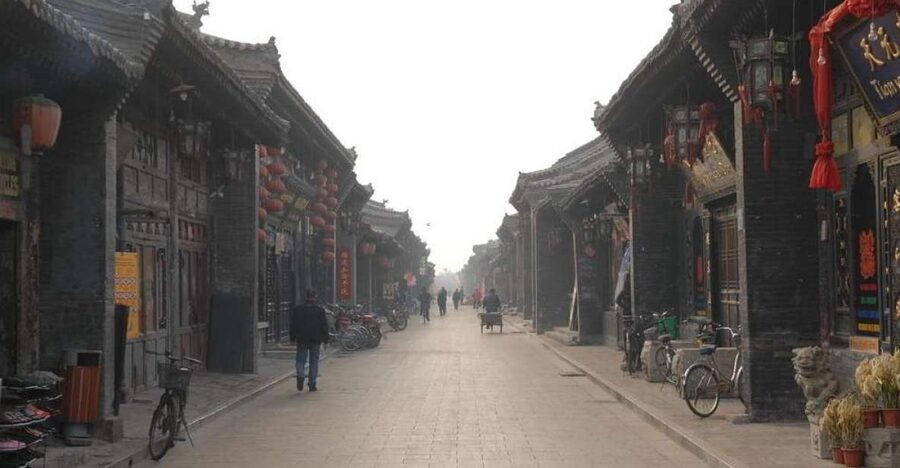
Then you’ll hit Ming and Qing Street, where traditional shops and houses are still well preserved. Buildings here are described as made with bricks and stones, using Ming and Qing architectural style. It’s a strong reminder that Pingyao wasn’t just temples and walls—it was everyday commerce, housing, and neighborhood traffic, all stacked together.
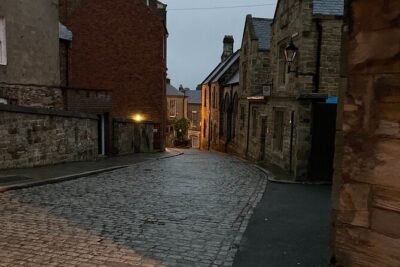
This street also gives you a change of pace. The wall is about scale; the street is about rhythm. You’ll be walking through a corridor of architecture, with narrow streets and courtyard-adjacent spaces that show the social life of the time.
One reason I think this matters for your “value per minute” is that the visual payoff is constant. You don’t have to wait for a single highlight. Every bend in the street offers another piece of how the city looked when it was functioning.
Confucian Temple and the Zhuangyuan path: scholarship in a physical route
The Pingyao Confucian Temple is where the tour shifts from governance and commerce to education and ideals. The temple’s layout is described as sophisticated, and the experience centers on what the place meant to ancient Chinese intellectuals.
Here’s the unique angle: you follow a path that No. 1 scholars of the annual imperial examinations (called Zhuangyuan) once marched past. That detail turns a temple visit into something more specific than generic “Confucian architecture.” You’re tracking a route tied to ambition, exams, and social status.
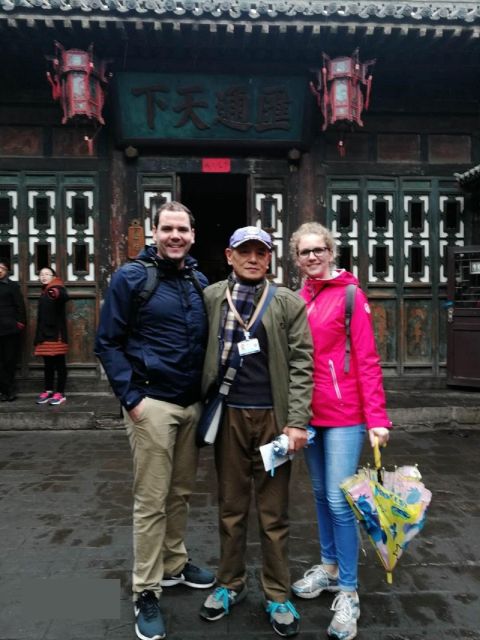
I like this stop because it’s not just about what the temple looks like—it’s about what people believed it would do for them. And with a guide who explains context (Johanna and Joanna have been praised for being enthusiastic and well-informed), you’ll connect the layout to the meaning.
Timing and pacing: how an 8-hour day stays enjoyable
An 8-hour tour sounds long until you see how it’s structured. You’ve got 6 hours of sightseeing and the rest for pickup timing, ticket help, and natural breaks. In other words, this isn’t a nonstop power walk.
What you should plan for: a day that includes stairs, uneven historic surfaces, and walking between compounds. Your best move is simple—pack comfortable shoes and keep a water bottle handy. If you’re the type who stops for photos, this tour is friendly to that. Past guides like Mike and Joanna have been described as happy to stop for pictures and to rest when needed.
Also note what’s not included: meals and transfers. So if you get hungry, you’ll need to either grab something independently or follow your guide’s suggestions. One guided example included a restaurant lunch with good results, but that kind of specific restaurant isn’t guaranteed—think of it as guidance, not a fixed menu.
Tickets, money, and practical value
Let’s talk value, because price is usually where people get nervous. This tour is $229 per group up to 6. That’s a private-group setup, and the guide is included. The big “gotcha” is admissions: ticket costs are 125 RMB per person (children half price; tour guide free), and those tickets are not included in the tour price.
The good news: your guide will help you buy entrance tickets on the tour day. That reduces language hassle and wasted time at counters. If you’ve ever arrived at a historic site and spent your energy figuring out ticket lines, you’ll appreciate this.
So is it worth it? For me, it comes down to how much you care about interpretation. If you’d just wander the old streets, you’d get the visuals. With this tour, you also get the “why” behind key places—banking, armed escort history, and the yamen’s functioning layout. And with private pacing, you can ask questions instead of listening from the back of a crowd.
Who this walking tour suits best
This works especially well if:
- You want the key Pingyao landmarks covered without spending your whole day mapping logistics.
- You like architecture and history that comes with real function (government offices, security organizations, exchange banking).
- You’re traveling with a small group (up to 6) and want a guide tailored to your pace.
It might be less ideal if:
- You hate walking for long stretches or expect minimal physical effort.
- You strongly prefer fully independent sightseeing with no guided context.
Should you book the Pingyao Ancient City Full-Day Walking Tour?
I’d book it if you want Pingyao to make sense, not just look impressive. The wall, Rishengchang Bank, the yamen, the security guard company, and the Confucian Temple form a clean story arc: defense, commerce, government, and scholarship. That structure is what makes the day feel like more than a checklist.
I’d skip it or consider a lighter option if you’re mainly after short, low-effort stops. This is a walking tour with 8 hours on the clock, and admissions are extra.
If you do book, pick shoes you can trust, bring water, and don’t be shy about asking your guide for what you personally want to see. The operator says special visiting preferences can be arranged if you message ahead—so use that chance to tailor the day to your interests.
FAQ
FAQ
What is the duration of the Pingyao Ancient City Full-Day Walking Tour?
The tour lasts about 8 hours total, with around 6 hours dedicated to sightseeing.
How much does the tour cost?
It’s listed at $229 per group, with a group size of up to 6 people.
Are hotel transfers included?
No. Hotel accommodation and transfers are not included.
Where does pickup happen?
Pickup is included in Pingyao. If your hotel is inside the ancient city, the guide meets you in the hotel lobby. If your hotel is outside, you meet inside the old town.
Is admission to attractions included in the price?
No. Admission tickets are not included. Tickets are listed as 125 RMB per person (children half price; tour guide free).
Are meals included?
No. Meals are not included.
What does the tour include?
The tour includes an English-speaking guide.
What languages are available during the tour?
The tour provides live guidance in English and Chinese.
Is there a cancellation policy?
Yes. Free cancellation is offered up to 24 hours in advance for a full refund. It also offers a reserve now and pay later option.