REVIEW · SEOUL
Deoksugung & Jeongdong-gil: A Walk in Korea’s Rich Heritage
Book on Viator →Operated by S.A. Tour · Bookable on Viator
Palaces, politics, and street coffee in one walk. Along Jeongdong-gil, you’ll get a guided look at late 19th-early 20th century Korea, mixing palace stops with Seoul’s newer center. I like how it connects what you see to what was happening back then, and I like the pace: about three hours so you still have energy for the rest of your day. One note: it’s a walking tour, and it depends on good weather.
I love the small 15-person group size, and I love how the route uses key sites—especially Jungmyeongjeon Hall—to make the late Joseon/Korean Empire era feel concrete. You start at Deoksugung Palace at 9:30 am and finish at Cheonggyecheon Stream, so you end in a place that’s easy to keep exploring afterward.
In This Review
- Key Points You’ll Want to Know
- Why Jeongdong-gil Works as a Seoul Orientation Walk
- Deoksugung Palace: Joseon Residence in the Middle of the City
- Gyeonghuigung (Gyeonghui) Palace: A Calmer Palace Contrast
- Appenzeller Noble Memorial Museum: Education, Missionaries, and Pai Chai’s Roots
- Jeongdong Theater Break: Coffee, Restroom, and Cultural Performances
- Jungmyeongjeon Hall: Imperial Library, Fire Aftermath, and Emperor Gojong
- Gwanghwamun Square to Cheonggyecheon: Seoul Now, Not Just Then
- Price and Logistics: Does $48 Make Sense?
- Who This Walk Best Fits (and Who Might Skip It)
- Weather and Comfort Tips for a 3-Hour Walking Route
- Should You Book Deoksugung & Jeongdong-gil?
- FAQ
- How long is the Deoksugung & Jeongdong-gil walk?
- How much does the tour cost?
- Where do I meet the guide, and what time does the tour start?
- Where does the tour end?
- Is the tour guided in English, and how large is the group?
- Are admission tickets included for the stops?
- What happens if the weather is poor?
- Can I cancel for a full refund?
Key Points You’ll Want to Know
- A tight 3-hour route that covers palaces, museums, and a modern public square
- Free-entry stops at the palaces, museum, and hall you visit
- Imperial-era context at Jungmyeongjeon Hall (built in 1899, later tied to Emperor Gojong)
- A practical pause at Jeongdong Theater for coffee and restroom time
- Modern orientation at Gwanghwamun Square with King Sejong the Great and a large fountain
- Small group experience capped at 15 people, led by an English guide
Why Jeongdong-gil Works as a Seoul Orientation Walk
This walk is smart for first-timers because it’s not just about taking photos of famous palaces. You’re moving through places that helped shape Korea at a time when the country was changing fast, while still ending in modern central Seoul.
You’ll also appreciate the route logic. The stops are close enough that you don’t lose the morning to transit, and the timing gives you short, focused visits instead of long, tiring museum marathons. It’s the kind of format that helps you get your bearings fast—then keeps your day flexible.
You can also read our reviews of more tours and experiences in Seoul.
Deoksugung Palace: Joseon Residence in the Middle of the City
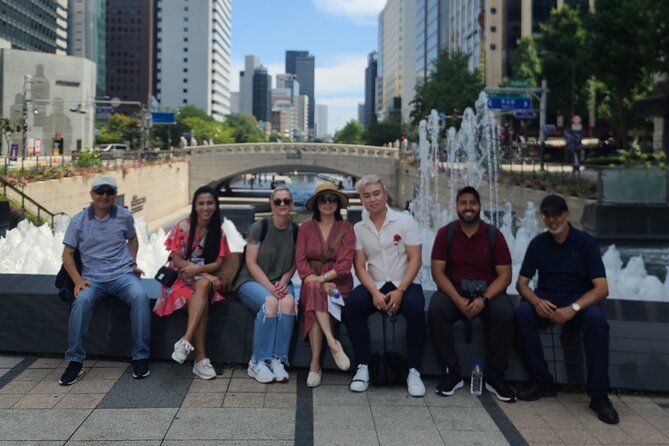
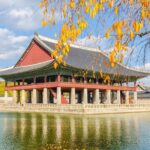
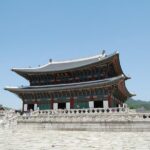
Deoksugung Palace (also known as Gyeongun-gung) is the opener, and it’s a great one. This is a Joseon Dynasty palace located in Seoul’s city core, which means you get that interesting contrast right away: grand palace grounds next to the everyday rhythm of downtown.
The visit is about 20 minutes, and since admission is free at this stop, you can spend the time learning without feeling like you’re rushing a ticketed “must-see.” Your guide’s job here is to help you notice the bigger picture: how palace life worked, and why this location mattered when Korea’s late-19th century world was shifting.
What to focus on: use this first stop to find your “mental map.” Once you know where you are in Deoksugung, the rest of the route feels easier to follow—especially when the day moves from Joseon-era settings toward imperial-era stories.
Gyeonghuigung (Gyeonghui) Palace: A Calmer Palace Contrast
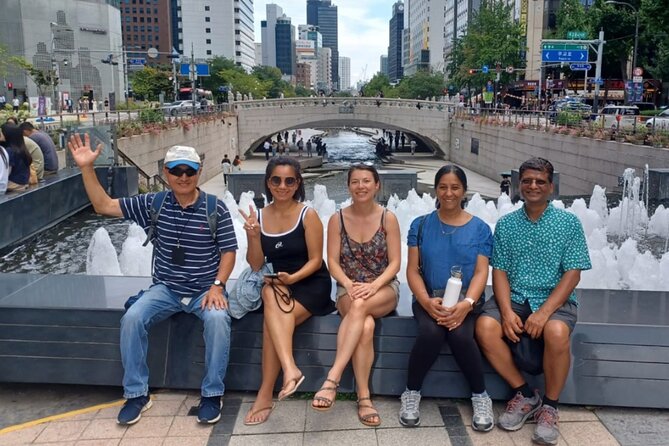
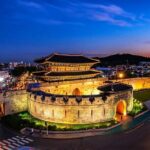
Right after Deoksugung, you’ll head to Gyeonghuigung Palace (also called Gyeonghui Palace), in the Jongno-gu district. It was built in 1623 during the Joseon Dynasty and served as a residence.
This stop is another ~20 minutes, but it doesn’t feel like filler. Pairing two palaces back-to-back is useful because you start spotting differences in mood and layout, not just collecting “another palace stamp.” It’s a good reminder that Seoul’s royal heritage wasn’t one single site—it was a whole world of spaces and functions.
Possible drawback: because this is a short, timed visit, it can feel fast if you’re the type who wants to linger for an hour or two per site. If you like slow travel, you’ll probably want to come back later on your own for a deeper walk.
Appenzeller Noble Memorial Museum: Education, Missionaries, and Pai Chai’s Roots
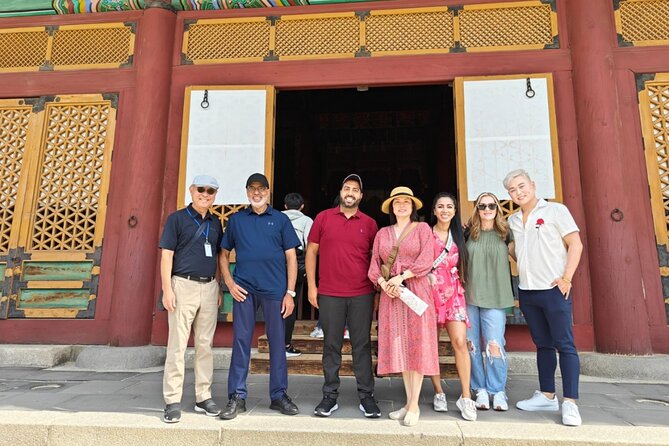
Next is a smaller stop with a big story: the Appenzeller Noble Memorial Museum. This place is tied to Baekjae Hakdang, a missionary school. The school later expanded into a university, now known as Pai Chai University in Daejeon, and the museum covers the history of that educational mission (linked to Methodist work).
This is where the tour’s “Korea then meets Korea later” theme becomes very real. You’re stepping away from palace politics and into education—one of the main ways international influence entered Korean society during the late 19th and early 20th centuries.
It’s only about 10 minutes, but it’s timed well. You’ve just learned palace context, and now you get a different angle on the same era: how ideas, institutions, and schooling were evolving.
Why this matters for you: even if you’re not a history nerd, education history is often the easiest entry point to understand big changes. It also helps explain how Western-style learning took hold without making it feel like a TV documentary.
Jeongdong Theater Break: Coffee, Restroom, and Cultural Performances
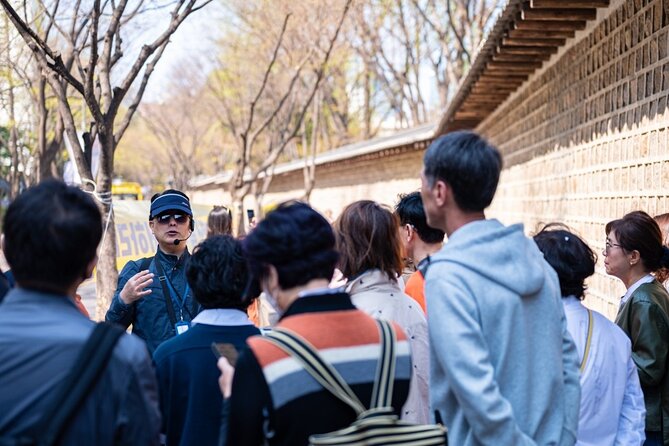
Then comes Jeongdong Theater, and this stop has two jobs: culture and a real break. The theater hosts concerts, plays, and musicals that incorporate elements of traditional Korean culture.
You’ll have about 25 minutes here. That makes it practical, not just interesting. You can grab coffee or other drinks and use the restroom before heading toward the more open, city-facing end of the route.
How to use the time best: don’t waste it only on waiting around. If you need a snack or a caffeine reset, this is the moment. Also, try to watch how the theater relates to the neighborhood—this tour uses places of performance to show how tradition keeps living, not just sitting behind gates.
You can also read our reviews of more historical tours in Seoul

Jungmyeongjeon Hall: Imperial Library, Fire Aftermath, and Emperor Gojong
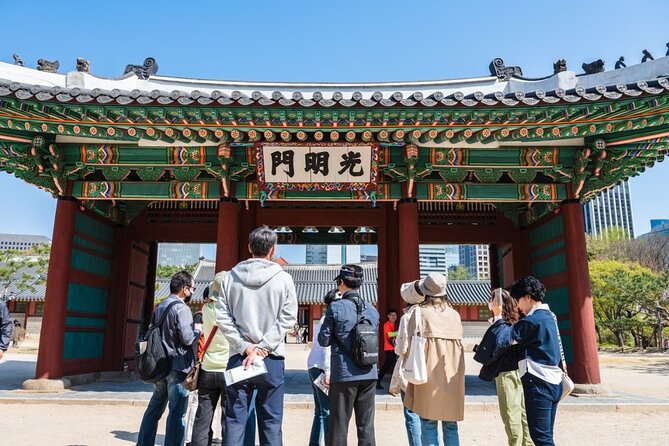
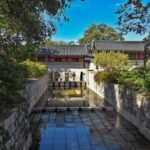
Jungmyeongjeon Hall is one of the most meaningful stops on the route. It was built in 1899 as the imperial library of the Korean Empire. Later, after Deoksugung Palace caught on fire in 1904, this hall became the temporary residence of Emperor Gojong.
That sequence alone is a strong story. It turns a building into a timeline: built for one purpose, repurposed by crisis, and tied to leadership during a turbulent period. For many people, this is where “late 19th/early 20th century history” stops being abstract.
This stop is around 15 minutes, and it’s another free-entry visit. Because time is limited, the guide’s explanations matter a lot. The hall is also associated with the infamous Eulsa T… chapter (tied to the Eulsa Treaty period), which makes the context heavier than it first appears.
What you’ll likely remember: you’re seeing architecture as a witness to political pressure, not just as scenery.
Gwanghwamun Square to Cheonggyecheon: Seoul Now, Not Just Then
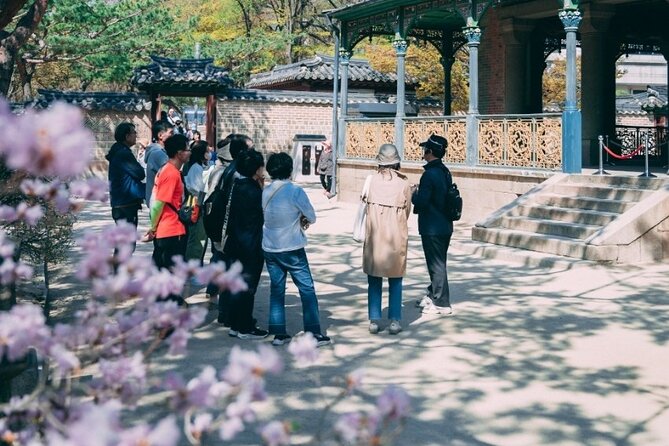
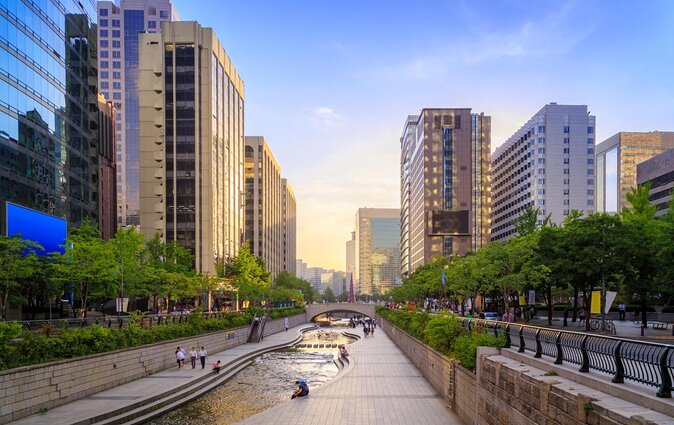
Your final stretch moves into an open public space: Gwanghwamun Square. This is a large central Seoul square built in 2009 and used as a popular gathering place for locals and tourists. You’ll see a large fountain and a statue of King Sejong the Great, plus additional public features around the square.
Expect about 20 minutes here. It’s a useful contrast after palace buildings and a memorial museum. You’re shifting from royal and imperial settings to modern public life—an easier way to feel how Seoul carries forward its identity into present-day street-level experience.
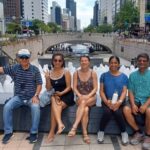
From there, the tour ends at Cheonggyecheon Stream in Jongno District. Ending at a place like this is a smart choice because you can keep walking without needing to plan another ride or complicated direction.
Practical tip: if you’re hungry afterward, this ending point is ideal for casual follow-on plans, since you’ll already be in central Seoul.
Price and Logistics: Does $48 Make Sense?
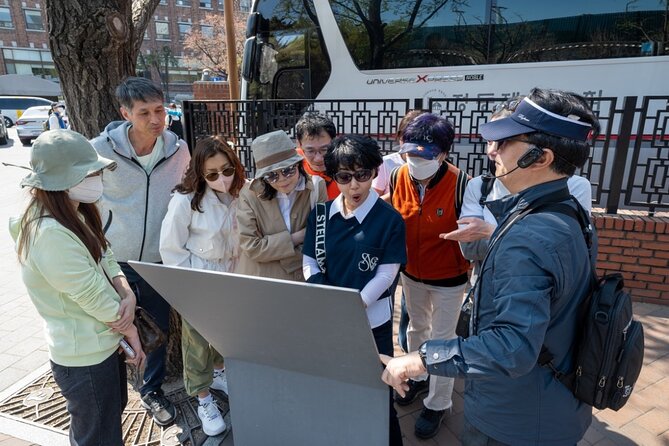
The price is $48.00 per person for an English-guided, ~3-hour walking tour with a mobile ticket. Stops are free entry at the palace and heritage sites you visit, which already helps value.
So what are you really paying for? You’re paying for:
- A guide who stitches the sites into a single story instead of you bouncing between landmarks without context
- A small group format (max 15 people), which tends to keep questions possible and the pace manageable
- Time efficiency: starting at 9:30 am and finishing on the Cheonggyecheon Stream means you get a structured morning without burning half your day on planning
Also, the experience has a strong track record for guide quality. Past participants praised an English guide named Sam for making the walk both fun and informative, and for giving a solid introduction to Seoul’s history. That’s a big deal, because on a short tour, interpretation is the difference between seeing buildings and understanding them.
If you’re the type who likes to learn fast and keep moving, this price is easy to justify. If you prefer a long solo wandering day, you might feel the time limits at individual sites.
Who This Walk Best Fits (and Who Might Skip It)
This tour fits best if you want:
- A guided walk through major central Seoul heritage spots
- A quick way to connect late 19th/early 20th century Korea to places you can actually stand in
- A morning plan that ends in a pleasant place to continue at your own pace
It’s also a good match for people who don’t want to spend hours reading guidebooks before leaving the hotel. You’ll get the connections in real time.
You might want a different plan if:
- You hate walking and want mostly indoor time
- You want long stays at each palace (this is timed and structured)
- You’re hoping for a full-day museum-style experience rather than a “get your bearings and learn the story” morning
Weather and Comfort Tips for a 3-Hour Walking Route
This experience requires good weather. That’s not a small detail—Seoul in different seasons can change how comfortable a morning walk feels.
Wear shoes you don’t mind getting blisters from. The tour is only about three hours, but it’s still multiple stops and continuous walking between them. Bring a light layer, especially if mornings feel cooler than you expect.
And since you start at Deoksugung Palace, arriving a bit early helps. You’ll have less stress finding the exact start spot at 99 Sejong-daero, Jung District.
Should You Book Deoksugung & Jeongdong-gil?
I’d book this if you want a morning plan that does two things well: teaches you why these sites matter and then gets you out into Seoul’s modern flow by the end. The strongest reason to choose it is the combination—palaces, a memorial museum connected to Baekjae Hakdang and Pai Chai University roots, imperial storytelling at Jungmyeongjeon Hall, and then a public-square finish at Gwanghwamun before ending by Cheonggyecheon.
Skip it if you already know the history and you mainly want time to wander slowly on your own. This tour is built for clarity and momentum, not for deep, hour-long stays at each location.
If you book, use the Jeongdong Theater stop wisely for a reset. Then walk onward with the tour’s story still fresh in your head—especially while you’re standing at Jungmyeongjeon Hall and Gwanghwamun Square, where the past and present feel closest.
FAQ
How long is the Deoksugung & Jeongdong-gil walk?
It lasts approximately 3 hours.
How much does the tour cost?
The price is $48.00 per person.
Where do I meet the guide, and what time does the tour start?
The tour starts at Deoksugung Palace, 99 Sejong-daero, Jung District, Seoul, with a start time of 9:30 am.
Where does the tour end?
The tour ends at Cheonggyecheon Stream in Jongno District, Seoul.
Is the tour guided in English, and how large is the group?
Yes, it includes a professional English tour guide. The group size is limited to a maximum of 15 people.
Are admission tickets included for the stops?
Admission is listed as free for the palace and heritage stops in the route.
What happens if the weather is poor?
This experience requires good weather. If it’s canceled due to poor weather, you’ll be offered a different date or a full refund.
Can I cancel for a full refund?
Yes. Cancellation is free, and you can cancel up to 24 hours in advance of the experience for a full refund.