REVIEW · ASWAN
Private Day-trip to Abu Simbel, UNESCO World Heritage Site from Aswan
Book on Viator →Operated by Tanora Egypt Tours · Bookable on Viator
Abu Simbel is pure wow. This private day trip from Aswan puts you face-to-face with the cliff-cut temples of Ramses II and Nefertari, plus the story of how they were relocated in the 1960s to save them from Lake Nasser. You also get personal guidance, so the monument feels way more than just a photo stop.
I especially like two things. First, you get private air-conditioned pickup and return, which makes the long drive feel manageable instead of chaotic. Second, the guide-led explanations focus on what you’re looking at—colossi, statue-lined halls, and battle reliefs—so you understand the place while you’re standing inside it.
One consideration: it’s an early-start, long day (about 9 hours) with a several-hour drive each way. If you hate getting up before sunrise, you may feel it by the time you’re back in Aswan.
In This Review
- Key highlights at a glance
- Why Abu Simbel Works as a Private Day Trip from Aswan
- Getting to the Nubian Desert: Early Pickup and the 3.5-Hour Drive
- Abu Simbel Temple Complex: What You See and How to Enjoy It
- The Great Temple of Ramses II: Colossi, Statue-Lined Halls, and Reliefs
- Temple of Nefertari: Queen’s Colossi and the Gateway Atmosphere
- The 1960s Relocation Story: Lake Nasser, the Aswan High Dam, and Why It Matters
- Price and Logistics: Is $166 Per Person Worth It?
- Safety, Comfort, and the Guide Factor
- Practical Tips: When to Go, What to Pack, and Photo Timing
- Who This Trip Fits Best (And Who Might Skip It)
- Should You Book This Private Abu Simbel Day Trip from Aswan?
- FAQ
- How long is the Abu Simbel private day trip from Aswan?
- What is the price per person?
- Do I get hotel pickup and return?
- Is this tour private or shared with other groups?
- How early does the trip run?
- How long is the drive to Abu Simbel?
- Are temple entrance fees included?
- What’s included in the tour package?
- Do I receive a mobile ticket?
- What if weather is bad?
- Is free cancellation available?
Key highlights at a glance
- Private, air-conditioned transport from your Aswan hotel or Nile Cruise
- Early arrival window that fits the temple hours (from 5:00 AM)
- Egyptologist-style storytelling focused on what you’re seeing
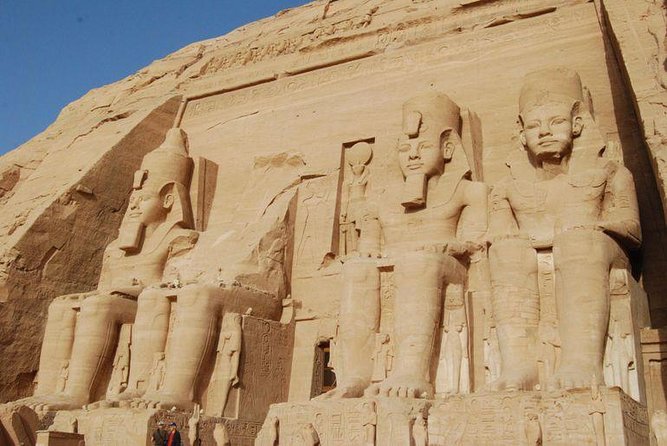
- Two temple visits: Great Temple of Ramses II and Temple of Nefertari
- 1960s relocation explained with the Lake Nasser and Aswan High Dam context
- Photo-friendly stops including a desert break and a chance to catch mirage effects
Why Abu Simbel Works as a Private Day Trip from Aswan
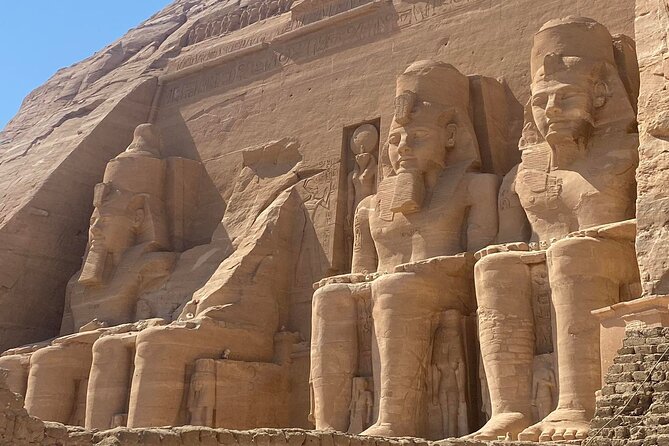
Abu Simbel is one of those sites that feels engineered for drama. Even the approach builds anticipation: you head south through Egypt’s Nubian desert toward a UNESCO World Heritage complex carved into the rock, overlooking Lake Nasser. When you finally see the temples, it hits fast—scale first, then details.
Going privately matters here. You’re not sharing attention with a crowd that’s half-lost, half-rushing for the same angles. Instead, you have a guide who can pace the visit and explain the meaning of the carvings while you’re actually in the right spot to see them.
Another quiet win is how the tour is built around timing. It runs within temple opening hours from 5:00 AM to 2:00 PM, which helps you get the most comfortable viewing window before the day warms up.
Getting to the Nubian Desert: Early Pickup and the 3.5-Hour Drive
You’ll be picked up from your hotel or Nile Cruise in Aswan, and you’ll head out by private air-conditioned vehicle. The drive is about 3.5 hours each way, so you’re trading sleep and comfort today for an unforgettable monument tomorrow.
There’s also a planned desert rest stop of around 30 minutes. The idea is simple: you can stretch, use the facilities, and—if the timing lines up—go for sunrise photos or at least enjoy that early desert light. That break can make the road portion feel less like punishment and more like part of the experience.
Practical note: this is a long transfer day. Bring something simple for the ride—water is provided, but you might still want a snack if you tend to get hungry on early mornings. Also, plan on sitting back and letting the guide do the talking during the drive, because that’s when the background comes together.
Abu Simbel Temple Complex: What You See and How to Enjoy It
The tour centers on the Abu Simbel Temple Complex, UNESCO-listed for a reason: it’s an ancient masterpiece of stone-cut architecture and Egyptian planning. You’ll spend extended time at the complex, and your guide will connect what you see to why it was built—ruler power, religious purpose, and later the modern rescue story.
Think of the visit in two tracks:
1) What the temples look like from the outside—especially the massive gateways and colossi.
2) What you learn once you move inside—statue-lined halls and the carved scenes that tell you how Ramses II wanted to be remembered.
Your time on-site totals several hours, so you’re not just “glancing and leaving.” You’ll have room to slow down for details, and that matters because Abu Simbel isn’t a place you fully understand in 10 minutes.
Also, you get in-depth attention and personalized commentary. That’s the difference between reading labels and actually making sense of symbols—like how the colossi frame the entrances and how the reliefs are arranged to create a sense of story.
The Great Temple of Ramses II: Colossi, Statue-Lined Halls, and Reliefs
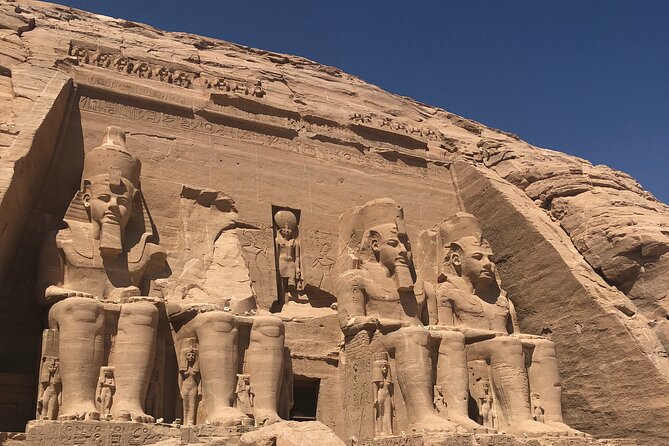
The main event is the Great Temple of Ramses II. You’ll stand before the famous colossal figures of Ramses II—paired with the presence of his queen Nefertari in the complex’s overall design. These colossi aren’t just impressive; they’re part of how the temple “announces” the ruler’s authority before you even enter the building.
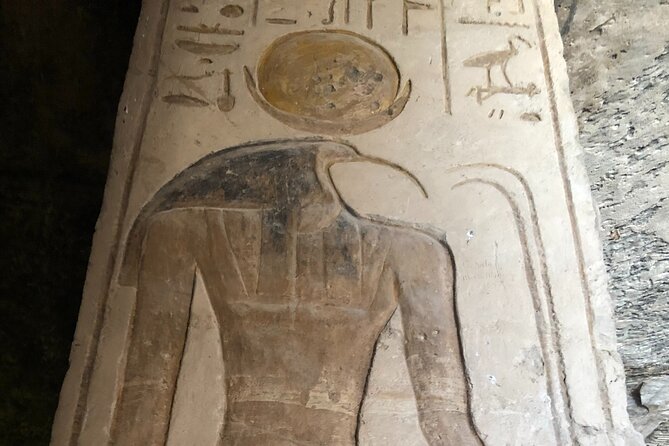
Once inside, the focus shifts to the temple’s interior design: statue-lined halls and battle reliefs. This is where you’ll benefit most from a guide. When you understand the purpose of the carvings—how the scenes support the king’s message—you stop seeing them as random decoration and start reading them like a visual script.
There’s a set block of time for this portion (about 1 hour at the Great Temple stage in the schedule). That’s enough time to look closely without feeling rushed to the next stop, especially if you follow your guide’s pacing: listen first, then look, then ask questions.
If you’re the type who likes to photograph, this is also where planning helps. Take wide shots first to capture the interior geometry and statue rows, then switch to close details once you know which carvings the guide is highlighting.
Temple of Nefertari: Queen’s Colossi and the Gateway Atmosphere
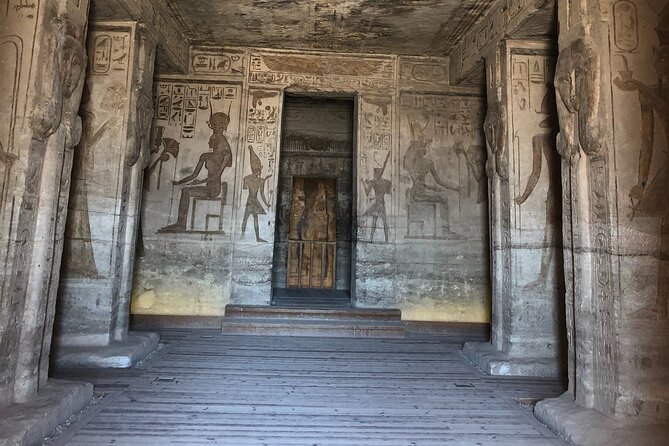
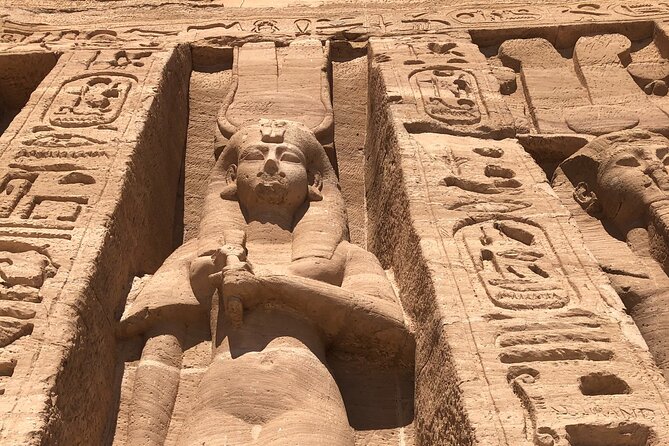
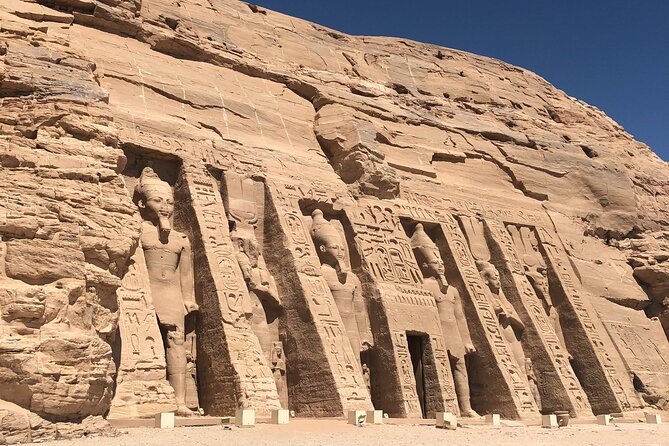
The second major stop is the Temple of Nefertari, which ties directly to Ramses II’s relationship with his wife, Nefertari. This temple is part of the complex’s power story, built for the queen and connected to that royal pairing.
You’ll be guided through what matters most at this temple:
- The gigantic colossi at the temple gateways
- A focused look at the statues themselves
The schedule gives you multiple hours in the return leg timeframe, which means you’re not limited to a quick glance. Instead, you can take the time to see how the queen’s temple complements the Great Temple’s message.
One good trick: don’t only chase photos. After your guide points out the key elements, pause in one place for a moment and look at how the statues and entrances frame your viewpoint. Abu Simbel is designed so that your position affects what you notice.
The 1960s Relocation Story: Lake Nasser, the Aswan High Dam, and Why It Matters
Here’s the thing that can turn a simple monument visit into a proper Egypt “aha moment.” Abu Simbel didn’t just survive time. It survived a modern engineering emergency.
Your guide will explain how the temples were relocated in the 1960s to protect them from flooding linked to the Aswan High Dam and rising Lake Nasser. It’s one of those rare cases where you can stand in a famous place and also understand the modern effort that preserved it.
This adds weight to the experience. When you know the temples were cut, moved, and set back in a new setting, you stop thinking only about ancient builders. You start appreciating the modern planners who decided the world should keep seeing this story.
It’s also a helpful way to connect past and present Egypt. The tour doesn’t treat Abu Simbel like a sealed museum. It shows it as a living national symbol—cared for, protected, and interpreted.
Price and Logistics: Is $166 Per Person Worth It?
At $166 per person, the value depends on what you compare against. You’re paying for private, door-to-door comfort and time efficiency. This isn’t a bus trip where you sit with strangers and hope the guide can hold the group together.
Here’s what’s clearly included:
- Pickup and return from your Aswan hotel or Nile Cruise
- Air-conditioned vehicle
- Certified professional tour guide
- Bottled water
- Mobile ticket
- Group discounts (if you’re traveling with others, you may benefit)
About tickets: the info shows entrance fees to temples are not included, even while the itinerary mentions admission ticket details for certain stop blocks. That inconsistency is worth double-checking when you confirm your booking. Ask the operator what you’ll pay on arrival versus what’s covered.
So is it worth it? For me, this kind of tour is usually worth it when you want:
- Private comfort for a long day drive
- Real explanation time inside the temples
- Fewer hassles on a remote route with early hours
If you’re strictly budget-first and fine with sharing a larger group, you might find cheaper options. But if you want your Abu Simbel day to feel controlled and safe, this setup is built for that.
Safety, Comfort, and the Guide Factor
A private day trip lives and dies on how well you feel taken care of. The tour’s structure is designed around that: hotel pickup, air-conditioned transport, bottled water, and an expert guide who stays with you through both temples.
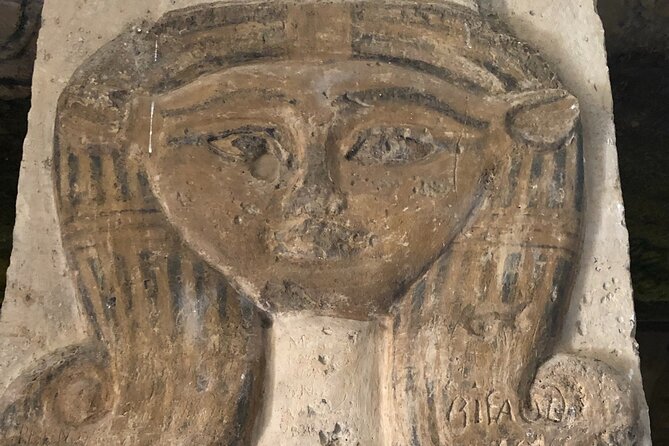
The guide portion is not just about facts. You’ll get personalized commentary that helps you connect symbolism and architecture—how Ramses II’s power is expressed in colossal imagery, how temple scenes function as messages, and why the rescue relocation story is more than a sidebar.
Names from similar Abu Simbel experiences with this operator include Basma and Asma, both noted for storytelling that connects ancient Egypt to what people see today. If you’re paired with a guide like them, expect a smoother, more meaningful visit because the “why” is built into the explanations.
Also, there’s mention of a friendly, reliable driver in similar tours. On a long desert route, that calm competence matters.
Practical Tips: When to Go, What to Pack, and Photo Timing
This trip starts early and runs through a temple schedule that’s open starting 5:00 AM. So plan to be ready before sunrise-level energy. If you’re traveling with kids or anyone who needs a steady routine, take that into account before booking.
What to pack is simple:
- Sunglasses and sun protection (even with a guide, you’ll be outside at the complex)
- A light layer for early morning comfort
- A camera plan: one wide, one medium, one close per section, instead of endless shots that blur together
- Any small snacks you like for the ride, since lunch is listed as not included if required
Your schedule also includes a moment for desert photos and sunrise viewing during the rest stop, plus time on the return drive to take pictures of possible mirage effects. Those moments aren’t the main monument, but they can be the most fun for your camera because they’re unusual and spontaneous.
Who This Trip Fits Best (And Who Might Skip It)
This is a strong match if you want a controlled day:
- Couples and small groups who value private attention
- People who like history explained while they’re looking at the carvings
- Travelers who prefer comfort for a long drive to a remote site
It’s also a good choice if you’re short on time in Aswan. Abu Simbel takes effort to reach, so consolidating the visit into one private day is efficient.
You might skip or reconsider if:
- You dislike early starts and long road days
- You want a totally DIY experience and don’t care about guided context
- You’re sensitive to heat or fatigue and don’t handle early mornings well
Should You Book This Private Abu Simbel Day Trip from Aswan?
I’d book it if your top goal is to understand Abu Simbel, not just see it. The combination of private transport, an in-depth guide experience, and the built-in explanation of the 1960s relocation makes the day feel earned.
Before you confirm, do two quick checks:
- Confirm what’s included for temple entrance fees, since the details conflict between the “not included” note and the itinerary admission mentions.
- Ask about exact pickup timing so you can plan sleep and breakfast.
If you get those answers squared away, this is the kind of day trip that turns a distant UNESCO site into a clear story—ancient power, carved stone, and a modern rescue effort you can actually stand in front of.
FAQ
How long is the Abu Simbel private day trip from Aswan?
The duration is about 9 hours (approx.).
What is the price per person?
The price is $166.00 per person.
Do I get hotel pickup and return?
Yes. Pickup is offered from your hotel in Aswan (and pickup is also available from a Nile Cruise), with return service.
Is this tour private or shared with other groups?
It’s private. Only your group participates.
How early does the trip run?
The experience operates during temple opening hours from 5:00 AM to 2:00 PM (Monday–Sunday). The tour includes an early morning pickup and drive.
How long is the drive to Abu Simbel?
The drive to Abu Simbel is about 3.5 hours.
Are temple entrance fees included?
Entrance fees to the temples are listed as not included.
What’s included in the tour package?
Included items are bottled water, an air-conditioned vehicle, a certified professional tour guide, and hotel (or Nile Cruise) pickup and return.
Do I receive a mobile ticket?
Yes, a mobile ticket is included.
What if weather is bad?
This experience requires good weather. If it’s canceled due to poor weather, you’ll be offered a different date or a full refund.
Is free cancellation available?
Yes. Free cancellation is available if you cancel up to 24 hours in advance for a full refund.