Le Marais has a way of pulling you forward. This Jewish Heritage walk strings together major landmarks and quieter passages, so you see how a neighborhood changed over centuries. I especially like the way the route blends faith and architecture with real street-level life, and I love the courtyard-and-passage detours that make Paris feel smaller and more human.
Two stops in particular stick with me: Rue des Rosiers, where food culture meets Jewish memory, and Place des Vosges, where you get a sense of how power, art, and community shared the same city block. The guide also brings the topic to life with stories of resistance and revival that explain why this area matters beyond sightseeing.
One consideration: this is a walking tour through older streets and narrow lanes, so it’s not a good fit if you have mobility issues or need a wheelchair-friendly route.
In This Review
- Key highlights worth knowing before you go
- Le Marais, but with Jewish heritage front and center
- Meeting at Quai de Gesvres: your “okay, we’re here” moment
- Saint-Paul-Saint-Louis and Louis XIII’s baroque start
- Le Village Saint-Paul: courtyards and the quieter Paris you never plan for
- Rue des Rosiers: bakeries, kosher delis, and living memory
- Place des Vosges: a grand square that still feels human
- Hôtel de Sully: 17th-century architecture with a purpose
- Hôtel Carnavalet, Rue des Francs-Bourgeois, and Les Archives
- Hôtel de Ville finish: reflection after the walk
- Two hours for about $23: does it add up?
- Who should book this walk
- Guide quality: the part you feel most
- Should you book the Paris Jewish Heritage & Le Marais walk?
- FAQ
- How long is the tour?
- How much does it cost?
- Where do I meet the guide?
- Is this tour focused on Le Marais’s Jewish heritage?
- Are we going inside monuments?
- What languages are available?
- Is it suitable for wheelchair users or people with mobility impairments?
- What should I bring?
Key highlights worth knowing before you go
- Start at Saint-Paul-Saint-Louis for a strong baroque entry point tied to Louis XIII-era Paris
- Village Saint-Paul courtyards: a calm maze of artisan shops and tucked-away spaces
- Rue des Rosiers: Jewish Quarter energy with bakeries, kosher delis, and historic synagogues
- Place des Vosges + Hôtel de Sully: big architectural moments in a compact loop
- Hôtel de Ville finish: a reflective ending connected to the 1944 Liberation celebration
Le Marais, but with Jewish heritage front and center
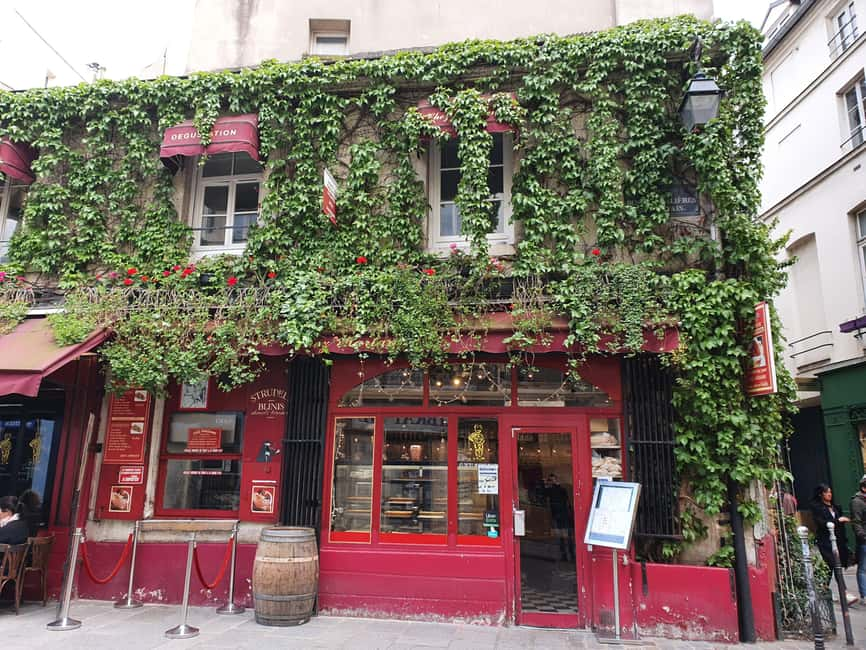
Le Marais is one of those Paris districts where the buildings feel like footnotes to the city’s bigger story. What makes this tour different is that it doesn’t treat Jewish heritage as a side interest. It uses street names, religious landmarks, and everyday shops to show how community life persisted and adapted.
You’ll move through the Jewish Quarter along Rue des Rosiers and also spend time in broader Marais landmarks like Place des Vosges. That mix matters because it helps you connect the personal (daily faith and resilience) to the civic (how Paris reorganized itself).
You can also read our reviews of more historical tours in Paris


Meeting at Quai de Gesvres: your “okay, we’re here” moment
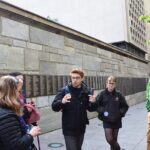
The tour starts at 2 Quai de Gesvres, with your guide waiting in front of Trattoria Marguerite. This is helpful because you’re not guessing where to stand while Paris goes on doing Paris things.
Plan on comfortable shoes. The route is made for walking, and the charm comes from being on foot—crossing from grand squares to smaller passageways without rushing.
Saint-Paul-Saint-Louis and Louis XIII’s baroque start
You begin at Saint-Paul-Saint-Louis Church, described as a baroque masterpiece built under Louis XIII. That opening sets a tone: this isn’t just a stroll through pretty streets. It’s a guided walk that uses architecture to frame a neighborhood shaped by changing eras and communities.
From there, you’ll learn how this part of Paris became a crossroads of faith and community. Even if you’re not the type to track dates, you’ll feel the logic of the story as the neighborhood evolves around you.
Practical note: you’ll see things from the outside, since entry to monuments isn’t included. If you like close-up interior details, you may want to plan separate visits later.
Le Village Saint-Paul: courtyards and the quieter Paris you never plan for
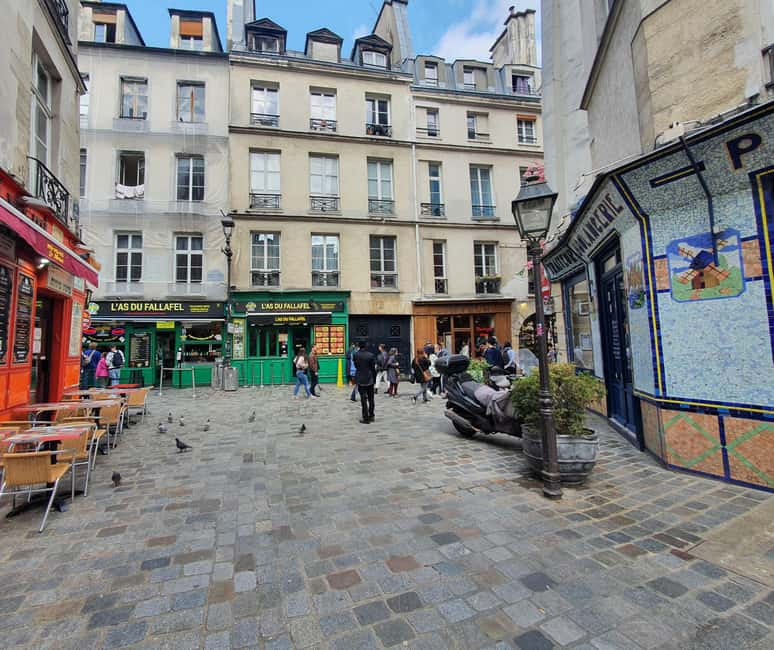
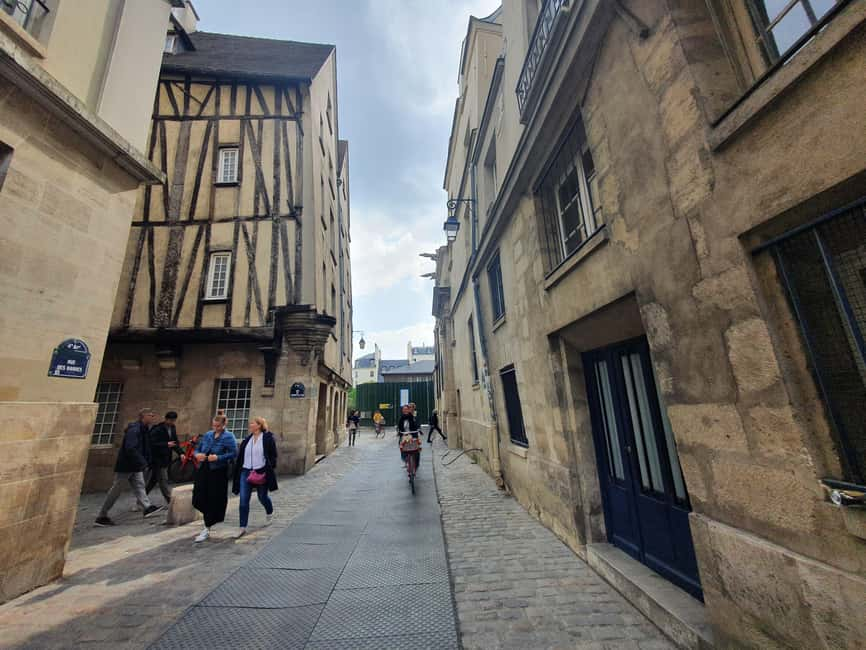
Next comes Village Saint-Paul, where the tour shifts from the main streets to a maze of courtyards and artisan shops. This is where Le Marais earns its reputation for surprise: you turn a corner and suddenly you’re in a smaller world.
I like that this stop isn’t just “look at the pretty courtyard.” The guide’s job here is to help you notice how spaces supported everyday life—work, commerce, and community—inside a dense old city.
If you’re the kind of traveler who enjoys photo stops but hates tourist traps, this is the kind of detour you’ll appreciate. It’s more about atmosphere than performance.
Rue des Rosiers: bakeries, kosher delis, and living memory
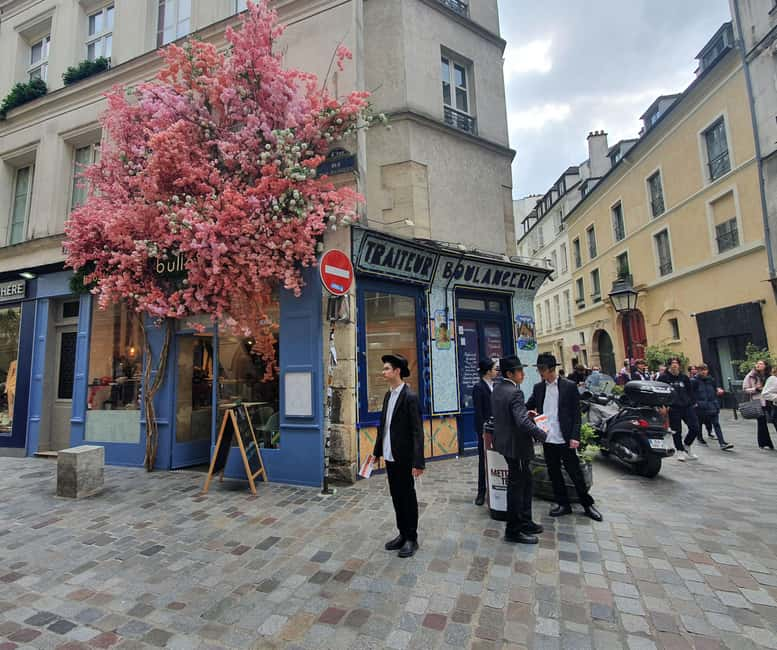
The heart of the Jewish Quarter is Rue des Rosiers, and the tour treats it like what it is: a real street, still used for daily life and food. Expect to see bakeries, kosher delis, and historic synagogues along the way.
This is also where the guide’s storytelling becomes more than background. You’ll hear moving stories tied to resistance and revival, which helps you understand why the neighborhood’s identity didn’t disappear—it changed shape and kept going.
I’d suggest you slow down a bit here. If you keep your pace the same as the earlier blocks, you’ll miss the little cues—shop signs, the rhythm of the street, and the sense that history is still “in the present tense.”




Place des Vosges: a grand square that still feels human
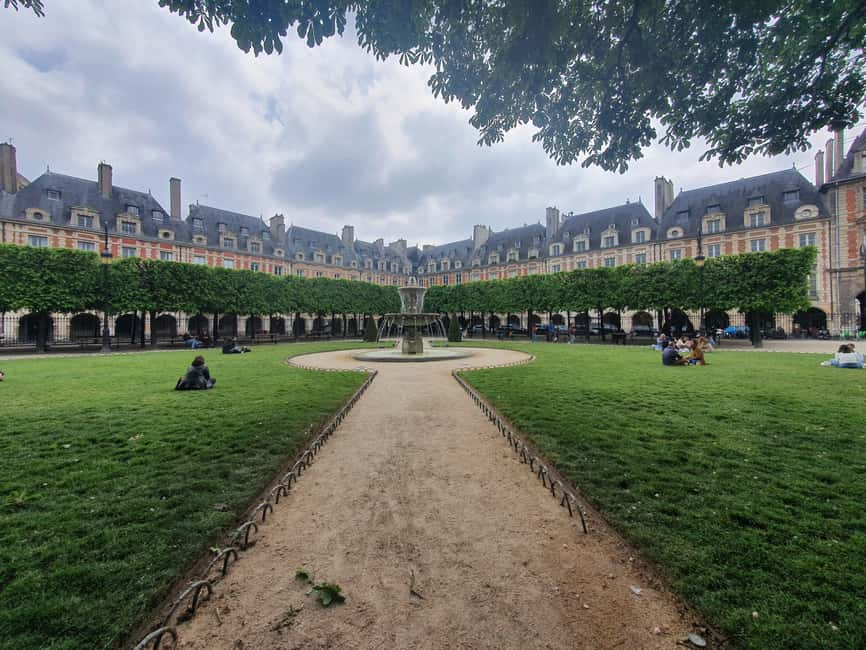
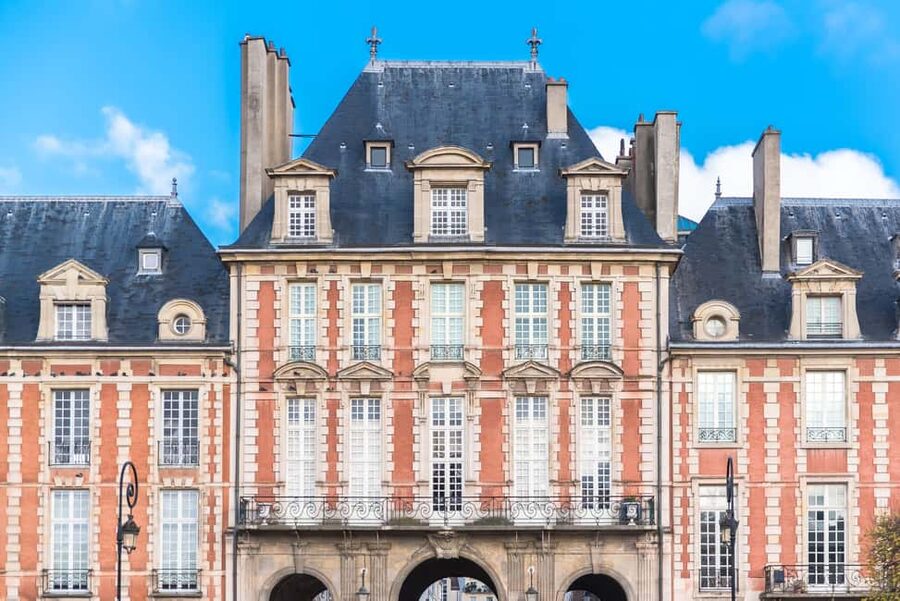
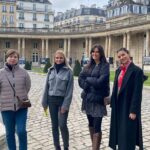
You’ll reach Place des Vosges, one of the oldest squares in Paris. It’s the kind of place that can feel overly famous until you stand there and realize it’s built to hold everyday life: walkways, façades, and space for people to pause.
The tour also points out the mansions that once housed nobles and artists. That context helps you read the square not just as a postcard, but as a stage where different kinds of residents shared the city’s cultural momentum.
Hôtel de Sully: 17th-century architecture with a purpose
Then comes Hôtel de Sully, highlighted as a 17th-century architectural jewel. This stop fits the tour’s overall rhythm: you get a big visual statement, then the guide connects it to how the neighborhood functioned over time.
Because the tour is exterior-only, you’re looking at proportions, façades, and layout rather than going inside. Still, you’ll likely find that the building’s presence helps the earlier stories land with more weight.
Hôtel Carnavalet, Rue des Francs-Bourgeois, and Les Archives
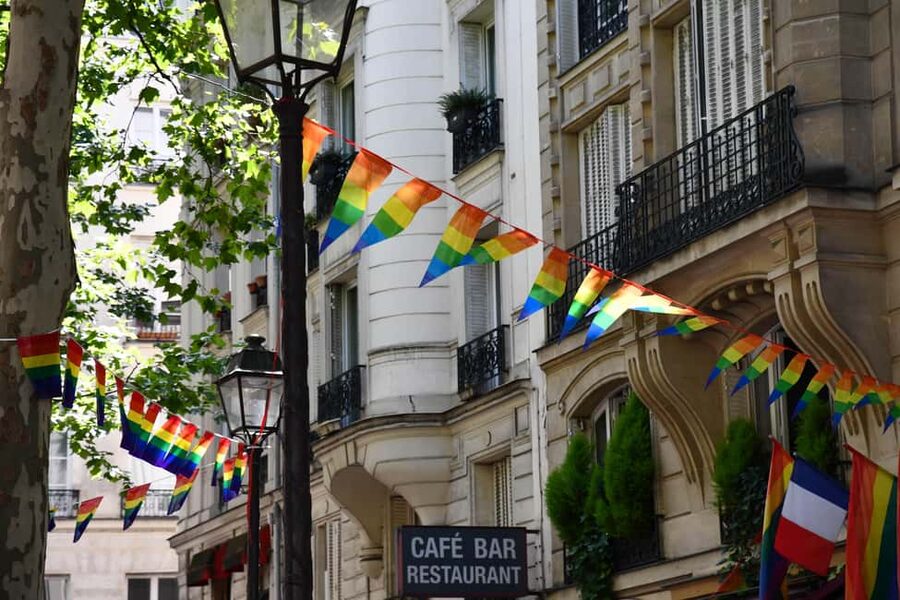
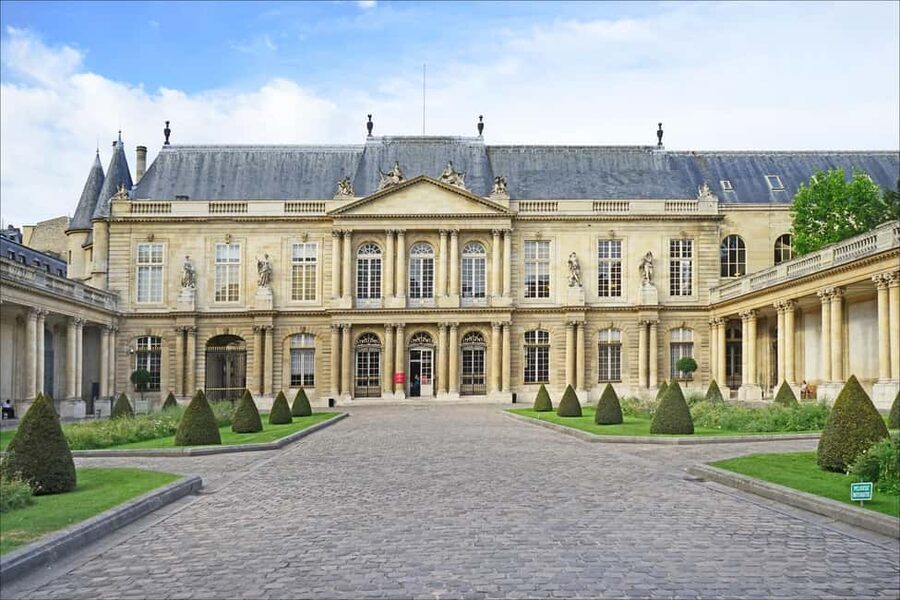
As you continue, the route includes Musée Carnavalet (called the museum of Paris’s history) and stops along Rue des Francs-Bourgeois. You’ll also pass Les Archives.
Here’s why this section is valuable: it keeps widening your lens. Early stops focus on community faith and neighborhood survival. This part helps you see the larger system—how Paris documents itself, preserves its memory, and reinterprets the past through institutions and architecture.
If you’re someone who likes structure, this is a good time to pay attention to transitions. You’re moving from intimate courtyards and community streets to the wider story of how Paris narrates itself.
Hôtel de Ville finish: reflection after the walk
Your final stop is Hôtel de Ville, the site tied to the Liberation of Paris in 1944. Ending here works because it shifts the emotional tone from neighborhood-specific history to citywide endurance and transformation.
It’s a powerful place to stand and think for a moment. You’re walking through centuries, hearing stories of resilience, and then you land in a location where Paris celebrates a turning point in modern history.
Two hours for about $23: does it add up?
At $23 per person for a 2-hour guided walk, this tour is priced like a “high value, low hassle” option. You’re not paying for entry tickets, transportation logistics, or long museum time. Instead, you’re paying for guidance that helps you interpret what you’re seeing.
That matters in Le Marais. Many visitors can wander the district on their own, but they often miss the connections between streets, faith, and the bigger historical arc. A good guide is what turns random pretty streets into an understandable storyline—and the feedback on the experience strongly points to guide quality and a friendly, well-informed approach.
Who should book this walk
This tour is a strong match if you want:
- a walkable, story-driven way to understand Le Marais
- a focus on Jewish heritage and what shaped the neighborhood over time
- a mix of big landmarks (like Place des Vosges and Hôtel de Ville) and smaller spaces (like Village Saint-Paul courtyards)
It’s less ideal if you:
- have mobility limitations or need a wheelchair-friendly route
- hate walking or narrow streets (this isn’t designed for that)
If you enjoy history, but not the “sit still for hours” kind, you’ll probably like the pace. You get movement, context, and small pauses long enough to look around.
Guide quality: the part you feel most
One thing that stands out from the feedback is how much the guide matters. People praised a guide who was friendly, worked smoothly, and added lots of small local details—especially when it came to pointing out lesser-seen stops and blending culture with clear, human storytelling.
Even without catching every fact, a strong guide helps you notice the right things: when a street turns into a cultural marker, when a building suggests a power shift, and when a courtyard feels different from the street outside it.
Should you book the Paris Jewish Heritage & Le Marais walk?
If you want a compact way to see Le Marais with meaning—not just photos—this is a good bet. The emphasis on Rue des Rosiers, plus the way the walk threads in courtyards, classic landmarks, and a 1944 finish, gives you a satisfying “beginning to reflection” arc.
I’d book it if you:
- have only a short window (2 hours is manageable)
- care about understanding a neighborhood through community stories
- like walking tours that actually teach you what you’re looking at
Skip it if you need fully accessible routes or prefer museum entry over street-level storytelling. Otherwise, put on comfortable shoes, keep your expectations realistic for an exterior-focused walk, and let the district explain itself one turn at a time.
FAQ
How long is the tour?
The tour lasts 2 hours.
How much does it cost?
It’s listed at $23 per person.
Where do I meet the guide?
Meet your guide outside Trattoria Marguerite.
Is this tour focused on Le Marais’s Jewish heritage?
Yes. The walk explores Jewish Quarter streets like Rue des Rosiers and includes storytelling about resistance and revival.
Are we going inside monuments?
No. Entry to monuments is not included, and the visit is exterior only.
What languages are available?
The guide offers live tours in English, French, Italian, Russian, and Spanish.
Is it suitable for wheelchair users or people with mobility impairments?
No. It’s not suitable for people with mobility impairments or wheelchair users.
What should I bring?
Wear comfortable shoes for walking.