REVIEW · HOI AN
Hoi An Ancient Town – Walking Tour with Local Guide
Book on GetYourGuide →Operated by CÔNG TY TNHH THANH HAI TRAVEL · Bookable on GetYourGuide
Hoi An makes sense with a guide. This small-group walk (max 10 pax) gives you almost the whole Old Town picture in 150 minutes, with many indoor break stops and easy photo moments. I love the way guides like Trung and Duy explain Vietnamese culture through what you’re actually looking at, and I love the included tea or local dessert to slow things down. One drawback to plan for: the UNESCO entrance ticket is not included and costs 120,000 VND per person (cash only).
You’ll see the town’s main layers fast, from the Ba Mu Temple gate to the Fujian/Cantonese Assembly Hall, the Japanese-covered bridge, Kazik Park, a heritage house, a traditional art performance space, the Museum of Folk Culture, and the local market. The walk stays manageable, and your guide keeps the group together even when the streets get crowded, like around Tet.
Meeting is simple: 95 Đ. Phan Chu Trinh Street, in front of a tailor shop on the corner of the intersection. Bring comfortable clothes, but no baby strollers are allowed, and it’s not suitable for babies under 1 year.
In This Review
- Key things to know
- Hoi An Old Town, Explained in 150 Minutes
- Meeting Point at 95 Phan Chu Trinh and What the Walk Feels Like
- Ba Mu Temple Gate: Starting With a Sense of Place
- Fujian/Cantonese Assembly Hall: Spotting Cultural Clues Fast
- Japanese-Covered Bridge and Kazik Park: Landmarks With a Photo Mission
- Tấn Kí Heritage House: Seeing Domestic History, Not Just Icons
- Traditional Art Performance House: Culture You Can Watch (and Ask About)
- Museum of Folk Culture: Slowing Down Without Getting Bored
- Hoi An Market: Real Life After Heritage Stops
- The Tea or Local Dessert Stop (Often at Mót) and the Best Travel Tips
- Skip-the-Line UNESCO Entry: Price and the Real Cost
- Crowds, Tet, and the One Small Safety Thought
- Who This Tour Fits Best
- Should You Book This Hoi An Ancient Town Walking Tour?
- FAQ
- Where is the meeting point?
- How long is the tour?
- How much does the tour cost?
- What’s included, and what isn’t?
- Do I need to pay an entrance ticket?
- Is the group large?
- What language is the guide?
- What is the cancellation policy?
- What should I bring, and are strollers allowed?
Key things to know
- Small group (max 10 pax) means more interaction and fewer getting-lost moments in narrow lanes
- Indoor breaks help a lot when the weather turns hot, rainy, or just exhausting
- UNESCO ticket is separate (120,000 VND cash), but you skip the line with a separate entrance
- Photo spots + hidden alleys are part of the route, not just a casual stroll
- Tea/dessert stop (often a refreshing drink at Mót) gives a nice reset at the end
- Restaurant, café, and tailor recommendations are practical and help you plan the rest of your stay
Hoi An Old Town, Explained in 150 Minutes
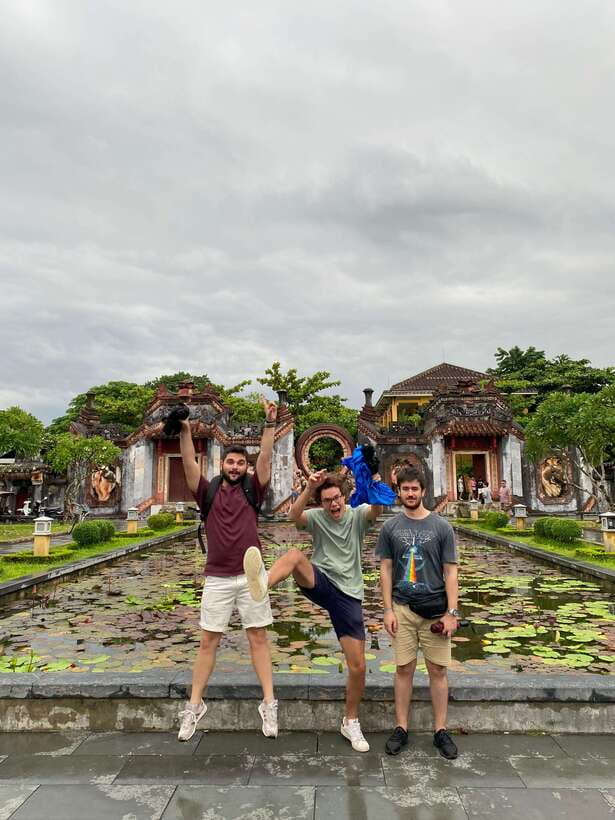
If Hoi An is your first stop in central Vietnam, this tour is a great way to avoid that scattered feeling of wandering from one postcard to the next. The format is designed for first-timers: you cover the core sights in a 150-minute walking loop, so you get the big picture without burning an entire afternoon.
What I like most is the pacing built into the route. You’re not stuck outside for long stretches. Instead, the itinerary mixes outdoor landmarks with indoor breaks, which makes the experience easier on your feet and more comfortable when the weather is working against you.
You’ll also leave with context, not just photos. Sites along the way are grouped in a way that helps you understand how different communities and traditions shaped Hoi An’s feel—so when you later stroll on your own, you’ll know what you’re looking at and why it matters.
You can also read our reviews of more walking tours in Hoi An



Meeting Point at 95 Phan Chu Trinh and What the Walk Feels Like

Your tour starts at 95 Đ. Phan Chu Trinh, waiting in front of a tailor shop at the corner. That detail matters in Hoi An, where streets and signage can blur together once you’re deep in the Old Town.
From the start, the goal is comfort and control. This is a small-group tour capped at 10 participants, and that size makes it easier for the guide to keep everyone together. Several accounts highlight how guides manage busy conditions by staying close and maintaining a steady flow through crowded areas—especially during intense festival periods like Tet.
The walking style is also worth noting. You’re going to be on your feet for about two and a half hours, and the route includes narrow streets and quick transitions between sights. If you’re the type who likes to stop for photos often, bring that energy—your guide is set up to include photo opportunities instead of treating them as an afterthought.
Ba Mu Temple Gate: Starting With a Sense of Place
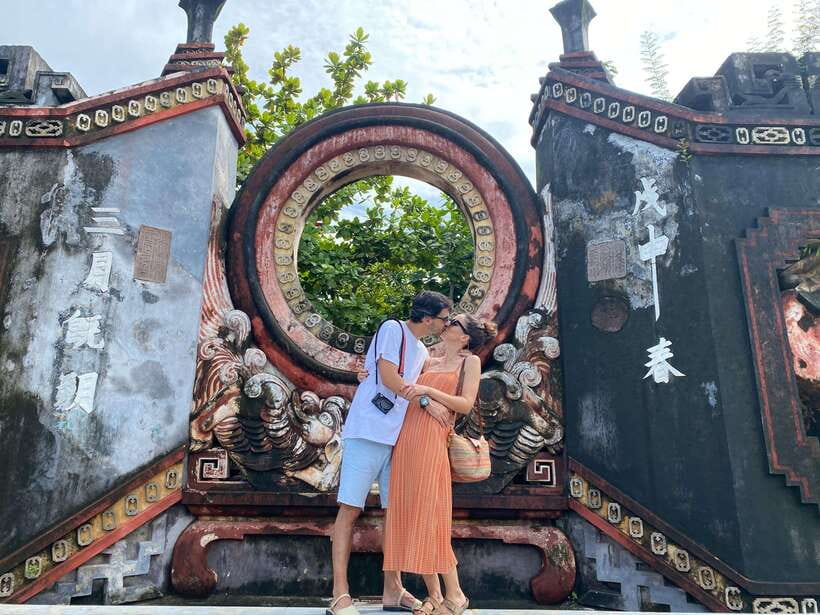
The tour kicks off by visiting the Ba Mu Temple gate. Even without overthinking it, a temple entrance is a good first move because it sets the tone. You immediately shift from “shopping street mode” into “heritage mode,” which makes the rest of the walk easier to interpret.
A practical upside: the early start helps you get bearings before the Old Town becomes harder to navigate. The guide’s job here is also to point out what’s worth noticing—so you’re not just walking past things that look similar at first glance.
Possible consideration: temple gates and nearby areas can be visually busy, with many things competing for attention. If you’re someone who gets overwhelmed by crowds, go slowly at the first stop and let the guide steer you. That’s the best way to enjoy it instead of just surviving the lanes.
Fujian/Cantonese Assembly Hall: Spotting Cultural Clues Fast
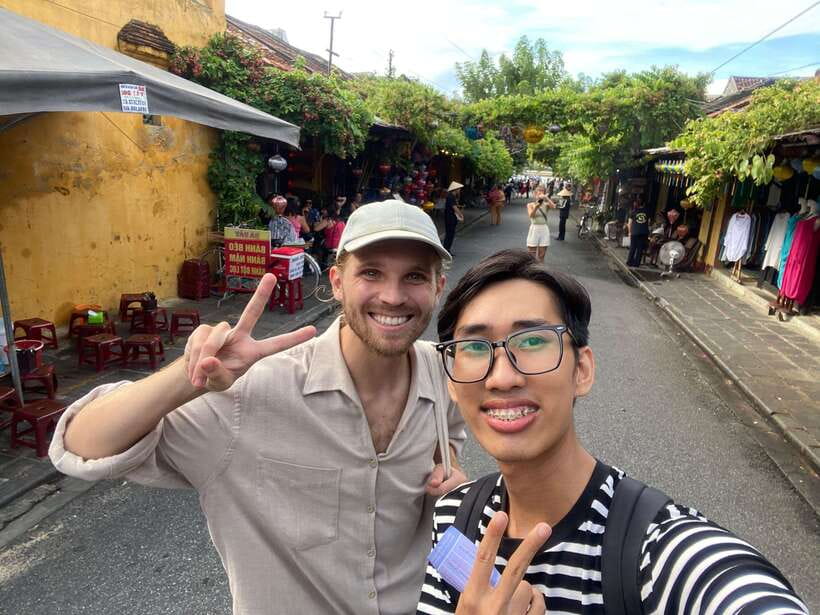
Next up is the Fujian/Cantonese Assembly Hall in Hoi An. The name alone tells you the point: this isn’t a generic stop. It’s one of the places where you can sense how community ties shaped the architecture and the town’s identity.
This is also a smart stop timing-wise. Assembly halls tend to be indoor or semi-indoor, which matches the tour’s pattern of including breaks. You’ll likely get a moment to cool down and reset your eyes before heading into the next landmark.
What you’ll get out of it is perspective. The guide explains what you’re seeing in clear, everyday terms—so later, when you notice similar styling around town, you’ll recognize it as part of Hoi An’s layered mix rather than random decoration.
Japanese-Covered Bridge and Kazik Park: Landmarks With a Photo Mission

Then comes one of Hoi An’s instant-recognition sights: the Japanese-covered bridge. It’s the kind of place where you’ll see everyone holding up phones, but with a guide you’re more likely to get the right angle and the right context for what makes it special in the Old Town maze.
After that, you’ll visit Kazik Park. This stop gives your legs a little breathing room and adds a change of rhythm. Parks in old towns can be useful like that—less “checkpoint” and more “pause,” helping you regroup before moving into more heritage and museum spaces.
Practical note: these landmarks are easy to get stuck around if you’re not paying attention to where your group is. Your guide’s job is to keep you moving at a steady pace, so the photo stops don’t turn into accidental waiting games.






Tấn Kí Heritage House: Seeing Domestic History, Not Just Icons
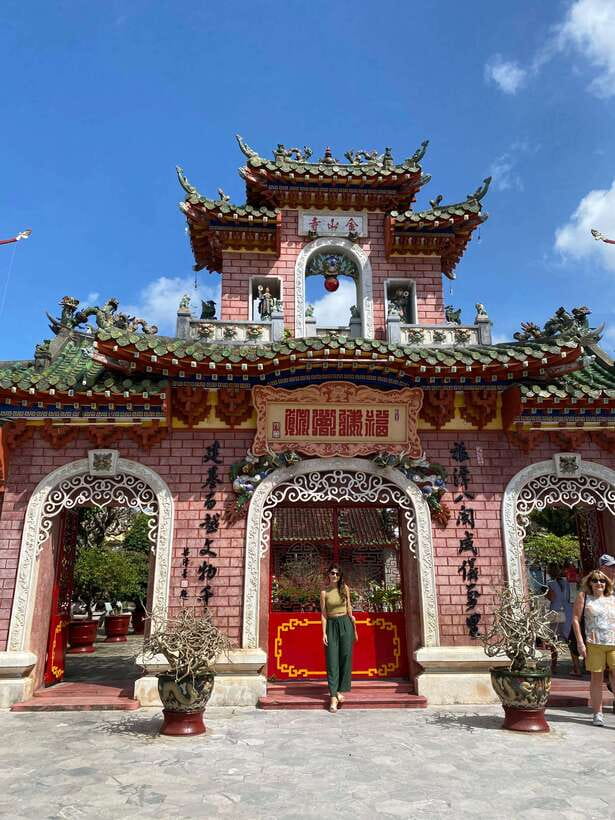
One of the more interesting switches in this itinerary is the move into a Tấn Kí Heritage House. This is where the tour shifts from famous single landmarks to the feel of everyday or domestic spaces in the Old Town.
Why it matters: Hoi An is famous for its “look.” A heritage house helps you understand that the look comes from real structures, real spaces, and real design choices. Even if you’re not a serious architecture nerd, it helps you see why the Old Town feels coherent instead of random.
Downside to consider: heritage houses can be busy, and your viewing time may depend on how quickly the group moves through. If you want to linger for drawings or more photos, you may have to do it in the guide’s photo windows rather than at your own pace. Still, the small group size usually makes those windows feel generous.
Traditional Art Performance House: Culture You Can Watch (and Ask About)
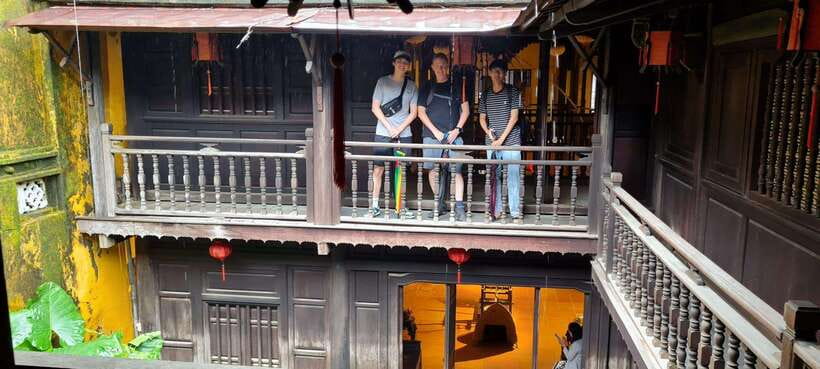
Next is the Hoi An Traditional Art Performance House. This is a good mid-tour stop if you want your afternoon to include something beyond buildings and scenery. It’s also a nice change from “walk, look, move on.”
More than the space itself, this stop is valuable because it keeps the tour from becoming purely visual. If you enjoy understanding how local culture is presented, your guide’s explanation helps you connect the performance context to what you’ve already seen—especially when you’ve just visited heritage and community-related sites.
Possible drawback: if performances or activity schedules are running differently than you expect, the experience could feel more like a cultural stop than a show. The tour data doesn’t spell out specific show times, so it’s smart to treat this as a cultural visit included in the route, not a guaranteed event you’re timing your day around.
Museum of Folk Culture: Slowing Down Without Getting Bored
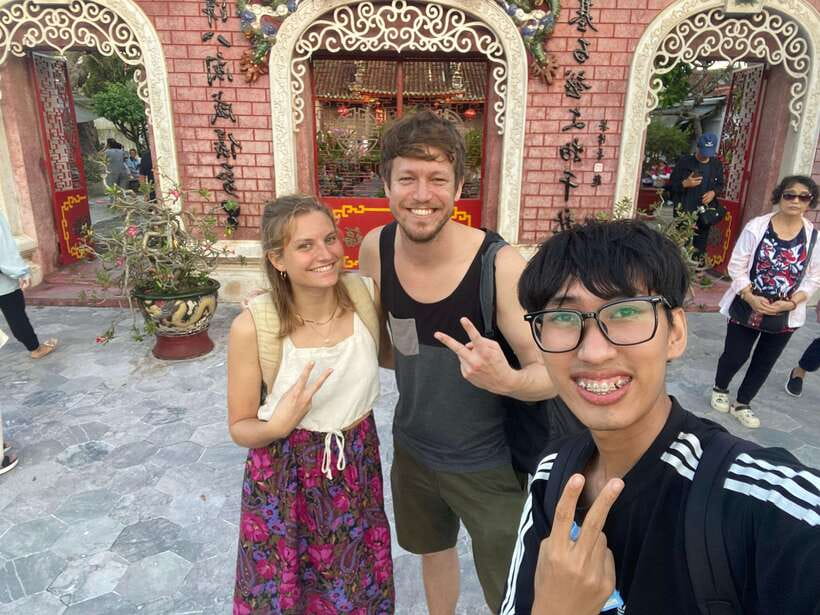
The Museum of Folk Culture is the kind of stop that can make a walking tour worth it. Streets are fast. Museums slow you down in a good way, helping the history and cultural context click into place.
This is also where you start getting that “I get it now” feeling. When you’ve been shown a temple gate, a cultural assembly hall, a covered bridge, and a heritage house, the museum helps you connect the dots. It’s a chance to see artifacts and ideas tied to everyday traditions, not just landmark architecture.
Practical consideration: museums can vary in how much time you’ll actually have inside during a walking tour. If you’re the type who wants to read every sign, keep in mind the tour has a schedule for the whole group. Still, most of the included time is structured so you can see the essentials without feeling rushed.
Hoi An Market: Real Life After Heritage Stops
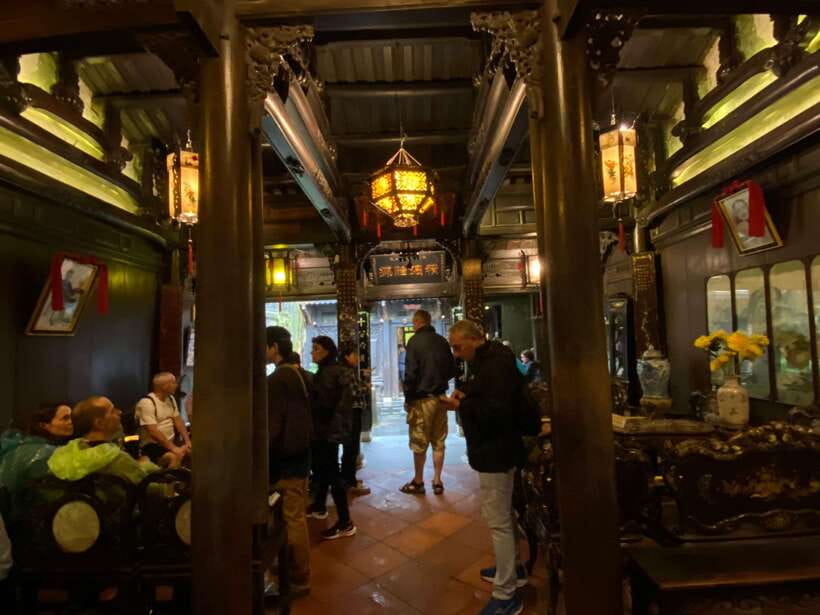
The last listed major stop is Hoi An Market. This is the best end-of-tour switch if you want to feel the town beyond monuments. Markets are where you see what people actually do when they’re not sightseeing.
It also gives you something useful for the rest of your trip: a sense of what’s available, what looks fresh, and what kind of food and small goods you might want to track down later. Even if you don’t plan to shop, this stop teaches you the town’s daily rhythm.
One consideration: markets can feel crowded fast. If you’re easy to distract, stay close to your guide and follow the group flow. The tour is designed so you get the value of this area without getting separated.
The Tea or Local Dessert Stop (Often at Mót) and the Best Travel Tips

A standout feature is the included break for traditional dessert or local tea. Many guides wrap up with a refreshing drink stop—one commonly mentioned name is Mót—so you get something cool and drinkable before you head back out into the Old Town heat or rain.
This isn’t just a sweet extra. It functions like a reset button. You’ve been walking and learning, and the drink stop gives you time to digest what you saw. It’s also a social moment when you can ask questions while everyone’s energy is high.
The other big value-add is the practical recommendations your guide offers: where to eat local dishes, which café spots to try, and what to look for if you want tailoring or small shopping. That kind of guidance helps you avoid the common mistake of spending your time hunting for places after you’re already tired.
Skip-the-Line UNESCO Entry: Price and the Real Cost
The tour price is $14 per person, and that’s the “walking tour base” cost. What you need to budget on top is the UNESCO heritage site entrance ticket: 120,000 VND per person, paid in cash. The tour includes skip-the-line through a separate entrance, which is a meaningful quality-of-life benefit in a crowded Old Town.
So is it good value? For most people, yes, because you’re paying for three things at once:
- a local English-speaking guide
- a structured route that hits major sites in a short window
- small-group management plus indoor break stops
If you were to plan and guide yourself across all those locations, you’d spend time figuring out what matters and how to move efficiently. Here, you’re trading a modest fee for clarity.
Tip: bring the cash for the ticket in advance. This avoids the awkward scramble that can happen when your group is already at the site entrance.
Crowds, Tet, and the One Small Safety Thought
Hoi An can get chaotic during peak festival periods like Tet. The good news is the tour is built for small groups and guides who keep everyone together. More than once, guides are described as handling busy lanes smoothly and getting people where they need to be without turning the walk into a frantic scramble.
Still, I’ll add one basic reality check. In very busy areas, you can encounter strangers who act curious or intrusive. Keep your attention on your guide and your group, and if anything feels off, speak up right away. Your tour flow depends on you staying aligned with the group.
Who This Tour Fits Best
This walking tour is a strong fit if:
- it’s your first visit to Hoi An and you want a quick orientation
- you like cultural context, not just sightseeing
- you want a guide with good English and a sense of humor (Trung and Duy show up a lot in the feedback)
- you value indoor breaks and comfort on a 2.5-hour schedule
- you want easy follow-up suggestions for food, cafés, and tailoring
It may not be the best fit if:
- you’re traveling with a stroller (baby strollers aren’t allowed)
- you’re bringing a very young baby (not suitable for babies under 1 year)
- you prefer a totally free-form wander with no set order of stops
Should You Book This Hoi An Ancient Town Walking Tour?
Book it if you want an efficient, guide-led introduction to the Old Town without over-planning. The combination of small-group size, structured stops across temple, heritage, museum, and market, and an included tea/dessert reset makes it a smart first-day choice.
If you already know you’ll spend your afternoons shopping and eating and you don’t want any structure, you could skip a guided route. But if you want your first hours to make sense—so your later solo strolling feels informed—this is the kind of tour that earns its spot.
Just come prepared with comfortable clothes and the cash for the UNESCO ticket, and you’ll get a lot out of those 150 minutes.
FAQ
Where is the meeting point?
The tour meets at 95 Đ. Phan Chu Trinh Street, Hoi An, in front of a tailor shop on the corner of the intersection.
How long is the tour?
The walking tour lasts about 150 minutes (roughly two and a half hours).
How much does the tour cost?
The price is $14 per person.
What’s included, and what isn’t?
Included: a local English-speaking guide, a small-group walking tour with visits to key heritage sites, hidden alleys and photo spots, and a traditional dessert or local tea. Not included: the UNESCO heritage site entrance ticket and pick-up/drop-off.
Do I need to pay an entrance ticket?
Yes. You need an entrance ticket for the UNESCO heritage site: 120,000 VND per person, and it’s only accepted in cash.
Is the group large?
No. It’s a small group limited to a maximum of 10 participants.
What language is the guide?
The guide is live and speaks English.
What is the cancellation policy?
You can cancel up to 24 hours in advance for a full refund.
What should I bring, and are strollers allowed?
Wear comfortable clothes. Baby strollers are not allowed, and the tour is not suitable for babies under 1 year.