REVIEW · SHANGHAI
Private Full Day Tour: Shanghai Colonial History Tour
Book on Viator →Operated by Jennys China Tours · Bookable on Viator
Colonial Shanghai clicks into place on foot. This private day traces how the English, French, and Americans shaped Shanghai’s neighborhoods—starting in the 1800s, surviving war and upheaval, and then turning into part of the modern city you see today. You’ll move through key areas where the architecture, street patterns, and riverfront institutions still tell the story.
I especially like two parts: a hotel pickup/AC vehicle setup that keeps the day relaxed, and an included dumpling lunch (with a vegetarian option) so you’re not hunting for food between sights. Guides are also a big deal here—people rave about guides like Peggy, Troy, Céline, and Cathy for clear explanations, strong English, and going the extra mile to keep things comfortable.
One consideration: the schedule includes Thames Town, a British-themed town about 30 km from central Shanghai. It’s fun and photo-friendly, but it’s newer and styled, so if you’re chasing only original colonial-era textures, this stop may feel a bit different from the older concession areas.
In This Review
- Key highlights at a glance
- Turning Shanghai’s colonial story into a walkable route
- Former French Concession: east-meets-west streets and architectural clues
- Tian Zi Fang: Shikumen lanes, shops, and people watching
- Thames Town: a British-themed contrast outside the center
- The Bund (Wai Tan): the riverfront that once ran on institutions
- Shanghai Municipal Archives: why documents matter more than photos
- Lunch stop: dumplings, comfort, and one less thing to plan
- The guide effect: Peggy, Troy, Céline, and Cathy
- Price and value: what $175 buys you in one controlled day
- Who should book this colonial history route
- Should you book? My decision checklist
- FAQ
- How long is the Shanghai Colonial History Tour?
- Is hotel pickup and dropoff included?
- What’s included for lunch?
- Is this a private tour?
- Are admission tickets included for the stops?
- How do I get the tickets for the tour?
- Are tips included in the price?
- What’s the cancellation policy?
Key highlights at a glance
- Hotel pickup and dropoff make this an easy full-day plan, not a scavenger hunt
- Authentic dumpling lunch included, with a vegetarian option
- French Concession to the Bund covers the core “concession-to-modern” story arc
- Tian Zi Fang’s Shikumen lanes offer the most street-level feel in the itinerary
- Shanghai Municipal Archives gives you the paper trail behind the buildings
- Private format for your group means you can move at a pace that fits you
Turning Shanghai’s colonial story into a walkable route
Shanghai can feel like a city with multiple lives happening at once: old lanes beside big development, global finance beside local neighborhoods. This tour helps you connect those layers. The big idea is simple: you’re not just seeing landmarks—you’re getting the “why” behind them.
This is a private full-day tour (about 8 hours) with your group only, plus air-conditioned vehicle transport and hotel pickup and return. That matters because Shanghai traffic and distances can turn a history day into a time-waster if you’re doing it on your own. With pickup handled, you spend energy on the streets and buildings, not on logistics.
It also uses a sensible rhythm: walk a neighborhood, then ride to the next one. Several stops are listed with admission ticket free, so the day doesn’t turn into a constant payment-and-line situation. There’s also a mobile ticket, which is handy for day-of coordination.
Who is this best for? If you’re a first-timer, love design details, or want a structured way to learn colonial-era Shanghai without spending hours researching, this fits well. If you hate walking or want only major museums, you might find you’re trading deep time in one place for a broader sweep across key districts.
You can also read our reviews of more private tours in Shanghai

Former French Concession: east-meets-west streets and architectural clues
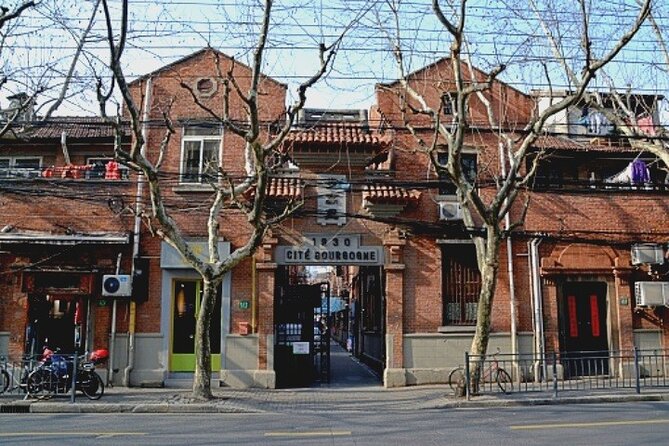
The day starts in the Former French Concession, an area tied to the era when foreign powers carved out special presence in Shanghai. This is one of those places where the shape of streets and the look of buildings tell you what kind of city it was trying to be.
Expect a mix of old architecture and an easygoing neighborhood atmosphere where the old and new coexist. The tour’s focus here is less about one single building and more about pattern recognition: look at facades, street layout, and how the neighborhood feels now compared with what the concession system represented back then.
What you’ll like: it’s a strong “orientation stop.” It helps you understand what comes next, because later areas on the route echo similar themes—different foreign influences, different styles, same underlying idea of Shanghai as a global hub.
Possible drawback: the time is about one hour, so don’t plan on reading every sign or going deep into every side street. This stop works best if you want the big connections and then enjoy browsing afterward on your own.
Tian Zi Fang: Shikumen lanes, shops, and people watching
Next is Tian Zi Fang, described as a maze of small walkways with coffee bars, shops, and restaurants, plus Shikumen architecture. If Shanghai colonial history had a “lived-in” visual language, this is one of the places where you can sense it.
Shikumen (the style type featured in the area) is often remembered as a key local form that interacts with outside influences—so even if you’re not studying the details, you’ll see why the tour group stops here. The narrow lanes create a different walking experience than wide boulevards: slower pace, closer views, more chances to notice storefront life.
What to do with your one hour: take it slow enough to enjoy the maze. You don’t need to sprint to the next corner. This is also a good stop for quick photos, since the architecture and alley angles create a lot of frame-worthy moments.
The trade-off: it’s not a quiet museum zone. If you prefer calm, controlled spaces, you might find it more lively than you expected—still, that’s part of why it works for this theme.
Thames Town: a British-themed contrast outside the center
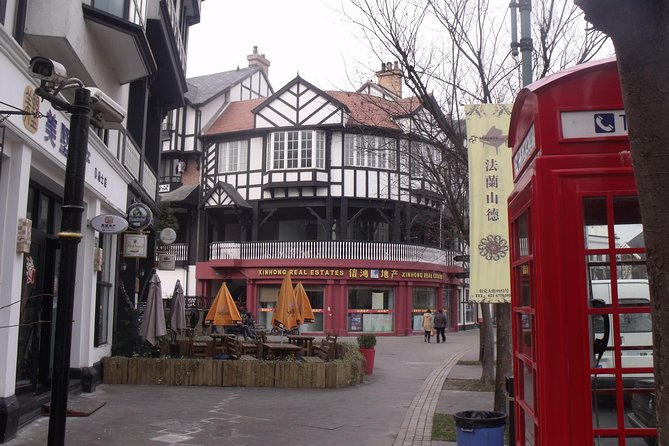
Then you head to Thames Town in Songjiang District, about 30 km from central Shanghai. The concept is British market-town style architecture, with features like cobbled streets and a look meant to feel like a classic British town.
Here’s how to think about it for your expectations. This stop is less about showing the original concession era buildings and more about showing how Shanghai’s modern identity can reference earlier foreign imagery. If your interest is cultural storytelling—how styles get recreated and repurposed—this is a fun contrast.
Why it’s still worth including: it breaks up the day and gives your brain a “different kind” of history reading. Instead of only older structures, you also see how foreign aesthetics can become a new setting.
Possible consideration: since it’s a newer themed town, it may not satisfy you if you’re strictly hunting for the 1800s-to-1940s colonial built environment. If you’re the type who wants the most authentic original materials and sites, you might treat this as a bonus photo stop rather than the core of the story.
The Bund (Wai Tan): the riverfront that once ran on institutions
The tour’s next big anchor is The Bund (Wai Tan) along the Huangpu River. This is where colonial influence becomes instantly visible. The Bund is lined with dozens of historical buildings that once housed banks, trading houses, and consulates from Europe, Asia, and the United States.
You can stand here and basically read Shanghai’s “international business” phase from a distance. That’s the value of the stop: it’s not one isolated sight. It’s a whole corridor of architecture tied to the idea of foreign settlements and commercial power.
What I like about this stop for first-timers: it’s easy to orient yourself. Even if you don’t remember every building, you grasp the pattern—riverfront wealth, global offices, and the city’s role as a trading gateway.
Time note: it’s listed at about one hour. Use that hour to walk the riverfront and get your bearings, then save deeper exploring for a later self-guided stroll if you want.



Shanghai Municipal Archives: why documents matter more than photos
From the outside power of the Bund, the route shifts to the inside power of records at Shanghai Municipal Archives. The tour positions the museum as the main repository for archives in Shanghai, housed in a modern facility on the Bund.
The big takeaway is that this place holds archives of the previous foreign settlements, plus records tied to the republican-era period. That’s important because colonial history isn’t only visible in buildings. It’s also in documents—administration, trade records, correspondence, and how different groups shaped policy and life.
What you’ll get from this stop: context that makes the architecture feel less like set dressing. When you see how archives preserve what the concessions were doing and recording, you start connecting the dots between street scenes and real systems of control.
Possible drawback: museums can feel quieter than walking stops. If you prefer motion over reading, plan for a more sedentary hour and look for the exhibit areas that match what you care about most—foreign settlements, governance, or the city’s administrative story.
Lunch stop: dumplings, comfort, and one less thing to plan
This tour includes lunch, described as an authentic dumpling lunch, and it notes a vegetarian option. In Shanghai, dumplings are not just food—they’re a practical culture test. Can a place balance flavor, consistency, and local style? This tour aims to get you into a meal that feels connected to the city, not a tourist detour.
One review specifically called out juicy jianbo as the best Shanghai food they’d eaten. That’s a good clue for what kind of dumpling experience you can expect: satisfying, meaty, and very much in the local comfort zone.
Why included lunch is a real value: it protects your schedule. Without lunch built in, you can lose time crossing town, waiting for a table, or translating menus. Here, lunch is part of the flow.
The guide effect: Peggy, Troy, Céline, and Cathy
This tour’s quality often comes down to the person holding the thread. The standout praise across guide names is consistent: guests mention strong English, friendliness, and real follow-through.
- Peggy gets repeated praise for being a native Shanghainese guide with excellent communication and a professional, caring style.
- Troy is described as having perfect English, plus flexibility and accommodation during the day.
- Cathy is praised for being attentive to requirements and making the experience feel personable, not stiff.
- Céline earns credit for explaining Shanghai history clearly and keeping the day full without losing the fun factor.
Here’s what you should do with that information: ask your guide, early on, what angle you want most—architecture, day-to-day life in concession areas, or how the city changed across wars and political shifts. A good guide will shape the walk to your interests, and the best part of a private tour is that you can steer the day.
Price and value: what $175 buys you in one controlled day
At $175 per person for an 8-hour private day, the price can look high until you break down what’s included. You’re paying for:
- Hotel pickup and dropoff (time saved, stress saved)
- Air-conditioned vehicle for getting between districts
- A guided route built around colonial history from the 1800s to today
- Lunch with an authentic dumpling meal, plus vegetarian availability
- Mobile ticket convenience
- Admission ticket free for the listed stops
Also, the tour notes group discounts, which can lower the per-person cost if you’re traveling with others. The tour is private, so you’re not splitting attention among strangers, and you don’t have to wait for multiple groups to finish a photo stop.
One item not included is tips for the guide and driver, which is standard in many service-based tours. If you’re budgeting, set aside gratuity so you’re not doing math mid-day.
Who should book this colonial history route
Book this if you want a “big picture” day that still feels grounded in real places. You’ll enjoy it most if you like:
- city architecture and how it reflects power and migration
- neighborhood walking with meaningful context
- a plan that doesn’t require heavy research
- having lunch handled
It’s also a solid option when you’re short on time and want maximum learning per hour. In one example, a customer used the provider for a long layover, which hints at the usefulness of a structured day when your schedule is tight.
Consider skipping or adjusting expectations if:
- you hate mixed-format days (some walking, some seated museum time)
- you want only original colonial-era sites and not a themed contrast like Thames Town
- you plan to spend hours inside archives and museums (the itinerary keeps everything to about an hour per stop)
Should you book? My decision checklist
Yes, book this tour if you want Shanghai history that connects streets, buildings, and institutions into one understandable storyline, without turning your day into transportation roulette. The included lunch and pickup alone make it feel like someone planned the day for you, not for a slideshow.
I’d hesitate if your idea of value is long museum time and deep single-site study. This tour spreads across five major stops plus transit, so it’s best for seeing patterns fast and then doing follow-up exploration on your own.
If you do book, come ready to look closely. In the French Concession lanes, on the Tian Zi Fang walkways, along the Bund riverfront, and even in the archive exhibits, the details you notice are the points your guide will help you understand.
FAQ
How long is the Shanghai Colonial History Tour?
The tour runs for about 8 hours.
Is hotel pickup and dropoff included?
Yes. Your guide meets you at a centrally located hotel and returns you to the hotel at the end of the day.
What’s included for lunch?
Lunch is included and it’s described as an authentic dumpling lunch, with a vegetarian option available.
Is this a private tour?
Yes. It’s a private tour/activity, and only your group will participate.
Are admission tickets included for the stops?
The itinerary lists admission as free for each of the listed stops.
How do I get the tickets for the tour?
You receive a mobile ticket.
Are tips included in the price?
No. Tips for the guide and driver are recommended.
What’s the cancellation policy?
You can cancel for a full refund up to 24 hours before the experience’s start time, and cancellation is free.