REVIEW · BISHKEK
From Bishkek: Ancient Burana and Konorchek Canyons
Book on GetYourGuide →Operated by Atlas KG · Bookable on GetYourGuide
Ancient sites and canyon walks in one day? That combo is hard to beat. You’ll start with the Burana Minaret from the old Balasagun era, then move to Konorchek Canyons for a moderate hike with red rock views and petroglyph stops that make the day feel more like exploring than sightseeing. I like that the tour is built for both heritage and legs-on adventure, not just one or the other.
Two things I really like: the chance to climb the Burana tower for wide valley views, and the way the day mixes big “wow” moments with practical guided pacing. A guide such as Amir, Aziz, Nuraly, Talant, Meerman, Munduz, or Ulan can turn the route into a story about people and place, not just dates and facts. One consideration: the canyon approach includes a few rocky climbs (about 1–3 meters), so you’ll want good traction and a calm head.
If you’re expecting a stroll, this isn’t that. If you’re okay with some climbing steps and a few uneven bits—plus the chance of ice in colder months—this day trip is a strong value from Bishkek.
In This Review
- Key highlights to know before you go
- Burana Tower and Balasagun: why this minaret visit is worth your time
- Petroglyphs and the museum: ancient marks and everyday objects
- Konorchek Canyons hike: red formations, a mostly easy trail, and a few tricky steps
- The pacing: how the 8 hours stay full without feeling rushed
- Kyrgyz kattama lunch: included comfort after the climb
- Price and value from Bishkek: what $130 is buying you
- Who should book this tour, and who might skip it
- Practical packing and shoe advice for Konorchek steps
- Should you book the Ancient Burana and Konorchek Canyons day trip?
- FAQ
- How long is the tour from Bishkek?
- Is the tour private and does it have an English guide?
- What heritage sites and stops are included?
- What’s the hiking like at Konorchek Canyons?
- What should I wear for the canyon section?
- Is lunch included?
Key highlights to know before you go
Burana tower climb for valley views: You can climb inside the minaret using old brick-and-wood stairs and get great photo angles.
Petroglyph site and a museum stop: You’ll see ancient artifacts tied to nomad culture, plus rock art nearby.
Konorchek is a moderate hike with red formations: Expect a roughly 2 km, mostly alpine-style trail, then canyon highlights.
Small “hands-on” obstacles: The route includes four rock elevations (around 1–3 m) that require careful stepping.
Kyrgyz kattama lunch included: A proper local meal without hunting for food mid-day.
English live guiding in a private setup: You’ll have a dedicated guide and time to ask questions.
Burana Tower and Balasagun: why this minaret visit is worth your time
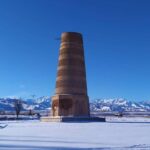
From Bishkek, the day’s rhythm is simple: you’ll get picked up, then dive straight into one of the most recognizable heritage stops in the region. The Burana Tower is tied to the ancient city of Balasagun, and the big draw isn’t only what you see from the ground—it’s what you learn as you move through it.
Inside the minaret, you can climb using old brick and wood stairs. That means the visit isn’t just looking; it’s getting a feel for the structure and imagining how people once navigated these spaces. From the top, the payoff is classic: broad valley views that make it easier to understand why this site mattered. Even if you’re not a “history museum” person, the height helps the place click.
The guided component matters here. A good guide will point out details you’d normally miss, and the best ones on this route—people like Amir, Nuraly, and Aziz—tend to explain the site clearly and keep the pacing comfortable. You’ll typically get about an hour for the guided Burana stop, which is long enough to climb, take photos, and still stay relaxed before the canyon.
A potential drawback: the climb can feel physically demanding if you’re not used to stairs or uneven footing. Nothing is extreme, but it’s not fully flat and you’ll want to wear shoes you trust.
You can also read our reviews of more tours and experiences in Bishkek.
Petroglyphs and the museum: ancient marks and everyday objects
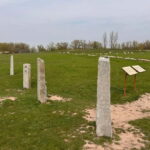
After the tower, the tour shifts from a single iconic structure to the wider story of how people lived around it. You’ll visit a petroglyph site, then continue to a museum with ancient artifacts. This pairing is smart. One stop gives you raw, direct human markings on rock; the other gives you context through collected items and objects.
Petroglyphs are especially powerful because they’re not behind glass. Even without reading a single label, you can see that the marks were meant to last. The museum then fills in the blanks—helping you connect those rock images to broader nomad life and historic material culture.
This is also where a guide can make the biggest difference in value. Different guides—Talant, Meerman, Munduz, Ulan, and others—have a way of turning the museum visit from a quick glance into a guided “what am I looking at” experience. If you like to ask questions, this is a great moment to use your guide.
One practical note: museums and rock sites both move on foot. You’ll want comfortable clothing because your time won’t be spent sitting.
Konorchek Canyons hike: red formations, a mostly easy trail, and a few tricky steps
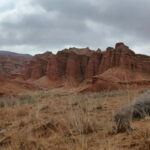
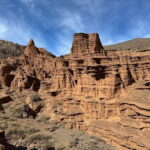
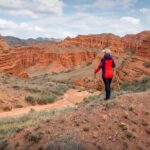
This is the heart of the day for most people. Konorchek Canyons offers a moderate hiking experience with stunning red canyon visuals. You’ll spend about 3.5 hours on the guided hiking portion, and the route is described as a flat alpine trail for roughly 2 km. That part is genuinely helpful: it means you’re not constantly climbing a steep gradient.
But don’t miss the important safety note. There are four rock elevations along the way to the canyon—around 1 meter up to 3 meters—that require climbing on the way. In plain terms: you’ll be stepping up and down a few times where traction matters. That’s why the tour specifically flags non slippery shoes and athletic clothing.
The good news is that the “hard parts” are small enough that they don’t turn into a rugged expedition. The guides are also there for practical help. I’ve seen accounts of guides like Aziz offering a hand during boulder sections and even bringing gloves for the climbs—exactly the kind of thoughtful support that makes the difference when rocks are slick.
Seasonal reality check: the canyon area is described as accessible all year since it doesn’t snow there. Still, one common cold-weather issue can be ice. You may find frozen or icy surfaces around the route in colder months. If you’re going outside summer, consider this like a cautious hike, not a casual walk.
Also keep in mind weather can affect comfort. One day plan was adjusted when rain made canyon walking a bad idea, replaced with a different option in Bishkek. That’s a reminder to pack layers and stay ready for your guide’s call on the safest route.
The pacing: how the 8 hours stay full without feeling rushed
This is a full-day outing—about 8 hours total from pickup in Bishkek to your return. The best thing about the schedule is that it’s not just “drive, stop, leave.” Each portion has time to breathe.
A typical flow looks like this:
- Start with the guided Burana Tower stop (around an hour), including the climb.
- Transition to Konorchek for the guided hike (about 3.5 hours), with the petroglyph and museum woven into the heritage block.
- Finish with lunch and then head back.
Because it’s structured this way, you get a balance: a heritage anchor (Burana), a human-context layer (petroglyphs and museum), then the physical payoff (canyons).
The private group format also helps. With a smaller setup, you can ask questions, move at a sensible pace, and adapt if someone needs a slower moment near the rock steps. It’s live English guiding too, which makes the day feel less like you’re decoding everything yourself.
Kyrgyz kattama lunch: included comfort after the climb
Midday is not an afterthought here. After the hike, you’ll stop for lunch at a traditional Kyrgyz spot and get kattama as part of what’s included. That matters because canyon hikes can make you hungry fast, and it’s nice not to spend your limited time in Kyrgyzstan bargaining for food or hunting for a place that’s open.
Even the small things count: you’ll also get a bottle of water included. Dehydration sneaks up on you on hikes, and water should be simple and taken care of for you.
One thing to remember: lunch is included, but you still shouldn’t treat it like a replacement for good hydration habits earlier in the day. Drink when you can, especially if you’re hiking in heat.
Price and value from Bishkek: what $130 is buying you
The price is $130 per person for an 8-hour day that blends entrance fees, guiding, lunch, and a guided canyon hike. That’s the key value math here: you’re paying for more than transport. You’re paying for the guided experience and the components that usually cost extra—entrance into Burana and the museum, plus a structured hike where someone handles pacing and safety on uneven sections.
If you tried to do this alone, you’d likely spend time figuring out local access, timing, and what to see beyond the big minaret photo. Even with a driver, it’s the guidance that turns the stops into a coherent story and helps you manage the rock-elevation sections safely.
Private group matters too. A private setup is less about “quiet luxury” and more about practical flexibility: you can move in a way that matches your group, and your guide can respond to questions and conditions.
So is $130 worth it? For most people who want both heritage and canyon hiking without a complicated planning day, it’s a solid deal—especially since entrance fees and lunch are included.
Who should book this tour, and who might skip it
This isn’t listed as a fit for everyone, so it’s smart to respect the boundaries:
Not suitable for:
- Children under 10
- Pregnant women
- People over 70
There’s also the physical reality of the canyon section: moderate hiking plus climbing four rocky elevations up to about 3 meters. That doesn’t require athlete-level strength, but it does require balance and comfort with stepping up and down.
Who it suits best:
- You if you enjoy combining a cultural site with outdoor time
- You if you’re comfortable with a moderate hike and a few rocky climbs
- You if you like guided context at places like petroglyph sites and museums
- You if you want a day trip that feels efficient from Bishkek without being rushed
Practical packing and shoe advice for Konorchek steps
Here’s the plain, useful checklist style advice that matters most for this tour:
Wear:
- Non slippery shoes with good grip
- Athletic clothing you can move in
Bring (if you have them):
- Layers for changing temps as you go from town to canyon areas
- Something for cold if you’re hiking in cooler months, since ice can show up even when the area doesn’t get heavy snow
- A small towel or wipe for dusty moments at rock sites, if you’re the kind of person who likes to stay comfortable
And don’t underestimate the rocky elevations. The four steps of about 1 to 3 meters are short, but they’re the exact spots where poor footwear becomes a problem. This is where your guide’s help can also be handy, and having gloves can be a big comfort in colder conditions.
Should you book the Ancient Burana and Konorchek Canyons day trip?
If you want one memorable day from Bishkek that mixes heritage, petroglyphs, museum context, and a real canyon hike, I think this is a strong choice. The Burana Tower climb adds a hands-on element you don’t get at many “look but don’t touch” heritage stops. Then Konorchek delivers the outdoor payoff with red formations, a mostly manageable trail, and the kind of short obstacles that keep the hike interesting without turning it into a long technical scramble.
Skip it if you’re not steady on your feet, have mobility concerns, or want a fully easy walk. And if you’re visiting in colder months, treat traction and ice-readiness as non-negotiable.
Bottom line: this is a good value 8-hour mix for travelers who like culture with movement—and who are willing to take the canyon’s rocky steps seriously.
FAQ
How long is the tour from Bishkek?
The total duration is 8 hours.
Is the tour private and does it have an English guide?
Yes. It’s described as a private group with a live tour guide in English.
What heritage sites and stops are included?
You’ll visit the Burana Minaret (with a guided visit) plus the museum with ancient artifacts, and you’ll also see a petroglyph site.
What’s the hiking like at Konorchek Canyons?
The canyon walk includes a guided moderate hiking segment. It includes a roughly 2 km flat alpine trail and also includes four rock elevations on the way (about 1 meter to 3 meters) that you should be ready to climb carefully.
What should I wear for the canyon section?
Comfortable shoes are recommended, and non slippery footwear is specifically important because you’ll be stepping on rocky surfaces. Athletic clothing helps you move safely.
Is lunch included?
Yes. Lunch is included as Kyrgyz traditional kattama, and there’s a bottle of water included as well.