REVIEW · MEDINA
Prophet’s Mosque Walking Tour with Historic Hejaz Railway
Book on GetYourGuide →Operated by Medina tours with Locals · Bookable on GetYourGuide
Green Dome views start before you even enter. This private 3-hour walk is built for up-close Prophet’s Mosque angles, then it keeps going into old Medina with the Hejaz Railway and heritage lanes. I especially like that you get a licensed local from Madinah and a slow, comfortable pace with photo stops. One drawback to plan around: it’s a walking-focused tour with modest-dress rules, and it’s not suitable for kids under 12 or people over 70.
You’ll be picked up right from your accommodation in Medina and returned the same way, so you spend less time figuring out transport and more time actually looking. The route mixes landmark views with smaller neighborhood stops, which is exactly what makes a short tour feel satisfying instead of rushed.
In This Review
- Key highlights you’ll feel on the ground
- Price and what $95 really buys you in Medina
- Getting started: pickup in Medina and the calm orientation at the Prophet’s Mosque Library
- Walking the northern side to prayer courtyards: seeing Prophet’s Mosque with purpose
- The Green Dome stop: the southern-side angle that changes your whole view
- Al-Ghamama Mosque photo stop: a quick taste of Medina beyond the main sights
- Heading to the old Hejaz Railway: preserved tracks, heritage buildings, and a museum visit
- Al-Anbariyah Mosque: a short walk that adds neighborhood texture
- Al-Maghasilah Heritage Project: traditional alleys, restored homes, and photo-friendly details
- Tea, Saudi coffee, and the best way to end a walking tour
- Practical notes that affect comfort: dress, pacing, and who should go
- So should you book? A clear way to decide
- FAQ
- How long is the Prophet’s Mosque Walking Tour with Historic Hejaz Railway?
- How much does the tour cost?
- What’s included in the price?
- Where will the guide pick you up?
- What sights are part of the route?
- What languages is the tour guide?
- What’s the dress code and what isn’t allowed?
- What is the cancellation policy?
- Does the tour support reservations with flexible payment?
Key highlights you’ll feel on the ground
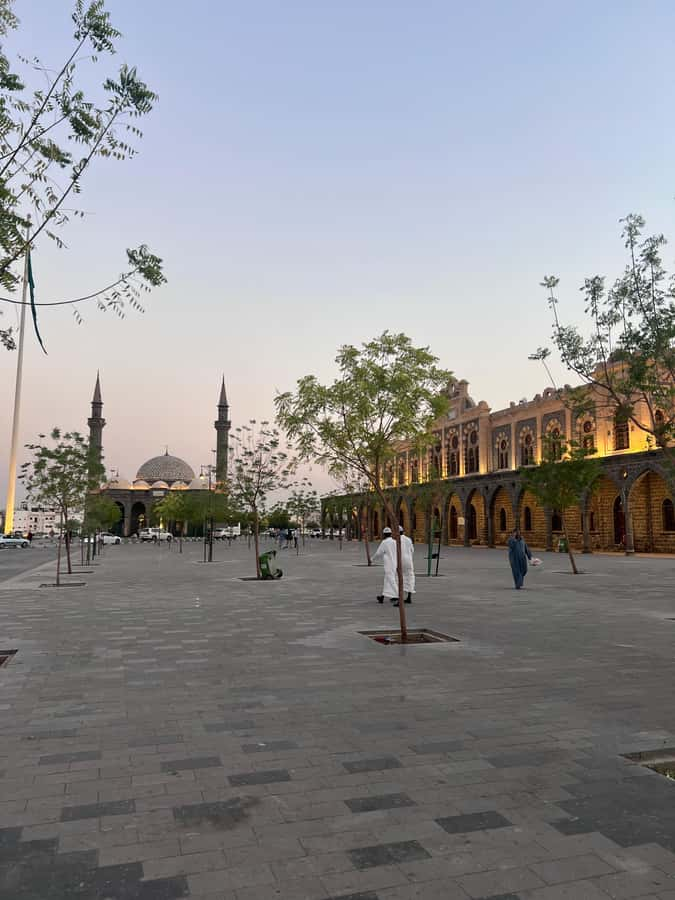
- A licensed Madinah local guide (Ahmed) who shares historical context while keeping the pace comfortable
- Prophet’s Mosque from multiple angles, including a southern-side stop made for seeing the Green Dome
- Old Hejaz Railway sights, with preserved tracks and heritage buildings plus a railway museum visit
- Al-Maghasilah Heritage Project alleys and restored homes, including classic windows and wooden doors
- Tea and Saudi coffee time in traditional surroundings, built into the flow rather than tacked on
Price and what $95 really buys you in Medina
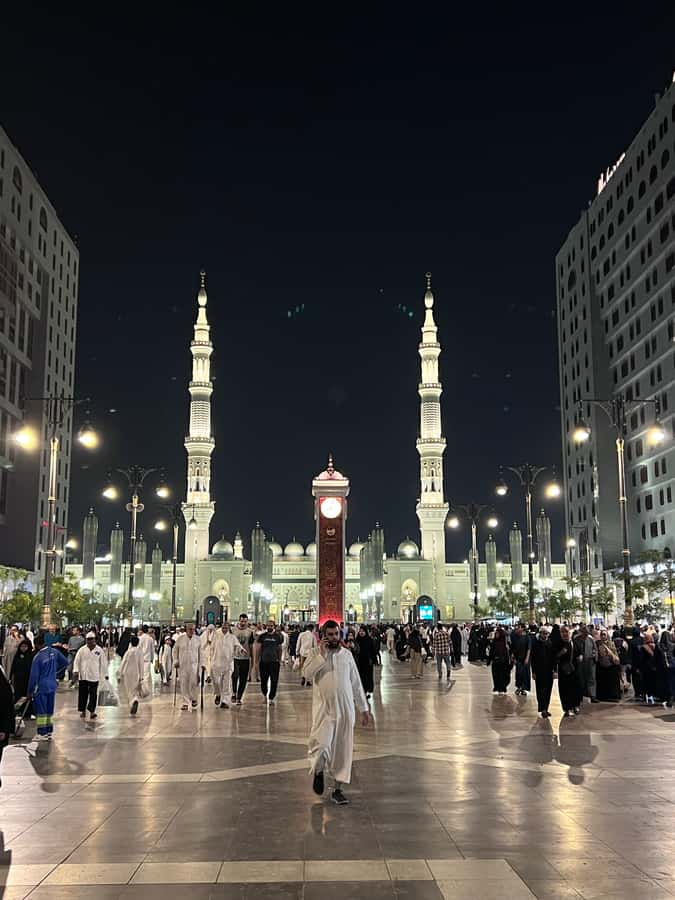
At $95 per person for a 3-hour private walking tour, you’re paying for three things that add up fast: guided access, structured time in the right places, and the convenience of round-trip pickup. This isn’t just a mosque wander with vague directions. You get a licensed guide from Madinah, and you move through specific points around the Prophet’s Mosque, then into the old railway and heritage district.
What helps the value here is the mix of settings. You get classic, big-picture Medina sights (Prophet’s Mosque and the Hejaz Railway area) but also the “in-between” stops that make the day feel real: a neighborhood mosque and the restored old-town alleys at Al-Maghasilah. Then you finish with Saudi coffee or traditional Madinian tea in a café setting inside the heritage area—exactly the kind of pause that makes a short tour feel complete.
One extra note: the tour is English and Arabic, private group, and tailored to your comfort and pace. That matters when the schedule is tight and you don’t want to rush your photos or your questions.
You can also read our reviews of more tours and experiences in Medina.
Getting started: pickup in Medina and the calm orientation at the Prophet’s Mosque Library
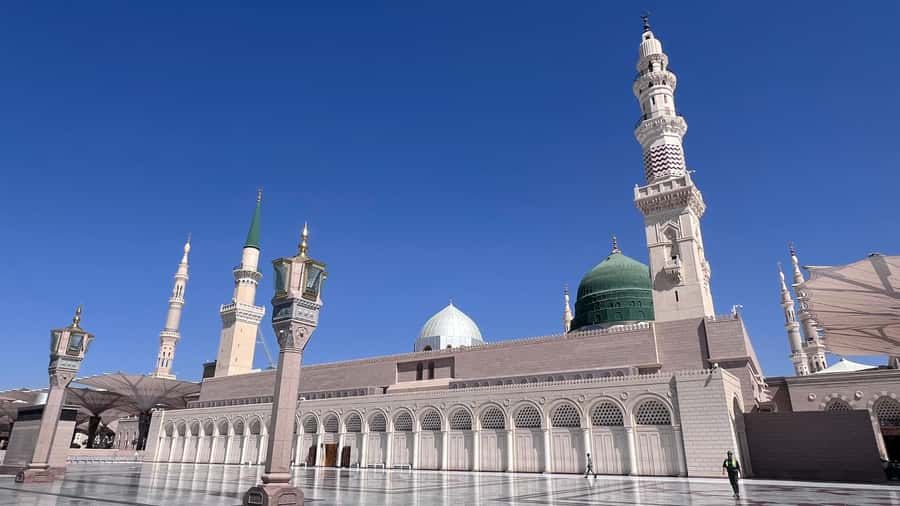
The tour begins with pickup from your accommodation in Medina. From there, you head to the northern side of the Prophet’s Mosque to start your walking route. This first move is practical. Starting on the northern side helps you get a close, manageable approach and a quieter rhythm before the route pulls you around the mosque’s different viewpoints.
Then you’ll stop at Prophet’s Mosque Library (مكتبة المسجد النبوي) for a guided visit, with tea and time built in (about 30 minutes). I like this kind of opening because it gives you context right away. Even if you already know the major landmarks, a short orientation helps you notice details later—like how different sections of the mosque’s surroundings relate to earlier boundaries and expansions, which your guide points out as you walk.
Walking the northern side to prayer courtyards: seeing Prophet’s Mosque with purpose
Once you start walking, the focus is not just on taking photos. It’s on learning how the mosque’s space works and how the architecture and surrounding areas evolved. Your guide takes you around meaningful points, and you get a close view of the mosque from accessible vantage spots.
A standout part is the stop at Saqīfat Banī Sā‘idah, where you learn its historical significance. This is the type of place you’d miss if you only followed the biggest crowd routes. The tour also includes time around the prayer courtyards, which gives you a sense of the open pathways and the scale of worship space rather than treating the mosque like a single monument.
You’ll also get a western side view stop, focused on façade details. Again, this is about training your eye. Instead of trying to see everything everywhere, you’re shown a few deliberate angles, and your guide ties those angles to the story of the mosque’s development.
The Green Dome stop: the southern-side angle that changes your whole view
If you care about seeing the Green Dome in a way that feels “got it” instead of “I saw it from far away,” this is the key segment. The tour includes a main highlight on the southern side, where you view the Green Dome from an excellent angle. Your guide also explains the early structure of the mosque and its historical boundaries as you’re standing in the right place to understand what you’re looking at.
This matters because the Green Dome isn’t just a landmark—it’s a visual anchor. When you see it from the tour’s planned angle, it helps your brain connect the architecture around it. You stop thinking in terms of one building and start seeing a sequence of spaces and eras.
I also like that the route doesn’t treat that stop as a quick snapshot. You’re there long enough to take it in, ask questions, and understand why the guide chose that viewpoint.
Al-Ghamama Mosque photo stop: a quick taste of Medina beyond the main sights
Between the bigger Prophet’s Mosque points and the move toward the railway sites, you’ll also stop at Al-Ghamama Mosque for a photo stop and guided visit. This short stop is valuable because it breaks the day’s rhythm.
It also helps you avoid the common short-tour trap: focusing only on the headline landmarks. A photo stop isn’t a throwaway when your guide uses it to show local context. It’s one of those moments that reminds you you’re in a living city, not a postcard checklist.
Heading to the old Hejaz Railway: preserved tracks, heritage buildings, and a museum visit
After you’ve made your way around Prophet’s Mosque area landmarks, you continue toward the old Hejaz Railway area. This is where the tour becomes more varied. Instead of only religious architecture, you now explore a different kind of Medina landmark: transportation history.
You’ll visit the old Hejaz Railway Station, with preserved tracks and heritage buildings. Your guide explains why this railway mattered to the region, and you’ll see the preserved elements up close. Even if you know the general idea of the Hejaz Railway, seeing the preserved tracks and structures is a different experience from reading about it. It turns abstract history into something you can walk beside.
You’ll also stop at متحف السكة الحديد (the railway museum). The museum visit adds structure to the visit, giving you a guided way to connect what you see in the station area with what the museum shows.
I like that this part of the tour feels like a complete mini-story. It doesn’t just pass by the railway area; it gives you a reason to care about what you’re looking at.
Al-Anbariyah Mosque: a short walk that adds neighborhood texture
Then you’ll head to Al-Anbariyah Mosque for a guided walk-through and background on the landmark. This stop is short, but it adds real texture to the day because it’s not another big “destination-only” scene. You get a glimpse of the surrounding neighborhood and the way landmarks fit into daily life.
If you like tours that show how history sits inside the city—not just on top of it—this is a good inclusion.
Al-Maghasilah Heritage Project: traditional alleys, restored homes, and photo-friendly details
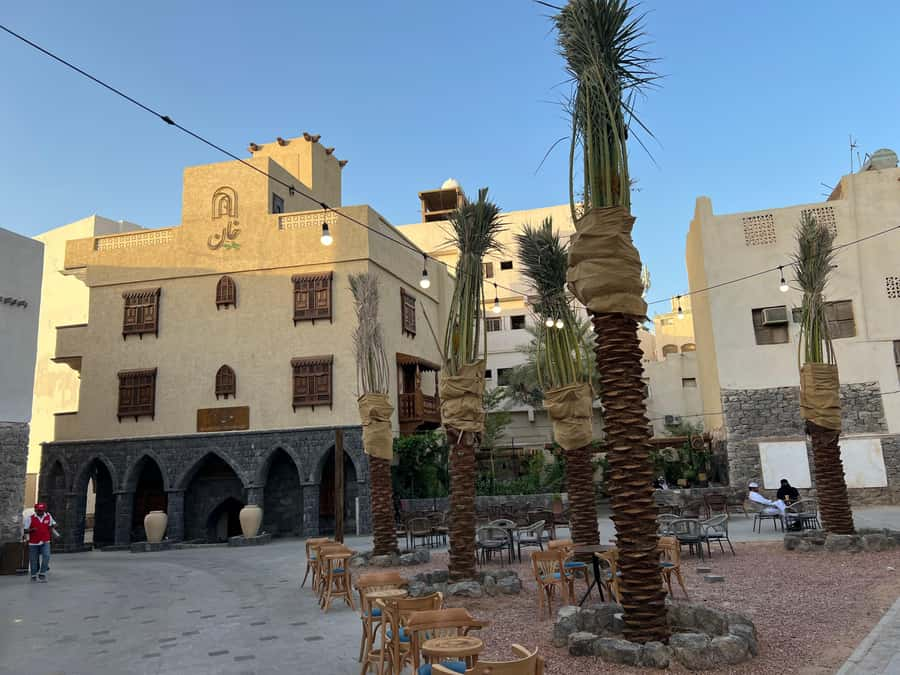
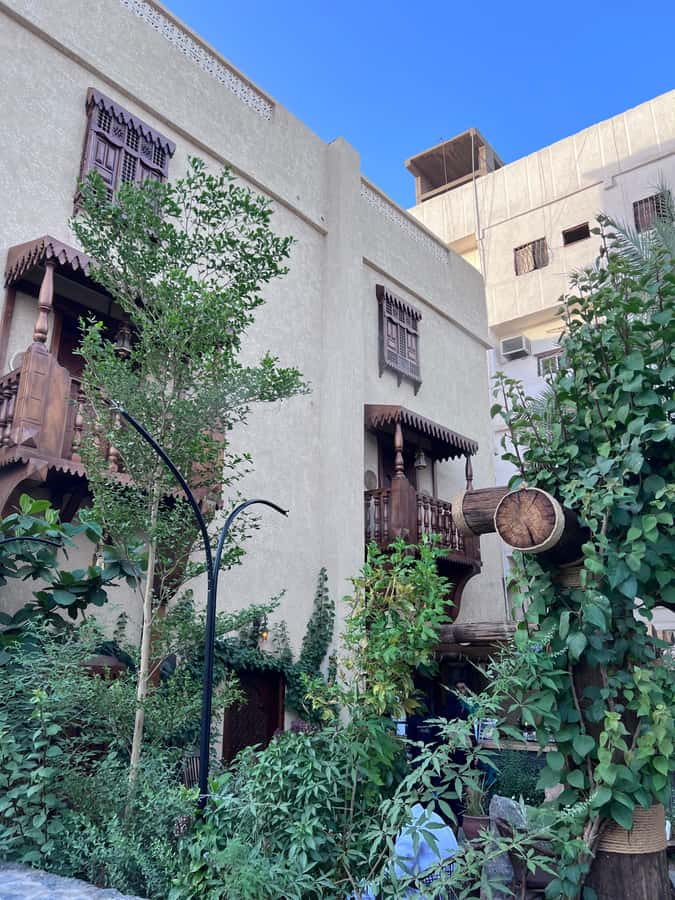
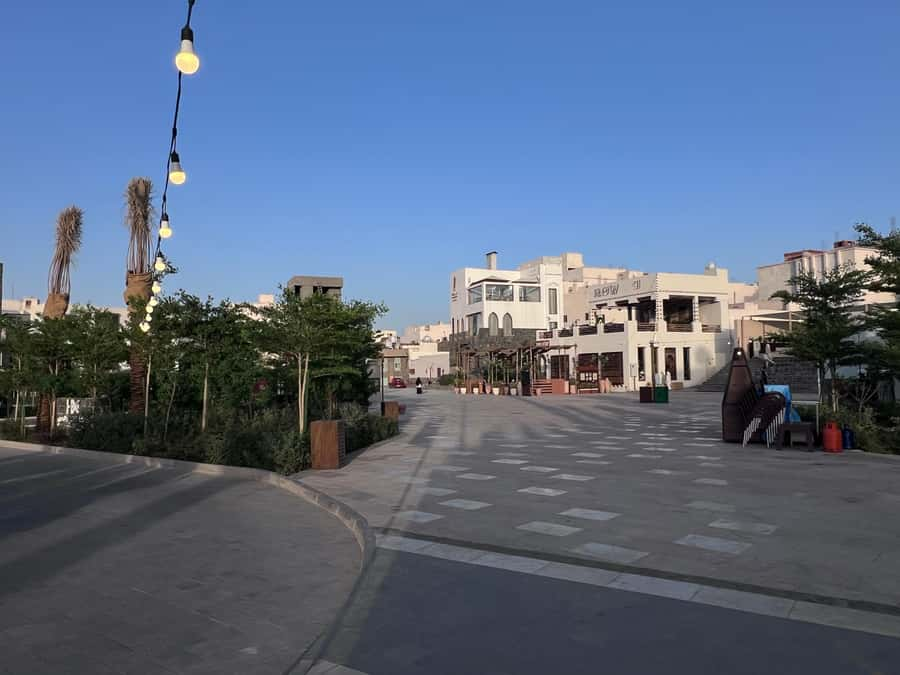
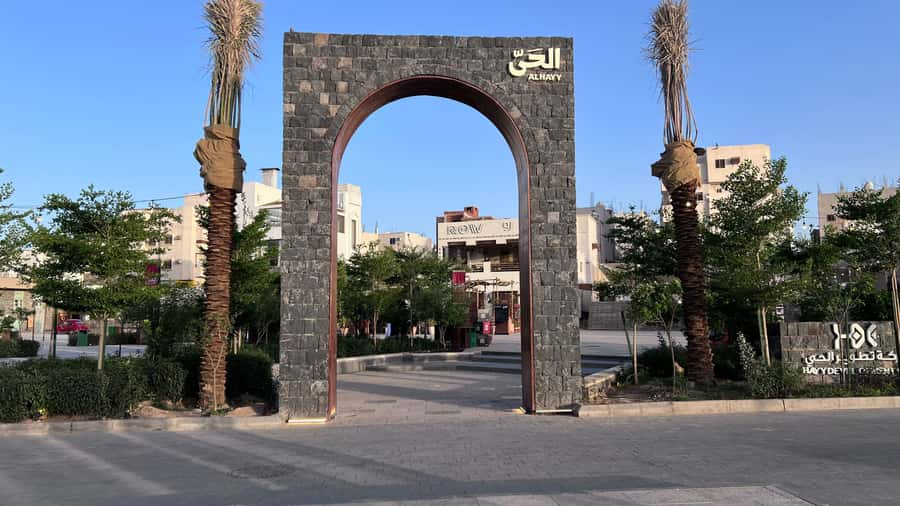
The most rewarding part for many people is the walk through the Al-Maghasilah Heritage Project. This area is built for slow looking. You’ll go through traditional Madinah-style alleys and see restored heritage homes with wooden doors and classic windows.
Your guide also points out photo spots. I recommend treating this part as your “camera and questions” window. The architecture details you see—wooden doors, window shapes, and the alley layout—are the kind of things you can’t really recreate from memory. Having your guide nearby helps you understand what you’re seeing.
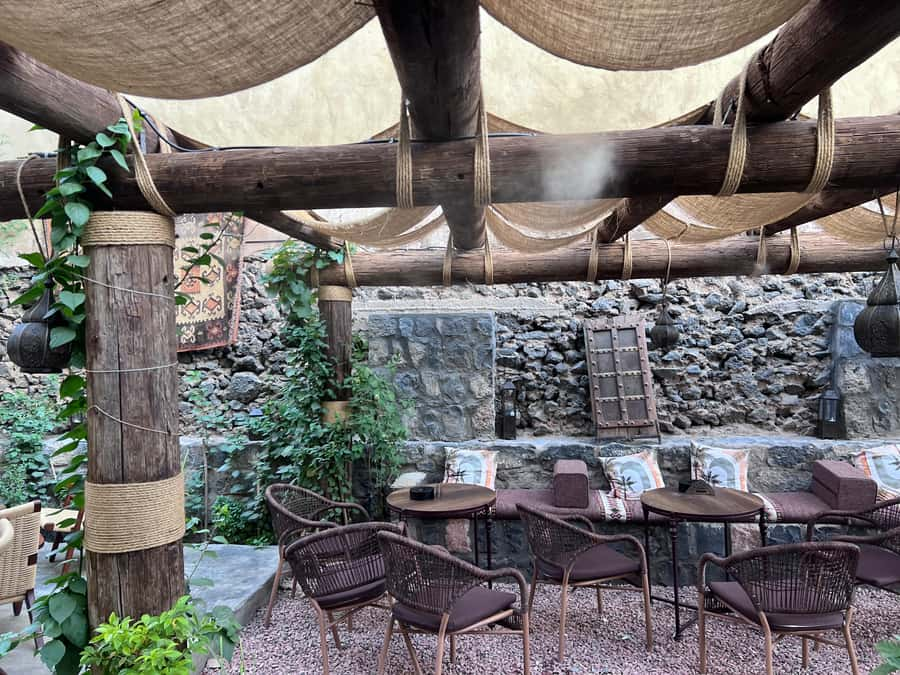
This stop also includes tea and tastings. Depending on the exact flow of the visit, you may have tea, food tasting, and coffee tasting as part of the experience in the heritage area. Then the day closes with the more formal café time for Saudi coffee or traditional Madinian tea in a warm setting.
Tea, Saudi coffee, and the best way to end a walking tour
The tour finishes at a charming café within the heritage district, where you can enjoy Saudi coffee or traditional Madinian tea. For me, this kind of ending is a smart design choice. After walking around courtyards and façades, sitting down gives your mind a moment to connect everything you saw—the Green Dome angle, the mosque spaces, and then the shift to railway heritage and restored old neighborhoods.
It also gives you a chance to enjoy the social side of the experience. You’re not just collecting stamps; you’re sharing a local pause with a guide who can explain what you’re tasting and how it fits into the setting you’re in.
One more practical detail: the tour includes free time for photography and exploration. That matters most here, because heritage alleys and doorways look best when you’re not rushing.
Practical notes that affect comfort: dress, pacing, and who should go
This is a modest-dress tour. Short skirts aren’t allowed. For women, modest dress is required, including abaya and hijab. Since the route is walking-focused, plan on taking time in places where you’ll be standing and looking. Comfortable footwear is a good idea because you’ll be moving through several stops over the full 3 hours.
On the mobility side, the tour is described as wheelchair accessible, but electric wheelchairs are not allowed. If you use a wheelchair, you’ll want to be prepared for how the walking portions work and confirm how your guide will handle spacing and turns for your comfort.
Age matters too. It’s listed as not suitable for children under 12 and people over 70. That doesn’t mean the tour is unfriendly to families in general—it means it’s paced for certain comfort levels and walking ability.
The good news: because it’s a private group, your guide can tailor the route and pace for you. The guides mentioned in feedback (including Ahmed) are praised for enthusiasm and the ability to connect the sights with historical context, which makes the day feel less like a checklist.
So should you book? A clear way to decide
Book this tour if you want a short Medina day that hits the two big emotional themes: spiritual landmark focus and a change of pace into historic city texture. You’ll get excellent Prophet’s Mosque viewpoints (including the Green Dome from the southern side), then you’ll walk into the old Hejaz Railway world and finish in a heritage project where old Madinah details are restored and easy to photograph.
Skip it—or at least think hard first—if you’re sensitive to rules around clothing, or if you fall into the listed age limits. Also keep expectations realistic: it’s a walking tour, and even with pickup and private pacing, you should be comfortable moving between multiple stops in about 3 hours.
If you’re the kind of traveler who likes a local guide who can explain what you’re seeing while you’re standing in the right place, this one is a strong fit.
FAQ
How long is the Prophet’s Mosque Walking Tour with Historic Hejaz Railway?
The tour lasts 3 hours. Starting times depend on availability.
How much does the tour cost?
It’s priced at $95 per person.
What’s included in the price?
You get a guided walking tour with a local guide, round-trip pickup and drop-off from your accommodation, a Madinian tea experience from a local café, and time for photography and exploration.
Where will the guide pick you up?
Pickup is from your location in Medina, right at your accommodation (look for the guide in the hotel lobby or at the train station entrance).
What sights are part of the route?
The experience includes a guided time at the Prophet’s Mosque Library, photo and guided stop at Al-Ghamama Mosque, a visit to the railway museum (متحف السكة الحديد) and old Hejaz Railway station area, Al-Anbariyah Mosque, and the Al-Maghasilah Heritage Project.
What languages is the tour guide?
The live guide provides the tour in English and Arabic.
What’s the dress code and what isn’t allowed?
Modest dress is required (abaya and hijab for women). Short skirts are not allowed, smoking is not allowed in the vehicle, and electric wheelchairs are not allowed.
What is the cancellation policy?
You can cancel up to 24 hours in advance for a full refund.
Does the tour support reservations with flexible payment?
Yes—reserve now & pay later is available, so you can book your spot without paying immediately.