REVIEW · MEDINA
Madinah Culture & History Tour – Led by Local Guide
Book on GetYourGuide →Operated by Medina tours with Locals · Bookable on GetYourGuide
Medina’s stories hit hardest on foot and in prayer. This private, guided tour links the spiritual sites you expect with battle landmarks and a couple of local, off-the-main-road stops like Al-Aqiq Valley and a Madinah farm. I especially like the way the guide keeps things clear about mosque rules for men and women, and I like the practical comfort—pickup, return, and an air-conditioned car that makes a 4-hour circuit feel manageable. One consideration: you’ll need to dress respectfully (hijab and abaya for women), and time inside mosques depends on the flow of worshippers.
What makes this work well is the local touch. People in Medina know how to move through the day—where to pause, when to ask questions, and how to turn landmarks into meaning instead of a checklist. In real life, the guide I’m seeing recommended (often Ahmad, sometimes other guides like Nasser or Nasir) tends to pace the visits so you’re not rushed, and you’ll usually get small welcome extras like dates, juice, and bottled water.
In This Review
- Key things that make this tour worth your time
- A Local Madinah Guide Turns Landmarks into Meaning
- Quba Mosque: Your Peaceful Start in Islam’s First Mosque
- Masjid Ad-Dira’ (Shield Mosque) and the Uhud Battle Route
- Wadi al-‘Aqiq: A Blessed Valley for Photos and Quiet Thoughts
- Masjid Al-Qiblatain: The Prayer-Direction Turning Point
- Al-Mirbad / Madinah Farm Stop: Tea, Sweets, and a Taste of Daily Life
- Ending at the Historic Well: Ghars Well or Bir Al-Faqeer
- Price and Value: $136 for a Private Group Up to 3
- Practical Tips: How to Dress, Walk, and Keep the Day Comfortable
- Who This Tour Fits Best in Medina
- Should You Book This Madinah Culture & History Tour?
- FAQ
- How long is the tour?
- Is this a private tour?
- Where do I get picked up, and do I return to the same place?
- What languages are spoken during the tour?
- What key sites are included?
- Do I need to dress a certain way for the mosques?
- Is transportation included?
- Are drinks and snacks included?
- Is the morning tour the same as the standard stops?
- What’s the cancellation and payment flexibility?
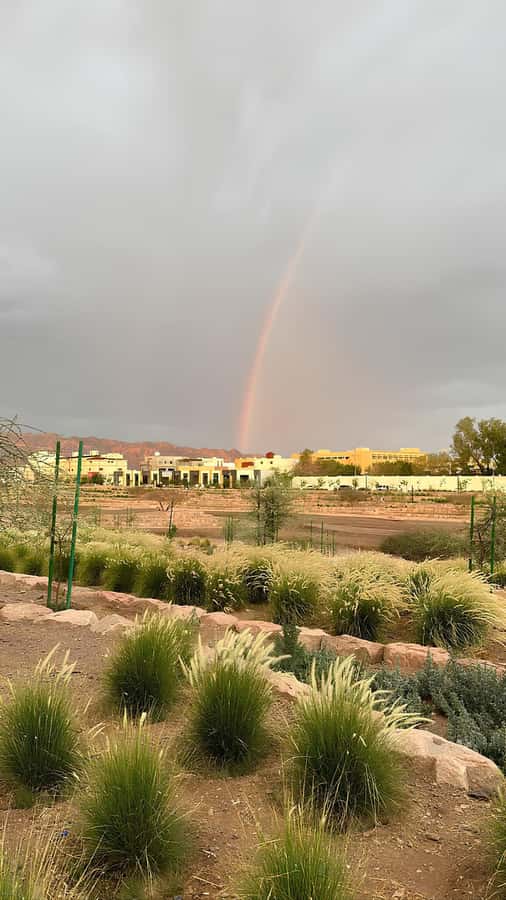
Key things that make this tour worth your time
- A licensed local guide from Madinah who explains each stop in context, not just facts.
- Quba Mosque first (and usually more time to absorb it), then the Uhud story arc.
- Uhud from street level to the Mount of Archers with walking and real battle-site orientation.
- Wadi al-‘Aqiq and Masjid al-Qiblatain add spiritual depth between major landmarks.
- A traditional Madinah farm stop with tea, local sweets, and time for small shopping.
- A historic well ending (often Bir Gharas / or a swapped well stop in the updated morning version).
A Local Madinah Guide Turns Landmarks into Meaning
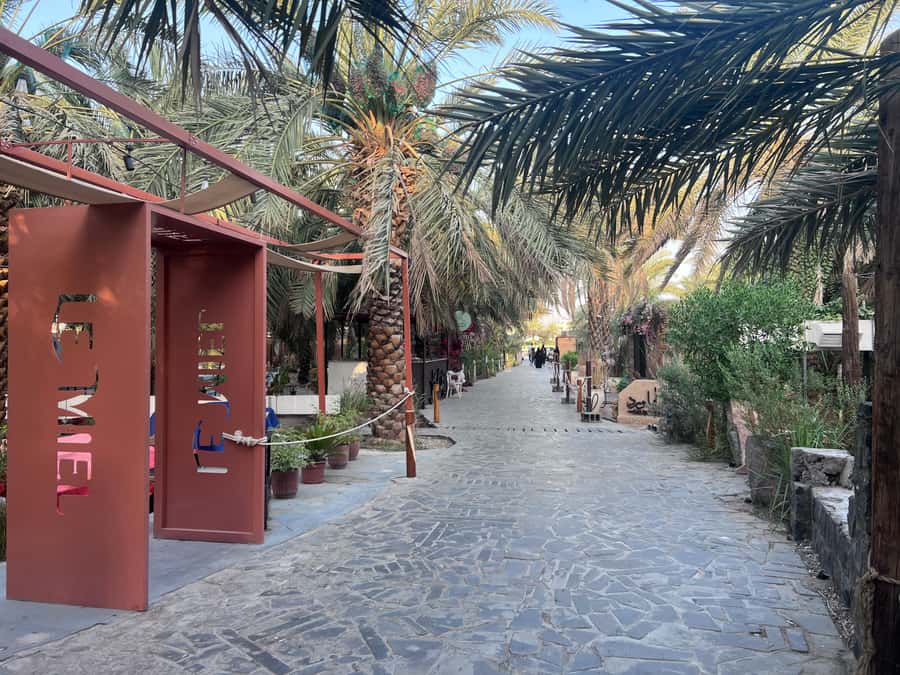
This is the kind of tour where your guide makes the difference. The best versions here come from a true Madinah local—people like Ahmad (and, in other bookings, Nasser or Nasir) who speak English and Arabic and can answer follow-up questions without making you feel like you’re asking too much.
I also like the attention to respect and logistics. You’ll get clear instructions about where gender separation is required inside mosques, and that matters because it prevents awkward last-minute confusion. You’ll likely also be told what to do before you reach each prayer space, so you can focus on the place instead of figuring it out.
Quba Mosque: Your Peaceful Start in Islam’s First Mosque
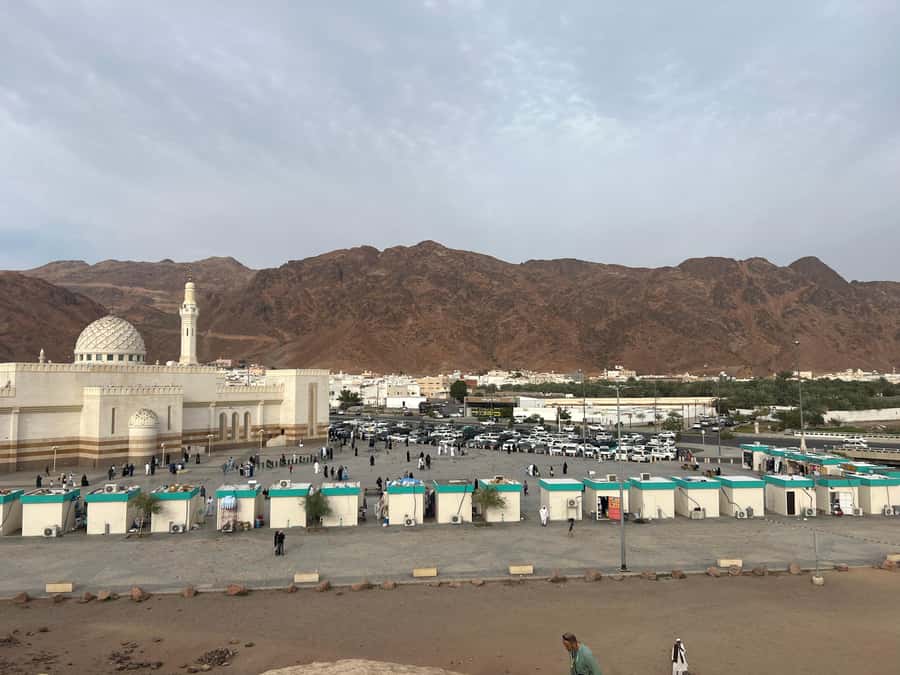
Your day commonly begins at Quba Mosque. It’s remembered as the first mosque built in Islam, and the guide frames it as a place the Prophet ﷺ valued—so it’s not just another stop with a photo spot. Expect a calmer start, with time to look around, pray if you want, and understand why Quba matters spiritually.
This stop is also a good warm-up for how the tour will feel. The guide sets the rhythm: short walk, story, then a respectful window to explore. If you want a Medina tour that’s more than “drive-by sightseeing,” this opening helps.
Masjid Ad-Dira’ (Shield Mosque) and the Uhud Battle Route
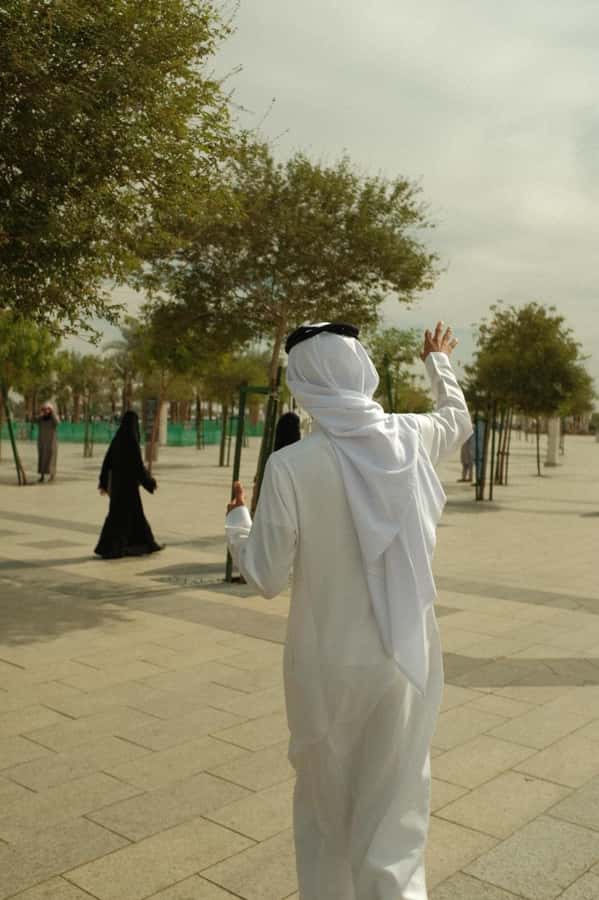
After Quba, the route often takes you to Masjid al-Dira’ (the Shield Mosque). It’s connected with key moments leading into the Battle of Uhud, and it’s meaningful because the guide links the mosque to Prophet ﷺ worship and the run-up to the battlefield events. Even if you’ve heard of Uhud before, this stop helps you understand the geography and timeline.
Then comes Uhud and the Mount of Archers (Jabal al-Rumah). This is the part you’ll feel in your legs. You’ll walk up, get orientation on where key positions were during the battle, and hear stories about faith, discipline, and what went wrong—and what lessons were taken from it.
In the best-guided versions, you may also get a chance to see the graves of prominent sahaba in the Uhud area, which can make the experience emotionally heavy in a good way. If you’re sensitive to the weight of war history, pace yourself and let the guide’s explanations land.
Wadi al-‘Aqiq: A Blessed Valley for Photos and Quiet Thoughts
Next up is Wadi al-‘Aqiq. This one isn’t about big monuments—it’s about place. The guide explains why it’s considered a blessed valley in Islamic traditions, then gives you time for a photo stop and a short walk/visit window.
I like this break because it slows the day down. After battle-site intensity, a valley pause gives you space to absorb without constant walking, and it’s a nice reminder that Medina isn’t only built around landmarks—it’s also built around landscapes tied to spiritual memory.
Masjid Al-Qiblatain: The Prayer-Direction Turning Point
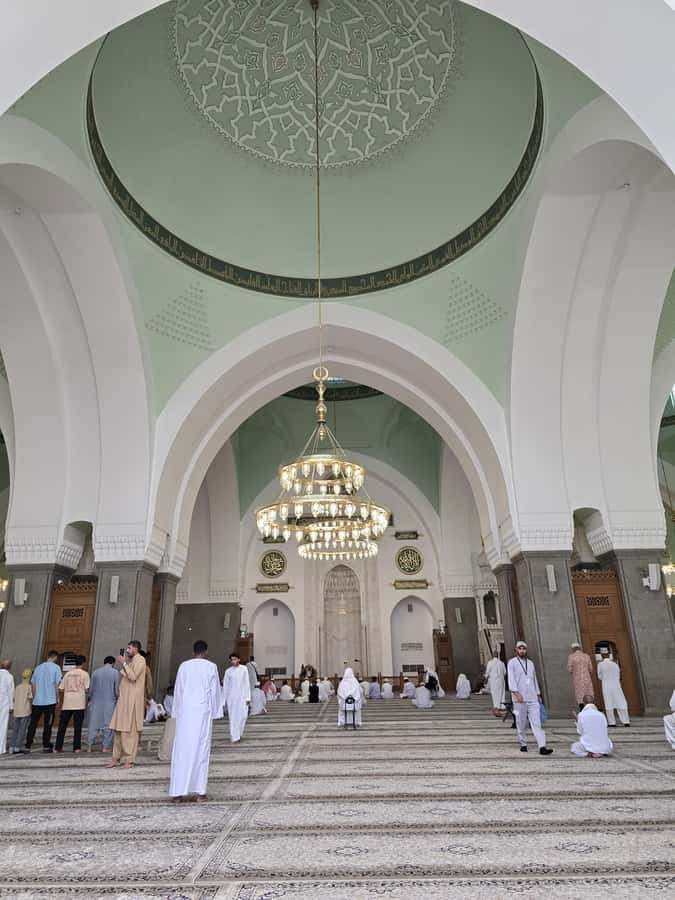
Then you’ll reach Masjid Al-Qiblatain (Mosque of the Two Qiblas). This mosque marks a famous shift in Islamic history—the direction of prayer was changed from Jerusalem to Mecca during congregational prayer. The guide’s job here is to make that moment understandable, so you’re not just standing in a historic building wondering what to look for.
You’ll typically get guided time inside, plus some free time to walk around. Because it’s an active religious space, your pace will depend on prayer schedules and how worshippers are moving through, but the guide should help you time your visit so you can see what you need without feeling rushed.
Al-Mirbad / Madinah Farm Stop: Tea, Sweets, and a Taste of Daily Life
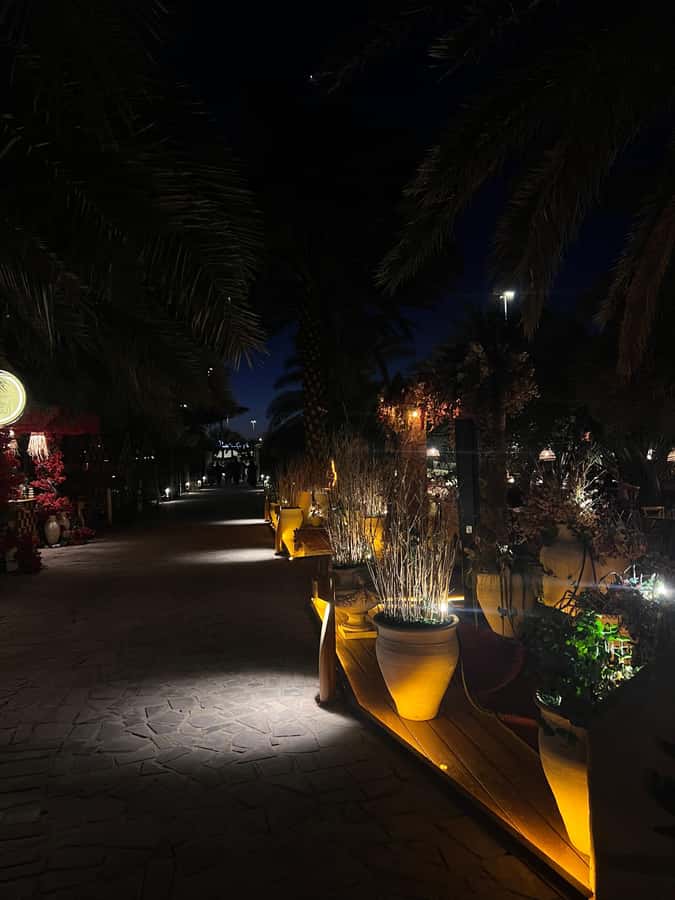
One of the most appreciated parts of this tour is the farm break. You’ll visit a traditional Madinah farm, relax, and enjoy tea with local sweets. Many versions also include dates tasting, plus extras like local snacks and time for light shopping.
What makes this stop valuable is that it feels different from the religious sites. It’s where you see everyday Medina hospitality—freshly served tea, sweet bites, and a chance to buy small souvenirs or snacks you can’t easily find at a hotel shop.
Important detail for timing: the morning tour is noted as updated. Instead of the older farm and well pair, the updated route may include Reef Al Bustan Farm (and a different well stop—Bir Al-Faqeer) rather than Al-Murabbad Farm and Bir Gharas. So if you care deeply about the exact farm/well names, ask the guide which version you’ll be following that day.
Ending at the Historic Well: Ghars Well or Bir Al-Faqeer
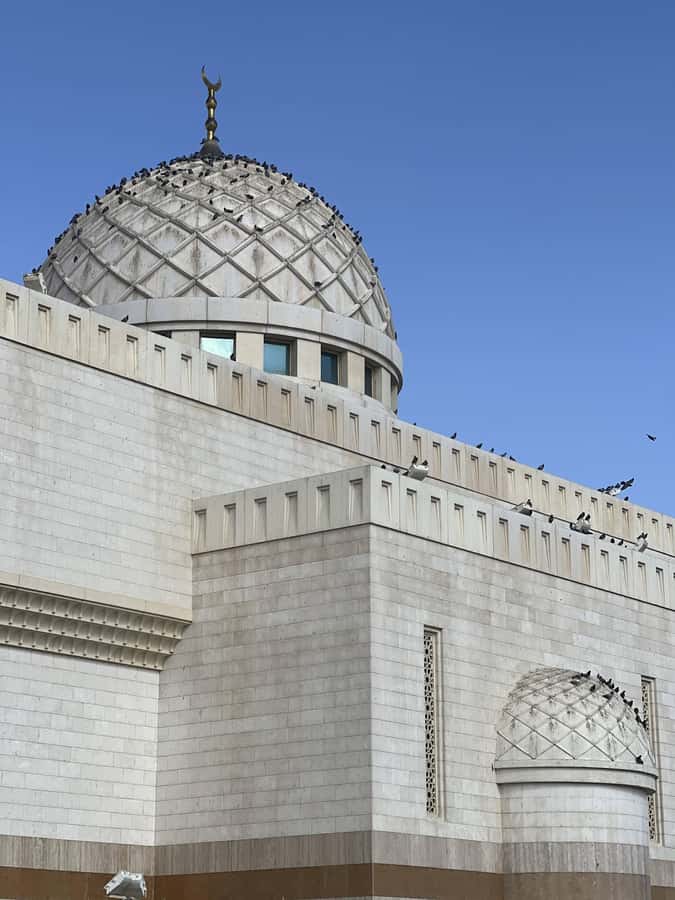
Your tour often concludes at a historic well tied to the Prophet ﷺ. The standard description here includes Ghars Well, framed as a place the Prophet ﷺ used to drink from. You’ll usually get a photo stop, a guided visit, and a short walking segment.
Even if the well name changes on the updated morning version, the idea stays the same: this is a final spiritual anchor. By the time you reach the well, you’ve heard stories across mosques, valleys, and battle ground—so ending with a simple, human detail like water helps the day close with calm rather than just “more sights.”
Price and Value: $136 for a Private Group Up to 3
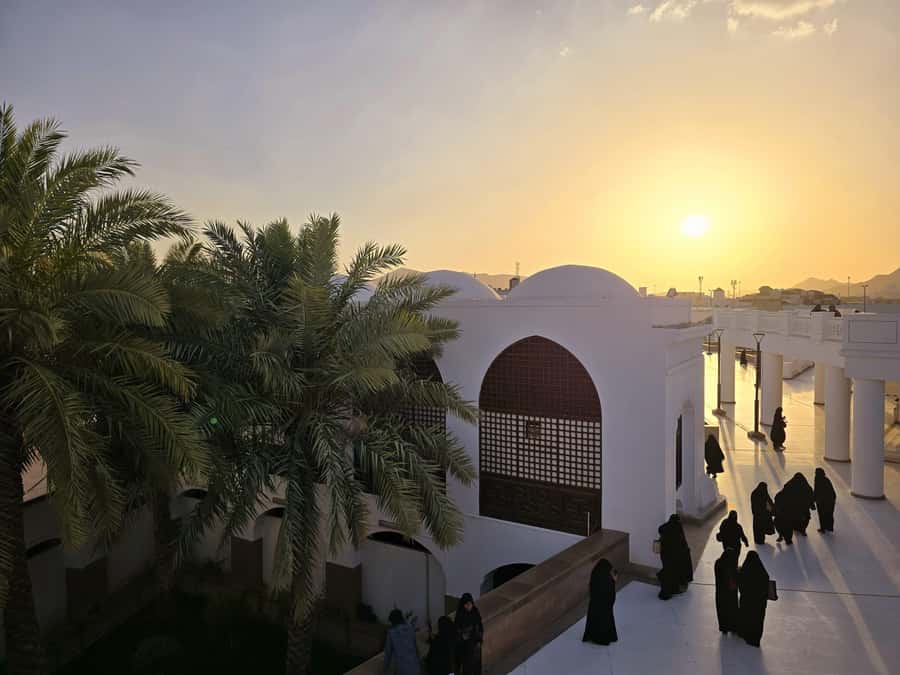
At $136 per group (up to 3 people), the value depends on what you compare it to. If you’re thinking of Medina tours that feel generic, this price buys something better: a private local guide plus transportation, plus practical refreshment extras (bottled water, and often dates and juice).
For two or three people, this can be cost-effective versus paying for separate private guides or relying only on taxis between sites while you try to self-navigate. You also get a smooth rhythm: fewer hassles getting in and out of traffic, fewer time losses hunting for entrances, and more time focused on the places that matter.
One more thing: people describe the guides as punctual and well organized. That matters because Medina’s most important stops aren’t a quick stop-and-go; they require respect, timing, and patience. A good guide helps you avoid wasting your prime morning hours.
Practical Tips: How to Dress, Walk, and Keep the Day Comfortable
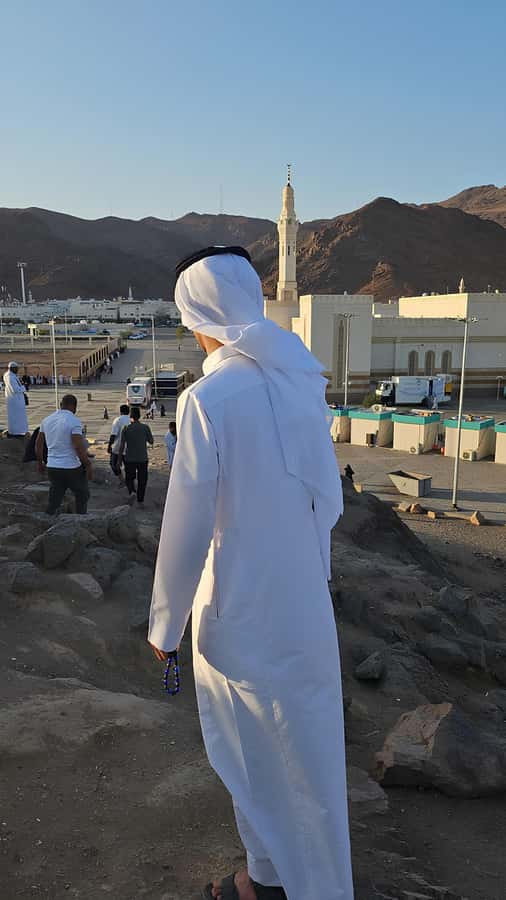
Dress code matters here. You’ll want hijab and an abaya to be respectful in the mosque areas, and you should also dress modestly for the rest of the day. If you forget, don’t assume it’s hopeless—one booking notes that the guide helped a woman find an abaya near the start so she could visit the mosques without stress.
Wear shoes that handle walking on uneven surfaces. You’ll do some walking at Uhud, plus short strolls at several stops. Bring a small layer too, because weather swings can make the car-to-outdoor transitions noticeable.
Finally, timing can be a little variable. One review flagged that the start time might be early (with a suggestion to shift later, like 9am). My advice: if your trip is tight, confirm the pickup time in advance and ask for flexibility if you’re traveling with someone who needs a slower start.
Who This Tour Fits Best in Medina
This tour fits best if you want Medina to make sense fast. It’s ideal for a first-time visit, because it covers the core spiritual landmarks (Quba, Al-Qiblatain) and adds the “why” behind them. It also works well if you have limited time and want a route that connects worship sites with historical context.
It’s also a strong choice for families and mixed ages. The guide style described in bookings emphasizes patience, clear explanations, and time to explore without being dragged. If you’re traveling with parents or kids, that pacing can be a big quality-of-life upgrade.
If you want a tour that skips history and stays strictly in modern sightseeing, this might feel a bit heavy. But if you want the Medina story in human terms—prayer, place, discipline, and daily hospitality—this route hits those notes.
Should You Book This Madinah Culture & History Tour?
If you want a private, local-guided Medina day that doesn’t just name places but explains them, I’d book it. The combination of mosques, Uhud walking, a blessed valley stop, a farm tea break, and an ending at a historic well gives your day shape.
I’d especially choose it if:
- you’re short on time and want smart routing,
- you care about understanding the stories behind Quba and Uhud,
- you appreciate a guide who can handle mosque etiquette and questions calmly,
- you like the idea of a farm stop that feels like daily Medina, not just tourist stops.
One final check before you go: decide how much you want to prioritize walking. Uhud includes a real climb, but the guide should pace you. If you’re comfortable with that, you’ll come away with a Medina day that feels connected—spiritually and geographically.
FAQ
How long is the tour?
It’s listed as 4 hours in duration.
Is this a private tour?
Yes, it’s a private group experience.
Where do I get picked up, and do I return to the same place?
Pickup is included wherever you are in Madinah, and you return to your starting location.
What languages are spoken during the tour?
The guide offers live interpretation in English and Arabic.
What key sites are included?
The tour includes Quba Mosque, Masjid Ad-Dira’ (Shield Mosque), Uhud and the Mount of Archers, Wadi al-‘Aqiq, Masjid Al-Qiblatain, a local farm stop, and a historic well stop.
Do I need to dress a certain way for the mosques?
Yes. The tour advises women to bring a hijab and abaya to be respectful of the Islamic setting.
Is transportation included?
Yes. Transportation is included, and the vehicle is air-conditioned.
Are drinks and snacks included?
Bottled water is included, and the experience also includes local dates tasting and other refreshments like tea (and in some cases juice is provided).
Is the morning tour the same as the standard stops?
The morning tour is noted as updated, with swaps to include Bir Al-Faqeer and Reef Al Bustan Farm instead of Bir Gharas and Al-Murabbad Farm.
What’s the cancellation and payment flexibility?
Free cancellation is available up to 24 hours in advance for a full refund, and there’s a reserve now & pay later option to keep plans flexible.