REVIEW · PULA
Pula Roman Heritage Walking Tour
Book on Viator →Operated by Divine Croatia · Bookable on Viator
Roman Pula hits you fast, in just two hours. This walk packs Pula Arena and other big Roman leftovers into a tight route, with a guide who explains what you’re looking at instead of leaving you to guess. I also like the little coffee or tea pause that keeps the tempo relaxed. One consideration: each stop is short, so if you want a long, slow linger at every site, this won’t feel enough.
If you’re trying to fit ancient sights into a busy day, this is a clean option. It runs about 2 hours, stays in English, and caps at 15 travelers, which usually means less shuffling and more real conversation. The main trade-off is that hotel pickup is not included, so you’ll want to plan how you’ll reach the meeting point at the Pula Arena.
In This Review
- Key points before you go
- The “2-hour Roman loop” that actually fits your day
- Starting at the Pula Arena (and why that stop matters)
- Tempio di Augusto: short visit, strong context
- Small Roman Theatre in Zaro: the quiet dramatic counterpoint
- Coffee or tea: a small inclusion that changes the feel
- English guide, mobile ticket, and a meeting point that’s easy to find
- What the guides do well (and why it shows up in the rating)
- Who this tour is perfect for
- Price and value: what $107.06 buys you
- Timing: morning vs afternoon and how to pair it
- Should you book the Pula Roman Heritage Walking Tour?
- FAQ
- How long is the Pula Roman Heritage Walking Tour?
- What is included in the price?
- Is the tour offered in English?
- Where does the tour start and end?
- Do I need to buy tickets for all the stops?
- Is hotel pickup provided?
- What group size should I expect?
- What is the dress code?
- Are service animals allowed?
- Is there free cancellation?
Key points before you go
- A focused Roman route that hits the Arena plus Augustus and nearby hillside theatre remains
- Small-group feel (max 15) for questions and pacing that doesn’t feel rushed
- Admission included for the Arena while the other listed stops are free
- Coffee or tea break included, so you’re not sightseeing on empty
- Guides can tailor the tour based on what you care about, not a one-size script
The “2-hour Roman loop” that actually fits your day
Pula has a way of making ancient Rome feel close. You’re not staring at one impressive ruin and calling it a day. This walking tour is built for speed-with-meaning: you get the biggest visual anchor (the Arena) and then connect the dots to other Roman structures in the same general area.
The timing is the real win. At about two hours, you can slot this into either a morning or an afternoon plan. That matters in Pula, where you may also want time for the waterfront, a meal, or a longer self-guided stroll afterward. If you only have one block of time dedicated to Rome, this is the kind of structured option that prevents decision fatigue.
And the group size helps. With a maximum of 15 travelers, you’re less likely to get lost in a crowd. You can actually hear what your guide is saying and react when something sparks your interest. Several guides highlighted in past groups, including Dina and Jadranka, were praised for being organized and attentive to individual interests.
You can also read our reviews of more tours and experiences in Pula.
Starting at the Pula Arena (and why that stop matters)
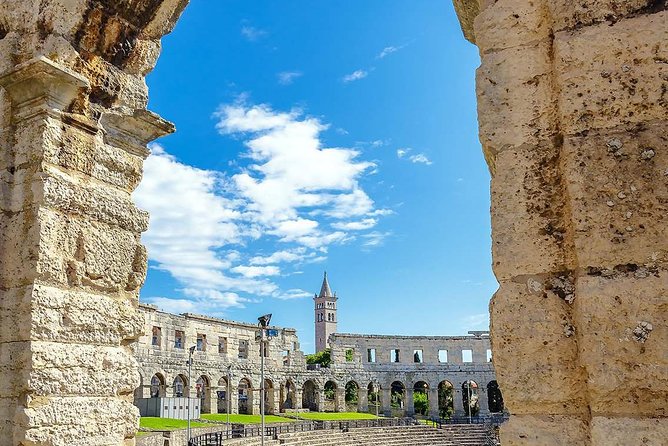
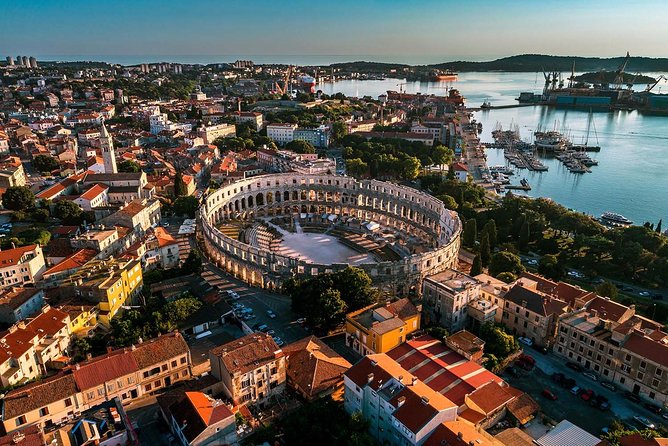
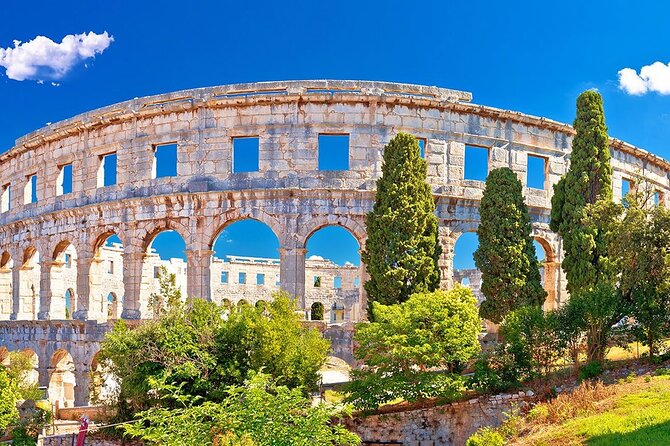
The tour starts at the Pula Arena, also called the Amphitheatre de Pula. This is the headline: a Roman amphitheater where gladiators fought. You’re granted about 15 minutes here, and the admission ticket is included.
Even in a short visit, the Arena works because it’s readable. You can see how an amphitheater shaped crowds—how entrances, seating layout, and the arena floor all contributed to the spectacle. One common theme from guide-led experiences is the explanation of Roman gateways and temples in the broader city story, and the Arena often becomes the starting point for those connections.
A nice plus: you may find that the guide points out Roman-era features beyond what your eyes catch at first glance. In earlier groups, people specifically mentioned learning about exhibits below ground. That kind of detail changes how the site feels. Instead of being only exterior walls, it becomes a whole machine for entertainment and public life.
Tip: Go in ready to look up and also down. If your guide mentions below-ground or structural elements, lean into it—those are the moments that turn a quick stop into a memorable one.
Tempio di Augusto: short visit, strong context
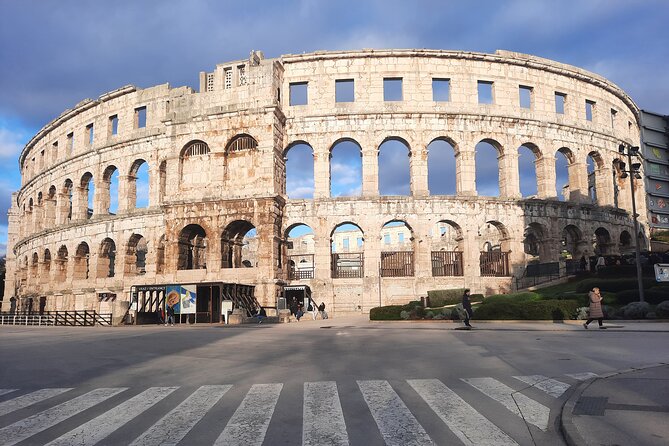
The next stop is the Tempio Di Augusto, the Temple of Augustus. It’s dedicated to the goddess Roma and Augustus, which is a key clue to how Rome used religion and leadership to reinforce authority. You’ll have around 10 minutes here, and admission is free.
This is the part of the tour where you start seeing how Pula fit into the Roman system. The Arena is about public spectacle. A temple like this is about public belief—showing how emperors and Rome’s identity were promoted across the empire.
Because the time here is brief, the value is in your guide’s framing. You don’t want to spend those 10 minutes trying to interpret carvings or inscriptions on your own. Instead, you want the explanation that tells you what the temple represented and why people would have cared about it.
Watch for this: If you’re the type who enjoys architecture and symbolism, ask your guide a question here. This is where your understanding can shift fast. Even a short stop can land if you’re listening for the “what does this mean” answer.
Small Roman Theatre in Zaro: the quiet dramatic counterpoint
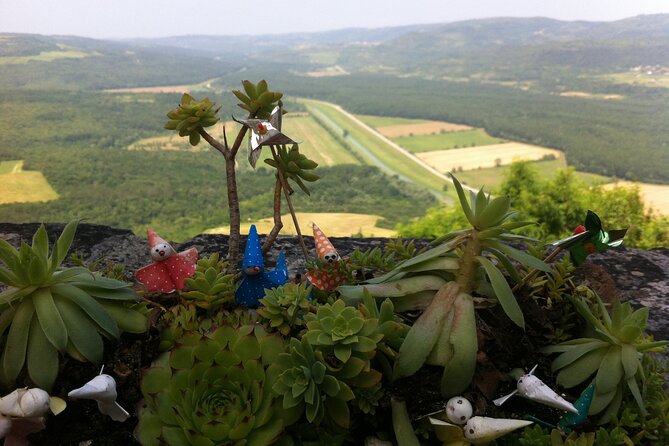
The third listed stop is the Small Roman Theatre on the hillside of Zaro, on the site of an amphitheater that once stood outside the city walls. You’ll get about 10 minutes, and admission is free.
This stop works as a contrast. The Arena is massive and city-centered. A theatre outside the walls hints at how Roman life spread and how entertainment and gatherings weren’t limited to one single, grand venue. It also gives you a sense of how Pula expanded—how the city related to its surroundings.
You may also like this stop because it helps you build a mental map. You stop thinking of Roman history as isolated monuments. Instead, you see it as a network of places tied together by routes, neighborhoods, and the city’s growth.
Practical note: Since it’s a short visit, wear comfortable shoes and keep your eyes on your guide. If you drift off to take photos without listening, you can miss the explanation that makes the site click.
Coffee or tea: a small inclusion that changes the feel
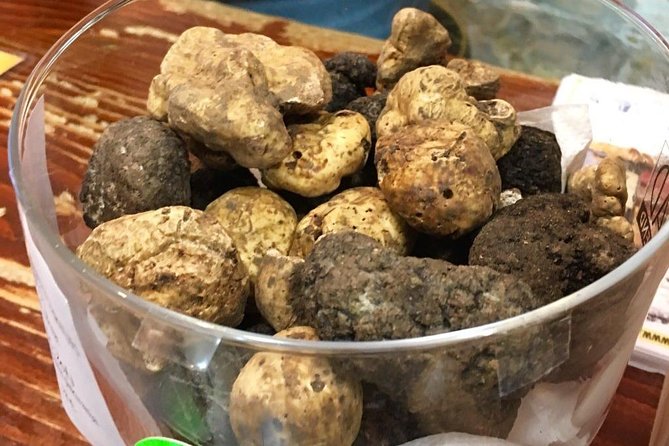
This tour includes coffee or tea, which might sound like a minor perk—but it’s not. When you’re moving quickly through sites, a short pause keeps the experience from feeling like a rush through ruins. It also gives you a moment to ask questions you might hesitate to interrupt with while walking.
In a small group, that pause becomes social. You can learn what others care about, and your guide can often steer the next portion accordingly. That flexibility is part of why people recommend these tours so strongly, especially when guides tailor the route to interests instead of racing a script.
If you’re prone to getting restless on tours, this coffee/tea stop is the kind of detail that makes the whole two hours feel easier.
English guide, mobile ticket, and a meeting point that’s easy to find
This experience is offered in English and uses a mobile ticket. You start at the Pula Arena address on Flavijevska ul., 52100 Pula, Croatia, and the tour ends back at the same meeting point. Hotel pickup and drop-off aren’t included, so you’ll need to plan your own way there.
The upside: not having pickup usually makes group logistics simpler. You’re not waiting around for vans. And since the meeting point is a major landmark, it’s easier to orient yourself.
Also, the tour runs near public transportation. That matters if you’re mixing this with other plans—like a beach stop or dinner on your own schedule.
Smart-casual dress code is requested. In practice, it means you can dress normally for sightseeing and still look put-together for a meal afterward.
What the guides do well (and why it shows up in the rating)
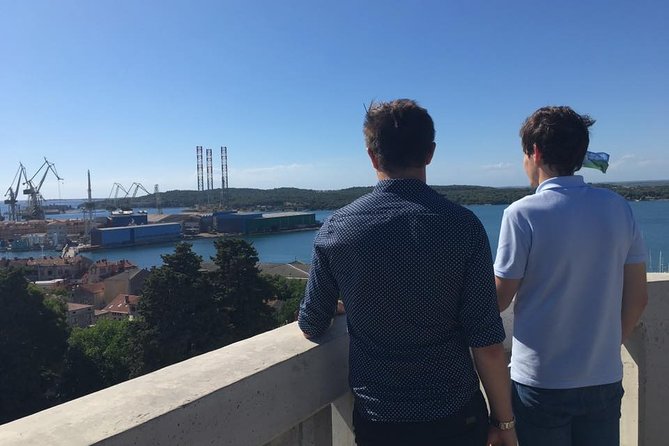
The standout pattern is guide quality. Past experiences received praise for guides being professional, friendly, and organized. Several named guides came up directly—Dina and Jadranka were repeatedly credited with being informative and fun, and Maslinka was also mentioned as an excellent guide.
But the key detail isn’t just that guides know facts. It’s that they give you context fast. People talked about learning Roman history with the Arena and related exhibits, plus how the tour connects to gates and temples. They also noted that tours sometimes ran longer than the advertised two hours, which suggests your guide isn’t just reading off a schedule.
You can use this to your advantage when booking. If you have specific interests—architecture, public spectacles, Roman religion—bring that up early. In these kinds of tours, asking a clear question at the beginning is how you get a better experience out of the fixed timeframe.
Who this tour is perfect for
This is a strong match if you:
- Want big Roman highlights without committing an entire day
- Enjoy learning on your feet, not in a museum-only format
- Like smaller groups (max 15) where your questions actually matter
- Are visiting Pula in a tight itinerary and need a reliable plan
It’s also a good choice if you’re the kind of traveler who appreciates practical structure. The route is short, the timing is predictable, and you’re back at your starting point when you’re done.
Price and value: what $107.06 buys you
The price is $107.06 per person for roughly two hours. For that amount, you’re paying for a licensed/local guide and the time efficiency of hitting multiple Roman sites without needing to coordinate transport or tickets for everything.
The value gets clearer when you separate what you get included versus what you’d likely DIY:
- Arena admission is included
- Other listed stops have free entry (Temple of Augustus and the Small Roman Theatre remains)
- You get an English-speaking guide to connect the sites, not just a walk between them
- You get coffee or tea, which softens the experience
If you would otherwise spend time figuring out what to see and how to interpret it, the guide component is where the money tends to make sense. If you prefer total independent exploration and already know the Roman context, you might feel the cost more sharply. But for most visitors trying to understand Pula quickly, this is the sort of guided structure that saves you effort and improves your payoff.
Timing: morning vs afternoon and how to pair it
You can choose a morning or afternoon tour time. I like morning options when you’re planning a full day, because you get the Roman content done while your energy is high. Afternoon options work well if you’re already out and about and want a scheduled anchor before dinner.
Either way, plan your meals with the tour in mind. Since the tour ends back at the meeting point, it’s easy to return to that area and continue from there. And because it’s “smart casual,” you’re usually dressed fine for a casual lunch or an early evening meal afterward.
Should you book the Pula Roman Heritage Walking Tour?
Yes—if you want the Roman highlights of Pula in a short, guided format. The combination of an included Arena ticket, free nearby Roman sites, and a guide who explains what you’re seeing is the core reason this works. The strong ratings also point to real-world guide performance, with named guides such as Dina, Jadranka, and Maslinka praised for professionalism, organization, and tailoring.
Skip it or rethink if you’re the type who needs long time on-site. This tour is designed for tight pacing, with brief visits at each stop. You’ll leave wanting more time—so if you enjoy lingering, consider pairing this with extra self-guided time afterward.
FAQ
How long is the Pula Roman Heritage Walking Tour?
It runs for about 2 hours (approx.).
What is included in the price?
A local guide is included. Admission for the Pula Arena is included, and coffee or tea is included.
Is the tour offered in English?
Yes, the tour is offered in English.
Where does the tour start and end?
It starts at the Pula Arena on Flavijevska ul., 52100, Pula, Croatia, and ends back at the same meeting point.
Do I need to buy tickets for all the stops?
Admission ticket details are included for the Pula Arena. The Temple of Augustus and the Small Roman Theatre stops list free admission.
Is hotel pickup provided?
No, hotel pickup and drop-off are not included.
What group size should I expect?
The tour has a maximum of 15 travelers.
What is the dress code?
Smart casual is recommended.
Are service animals allowed?
Yes, service animals are allowed.
Is there free cancellation?
Yes. You can cancel up to 24 hours in advance for a full refund.