REVIEW · GIFU PREFECTURE
Shirakawago(UNESCO world heritage)/ Onsen / Hiking / 1day tour
Book on Viator →Operated by Happy Tour · Bookable on Viator
Shirakawa-go feels like stepping into another pace. This UNESCO World Heritage day blends the gassho-style houses, a real onsen reset, and time at Hirayu Falls, all guided with translation support so you don’t get stuck. What I like most is the focus on the village life behind the famous roofs, and the guidance that covers the region in plain language, including Japan’s spiritual side. The one thing to watch is that several stops charge their own admission and meals aren’t included, so your day cost can creep up a bit.
You’ll move between sights in an air-conditioned vehicle and keep the day structured enough to hit the highlights without wasting time hunting for directions. Expect a long but satisfying ~9-hour rhythm, starting at 8:30 am and finishing in the Takayama area.
In This Review
- Key highlights worth planning around
- A one-day UNESCO + onsen + waterfall rhythm
- Your private guide: translation and regional context
- Stop 1: Historic Shirakawa-go gassho houses (2 hours)
- Stop 2: Wada House in 15 minutes
- Stop 3: Hirayunomori hot spring (1 hour)
- Stop 4: Hirayu Falls + the 1,000+ year tree (2 hours)
- Price and value: what $190.58 covers (and what it doesn’t)
- Timing and logistics that affect comfort
- Weather reality: why the itinerary depends on it
- Who this tour fits best
- Should you book this Shirakawa-go onsen and hiking day?
- FAQ
- How long is the Shirakawa-go onsen and hiking day tour?
- What time does the tour start, and where do we meet?
- Where does the tour end?
- Is this tour private, and how many people are in the group?
- What’s included in the price, and what isn’t?
- Is admission required for Hirayu Falls?
- What happens if the weather is bad?
Key highlights worth planning around
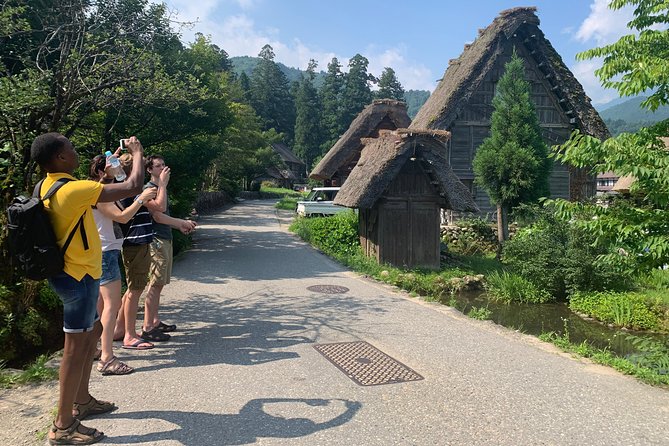
- UNESCO Shirakawa-go with time to understand how gassho-style houses were built and lived in
- Private guide support (often Yama) to translate and explain local culture, including the spiritual angle
- Hirayunomori onsen stop designed to recover from the walking and hiking time
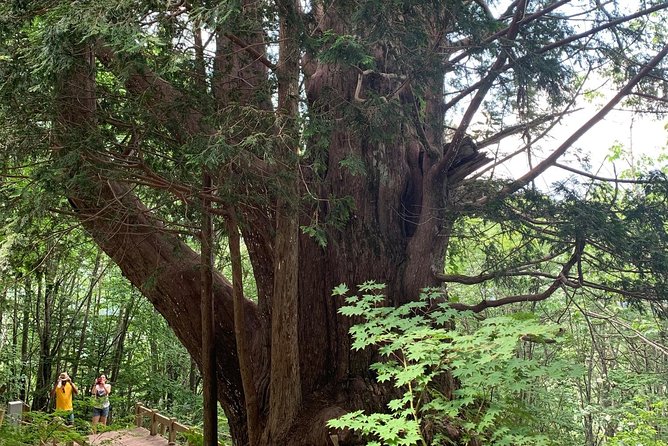
- Hirayu Falls + a 1,000+ year tree experience that’s more than just a photo stop
- Small cap (max 10 travelers) so the day stays flexible
A one-day UNESCO + onsen + waterfall rhythm
This is the kind of day trip that works well when you want variety without going full marathon mode. You get UNESCO Shirakawa-go first, then a traditional hot spring break, then the raw power of Hirayu Falls before ending back in the Takayama area.
The value here isn’t only the places. It’s the flow: the day is paced so you’re not rushing from ticket line to ticket line all day. You’ll also avoid the most common problem in rural Japan tourism—trying to figure things out when signage and explanations are too detailed to “guess.”
You can also read our reviews of more historical tours in Gifu Prefecture
Your private guide: translation and regional context
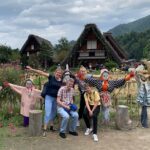
A big reason this tour earns such strong reactions is the guide. The host often called Yama is described as friendly and helpful, and the big practical win is that you’re not left alone with your questions. With translation support, you can ask about what you’re seeing, not just walk past it.
You also get more than facts. The tour includes an explanation of the Japanese spiritual side, which matters in places like Shirakawa-go where the environment, traditions, and beliefs connect tightly to daily life. It’s the difference between seeing roofs and understanding why those roofs exist.
Finally, the day is designed for a smaller group (up to 10). That size is large enough to keep things lively but small enough that the guide can adjust if someone needs a slower pace or a quick detour for a better viewpoint.
Stop 1: Historic Shirakawa-go gassho houses (2 hours)
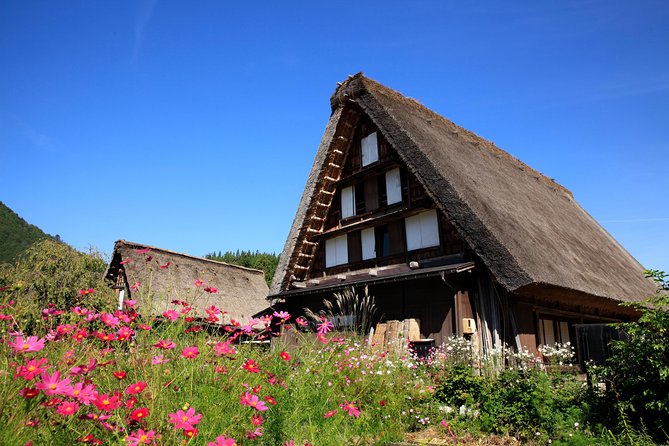
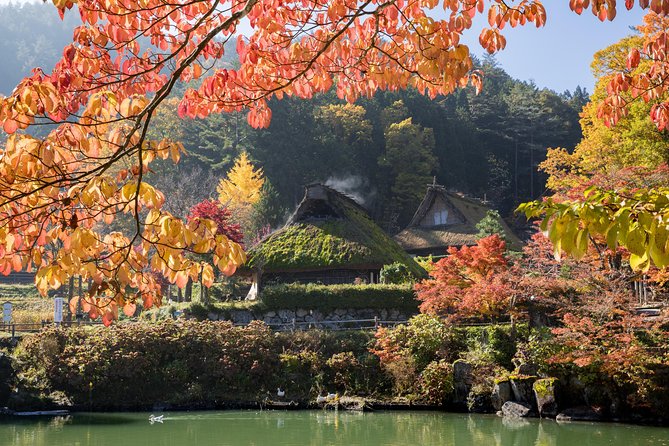
This is the anchor of the day. You’ll spend about 2 hours at the Historic Villages of Shirakawa-go and focus on the gassho-style houses—the iconic steep thatched roofs that helped the village manage heavy winter snow.
What makes this stop more than sightseeing is that the guide helps you understand two layers:
- How the houses are built, not just what they look like
- How people lived in the village, so the place feels lived-in rather than staged
One practical note: admission isn’t included for this stop. That’s not a dealbreaker, but it affects budgeting. Also, two hours sounds long until you realize you’re trying to take in views, interiors (where available), and explanations. Still, it’s a comfortable amount of time to absorb Shirakawa-go without turning it into a sprint.
Stop 2: Wada House in 15 minutes
Next is a shorter, more focused stop: Wada House (about 15 minutes). The upside of a quick stop is that it keeps you from getting “museum tired.” You’re not stuck in one room forever.
The guide’s role is especially important here, because this is where context really helps. Instead of just passing traditional items, you’ll get explanations for what you’re seeing and how it connects to local life. Admission is also not included here, so if you’re tracking costs, this is one to plan for.
If you prefer slow travel, 15 minutes may feel brief. But for most people, it’s an efficient way to add depth to the day without derailing the schedule.
Stop 3: Hirayunomori hot spring (1 hour)
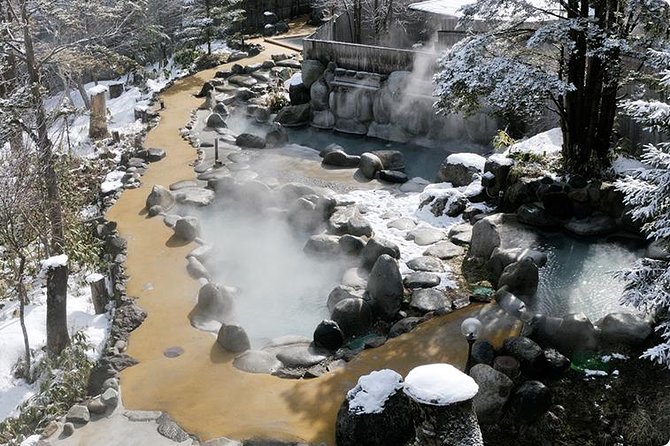
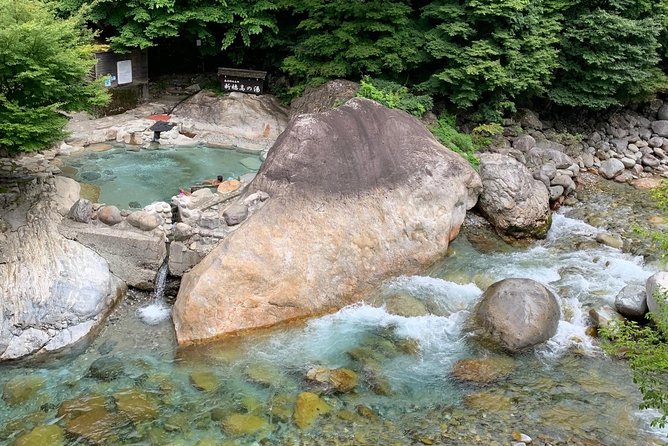
After Shirakawa-go walking time, you’ll head to Hirayunomori, a traditional onsen-style break. The stop is about 1 hour, and it’s intentionally placed to let your legs recover.
This matters because the day isn’t only sitting. There’s also hiking time later near the falls, and you’ll feel that more if your body starts the afternoon tense. An onsen hour can reset your energy in a way that a quick snack never will.
Important cost detail: the onsen has admission ticket not included. The tour still sets up the timing and takes you there, but you should assume you’ll pay the facility fee on-site.
What you’ll likely enjoy most here is the contrast. Shirakawa-go is quiet, historical, and outdoorsy. Then onsen time brings warmth, steam, and that classic Japan reset where the body slows down without you trying.
Stop 4: Hirayu Falls + the 1,000+ year tree (2 hours)
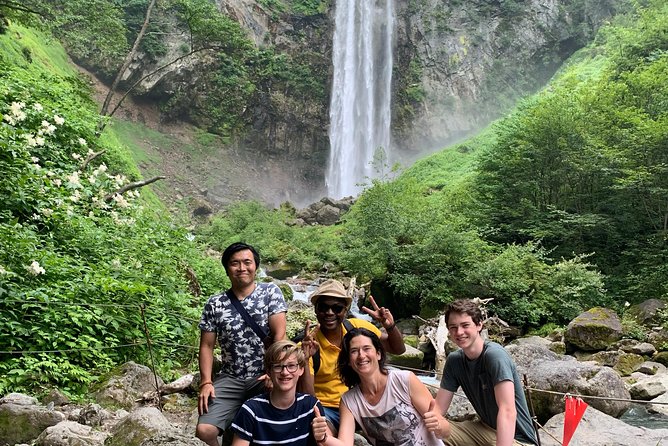
This is where the day shifts from culture to nature power. You’ll spend about 2 hours at Hirayu Falls—time long enough to enjoy the area rather than just grab one look and move on.
The standout features are:
- The falls themselves, described as dynamic and dramatic
- A massive ancient tree listed as a 1,000+ year old nezuko (giant tree)
That “big tree” detail is one of the best practical cues for what kind of walking you might do here. If you’re the type who likes stopping for viewpoints and taking your time, Hirayu Falls is a great place for that. If you’re not steady on your feet, wear shoes with grip because wet ground around waterfalls is common.
Good news for budgeting: Hirayu Falls admission is free. That helps offset the other stops where admission is extra.
Price and value: what $190.58 covers (and what it doesn’t)
At $190.58 per person, this isn’t a bargain-basement outing. It’s priced more like a “you pay for guidance” day. The value comes from three things that add real comfort:
- A private guide to translate and explain (not just point and smile)
- Air-conditioned transport between sites
- A tight itinerary that saves you from figuring out rural connections on your own
Now the “watch this” part: several key costs are not included—facility admissions and meals. Lunch/dinner/ breakfast also aren’t included. The description indicates the guide can introduce good places to eat, which helps, but it still means you’ll budget for food.
Also, the tour notes transportation fee & bus fee aren’t included. That may sound contradictory if you’re imagining everything bundled into the listed price. In practice, you should confirm what portion of vehicle costs are already covered versus what might be paid separately based on your routing.
Bottom line: this is good value if you want a guided, low-stress day and you care about understanding what you’re seeing. If you’re comfortable traveling independently and you mostly want photos, you might spend less on your own—but you’ll miss the explanations that turn Shirakawa-go and the spiritual context from scenery into meaning.
Timing and logistics that affect comfort
The day starts at 8:30 am from the Shirakawa-go Bus Terminal address, and it ends in the Takayama area (Takayama Station or the Hirayu bus terminal).
Why this matters: starting early helps you get the UNESCO village experience before the day gets crowded and before the light changes too dramatically for photos. It also gives you a smoother pace toward the onsen and falls without feeling like you’re chasing closing times.
You’re also capped at up to 10 travelers, which helps keep the day from feeling like a bus tour. You’ll still be moving, but you’re less likely to get stuck waiting while your group straggles.
A practical tip for this kind of schedule: dress in layers. Even if the weather looks fine in the morning, waterfall areas and hot springs can swing the comfort level quickly.
Weather reality: why the itinerary depends on it
This tour requires good weather. That’s not a red flag—it’s normal for places like Hirayu Falls and for any hiking component. If it’s raining hard or visibility is poor, the experience can be less enjoyable.
If weather forces a change, the experience notes you’ll be offered a different date or a full refund. That flexibility is worth something in mountain regions where forecasts can be tricky.
Who this tour fits best
This day works especially well if:
- You want Shirakawa-go with context, not just photos
- You prefer a guide who can translate and answer questions
- You like combining culture + relaxation + nature in one schedule
- You don’t want to manage multiple tickets and directions by yourself
It may be less ideal if you’re the type who hates longer days. At around 9 hours, you’ll be active and on the move most of the day—even though the onsen gives you a real break.
Should you book this Shirakawa-go onsen and hiking day?
I’d book it if you want the full experience—UNESCO village understanding, a proper hot spring recovery, and meaningful time at Hirayu Falls—without language stress. The guide support is the difference-maker. When someone like Yama can explain the history, the region, and even the spiritual side, your day stops feeling like a checklist.
I would not book it if you’re trying to keep the day very budget-tight or if you dislike paying extra at each stop for admissions and onsen fees. Also, if you already know you only want a quick look at Shirakawa-go, the structured timing might feel a bit too scheduled.
If you’re choosing between DIY and guided: think about what you want to remember. This tour is designed so you don’t just remember roofs and waterfalls—you remember the stories behind them.
FAQ
How long is the Shirakawa-go onsen and hiking day tour?
It runs for about 9 hours.
What time does the tour start, and where do we meet?
The start time is 8:30 am. You meet at Shirakawa-go Bus Terminal, 1086 Ogimachi, Shirakawa, Ono District, Gifu 501-5627, Japan.
Where does the tour end?
The tour ends in the Takayama area, either at Takayama station or Hirayu bus terminal.
Is this tour private, and how many people are in the group?
A private guide accompanies you, and the tour has a maximum of 10 travelers.
What’s included in the price, and what isn’t?
Included: the guide and explanations about the Japanese spiritual side. Not included: meals (breakfast, lunch, dinner), facility admission fees/service fees, and transportation/bus fees. Also, admission tickets are not included for the gassho-style houses and Wada House, and the onsen stop’s admission ticket is not included.
Is admission required for Hirayu Falls?
Hirayu Falls has admission listed as free for this stop.
What happens if the weather is bad?
The tour requires good weather. If it’s canceled due to poor weather, you’ll be offered a different date or a full refund. You can also cancel up to 24 hours in advance for a full refund.