REVIEW · VILNIUS
Vilnius: Jewish Heritage Sites Private Tour with Transfer
Book on GetYourGuide →Operated by Baltia tour · Bookable on GetYourGuide
Vilnius tells its Jewish story in street corners. On this private Vilnius Jewish heritage tour, you’ll connect the dots between synagogues you can still visit, ghetto-era sites, and cemeteries that carry names like the Gaon de Vilna. I like that it’s structured for a full day but still feels human—less rushing, more looking closely.
I love that the tour doesn’t skip the heavy chapters, from the ghetto’s hidden basement hiding place to the Paneriai (Ponar) memorial museum. I also appreciate that the guide work is part of the value—one guide example from Baltia tour, Cyrus, was praised for being helpful, kind, and empathetic about Lithuania’s painful Jewish history. One possible drawback: Choral Synagogue admission is not included, and it may be closed for Shabbat or other feasts, so you should align your visit dates with what’s open.
In This Review
- Key things I’d plan around
- A 6-hour Vilnius route that fits a real day
- Small ghetto and great ghetto: what you’ll actually notice on the street
- Vilnius Choral Synagogue and the places of worship that still matter
- Cemetery visits: Gaon de Vilna and the respectful side of “site seeing”
- The Jewish Culture Center: the ticketed stop that ties it together
- Hidden basement hiding place and the labor camp sites
- Paneriai memorial park and the Ponar massacre museum
- Guide quality: how to get the best version of this tour
- Price and value: is $235 per group up to 2 worth it?
- Should you book this Vilnius Jewish heritage tour?
- FAQ
- What’s the duration of the Vilnius Jewish Heritage Sites private tour?
- How much does the tour cost?
- Does the tour include pickup and drop-off?
- Is the tour private?
- What’s included with the ticket to the Jewish Culture Center?
- Are the Choral Synagogue tickets included?
- Which locations does the tour cover?
- Is food included?
- Is there Wi-Fi on the tour?
- Can I cancel, and what’s the cancellation window?
Key things I’d plan around
- Car-friendly coverage across Old Town and memorial areas, so you’re not spending the whole day stuck in transit on foot
- Jewish Culture Center tickets included, which helps everything you see make sense
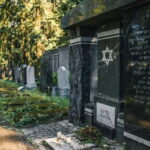
- Former and still-in-use cemetery visits, including the Gaon de Vilna grave
- Ghetto sites plus a secret basement hiding place, for the “you are there” feeling
- Paneriai Ponar memorial museum, for the darkest wartime context
A 6-hour Vilnius route that fits a real day
This is a private group tour lasting about 6 hours, with pickup and drop-off from your accommodation. That matters in Vilnius, where key Jewish sites can be scattered and where a tight schedule can push you into “see-and-snap” mode. By using a car for the longer hops and walking for the meaningful stops, you get momentum without paying for it with exhaustion.
The tour is described as all-season, which is practical—Vilnius weather can turn fast. It also lists wheelchair accessibility, so if you use mobility support, you’ll want to communicate your needs when you reserve so the walking portions match your comfort.
You’ll travel with an English-speaking guide, and the tour’s value isn’t just the list of stops. It’s how the guide ties them together into a story of Jewish spiritual and community life in Vilnius, then into the tragedies that followed. That “why this place matters” layer is often what turns a tour from sightseeing into understanding.
You can also read our reviews of more tours and experiences in Vilnius.
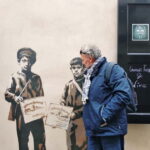
Small ghetto and great ghetto: what you’ll actually notice on the street
The day is built around the Jewish quarter’s wartime geography—so you’re not only visiting buildings. You’re walking the edges of history: small ghetto, great ghetto, and the surrounding landmarks that still shape the map.
In practical terms, expect several “this is where it happened” moments. The tour includes things like:
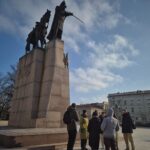
- Monument to Vilna Gaon
- Courtyard of the Judenrat
- A plaque on Jewish street
- The place of the Great Synagogue
- A monument of the former Jewish cemetery
What I like about this approach is that it trains your eyes. Once you’ve seen a few of these anchor points with context from your guide, the street itself starts to feel like a document. You’ll understand how the Jewish community was organized, then how it was constrained and targeted.
A small consideration: the ghetto story is heavy. Even when you’re not inside a museum, the tour is designed to talk about proud life and heartbreaking outcomes. If you need breaks, use the private-car format to request a slower pace.
Vilnius Choral Synagogue and the places of worship that still matter
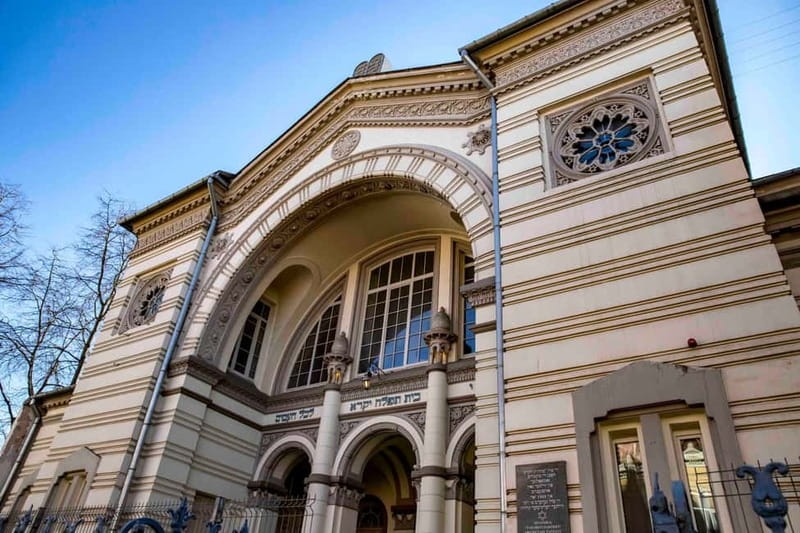
This tour includes the Vilnius Choral Synagogue among its listed stops, plus the place of the Great Synagogue. Even if you can’t go into one space on a given day, you’ll still be guided through what these synagogues represented in Jewish public life—religion, community identity, and continuity.
One very practical note: the Choral Synagogue admission ticket is not included, and the synagogue may be closed during Shabbat or other specific feasts. So if synagogue access is a top priority for you, I’d plan your dates with that in mind and be ready to adjust if the doors are closed.
Because the tour is private, you can ask the guide how they handle the closed-days scenario. On days when access is restricted, the guide’s job becomes even more important: you’ll want the interpretation to land so the exterior stop still feels meaningful, not like a missed item.
Cemetery visits: Gaon de Vilna and the respectful side of “site seeing”
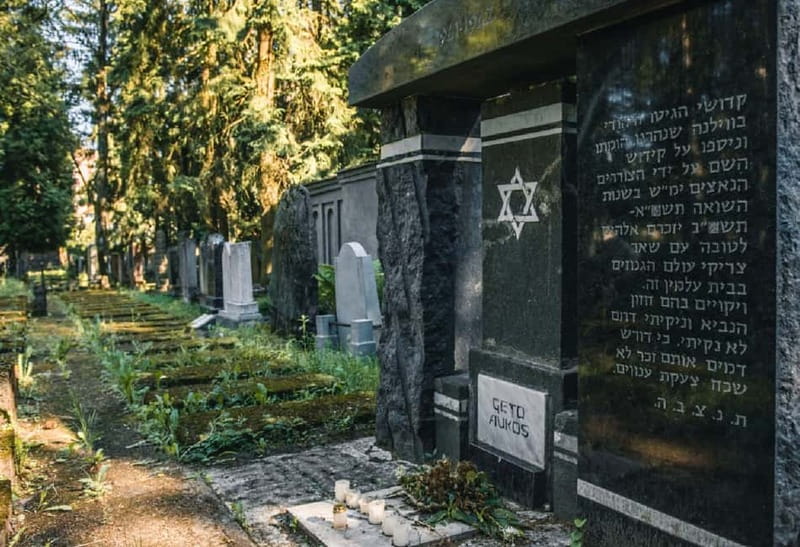
The cemeteries are a core part of the experience. You’ll see former and existing Jewish cemeteries, including the Uzupis Jewish cemetery and the existing Jewish cemetery and Gaon de Vilna grave.
This is one of those parts where it helps to have a guide. Cemeteries aren’t just “history stops.” They’re family geography, shaped by burial traditions and by names that connect people across centuries. Seeing the grave of the Gaon de Vilna is especially powerful because the site is instantly specific—you’re not just learning about a figure in the abstract; you’re standing at the place associated with him.
There’s also a monument to the former Jewish cemetery, which adds another layer: not everything survives physically, but memory can still be marked. That contrast—what remains and what was erased—is a theme you’ll feel throughout the tour.
If you’re sensitive to leg fatigue, plan for some walking near cemetery grounds. One review praised a guide (Cyrus, in a different context) for moving the car so the traveler didn’t have to walk as far—so if you have mobility limits, flag it early and ask where the guide can reduce walking without cutting the experience.
The Jewish Culture Center: the ticketed stop that ties it together
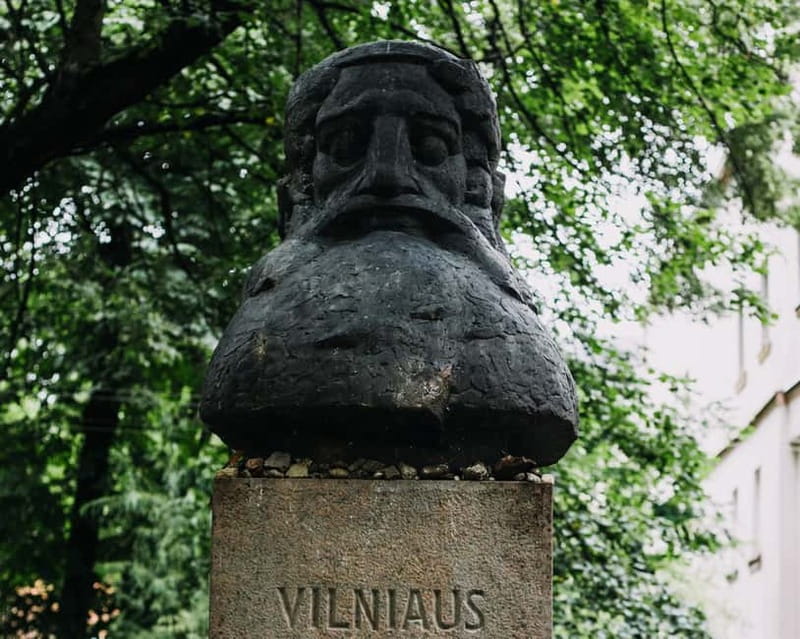
A ticket to the Jewish Culture Center is included, and I’d treat this as the “anchor building” of the day. When the tour hits multiple sites—ghetto locations, cemetery corners, and memorial spaces—the Center helps you connect the dots between eras.
Why it matters: without a framing stop, it can be easy to remember the names and miss the relationships. The Jewish Culture Center is where you can reset your mental timeline: what daily Jewish life looked like, how culture moved through Vilnius, and how the wartime break reshaped everything.
You’ll get more out of the rest of the route because you’ll understand the “before” more clearly. Then the “after” hits harder—especially at Paneriai.
Hidden basement hiding place and the labor camp sites
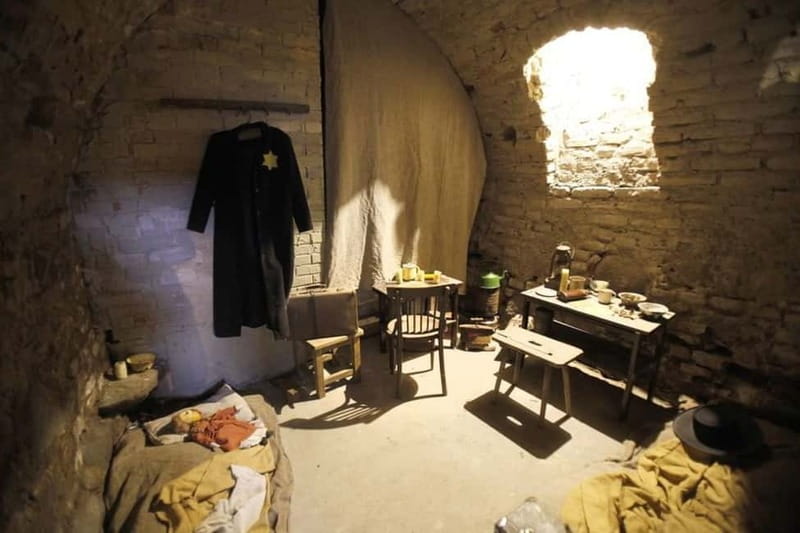
One of the standout elements on this tour is the secret hiding place in the old basement in the former ghetto area. This is the kind of stop that makes history feel less like a lecture and more like lived risk. It’s also the kind of site where your guide’s tone matters, since the story involves people hiding, waiting, and trying to survive.
The tour also includes a Jewish labour camp, plus monuments like Monument to Zemach Shabad and other ghetto-related markers. Even when you’re standing in front of something that looks modest, you’re learning how wartime systems worked—how labor, confinement, and persecution were tied together.
I’d add one practical tip here: because the day includes emotionally intense locations, take small moments to pause. Don’t feel you have to rush to the next stop to “get through it.” The best conversations with a guide happen when you give yourself time to process what you just saw.
Paneriai memorial park and the Ponar massacre museum
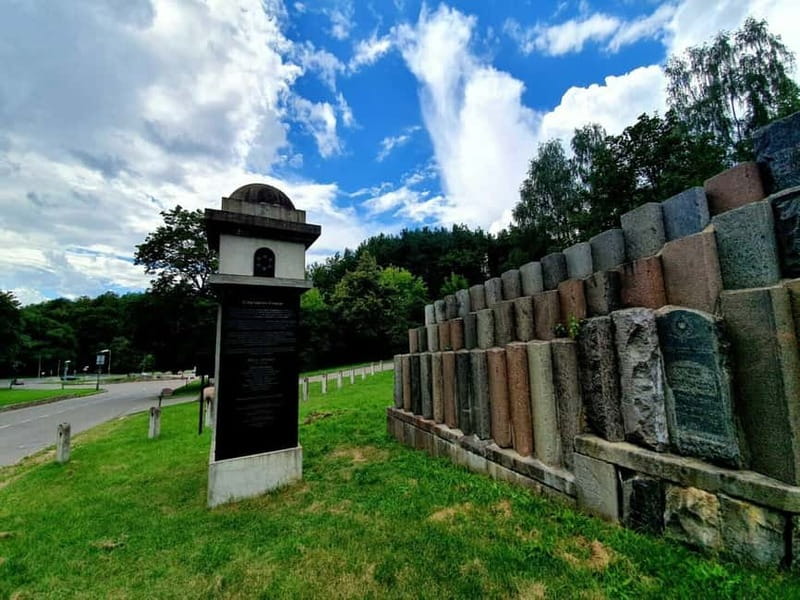
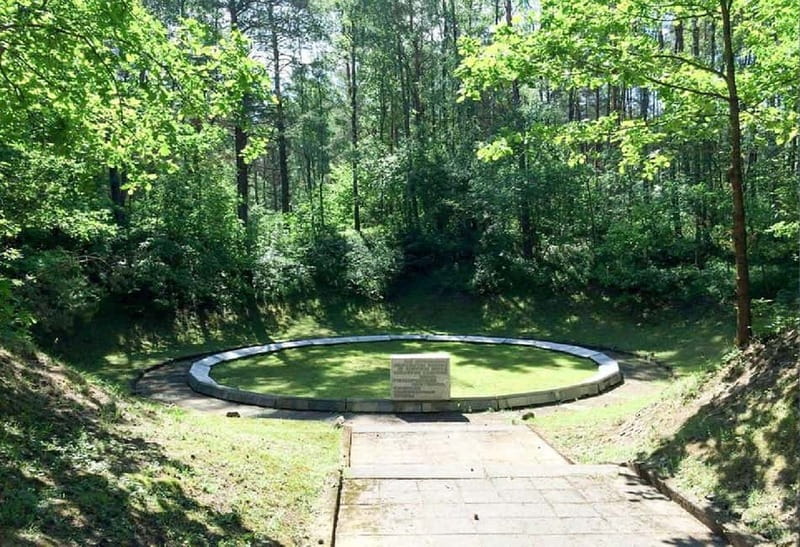
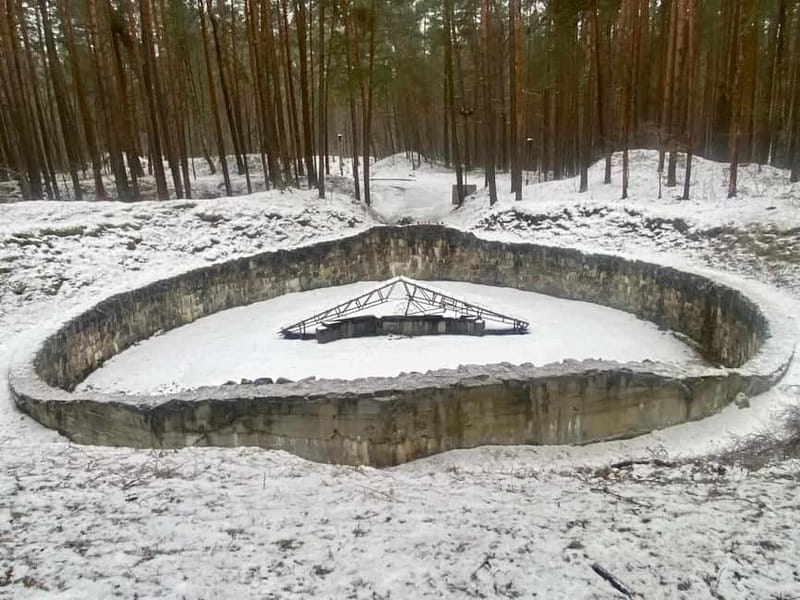
The tour’s final emotional weight comes at Paneriai memorial park and the memorial museum of Paneriai (Ponar massacre). This is not the part of the trip where you’re looking for architecture photos. It’s where context matters most—what happened here, what it meant for the victims, and how the site preserves memory.
If you only visit one memorial site in Vilnius, this would be the one I’d prioritize, because it’s explicitly tied to the Ponar massacre. The guide-led storytelling helps you connect the ghetto world you visited earlier to what came later and more violently.
Timing matters at this stop. Budget your attention. If you’re traveling with someone who gets overwhelmed easily, you’ll want to tell the guide your pace needs. In one reviewed experience, the guide allowed flexibility and even helped end the tour early when heat and leg problems made it too much—so you can ask for pacing support.
Guide quality: how to get the best version of this tour
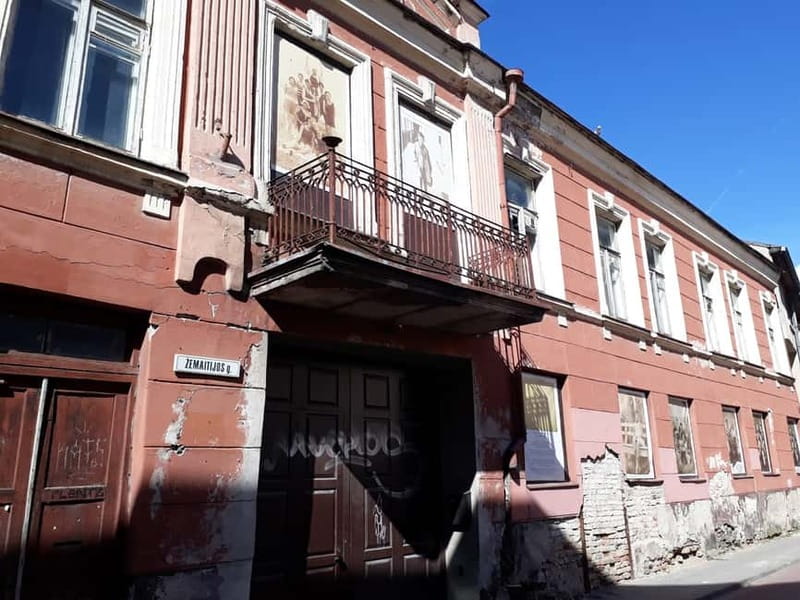
This is a private tour, which means your guide is a major part of what you pay for. The provided info and reviews point to a wide range of guide experience levels across similar tours, so here’s how I’d protect your investment.
What’s worked well: guides have been praised for going the extra mile—one guide named Cyrus was described as helpful and kind, and as sensitive and empathetic while discussing the dark history in Lithuania. That kind of emotional intelligence matters on a tour like this, because the story isn’t neutral.
What to watch for: there’s also been a complaint that a guide knew too little about Judaism and tried to redirect the tour toward church sites mid-tour. So, when you book, you can reduce risk by setting expectations early—tell the guide you’re focused on Jewish heritage sites and that you want the tour to stay on those stops.
On a private tour, you can also ask targeted questions. For example, if you have family connections (one review praised a guide for helping locate a grandmother’s childhood home), ask how you can use the day beyond the scheduled highlights.
Price and value: is $235 per group up to 2 worth it?
The price is $235 per group (up to 2 people) for a 6-hour private experience, including hotel pickup/drop-off, an English-speaking guide, Jewish Culture Center tickets, and fuel/parking surcharges. Food and drinks are not included.
Is it good value? For me, it comes down to how many separate admissions and how much guiding you would otherwise need. The tour is doing a lot: multiple cemetery sites, ghetto-area landmarks, and a major memorial museum. If you’d otherwise hire a taxi plus a guide plus paid entries, the private structure starts to look like a bargain for the amount of context you’re getting.
Where it can feel pricey: if you’re traveling alone, you’re paying the full private-group cost. If you can share the tour with a partner or friend, the value usually clicks.
Also consider this: because some access depends on Shabbat scheduling (especially the Choral Synagogue), you may want to manage expectations. The tour still includes other key sights, but if a specific indoor visit is essential to your plans, check the day’s access before you go.
Should you book this Vilnius Jewish heritage tour?
I’d book it if you want a guided, respectful, and structured way to understand Vilnius Jewish heritage across eras. The mix of synagogue sites, cemetery visits, ghetto landmarks, a hidden hiding place, and the Paneriai (Ponar) memorial museum gives you both geography and meaning. If Jewish history is a serious priority, the Jewish Culture Center ticket included is another strong reason to choose this format over “wander and hope.”
I’d think twice or plan carefully if your dates fall near Shabbat or feast days, since Choral Synagogue entry isn’t included and may be closed. I’d also do a quick mindset check: this is not an easy day. Expect sadness and hard context, but also pride, names, and survival stories.
If you want a private tour that can keep pace with your comfort level, this is a smart option—just be direct with the guide about what you want to see and how you need the day paced.
FAQ
What’s the duration of the Vilnius Jewish Heritage Sites private tour?
It lasts 6 hours.
How much does the tour cost?
The price is $235 per group up to 2 people.
Does the tour include pickup and drop-off?
Yes. Hotel pickup and drop-off are included, and the guide will pick you up at your designated accommodation.
Is the tour private?
Yes. It’s a private group.
What’s included with the ticket to the Jewish Culture Center?
Entry tickets to the Jewish Culture Center are included.
Are the Choral Synagogue tickets included?
No. Admission ticket to the Choral Synagogue is not included, and access can be affected if it’s closed for Shabbat or other feasts.
Which locations does the tour cover?
You’ll visit synagogues (former and active sites), Jewish cemetery sites (including the Gaon de Vilna grave), former ghetto areas (small and great), a secret hiding place in an old basement, a Jewish labour camp, and the Paneriai memorial area including the Ponar massacre museum.
Is food included?
No. Food and drinks are not included.
Is there Wi-Fi on the tour?
Yes, free Wi-Fi is included.
Can I cancel, and what’s the cancellation window?
You can cancel up to 24 hours in advance for a full refund.