REVIEW · GIFU PREFECTURE
Shirakawa-go Half day tour (UNESCO World Heritage near Takayama)
Book on Viator →Operated by Happy Tour · Bookable on Viator
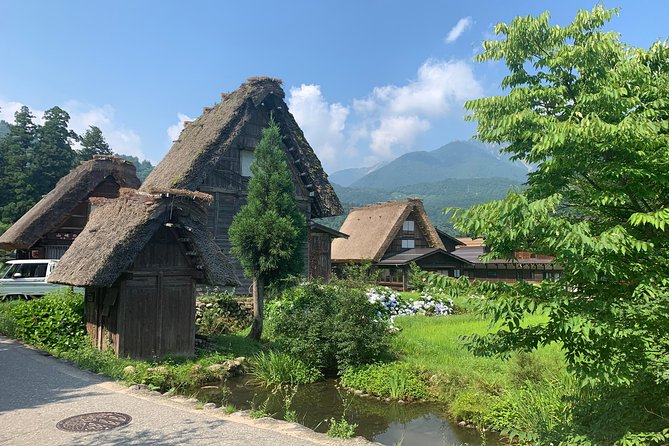
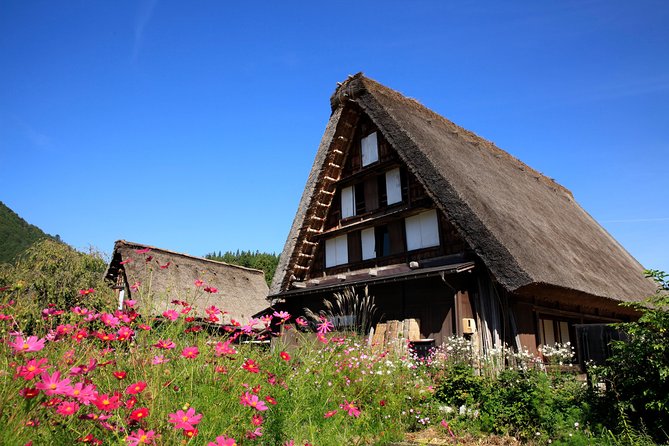
Watching gassho-style houses come into focus is the best part of this half-day escape. This tour is built for small-group walking so you get real context on the village instead of just wandering, and it centers on the thatched-roof A-frame houses that make Shirakawa-go famous (and UNESCO-listed).
I especially like how much of your time goes toward the historic village area, where the guide helps you understand how the houses are made and how people live there. I also like the structure of short, easy segments—viewpoints, a traditional home visit, a shrine stop—so you’re not stuck in one place for the whole 2–4 hours.
One thing to consider: part of the cost is driven by admissions. The big historic village area is marked as not included, while the Nagase house is included—so you’ll want to plan for at least some ticket spending for the main sights.
In This Review
- A small-group half-day tour with real explanation
- Key highlights worth planning around
- Why Shirakawa-go is ideal for a half-day visit
- What you’re paying for: value of a guided small-group day
- Starting in Takayama: meeting point and how the day flows
- Stop 1: Historic villages of Shirakawa-go gassho-style houses (the main event)
- Stop 2: Shirakawa-mura viewpoint for quick orientation
- Stop 3: Nagase house for hands-on cultural context
- Stop 4: Shirakawa Hachiman Shrine for a quick, traditional pause
- Stop 5: Rice paddy field and life in a small village
- Small-group guide style: what you gain (and what you don’t)
- When to go for the best feel
- Who this Shirakawa-go half-day tour is best for
- Should you book this Shirakawa-go half-day tour?
- FAQ
- What time does the Shirakawa-go half-day tour start?
- Where do I meet the guide?
- How long is the tour?
- Is pickup and drop-off included?
- Is the tour guided in English?
- Are admission tickets included for every stop?
- What if I need to cancel?
A small-group half-day tour with real explanation
With pickup and drop-off from Takayama City, this is designed to feel low-stress. The group is kept to a maximum of 9 people, which usually means you can ask questions without feeling like you’re interrupting a busload.
The route includes multiple stops in and around Shirakawa-mura, with different lengths (from a quick shrine glance to a longer house-focused segment). If you enjoy walking at a relaxed pace and want your visit to make sense as you go, this works well.
Key highlights worth planning around
- Max 9 travelers means you can actually ask questions, not just listen
- Guided focus on gassho-style houses explains how the village is put together
- Historic village time is the centerpiece (about 2 hours in the main area)
- Nagase house visit is included in the stop mix (short but structured)
- A shrine and rice paddy views add variety without turning it into a long trek
- Timing can help you miss the later crowds—some guests describe arriving early enough to see the village in quieter conditions, even with snow in season
You can also read our reviews of more historical tours in Gifu Prefecture
Why Shirakawa-go is ideal for a half-day visit
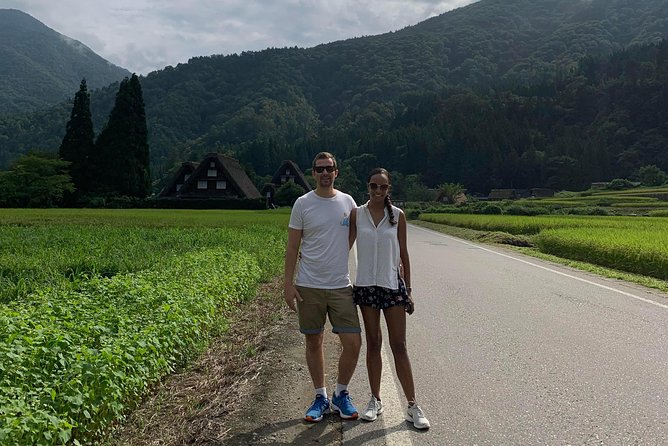
Shirakawa-go is one of those places where it’s easy to get lost in pretty scenery. The village is visually striking—those thatched-roof A-frame houses can look like they belong in a storybook—but the real value is understanding why the houses look the way they do and how village life fits around them.
That’s exactly what this format is for. Instead of giving you a long day where you’re juggling timing and translations, you get a guided walk that spends most of the time on the historic houses, then rounds things out with viewpoints and traditional stops.
Also, the half-day length matters. You get the core experience without committing your whole day, which is a big deal if you’re basing yourself in Takayama and you have other places to see.
What you’re paying for: value of a guided small-group day
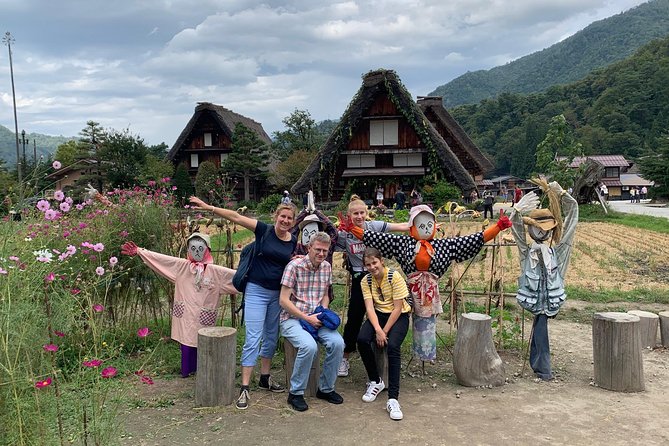
At $97.73 per person for a half-day, the price can feel high at first glance. But you’re not just buying transit and access—you’re buying guided interpretation, plus pickup and drop-off from Takayama City.
Here’s the practical way to think about value:
- You’ll spend about 2 hours at the main historic village area (this is where most of the experience lives).
- The tour includes an English-speaking guide throughout.
- You get a small-group experience (maximum 9 travelers), which tends to improve the quality of the answers you get.
The one cost wrinkle is admissions. The main historic houses segment lists admission not included, while the Nagase house admission is included. So your final total will depend on which paid areas apply to you, but the structure is already spelled out.
Starting in Takayama: meeting point and how the day flows
You meet at Takayama Station (Showa-machi 1-222, Takayama, Gifu 506-0053). The start time is 8:30 am, and the tour ends back at the meeting point, keeping the logistics straightforward.
That early start is a hidden benefit. One guest described arriving well before later crowds and even seeing a snow-covered village, which is the kind of experience that can happen when you start earlier in the day. Of course, conditions depend on the season, but the timing strategy is consistent.
You should also expect some walking. The overall duration is listed as 2–4 hours, and the stop lengths add up to a light walking circuit rather than a purely drive-and-sightsee plan.
Stop 1: Historic villages of Shirakawa-go gassho-style houses (the main event)
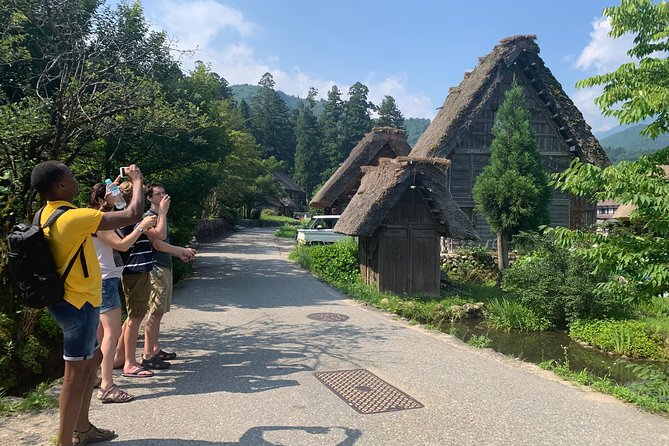
This is the heart of the tour: about 2 hours at the historic villages of Shirakawa-go gassho-style houses. This segment is where you’ll get the richest explanation, including how the houses are made and how villagers live.
Why this matters: if you only see exterior views, Shirakawa-go can blur together as “very old houses.” The guided part helps you notice what makes the houses functional and how that connects to daily life in the village. It turns photos into understanding.
Practical note: the admission ticket for this stop is not included. So mentally budget for at least one paid entrance tied to the main historic area. If you like to plan in advance, this is the part you should expect to pay for.
Stop 2: Shirakawa-mura viewpoint for quick orientation
After the main house time, you get a short break—about 10 minutes at a Shirakawa-mura viewpoint. This stop is brief, but it can be useful because it gives you a sense of the village layout after you’ve spent time near the houses.
Think of it as a reset button. You’ll have a few minutes to look out, understand where you are relative to the rest of the village, and then get ready for the smaller, more specific cultural stops.
This stop lists the admission as free, so you’re not paying extra for a quick “look around and orient” moment.
Stop 3: Nagase house for hands-on cultural context
Next comes Nagase house, around 15 minutes, with admission listed as included. This is a traditional home visit where the guide explains “everything well,” and you’ll be able to see a lot of Japanese traditional culture in a real house setting, not just in a photo.
Why I like this stop: a village of houses can feel repetitive unless you step inside something and see how life is organized. Even though the time is short, the structure is clear—this is your concentrated look at domestic tradition during the walk.
If you want a mix of architecture and everyday culture, Nagase house is the stop that helps the day feel more than sightseeing.
Stop 4: Shirakawa Hachiman Shrine for a quick, traditional pause
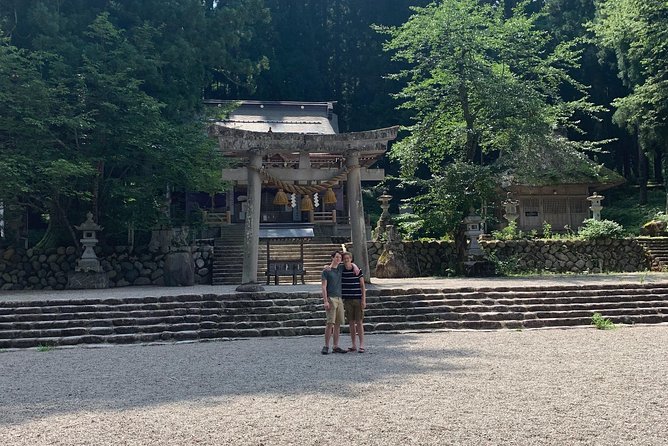
You’ll then visit Shirakawa Hachiman Shrine for about 5 minutes. It’s a short stop, and that’s intentional. The goal is a quick cultural contrast after house-focused time.
The shrine is described as traditional and one of the oldest in the area, so even with limited time, it gives the walk variety. If you’re the type who enjoys small moments of cultural texture, this stop is worth the brief pause.
Admission here is free, so it’s a no-pressure add-on.
Stop 5: Rice paddy field and life in a small village
The tour ends with another around-15 minute Shirakawa-mura stop focused on traditional rice paddy views and how people live within the village setting.
This part is “life context” again. After seeing houses and a traditional home, the rice paddy area helps you understand that Shirakawa-go isn’t just a cluster of buildings. It’s tied to seasonal routines and land use, which gives your mental picture more depth.
This is also listed as free, which is nice because you’re finishing without extra entrance costs.
Small-group guide style: what you gain (and what you don’t)
One of the most praised aspects is the guide’s ability to explain clearly and well. In practice, that matters a lot for Shirakawa-go because the visual cues alone don’t always tell you what you’re looking at.
With an English-speaking guide and a group capped at 9 travelers, you’re more likely to get direct answers to the questions you actually care about. And since the tour is split into short stops, it’s easier to connect the explanation to what you’re seeing right there.
What you shouldn’t expect: this isn’t a slow, unhurried day meant for deep research. It’s a walking tour designed for the half-day rhythm—2 to 4 hours—so if you want extensive free time in every area, you might feel a little “on the move.” Still, that’s exactly what makes it efficient from Takayama.
When to go for the best feel
Because the tour starts at 8:30 am, it’s well-positioned for a calmer visit before later crowds arrive. One guest specifically described a snow-covered village and called the trip memorable, which tells me the timing can pay off when weather and season create a special atmosphere.
If you’re visiting in winter, you may get that extra layer of magic. If you’re visiting in milder seasons, you’ll likely get brighter views and easier walking surfaces. Either way, go in with the mindset that you’re aiming for a guided snapshot of the UNESCO-listed village.
Who this Shirakawa-go half-day tour is best for
This tour fits best if you:
- Want Japanese culture context with your walking photos
- Prefer small-group guidance over solo wandering
- Are short on time but still want the main Shirakawa-go house experience
- Like a mix of sights: houses, a traditional home, a shrine, and rice paddy views
It may be less ideal if you:
- Want the freedom to linger for a long time in only one area
- Don’t want to handle any extra admission costs for the main historic village area (since that part is not included)
Should you book this Shirakawa-go half-day tour?
Yes, if you want a well-paced visit that explains what you’re seeing. The best part is the combination of a small group (max 9) and a guide who helps you connect the houses to how people live.
Book it especially if you’re staying in Takayama and you’d like a timed, efficient day without complicated logistics. Just be sure you’re ready for at least one ticket-related cost at the main historic village area, since that segment’s admission is not included.
If that trade-off works for you, this is a strong way to experience Shirakawa-go in a half day—guided, structured, and built for people who want understanding, not just photos.
FAQ
What time does the Shirakawa-go half-day tour start?
The tour starts at 8:30 am.
Where do I meet the guide?
You meet at Takayama Station (Japan, 506-0053 Gifu, Takayama, Showa-machi 1-22-2).
How long is the tour?
The duration is approximately 2 to 4 hours.
Is pickup and drop-off included?
Yes. Pickup and drop-off from Takayama City is included.
Is the tour guided in English?
Yes. The tour includes an English speaking guide.
Are admission tickets included for every stop?
Not all stops are the same. The historic villages of Shirakawa-go Gassho style houses have admission not included, Nagase house admission is included, and several other stops are listed as free.
What if I need to cancel?
You can cancel for a full refund up to 24 hours before the experience’s start time. Free cancellation is offered.