REVIEW · SYRACUSE
Syracuse: Traditional Cooking Class & Ancient Market Visit
Book on GetYourGuide →Operated by Empeeria · Bookable on GetYourGuide
Market shopping sets the tone for a great meal. In Syracuse, you pair a walk through the Ortygia Street Market with a hands-on Sicilian cooking class, then sit down to lunch you helped make. I really like the way a local chef (often seen teaching families and groups in this area, like Ettore or Enzo) turns shopping into real cooking lessons, and I also like the small group size capped at 8, so questions don’t get lost.
You should know one thing before you go: the Ortygia Market is closed on Sundays, so you won’t do the classic market walk that day. If you’re traveling midweek, that’s a big part of the magic—choosing ingredients by sight, smell, and price, then cooking with them.
In This Review
- Key points to know before you book
- Meeting at Bar Cristina in Piazza Pancali: the start of your Syracuse food day
- The Ortygia Street Market: how you learn Sicily by buying ingredients
- If the market is closed (Sundays): the chef’s local shopping route
- From market to kitchen: the part that turns shopping into cooking
- What you’ll cook: typical Sicilian dishes, built from the ingredients you picked
- The technique lessons you should actually pay attention to
- Lunch you can count on: eating what you cooked (and understanding why it tastes better)
- Drinks and extra food: what’s included and what to check
- Price and value: is $134.81 per person worth it?
- Who should book this Syracuse class (and who might not)
- Should you book this cooking class in Syracuse?
- FAQ
- How long is the Syracuse cooking class and market visit?
- Where do I meet the chef?
- What’s included in the price?
- Are Ortygia Market visits available every day?
- What about drinks during lunch?
- How big is the group?
- Does the class include entrance fees for monuments?
- Can I get a refund if my plans change?
Key points to know before you book
- Ortygia Street Market with a chef: you’re not just browsing; you’re guided to the best ingredients and traditions
- Hands-on Sicilian cooking: you cook typical dishes, not just watch someone else work
- Lunch included, centered on what you make: you eat the results of your own prep and cooking
- Small group (up to 8 people): easier pacing, more attention, better conversation
- Ortigia Market backup plan for Sundays: if the market can’t be visited, the chef still helps you shop locally
Meeting at Bar Cristina in Piazza Pancali: the start of your Syracuse food day
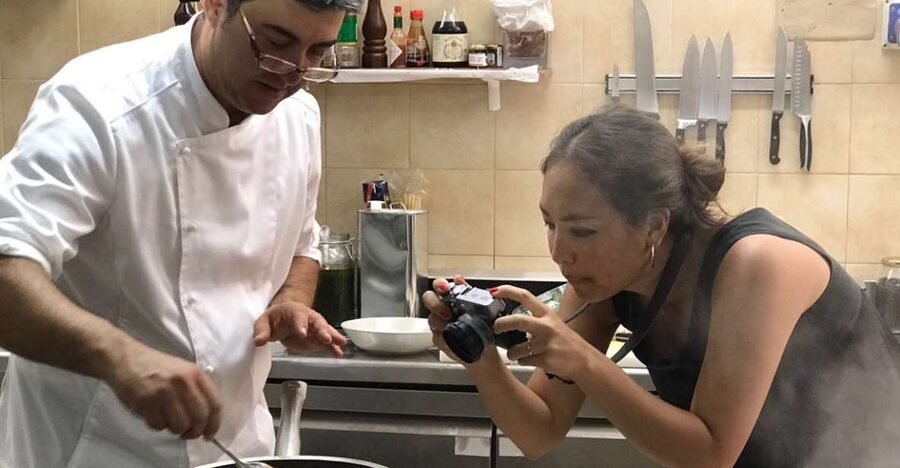
The day begins at Piazza Pancali in Syracusa, with the chef waiting for you at Bar Cristina (Piazza Pancali n° 24). This is a very practical setup. You show up, meet your host or greeter (Italian and English), and then your group moves as one unit toward the market and kitchen.
One small note that matters for your sanity: Bar Cristina is part of a busy piazza scene, so don’t arrive right at the starting time. Give yourself a few extra minutes to find the chef or greeter and get oriented. Once you’re in the group rhythm, it’s smooth from there.
The experience is designed to end where it starts—back at the meeting point—so you’re not stuck trying to solve the “how do we get home?” puzzle after lunch.
The Ortygia Street Market: how you learn Sicily by buying ingredients
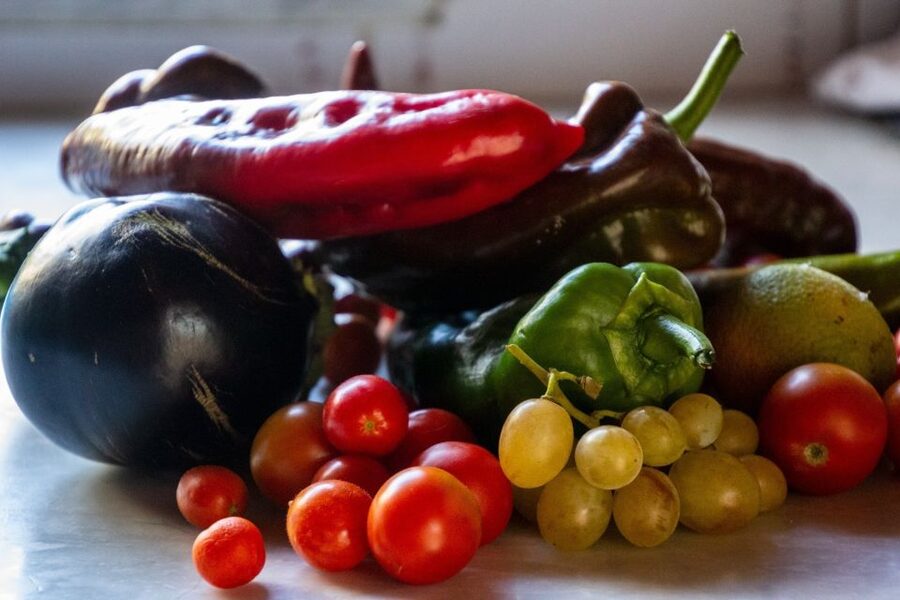
This is the heart of the experience. You go into the streets of the ancient market area on Ortigia island, where the stalls are full of color, scents, and noise—fish sellers, produce vendors, and street calls that you don’t get from a supermarket shelf.
Your chef guides you through the market and plays a real role beyond pointing. You’ll see what’s fresh, what’s seasonal, and what locals buy when they’re planning a family meal. The best part is that your chef typically knows the vendors and can explain what to look for—texture, aroma, and how each ingredient behaves in cooking.
In real kitchens, ingredient choice drives flavor. That’s why this shopping stage isn’t a casual detour. It’s where you learn the logic behind Sicilian cooking:
- why some dishes rely on seafood intensity
- how herbs and vegetables turn into sauce
- what makes a pasta dish feel truly “local”
And it’s not only about what you buy. It’s about how you decide what to buy. Many past participants highlight that they sampled items while the chef purchased ingredients, which helps you understand the menu before you touch a stove.
If the market is closed (Sundays): the chef’s local shopping route
If you’re in Syracuse on a Sunday, the Ortygia Market is closed. Instead, the chef will guide you through the streets of Ortigia to purchase local products so you can still cook an authentic menu.
It’s the same idea—shop with intention, then cook what you chose—but the exact market atmosphere won’t be identical. If market wandering is a major reason you booked, aim for a weekday.
From market to kitchen: the part that turns shopping into cooking
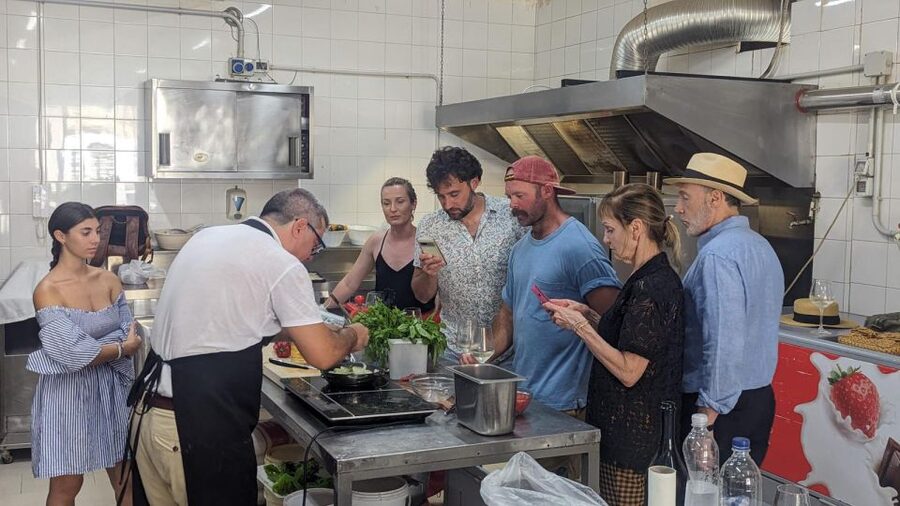
After you’ve bought everything you need, you transition to the cooking class. If the kitchen is not right by the market area, a transfer from the market to the cooking class is included if needed. That matters because it keeps you from wasting your energy on logistics when you’d rather be focused on the food.
Timing-wise, you’re looking at about 4 hours total. That’s enough time to shop, cook, and eat, without the long “half-day” feeling that some classes can create. And the pacing usually feels intentional: first ingredients, then technique, then lunch.
Language also matters here. The host or greeter speaks Italian and English, which makes it easier to follow cooking steps like sauce-building, pasta texture, and seafood handling without guessing.
What you’ll cook: typical Sicilian dishes, built from the ingredients you picked
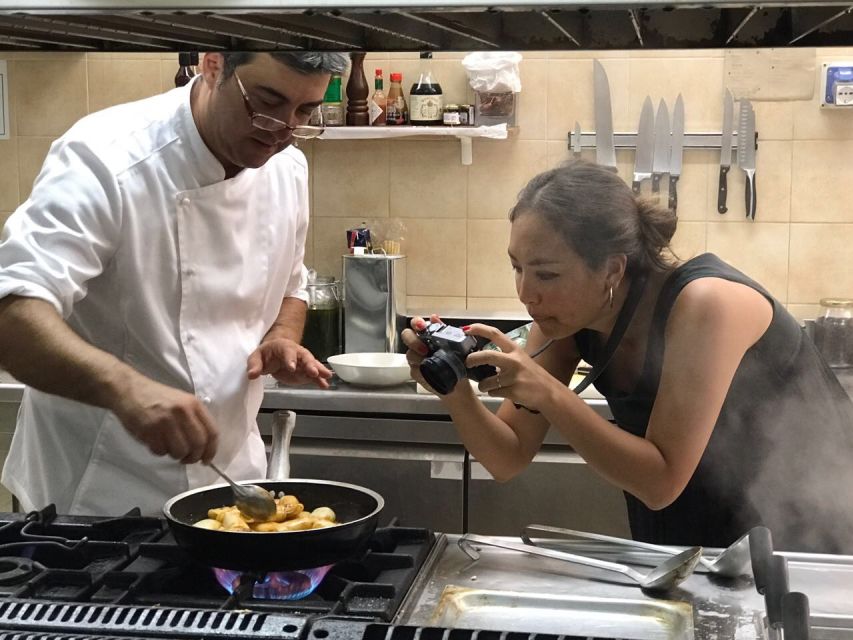
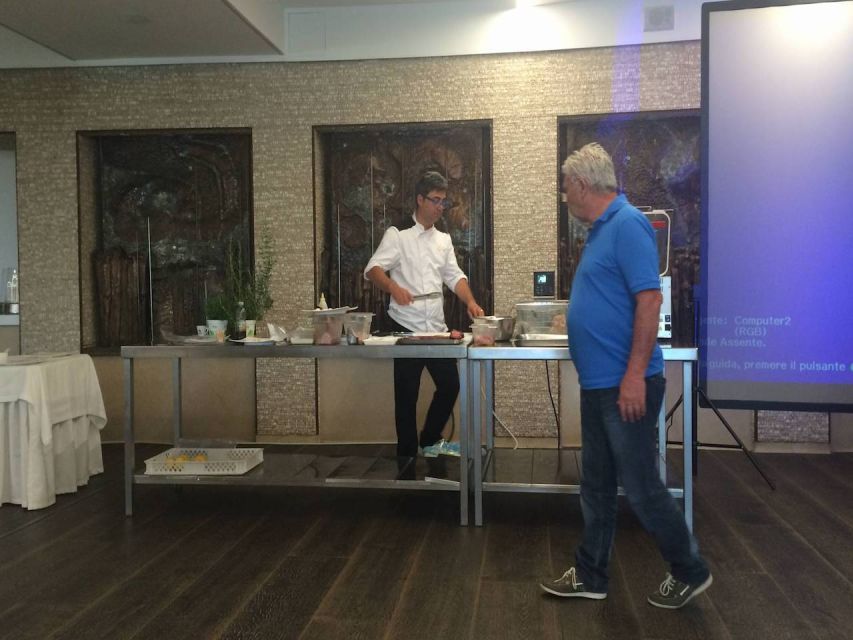
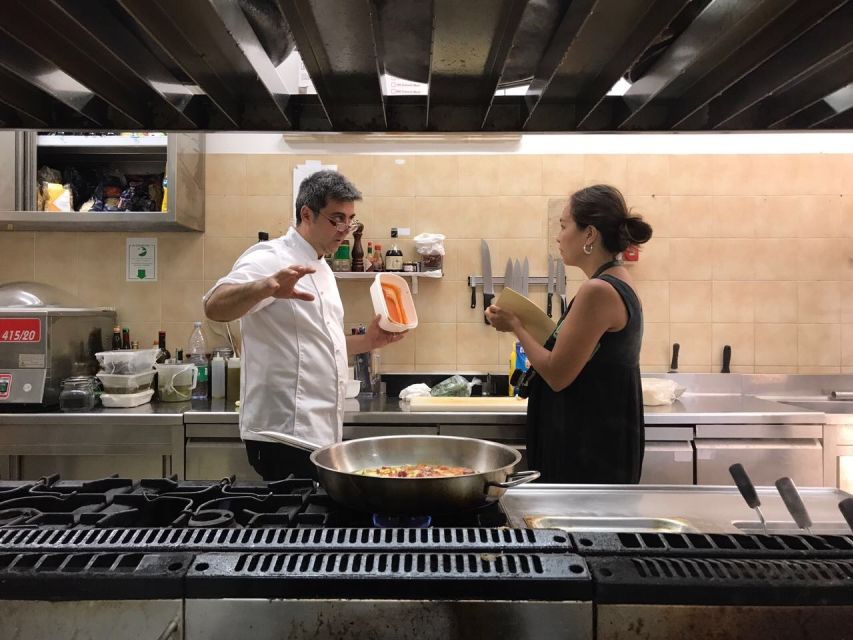
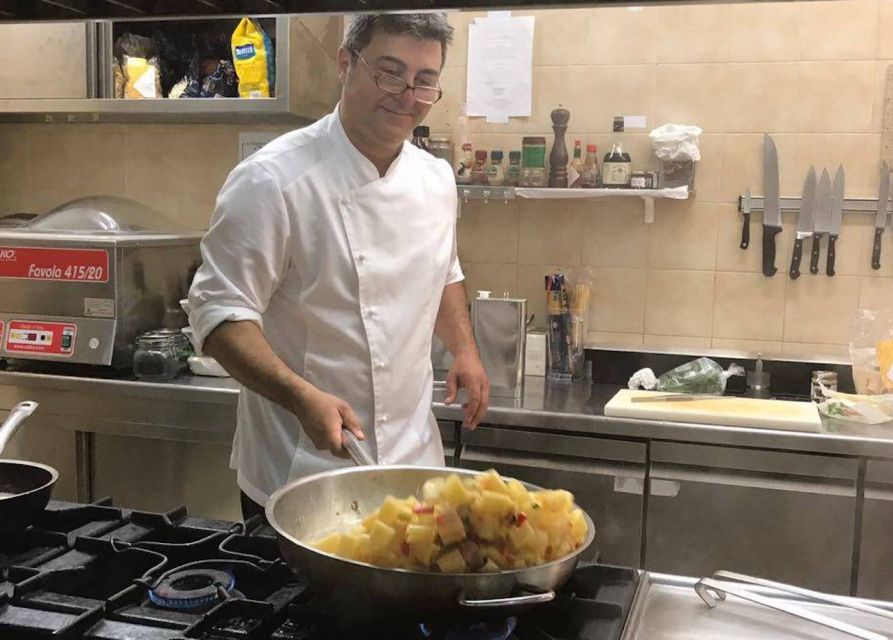
Once you’re in the kitchen, the chef opens the doors and starts the real work. You cook with hands-on instruction, preparing several typical Sicilian dishes that you later eat for lunch.
The menu can vary based on what looks best at the market and what your group likes. That flexibility is a big advantage. You’ll often see dishes that lean Sicilian and seafood-forward, such as:
- pasta with shrimp, mussels, calamari, and other coastal flavors
- tuna-based preparations with peppers, onions, olives, garlic, and tomatoes
- seafood sauces where even “scraps” (like shrimp shells) help build depth in the sauce
- fresh pasta dishes, including versions with pistachio-based elements
Some past menus also included things like strawberry salad, veal involtini, and fruit-style desserts. And yes—there are stories of wood-fired oven moments and even specialty pasta like black ink seafood styles. Whether your day includes those exact items depends on the market and your chef’s choices, but the overall pattern stays the same: Sicilian cooking uses a few strong ingredients, handled well.
The technique lessons you should actually pay attention to
Even if you’re not a “serious cook,” you can take home practical skills. Here are the kinds of lessons this class tends to emphasize:
- building flavor in stages for sauces, not dumping everything in at once
- using market ingredients as the core of the dish
- making fresh pasta (or at least learning the method) rather than relying on shortcuts
It also helps that many sessions are described as tailored to the group. People who prefer seafood less often note that the chef adjusted accordingly. If you have dietary needs or strong preferences, it’s smart to communicate them at the start so the menu can align with you.
Lunch you can count on: eating what you cooked (and understanding why it tastes better)
Lunch is included, and it’s served as the payoff for your work. The key here is that your meal isn’t separate from the class. You’re eating what you helped prepare, which makes every bite make sense.
This is where the earlier market shopping really clicks. When you pick ingredients yourself—especially seafood and produce—you taste the difference more clearly. You also learn what the chef was aiming for when they explained how something should smell or what a sauce should look like at each step.
A lot of participants highlight the pleasure of sitting down to a full plate after cooking with your own hands. That sense of accomplishment isn’t just sentimental. It changes how you judge the food, so you leave with better instincts about what to order later in Syracuse.
Drinks and extra food: what’s included and what to check
Lunch is included. But food and drinks beyond what’s in the chef’s menu may not be included, because drinks are described as organized by the local chef and not listed as included in the package. In some past classes, people mention wine or limoncello with the meal. That can happen, but it’s not something I’d count on as guaranteed unless it’s clearly stated for your date.
Price and value: is $134.81 per person worth it?
At $134.81 per person for a 4-hour small-group experience, you’re paying for more than a recipe card. You’re paying for:
- guided market shopping in Ortigia with a chef
- instruction during a hands-on cooking session
- a lunch built from what you cooked
- included coordination between market and kitchen if needed
In places where cooking classes can feel like a show with little participation, this format is typically more “work with the chef” than “watch and hope.” The small group cap of 8 matters for value because it increases attention per person. You’re more likely to get corrections, guidance, and clear answers while you’re actively cooking.
Also, the market component is the secret ingredient. You’re not just learning how to cook—you’re learning how Sicilians choose ingredients. That translates into better meals later, even if you never cook those dishes again at home.
Net: if you like food markets, hands-on cooking, and eating the results, this is solid value for Syracuse.
Who should book this Syracuse class (and who might not)
You’ll likely love this if:
- you enjoy food markets and want the “how to shop” side of cooking
- you want to eat lunch in a way that feels connected to your effort
- you like seafood dishes or you’re open to Sicilian flavor combinations
It’s also a nice choice if you’re traveling with a small group that wants a shared activity with a clear payoff. The chef’s teaching style often comes through as warm and interactive—people frequently describe feeling like part of the day’s rhythm rather than pushed through a checklist.
You might think twice if:
- you dislike the idea of buying ingredients in a market setting (noise and crowds are part of it)
- you’re traveling on a Sunday and you specifically want the Ortygia market walk, since the market is closed
- you prefer a quick, low-effort activity instead of a hands-on cooking session
Should you book this cooking class in Syracuse?
Book it if you want a day that starts with the market and ends with lunch that actually reflects what you learned. The combination—chef-led shopping in Ortigia plus hands-on Sicilian cooking—is what makes it more than another tourist meal.
Skip or choose something else if you’re only looking for a simple meal without cooking, or if you need an activity that’s guaranteed to include the Ortygia market itself (Sundays are an exception).
If you’re flexible with the menu and you’ll enjoy learning from a local chef, this is one of the most practical ways to experience Syracuse beyond sight-seeing.
FAQ
How long is the Syracuse cooking class and market visit?
It lasts about 4 hours. Start times vary, so you’ll want to check availability for the schedule.
Where do I meet the chef?
Meet in Piazza Pancali, Syracusa at Bar Cristina (Piazza Pancali n° 24). The chef is waiting there at the start, and the activity ends back at the meeting point.
What’s included in the price?
Included: guided visit of the Ortygia Street Market, local chef, cooking class, lunch, and transfer from the market to the cooking class if needed.
Are Ortygia Market visits available every day?
No. The Ortygia Market is closed on Sunday. If the market can’t be visited, the chef will guide you through the island streets to purchase local products instead.
What about drinks during lunch?
Lunch is included, but food and drinks are described as not included in the package menu and are organized by the local chef. Check what’s included for your specific date and menu.
How big is the group?
It’s a small group limited to 8 participants.
Does the class include entrance fees for monuments?
No. Monument entrance fees are not included.
Can I get a refund if my plans change?
Yes. Free cancellation is available up to 24 hours in advance for a full refund.