REVIEW · ROME
Rome: Colosseum Arena Access and Ancient Rome Guided Tour
Book on GetYourGuide →Operated by Roman Vacations · Bookable on GetYourGuide
Gladiator views feel unreal at first. What makes this tour special is the chance to stand on the Colosseum arena floor and walk through the gladiator-area access points, then connect it all to the Roman Forum and Palatine Hill. I love how the guide gives you real context for what you’re seeing, and I also like that you’re not stuck staring at stone from far away.
There is one trade-off: the Palatine Hill portion includes a fair amount of steps, and the tour departs promptly, so comfortable shoes and arriving on time matter.
In This Review
- Key highlights worth your attention
- Entering the Colosseum: Arena Floor and Gladiator Gates
- Roman Forum and the Senate House: The Center of Roman Daily Life
- Palatine Hill, Imperial Palaces, and the Steps That Come With It
- How the 3 to 3.5 Hours Feel on the Ground
- Where to Aim Your Photos in the Colosseum
- Price and Value: Is $94 Worth It?
- Meeting Point, IDs, and the Colosseum Security Reality
- Tour Style: What the Guides Seem to Get Right
- Should you book this Colosseum Arena Floor and Ancient Rome Tour?
Key highlights worth your attention
- Arena floor access to the reconstructed surface and the restricted gladiator area
- Gladiator-gates walk-through that makes the stadium feel human-sized
- Roman Forum guided path through major temples and power centers
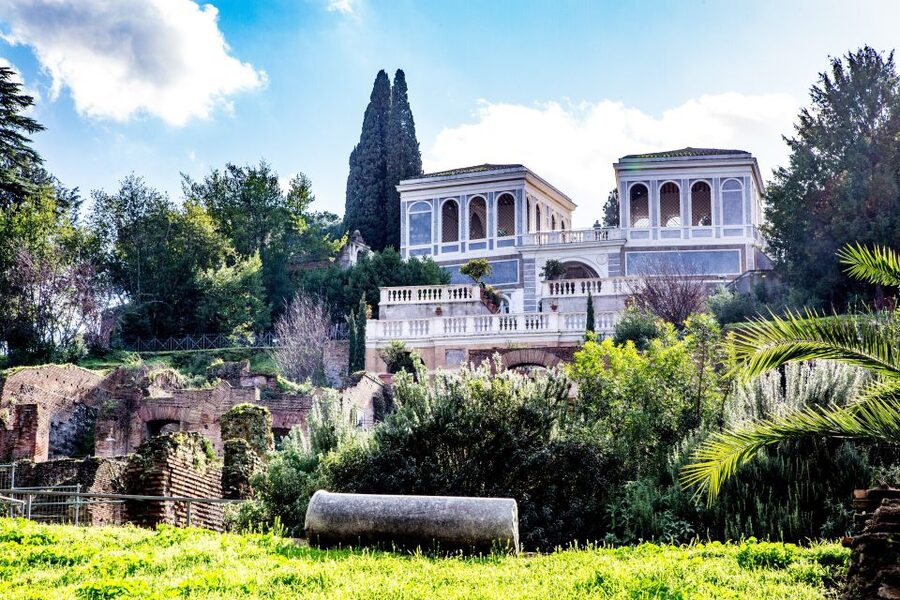
- Palatine Hill ruins of imperial palaces plus sweeping viewpoints
- Photo stops from spectator vantage points designed for better angles
Entering the Colosseum: Arena Floor and Gladiator Gates
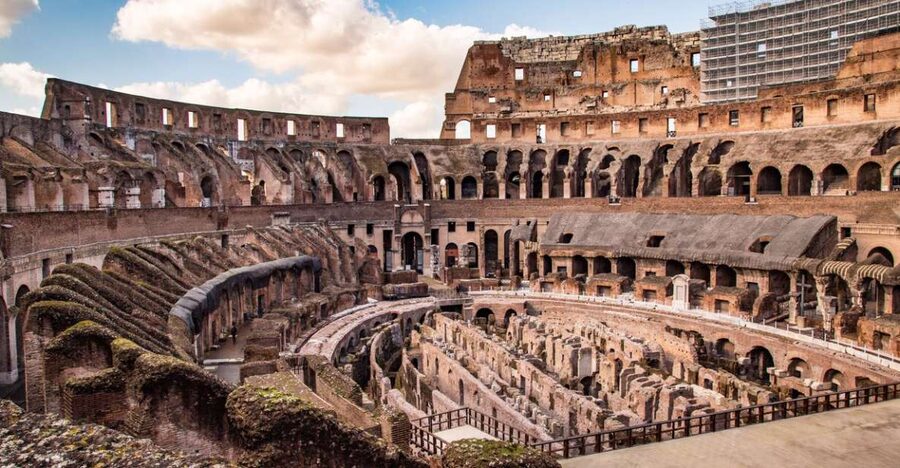
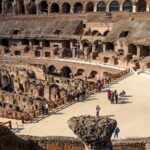
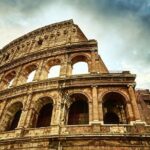
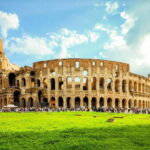
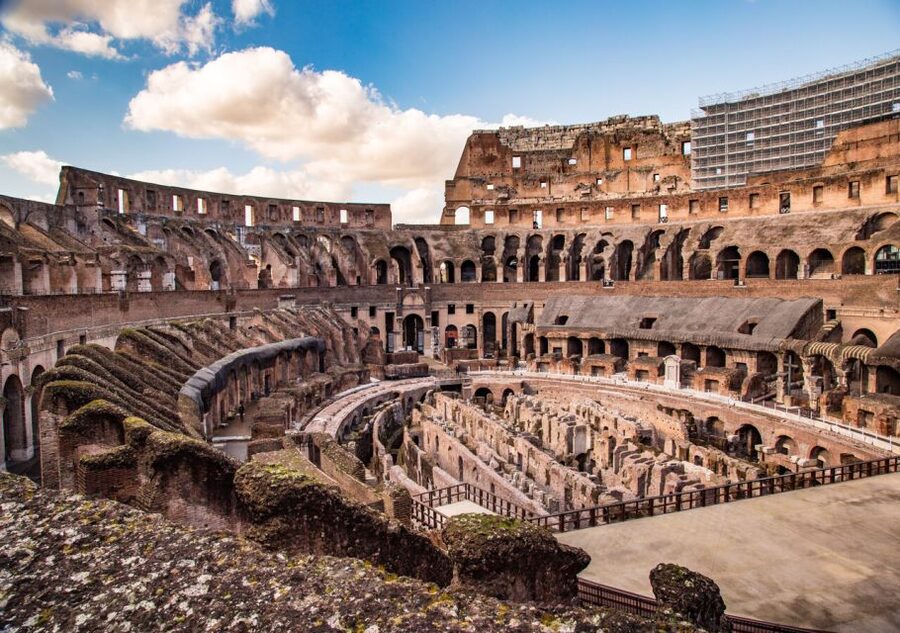
The Colosseum looks dramatic from the outside, but the real wow comes when you get inside and, more importantly, when you reach the arena-level experience. This tour takes you off the usual visitor route and into the restricted-access area where you can walk through the gladiator gates and stand on the reconstructed arena floor.
That shift changes everything. Suddenly you can picture where performers waited, where sound would have bounced, and how close the crowd actually was. The tour pacing is built around that idea: you don’t just watch history, you get a new viewpoint that’s hard to replicate on your own.
Your guide also narrates how the games worked—what different gladiator styles were about, and what kinds of entertainment ran through the stadium. If you have ever felt like the Colosseum is just a big amphitheater with cool architecture, this is the fix. You walk away understanding the mechanics and the spectacle, not just the walls.
A practical note: the arena floor access is still a security-controlled environment. You should plan to move carefully and follow instructions during the check-in and throughout the restricted areas.
You can also read our reviews of more guided tours in Rome
Roman Forum and the Senate House: The Center of Roman Daily Life
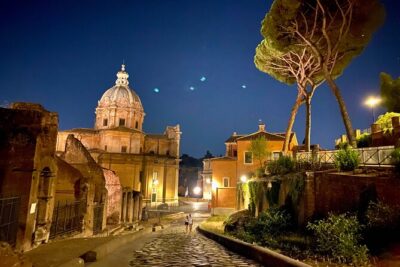
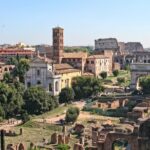
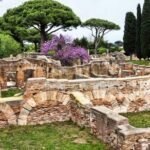
After the Colosseum, you head into the Forum—Rome’s political and social heart. This is where the tour earns its time. The Forum can feel like a pile of ruins if you visit without context. With a guide, the space starts behaving like a city in motion.
You’ll see key stops that explain that daily rhythm:
- the Temple of Romulus
- the Temple and House of the Vestals
- Julius Caesar’s Temple
- the Senate House
The guide connects these places to how power and routine worked together. You’re not just learning names—you’re learning what the Forum functioned as in everyday Roman life: a place for civic drama, formal government, and public attention all at once.
You’ll also get a route that moves you through the Forum in a logical flow instead of wandering. That matters because the Forum is easy to get lost in visually. A guided visit keeps you pointed at the right features while the city noise fades into something you can understand.
Palatine Hill, Imperial Palaces, and the Steps That Come With It
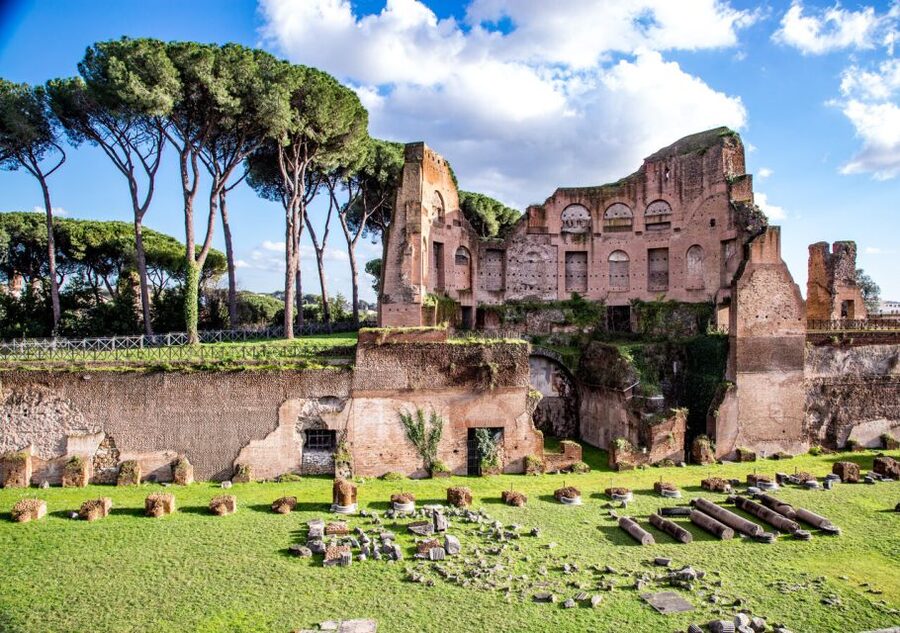
Palatine Hill is where Rome gets personal. You climb into the area of the emperors’ residences, and the ruins give you a sense of scale and status. Standing among the remains of the palaces on Palatine Hill helps you understand why Romans treated this hill like a symbol of rule, not just high ground.
On this tour, you also get standout sights along the way, including Circus Maximus and the Stadium of Domitian. Then you move toward the Farnese Aviaries area to see the Forum laid out below.
The big reality check here is physical: the steps can be a lot at the beginning. One of the most helpful things I can tell you is to expect it, not to fight it. Wear shoes you’d trust on uneven stone, and pace yourself as you start up. After you get through the uphill effort, you’ll find the rest of the route trends more downhill through the major sites.
If you’re traveling with teens or history-minded kids, Palatine Hill tends to land well because it mixes views with story. If you’re mobility-limited, consider whether stairs on Palatine Hill fit your plan.
How the 3 to 3.5 Hours Feel on the Ground
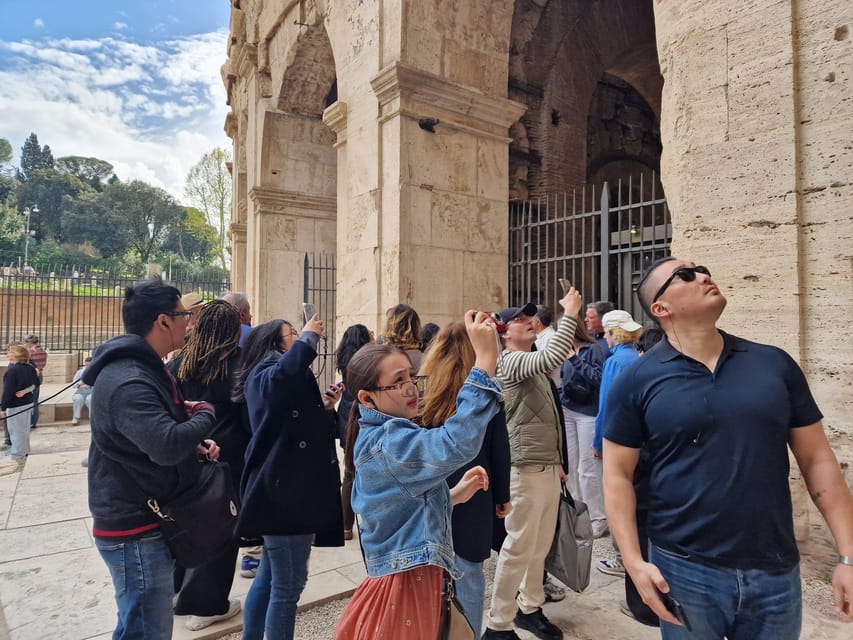
This tour runs about 3 to 3.5 hours, so it’s not a slow museum stroll. It’s an efficient, sight-focused walk where the guide keeps pulling you from one “what you’re seeing” moment to the next.
Two details make that smoother:
- Headsets when needed, which helps you hear the guide in busy areas.
- A route that is designed to keep you moving, including ways to reduce how long you sit waiting.
Group size can also affect your experience. Some small-group departures have been described as around 11 people, which typically means easier navigation and less shoulder-to-shoulder crowding. Even if your group is larger, the structure is still meant to keep you moving and seeing.
Timing matters too. Tours depart promptly at the scheduled time. If you’re even a few minutes late, you can miss the start and that hurts the whole flow—especially with a route that goes from Colosseum to Forum and Palatine.
There’s one route variation to know: depending on your start time, the tour may begin at the Forum/Palatine Hill and end with the Colosseum. Same core experience, different order.
Where to Aim Your Photos in the Colosseum
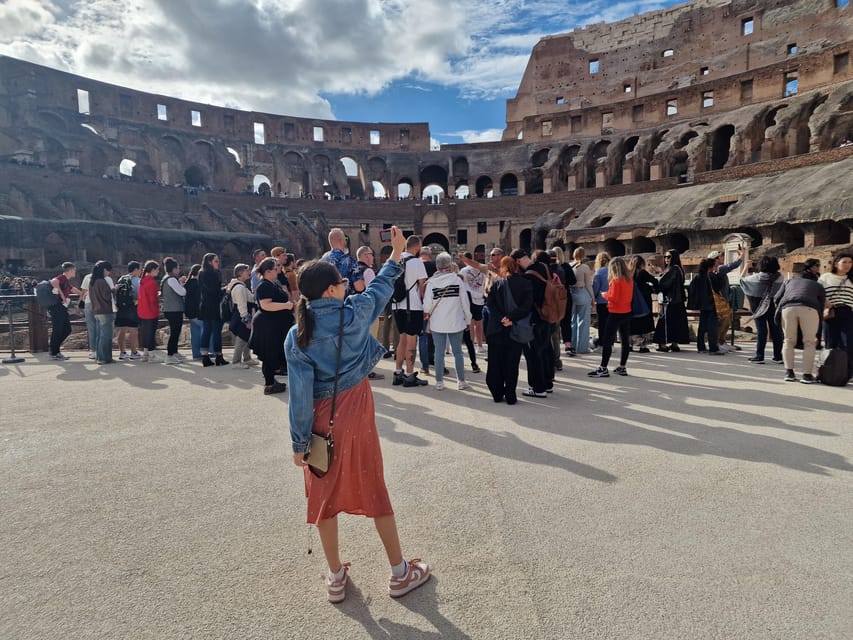
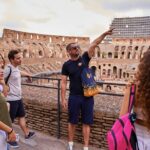
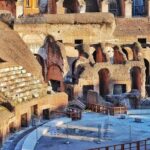
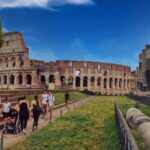
The Colosseum is full of angles, but not all of them help you grasp scale. Part of the value here is that the guide shares photo timing and locations—especially from spectator viewpoints. When you can see where seats would have been and then look back down toward the arena, the whole monument makes sense visually.
You’ll also have the “mechanics” moments that are hard to fake with camera tricks: the gladiator gates walk-through and the reconstructed arena floor stand. Those are the frames that make this tour feel different from a typical Colosseum visit.
If you care about photos, build a little flexibility into your pace. The best shots usually come when the group pauses long enough for you to step into the right spot. The guide-led rhythm is designed to create those pauses without derailing the schedule.
Price and Value: Is $94 Worth It?
At $94 per person, you’re paying for three things you’d struggle to combine on your own:
- Arena-area access that goes beyond the standard Colosseum ticket experience.
- Guided interpretation that links the stadium to the Forum and Palatine Hill so you leave with understanding.
- Time savings, including skipping the ticket line and using headsets when needed.
The entry ticket portion is included: admission to the Colosseum, Roman Forum, and Palatine Hill (€24), plus the guided tour. Food and drinks and roundtrip transportation are not included, so you’ll still want to plan a simple snack strategy before or after.
Is it the cheapest Colosseum option? No. But it’s also not paying extra just for convenience. You’re paying for access depth and for a guided route that ties together the main ancient power sites in one go.
If your goal is to see the Colosseum and then just check a few Forum highlights, you might feel overcharged. If your goal is to come away understanding how the games, emperors, and civic life connected, the price starts to make sense quickly.
Meeting Point, IDs, and the Colosseum Security Reality
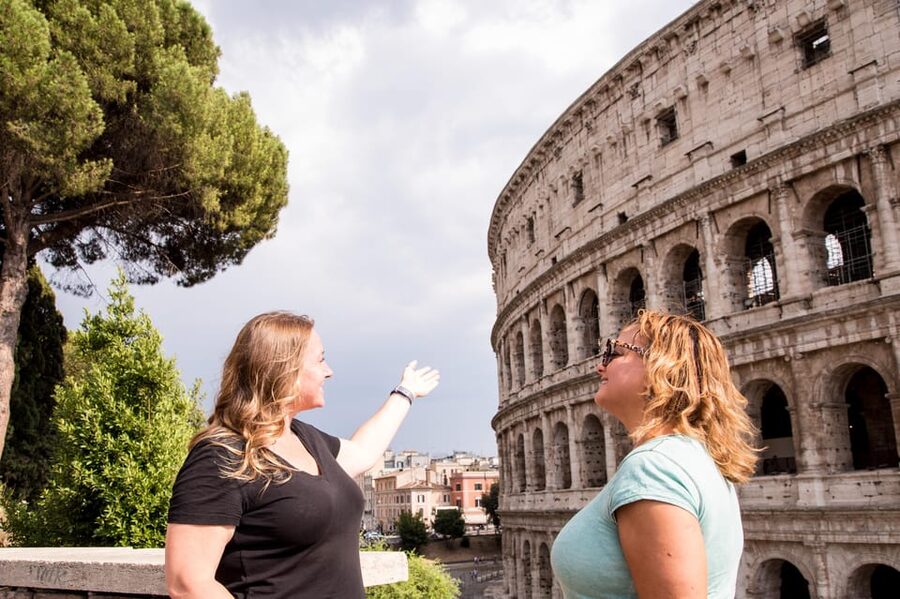
This tour is run by Roman Vacations, and you meet at their office at Via dei SS. Quattro, 81. Look for the white flag with the lion head.
Bring:
- your passport or ID card
- comfortable shoes
- sun hat, sunscreen
- umbrella and rain gear if weather turns
- a reusable water bottle
Also, keep your paperwork matching your booking. All participants must bring IDs that match the names provided during checkout. It’s a small detail that can cause a big headache at security.
Speaking of security: you should expect checks when entering the Colosseum. Weapons, sharp objects, glass objects, and aerosol containers can be confiscated. Avoid bringing anything that could slow the process.
One more practical tip: this tour goes in weather unless authorities close the site for safety reasons. So pack for Rome’s mood swings—heat one minute, rain the next.
Tour Style: What the Guides Seem to Get Right
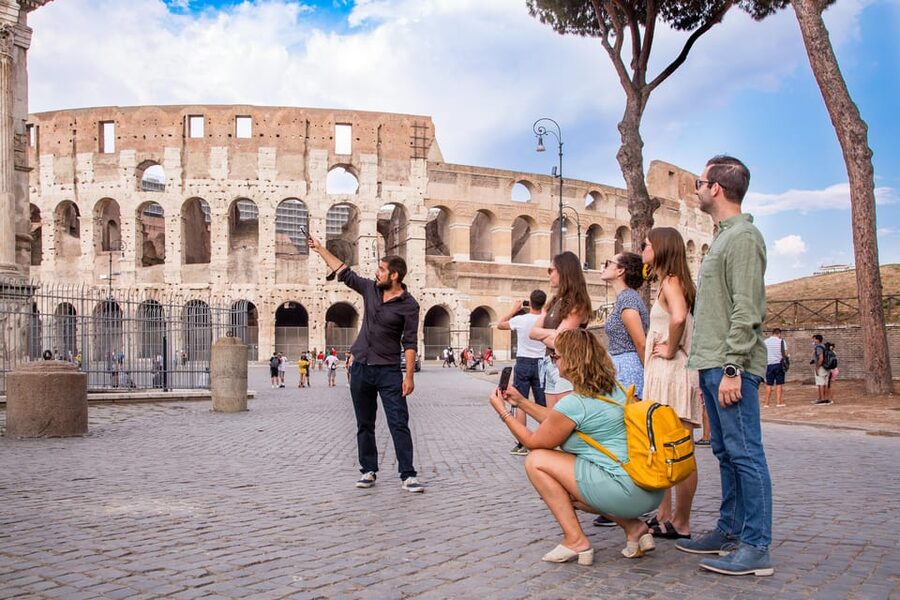
The guides drive the quality on this one. In particular, the tour experience tends to hit better when the guide is managing heat, pacing, and story delivery.
You can expect the guide to:
- explain what you’re looking at in a way that keeps momentum going
- point out photo opportunities without making you guess
- time comfort stops, including restroom breaks and water pauses
- try to keep the group out of harsh sun when possible
Some departures have included guides who also help families stay engaged, including teens and preteens. If you want the history without the lecture tone, this tour structure is built for that.
Should you book this Colosseum Arena Floor and Ancient Rome Tour?
Book it if:
- you want more than a standard Colosseum visit
- you care about the Forum and Palatine Hill but don’t want to figure them out alone
- you prefer a guide-led route with clear photo and viewing moments
Skip it or reconsider if:
- you have limited tolerance for steps, especially early on Palatine Hill
- you’d rather spend the money on a flexible self-guided day
- you want food and drinks included, because you’ll be planning that separately
If your ideal Rome day is one with big places, clear context, and the kind of access that changes how history feels, this is a strong match for your shortlist. The arena floor piece is the headline, but the Forum and Palatine stops are what make it stick in your memory.