REVIEW · SAVANNAH
Savannah: African American History Tour
Book on GetYourGuide →Operated by Kelly Tours - Gray Line Savannah · Bookable on GetYourGuide
Savannah looks different after this tour. I love Sister Pat for the way she tells the truth with heart, and I love the River Street to Johnson Square storyline that connects warehouses, cotton exports, and the realities of enslaved people. One heads-up: the tour includes several long stops where you may be standing for a while, so don’t plan on breezing through in sneakers with short attention spans.
This is a 3-hour, bus-based history experience with live narration in English, then on-foot time at major landmarks. You’ll move through some of the most recognizable parts of the historic district, but you’ll be looking at them like a clue trail instead of a photo stop.
You’ll also see faith and community in action at places like the Green-Meldrim House and the Second African Baptist Church, with guidance that’s focused on the journey from slavery to freedom, plus the lasting legacy that shows up in symbols and stories around town. If you prefer only a tight timeline and zero discussion of present-day impact, plan accordingly.
In This Review
- Key Things That Make This Tour Worth Your Time
- Savannah’s African American History, Told Through Real Locations
- The Van Ride + Stops: How the Flow Works in 3 Hours
- River Street: Warehouses, Cotton, and Forced Labor in Plain Sight
- Taylor Square and Franklin Square: Why City Squares Matter
- Johnson Square: The Auction Ground You Can’t Unsee
- Green-Meldrim House: When Wealth Has a Source
- Second African Baptist Church: Faith, Community, and Survival
- “Truth-Telling” Is the Point: How the Guide Shapes the Experience
- Price and Value: $68 for a 3-Hour History Story
- Who This Tour Fits Best (and Who Might Want to Think Twice)
- Should You Book This Savannah African American History Tour?
- FAQ
- FAQ
- How long is the Savannah African American History tour?
- How much does the tour cost?
- What is included in the tour?
- Is the narration in English?
- What important sites will the tour include?
- What should I bring?
- Are there any restrictions on the tour?
- Is this tour suitable for people with mobility impairments?
- Can I cancel for a refund?
- Is there a reserve and pay later option?
Key Things That Make This Tour Worth Your Time
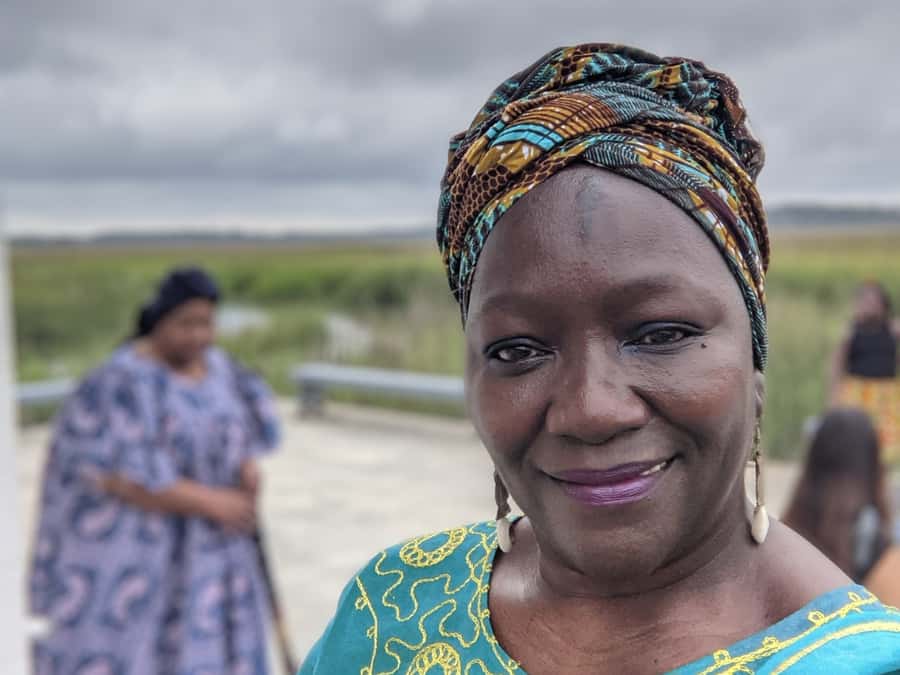
- Storytelling that centers people, not just dates, with narration praised as honest and emotionally grounded
- River Street explained like a working system, including slave labor tied to warehouses and cotton shipping
- Johnson Square framed around auctions, so the words on maps become real-life cruelty
- Faith landmarks included, with a stop at the Second African Baptist Church that adds context beyond politics
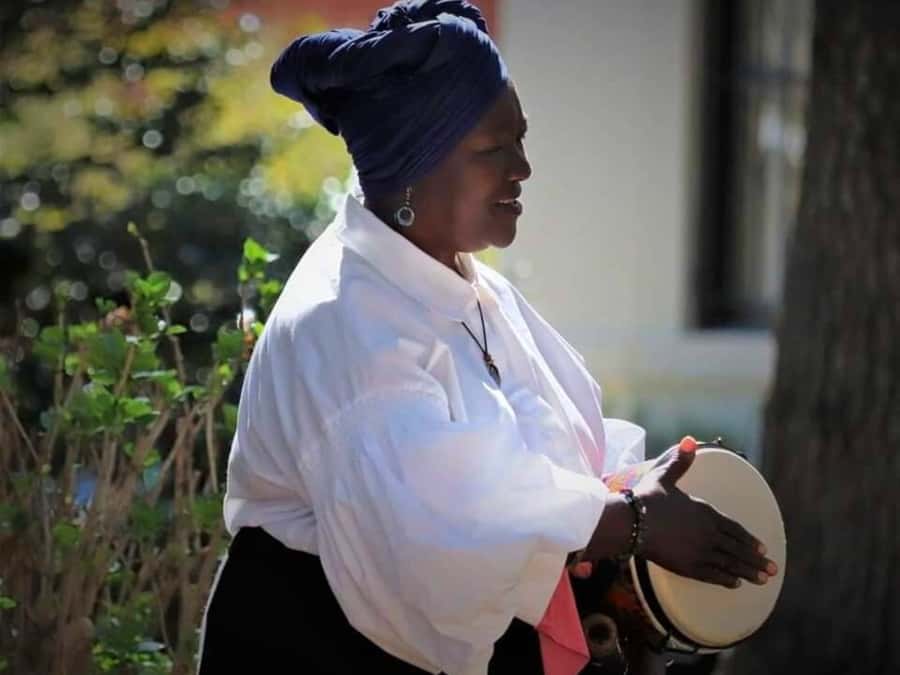
- Music, visuals, and performance elements, which help heavy material land in a human way
Savannah’s African American History, Told Through Real Locations
The best way to describe this tour is that it changes your eyes. In Savannah, you can walk past historic buildings for years without realizing what they were doing to people at the time. This experience flips the lens: you keep seeing the architecture, but you also see the labor system that made it possible.
The tour is built for a 3-hour format, which matters. Too many history tours in big cities try to cram in everything and end up feeling like rushed lectures. Here, the guiding style slows you down at key places, so you can connect the dots between slavery, commerce, and freedom in one coherent route.
What I especially appreciate is the way the guide blends facts with emotional context. Sister Pat (and the supportive presence noted in some groups from Sister Roz) isn’t just reading history off a sign. The narration is designed to make you understand what it meant for families to be torn apart, and how wealth and institutions kept moving long after emancipation.
You can also read our reviews of more historical tours in Savannah


The Van Ride + Stops: How the Flow Works in 3 Hours
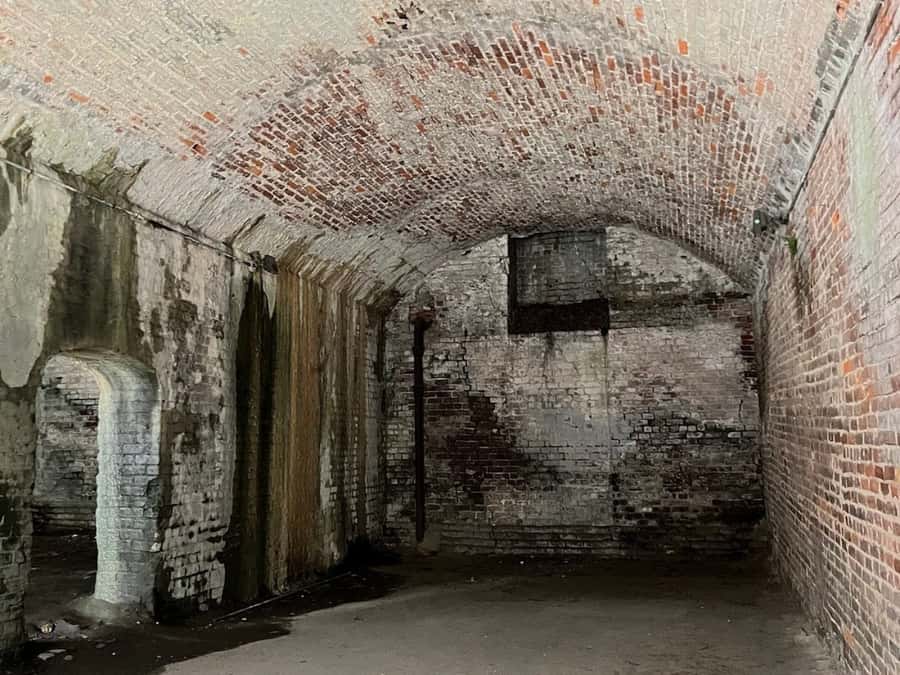
You’re not stuck walking nonstop. This is a bus tour with live narration, and you’ll get dropped off at major points in Savannah’s historic core. That structure is a practical win: you can cover distance without turning the whole day into a leg workout.
That said, the tour isn’t a quick drive-by either. One important consideration: even when the total walking distance is limited, the group often spends time at each stop. In at least one recent experience, people reported standing for long stretches at points of interest. So bring comfortable shoes and expect “stand and listen” moments.
The vibe is focused and serious. The tour includes rules like no alcohol or drugs, which fits the subject matter and keeps the atmosphere respectful. Bring water, plan for the weather, and wear clothes that can handle Savannah conditions (hot, humid, or breezy can all happen in different parts of the day). If you’re the type who needs shade, consider sunglasses and take breaks when your guide signals movement.
River Street: Warehouses, Cotton, and Forced Labor in Plain Sight
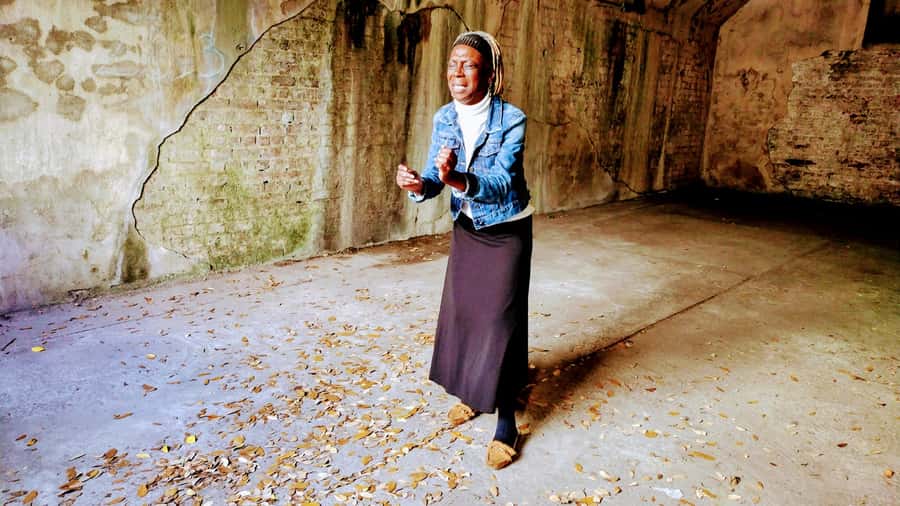
River Street is one of Savannah’s most photographed areas, and it can be easy to treat it like scenery. This tour refuses to let you do that. The narration connects River Street to the mechanics of enslavement: enslaved Africans used as slave labor to build the warehouses along the waterfront.
The guide also talks about the people behind the system, including references to West African tribes whose people were routed to Savannah and then forced into labor. You get a framework for how human lives became part of a supply chain.
A particularly eye-opening part is the explanation of cotton shipment activity, including where cotton was exported to the United Kingdom. That detail matters because it shows this wasn’t only local cruelty. It was international commerce—an economic engine that depended on family separation and coercion.
You’ll also hear about storages that resemble old “slaveholding bins.” Even if you’ve seen similar descriptions in books, seeing how the waterfront is organized makes the history feel less abstract. In other words: the building layout becomes part of the story.
Taylor Square and Franklin Square: Why City Squares Matter
Savannah’s squares look peaceful today. That’s what makes this part hit hard. Taylor Square and Franklin Square aren’t presented as postcard landmarks. They’re part of the city’s memory map—places where decisions were made, and where social power showed itself in public spaces.
These stops help you understand how urban planning can reinforce authority. Squares aren’t just empty greenery; they’re stages. The narration uses the squares to connect slavery-era life with the way the city functioned socially and politically.
One review also mentions discussion of Native American influence in how Savannah’s built environment took shape. If that comes up in your guide’s route, it’s a useful reminder that Savannah’s history is tangled. It isn’t a single straight line of one group’s story. It’s overlapping systems, and the guide tends to highlight that complexity without losing the main focus: African American history under slavery and toward freedom.
Johnson Square: The Auction Ground You Can’t Unsee
If River Street explains the system of labor and trade, Johnson Square brings you to the moment where people were treated like merchandise.
The tour includes the spot where enslaved people were auctioned off in Johnson Square. Hearing it as you stand near the historic site changes the tone completely. You stop thinking about slavery as something that happened “somewhere else” and start thinking about it as something the city practiced in public.
This is one of the most highly praised components in the overall experience because the guide doesn’t soften it with vague wording. Instead, the narration aims for clarity: the auction concept, the family impacts, and the cruelty embedded in how commerce worked.
Plan for this stop. It’s not a place for multitasking. If you want photos, take them quickly, then give the guide your full attention for the narration portion.



Green-Meldrim House: When Wealth Has a Source
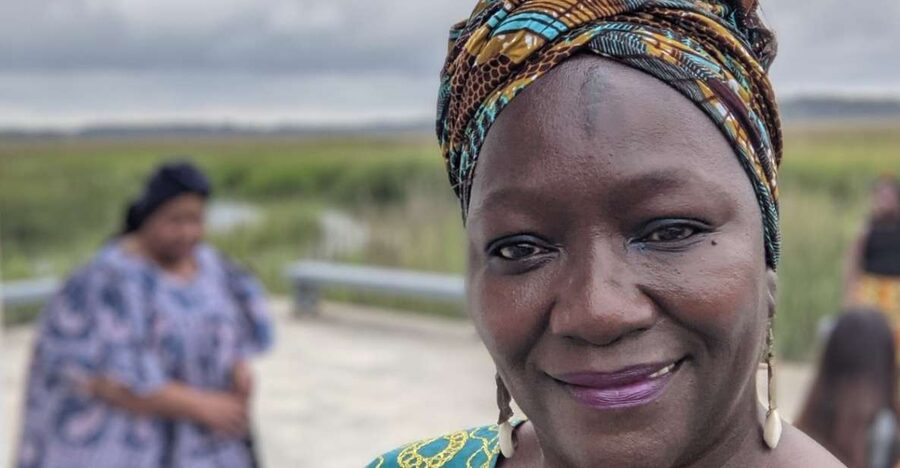
The Green-Meldrim House stop adds a different angle: what the system produced. Houses like this aren’t presented just as beautiful structures. The guide uses the location to talk about how wealth and status were tied to forced labor and the profits flowing out of the port.
This is where the tour helps you make a connection you might otherwise miss. Savannah’s charm often makes it easy to separate “old money” from “old harm.” The narration knits those pieces together so the house becomes a clue for where resources came from.
You also get a sense of how long it takes for a city to process its past. Buildings stay. People don’t. That contrast is a big part of why this stop feels so meaningful.
Second African Baptist Church: Faith, Community, and Survival
One of the strongest reasons to choose this tour is that it doesn’t end at slavery. It includes the Second African Baptist Church, so you can see faith and community as part of survival and the long road toward freedom.
This stop helps the story widen. Emancipation wasn’t just a legal event. It required community building, collective resilience, and institutions that could hold people together when the world still tried to pull them apart.
Some narration also connects the history to symbols in brick and ironwork linked to Gullah culture. That kind of detail matters because it shows how culture can survive even under extreme violence. You’re not only learning what happened; you’re noticing what remains.
And in at least some groups, the tour includes music, pictures, and a small performance element, which helps you feel the humanity behind the timeline. One reviewer also suggested the tour could go longer or add more church time, which tells you how strong the church-and-community component can be.
“Truth-Telling” Is the Point: How the Guide Shapes the Experience
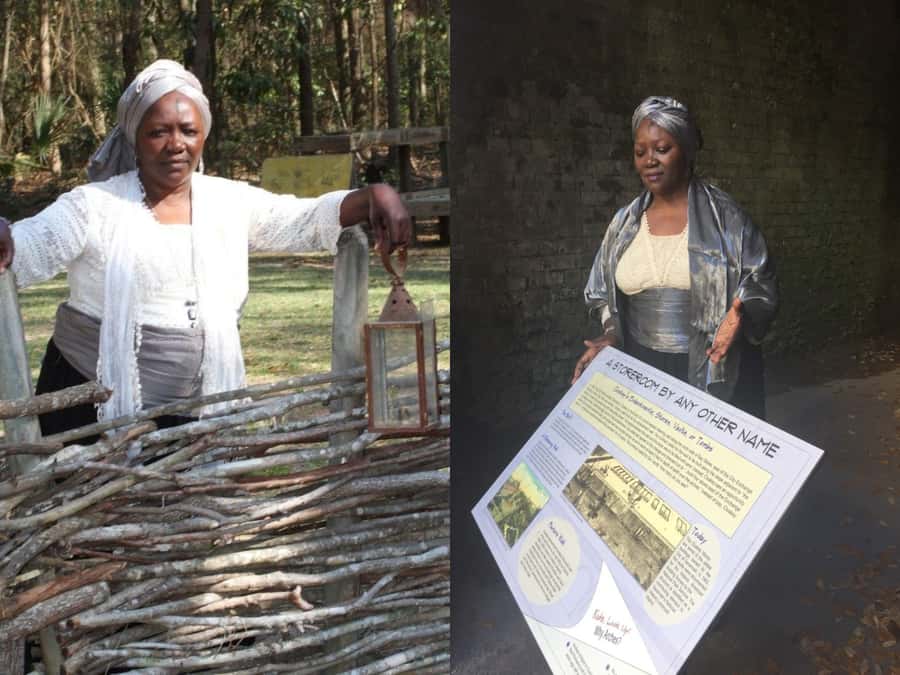
Sister Pat is repeatedly credited as a standout. The common thread in the praise is not just that she knows facts. It’s that she brings truth and context, with clarity and passion, and encourages open-minded reflection.
In practical terms, that means you’re likely to hear not only what happened during slavery, but also how outcomes ripple forward. One reviewer noted a desire for more focus on history instead of present-day emphasis on descendants. That’s a good consideration if you want a strictly chronological approach. The tour seems designed to connect past and present, including ideas around healing and reconciliation.
Another review notes the tour encourages people to think about truth and reconciliation, and even generational wealth. When the guide explains how wealth moved through insurance, banks, and port authority, you start to understand why some histories stick around in institutions long after slavery officially ended.
This approach can be emotionally intense. It’s meant to be. If you’re sensitive to heavy topics, consider giving yourself a mental buffer afterward: a meal, a calm walk, maybe a stop somewhere quiet to reset.
Price and Value: $68 for a 3-Hour History Story
At $68 per person for about 3 hours, this isn’t a bargain bus loop. But it’s also not overpriced for what you’re getting.
Here’s why I think it holds value:
- You’re paying for live narration and a guide style that’s repeatedly described as powerful, clear, and invested
- You get multiple major historic stops tied to slavery, trade, and public auction history
- The tour includes bus transport, which saves time and energy in a city where walking can add up fast
- The route focuses on African American history from slavery to freedom, not just surface-level landmark viewing
In other words, the cost feels tied to the quality of interpretation, not just transportation. If you’re someone who can handle strong topics and wants more meaning from historic sites, this price starts to make sense quickly.
Who This Tour Fits Best (and Who Might Want to Think Twice)
This tour is a great fit if you want:
- A guided, honest explanation of Savannah’s slavery-era port activity and public spaces
- Stops connected by theme, like a story of commerce, coercion, and survival
- Time spent on context, not only photos and trivia
- A mix of landmarks plus human-centered narration
It’s less ideal if:
- You have mobility limitations, because it’s listed as not suitable for people with mobility impairments
- You need a fully seated or very low-stand experience, because some stops involve staying in one place for a long time
- You prefer only strict chronology and may feel uncomfortable when the guide ties past to present-day legacy
Should You Book This Savannah African American History Tour?
I’d book it if your goal is to understand Savannah beyond its pretty facades. The tour focuses on specific places that connect trade, slavery, and auctions, plus it includes faith and community at the Second African Baptist Church. The repeated praise for Sister Pat’s truth-telling style is exactly what you want if you’re looking for real context and emotional clarity.
I would think twice only if standing time is a deal-breaker for you, or if you want the discussion kept strictly to dated events with no bridge to descendants and legacy. Otherwise, this is the kind of tour that makes a city feel honest again.
FAQ
FAQ
How long is the Savannah African American History tour?
It lasts 3 hours.
How much does the tour cost?
The price is $68 per person.
What is included in the tour?
You get a bus tour, a tour guide, and live narration.
Is the narration in English?
Yes, the tour guide provides live narration in English.
What important sites will the tour include?
The tour highlights include River Street, Taylor Square, Franklin Square, Johnson Square, the Green-Meldrim House, and the Second African Baptist Church.
What should I bring?
Bring comfortable shoes, sunglasses, sunscreen, water, and comfortable clothes that fit the weather.
Are there any restrictions on the tour?
Alcohol and drugs are not allowed.
Is this tour suitable for people with mobility impairments?
No, it is not suitable for people with mobility impairments.
Can I cancel for a refund?
Yes. You can cancel up to 24 hours in advance for a full refund.
Is there a reserve and pay later option?
Yes. You can reserve your spot and pay nothing today.

![[All Inclusive] The Soul of Bali: Temples, Art & Traditions Tour - Elephant Cave (Goa Gajah): old stone, sacred setting, and a clear guide](https://l.historytourer.com/wp-content/uploads/all-inclusive-the-soul-of-bali-temples-art-traditions-tour-400x267.jpg)