REVIEW · TULSA
Tulsa History Tour with Oil Baron’s Tunnel
Book on Viator →Operated by Tulsa Tours · Bookable on Viator
Tulsa has a way of storing stories in plain sight, then hiding the best ones underground. This 90-minute history tour threads you through downtown landmarks built during the oil boom, with one big payoff: access to the Oil Barons Tunnel at the Philtower. I like that it mixes indoors-and-warm building stops with real architectural details you’d normally miss, and I also like the pace, which keeps the group moving without rushing.
One thing to consider: the tunnel experience is guided access, but the tunnels themselves aren’t presented as strictly private-only. In other words, you might find some areas readable or visitable on your own, while the tour value is getting the story, the route, and the context.
In This Review
- Key highlights worth your time
- A 90-minute Tulsa history tour that makes the city feel connected
- Stop 1 at 320 South Boston Building: Tulsa’s oil money shows up in the vault story
- Stop 2 at the Kennedy Building: a marbled lobby break with a quirky statue
- Stop 3 at Mid-Continent Tower: the first skyscraper chapter
- Stop 4 at Atlas Life Building: where insurance fits into oil-country growth
- Stop 5 at the Philtower: Waite Phillips’ Neo-Gothic lobby and the guided tunnel
- Price, group size, and why $40 feels fair for this format
- What the guides do well (and why it matters inside buildings)
- A realistic way to think about the tunnel: not private, but still a story-led route
- Best for who? Choose this tour if you want Tulsa to make sense
- Should you book Tulsa’s History Tour with Oil Baron’s Tunnel?
- FAQ
- Where does the tour start and end?
- How long is the Tulsa History Tour with Oil Baron’s Tunnel?
- What does it cost?
- Is tunnel access included, or do I pay extra?
- Are photos allowed inside the buildings?
- What should I know about cancellations and weather?
Key highlights worth your time
- Waite Phillips’ personal tunnel at the Philtower is the main event, with guided entry you won’t piece together easily alone
- A tight 5-stop downtown route focused on banks, skyscraper-era architecture, and the oil-money ecosystem
- Mostly indoor stops that help when Tulsa weather turns windy or cold
- Small group size (max 10 people) for clearer instructions and a more personal feel
- Guide-led storytelling praised for being both clear and funny, including named guides like Jeffrey and Dennis
- A possible skip at the Kennedy Building (Regus) depending on the version of the tour
A 90-minute Tulsa history tour that makes the city feel connected
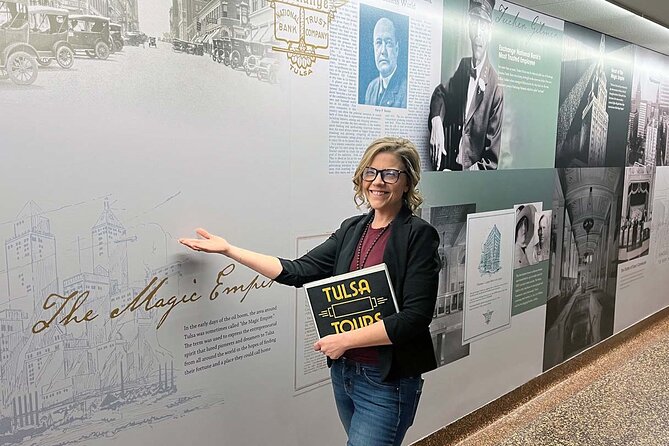
This is the kind of tour that helps you see how downtown Tulsa got built, and why certain buildings exist in the first place. You start at a major downtown hotel and walk a short distance between stops, mostly stepping into lobbies and interiors where you can actually look at stonework, layout, and design choices tied to the oil era.
The tour is priced at $40 per person and runs about 1 hour 30 minutes. That price makes sense when you remember the big ticket item: tunnel access fees are handled as part of the tour, not something you’re left scrambling to figure out. You get a guide, plus admission access at each stop where needed, with a lightweight pace that works well if you want something structured without burning an entire day.
Stop 1 at 320 South Boston Building: Tulsa’s oil money shows up in the vault story
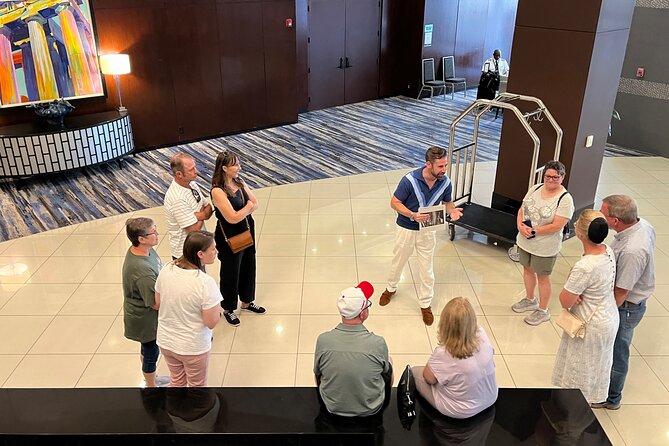
Your tour begins at 320 South Boston Building at 320 S Boston Ave (listed as the start point for the block-wide bank experience). This one is built to show how fortunes changed fast. You’ll explore outside and inside this bank structure that grew in multiple stages, and the tour’s focus is on how the bank and its vaults expanded as Tulsa’s oil boom surged during the 1920s.
Why this stop works: banks are where money shows its habits. When oil wealth poured in, the architecture and the security mindset had to scale up, and you get the visual “before and after” feeling—without needing a museum ticket and without a textbook lecture.
A practical caution: there are no photos inside this building. If you like to capture every angle, plan to take your pictures around the exterior and then leave your camera away once you step in.
Stop 2 at the Kennedy Building: a marbled lobby break with a quirky statue
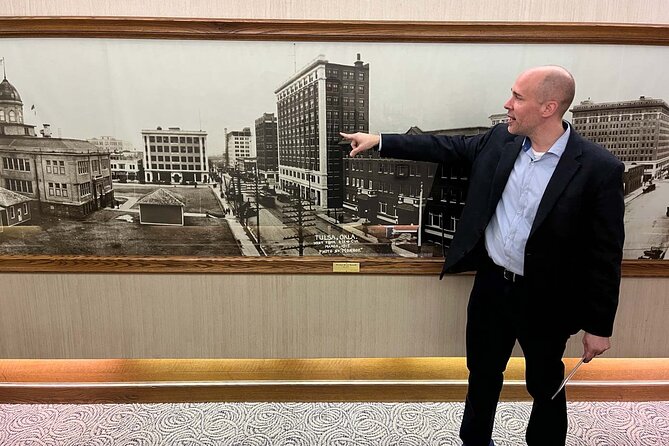
Next you head to Regus – Tulsa – Kennedy Building, where the main draw is the lobby. Expect marbled finishes and a quirky lifelike statue of a businessman. It’s short and easy, and it fits the tour’s overall theme: oil money didn’t just build companies, it built tastes and symbols of status.
Here’s the only catch: some versions of the tour may bypass this stop, described as non-essential. If this is the one you’re most curious about, you’ll want to go into the day expecting that routes can vary slightly.
Even if it gets skipped, the tour still maintains a clear storyline: money, institutions, and the downtown skyline’s early power centers.
Stop 3 at Mid-Continent Tower: the first skyscraper chapter
At Mid-Continent Tower, the tour points you toward Tulsa’s first skyscraper. You’re told about it through the lens of a colorful oil baron whose name may feel surprisingly unfamiliar if you only know the biggest headlines from U.S. oil history.
This stop is worth it because it helps you connect dots between wealth and ambition. Tall buildings are never just practical. They’re branding. They say: we’re here to stay, and we’re wealthy enough to build upward even if the world thinks we’re taking a gamble.
Timing is tight—about 10 minutes—so you won’t feel like you’re stuck waiting for a lecture. You’ll get the key story beats and the design context, then move on.
Stop 4 at Atlas Life Building: where insurance fits into oil-country growth
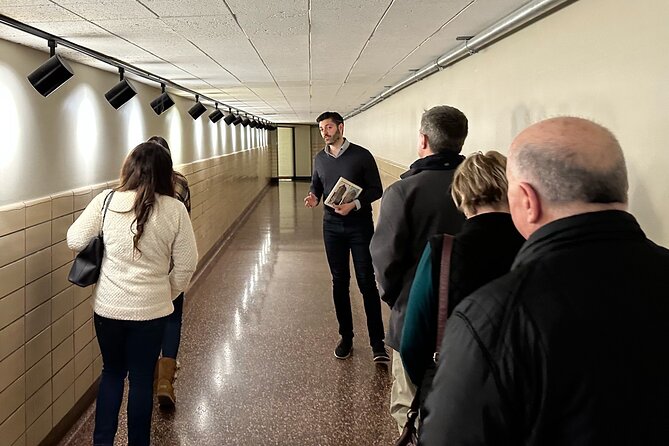
A smaller stop follows at Atlas Life Building. This one is brief—around 5 minutes—but it adds an important missing piece. The focus is on Tulsa’s first life insurance company.
Why include insurance in a tour about oil barons and skyscrapers? Because it shows how boomtown money turns into long-term planning. When people build companies and towers, they also build the services that help families deal with risk. Insurance is one of those quiet institutions that makes the whole economic ecosystem feel sturdier.
If you like tours that don’t just name-drop oil power but explain the supporting cast, you’ll appreciate this stop.
Stop 5 at the Philtower: Waite Phillips’ Neo-Gothic lobby and the guided tunnel
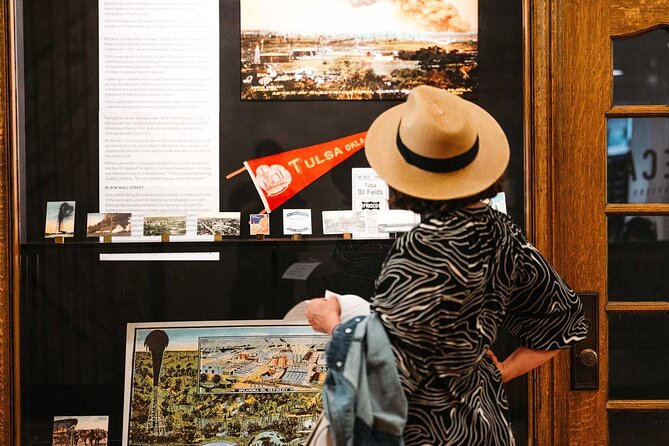
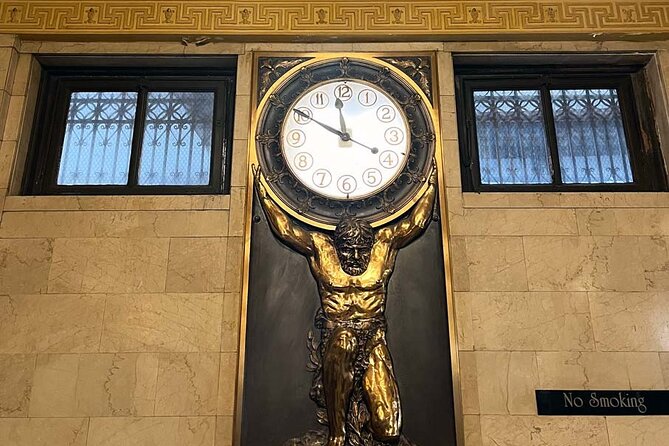
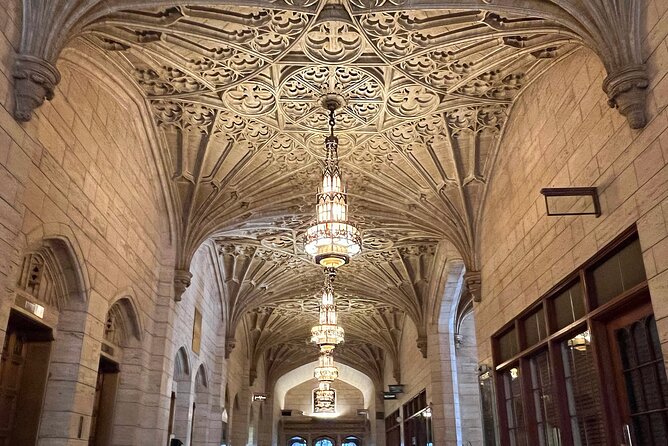
The finale is where your attention should be fully on—Philtower, at 427 S Boston Ave. Here the tour shifts from exterior-adjacent storytelling to a more dramatic experience: the story of oilman Waite Phillips, the Neo-Gothic lobby, and then the main event, entry into his personal tunnel.
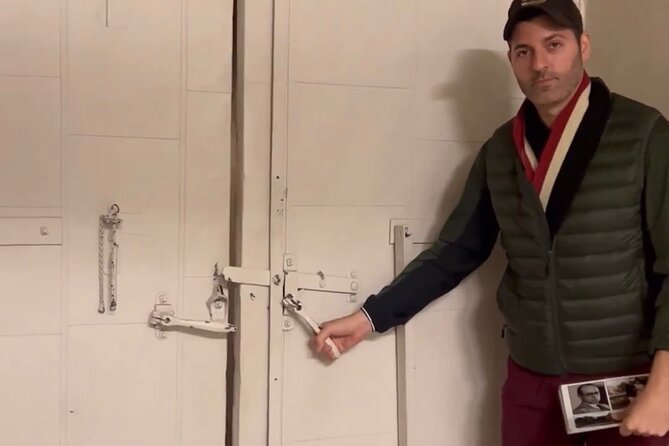
What makes this worth the money is the tunnel part. Even if you’re curious about Tulsa underground spaces, you’re unlikely to figure out the best route, the timing, or the context without guidance. The tour gives you tunnel access tied to the property owners, and you get a guided explanation that connects Phillips to the broader Tulsa oil era rather than treating the tunnel as a standalone curiosity.
The tour design also helps here. You’re finishing after several architecture stops, so by the time you enter the Philtower tunnel section, you’re primed to think in patterns: wealth, buildings, institutions, and private infrastructure that made life and business easier behind the scenes.
Also note: the Philtower is listed as both the end location and the stop address used for the meeting logistics, which means you’re not stuck searching after the tour wraps.
Price, group size, and why $40 feels fair for this format
At $40 per person, this tour sits in that sweet spot between a casual walking tour and a specialized attraction. The key value point isn’t just that you get access—it’s that the tunnel fees are covered. That can be the difference between a tour that’s mostly storytelling and one that includes an experience tied to a specific site.
You’ll also appreciate the small scale. The group max is 10 people, which usually means you get clearer directions and less standing around. The tour is run in English, uses a mobile ticket, and is rated as easy enough for moderate physical fitness. Based on the format (indoors, short walks, and a tunnel visit), it’s best if you’re comfortable moving at a steady pace for about 90 minutes.
One more practical note: this is often booked ahead—on average 11 days in advance—so if you’re visiting during peak seasons, don’t wait until the last minute.
What the guides do well (and why it matters inside buildings)
A lot of tours are good on paper but fall apart when you’re standing inside a lobby with limited space. This one tends to land because the guiding is built for hearing and instruction. The tour experience has been praised for guides who are easy to understand, give clear instructions, and add a little humor to keep things from turning dry.
Names that show up in feedback include Jeffrey and Dennis, both described as friendly, informative, and good at holding attention while moving through multiple stops. If you’ve ever been on a history tour where you miss half the details because the guide talks too fast, this is the kind of tour where pacing and clarity are part of the appeal.
A realistic way to think about the tunnel: not private, but still a story-led route
One piece of feedback is worth taking seriously as you decide. Some people expected strictly private tunnels, but the reality is that the tunnel spaces are not marketed as exclusive private access only. In practice, parts may be open to the public or accompanied by informational materials you can read on your own.
So what’s the value of the guided version? You still get:
- a route that ties together the tour’s downtown history themes
- guided storytelling that connects Phillips and Tulsa’s oil-era institutions
- the convenience of coordinated tunnel access fees being handled for you
If you want a guided experience with a clear narrative thread and a place-specific payoff, you’ll likely feel satisfied. If you’re hoping for an experience where no one else can ever be in the same tunnel segments, you’ll want to adjust expectations.
Best for who? Choose this tour if you want Tulsa to make sense
This is a strong pick if you:
- want a short, structured introduction to downtown Tulsa
- like architecture and the way buildings reveal the habits of an era
- want a tunnel experience that’s more than just walking through dark space
- enjoy guides who explain things clearly and add a little personality
It’s also a good choice if weather is rough. One review theme was escaping wind, and the schedule’s building-heavy format suggests you spend more time indoors than out.
If you’re the type who already knows Tulsa’s oil history in depth and wants only the deepest technical details, you might find the stops move quickly. But for most first-timers, the pacing is a feature, not a bug.
Should you book Tulsa’s History Tour with Oil Baron’s Tunnel?
Book it if you want the easiest way to connect Tulsa’s downtown architecture to the oil boom—and you care about seeing Waite Phillips’ tunnel with a guide. The $40 price feels reasonable because you’re not just buying a story; you’re buying coordinated site access tied to the tunnel location. The small group size, indoor stops, and guide styles praised for clarity and humor also help.
Skip it only if you mainly want a long, research-heavy museum-style experience or you’re specifically chasing exclusive-only access with no public overlap. In that case, you might prefer planning an independent visit and reading on your own. For most people, though, the guided tunnel ending is exactly the kind of Tulsa weird-and-wonderful that makes a short trip feel memorable.
FAQ
Where does the tour start and end?
The tour starts at Hyatt Regency Tulsa Downtown, 100 E 2nd St S, Tulsa, OK 74103. It ends at Philtower Building, 427 S Boston Ave #103, Tulsa, OK 74103 (at 5th Street).
How long is the Tulsa History Tour with Oil Baron’s Tunnel?
The tour runs about 1 hour 30 minutes.
What does it cost?
It costs $40.00 per person.
Is tunnel access included, or do I pay extra?
Tunnel access fees paid to property owners are included, and the guide is included. Tips are not included.
Are photos allowed inside the buildings?
No photos are allowed inside 320 South Boston Building.
What should I know about cancellations and weather?
You can cancel for a full refund if you cancel up to 24 hours before the experience starts. The experience requires good weather, and if it’s canceled due to poor weather, you’ll be offered a different date or a full refund.