REVIEW · HAMBURG
UNESCO World Heritage – Speicherstadt and Kontorhaus district
Book on Viator →Operated by Stattreisen Hamburg e.V. · Bookable on Viator
Two hours in Hamburg, and the buildings talk. This UNESCO walk brings you into the Sprinkenhof courtyards, then points out the Chilehaus details that make the whole Kontorhaus district feel alive. I also like how the tour focuses on real architectural features you can actually spot on the street, plus the chance to see 1920s office staircases (but only on weekdays). One heads-up: the outdoor sound can be tough, so if you rely on hearing every word, plan to step in closer when needed.
You start at Jakobikirchhof 8 and finish at the International Maritime Museum area, with a tight route across the Kontorhaus district. It’s about 2 hours, uses a mobile ticket, and keeps the group to a maximum of 25 people—small enough to stay engaged, but big enough to still feel like a group walk.
The experience works best if you’re the type who likes architecture and city details, not just big monuments. If you’re visiting on a weekday, you’ll get more out of it thanks to access to those staircases.
In This Review
- Key things to know before you go
- Hamburg’s UNESCO Office District: What You Actually See
- Price and Timing: Getting Value at $21.34 for About Two Hours
- Sprinkenhof: Courtyards, Facades, and Those Stairs You Want to See
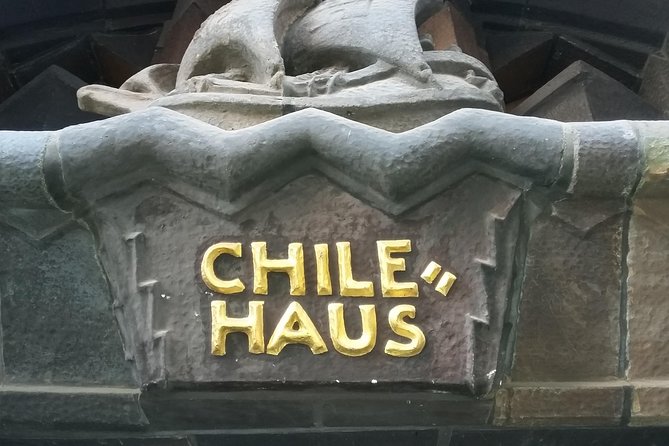
- Chilehaus: Fritz Höger’s Brick Landmark and the Ship-Like “Bug”
- Messberghof: A Round Staircase and the History That Casts a Shadow
- Internationales Maritimes Museum: The Outside Look That Still Makes Sense
- How the Guide Brings 1920s Architecture Down to Earth
- Who This Walk Fits Best (and Who Should Rethink)
- Book It or Skip It: My Take for First-Timers in Hamburg
- FAQ
- How long is the UNESCO Speicherstadt and Kontorhaus district tour?
- Where does the tour start, and what time does it begin?
- How much does the tour cost?
- Are tickets included for the stops?
- Is this tour ticket delivered on your phone?
- Can I see the famous staircases inside the office buildings?
- What is the maximum group size?
- Are service animals allowed?
- What is the cancellation policy for a full refund?
Key things to know before you go
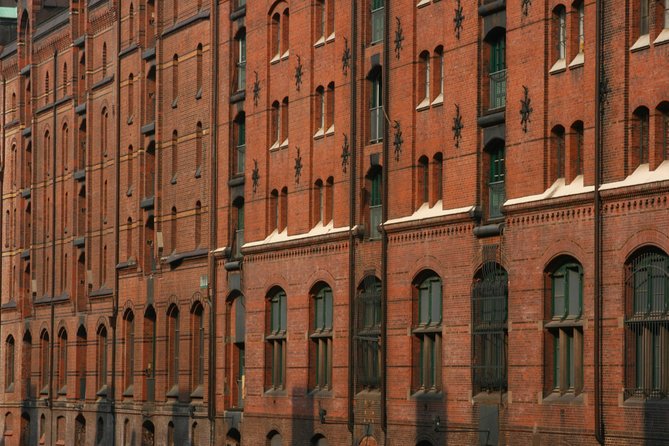
- UNESCO World Heritage focus on Speicherstadt and the Kontorhaus district, in one efficient route
- Sprinkenhof’s courtyards and staircases tied to early 20th-century office life
- Chilehaus by Fritz Höger with the striking brick design and the ship-like “prow” view
- Messberghof’s round staircase plus the district’s darker National Socialism history
- Outside-only stop at the Internationales Maritimes Museum so you keep moving
- Weekday advantage for the best interior staircase viewing of 1920s office buildings
Hamburg’s UNESCO Office District: What You Actually See
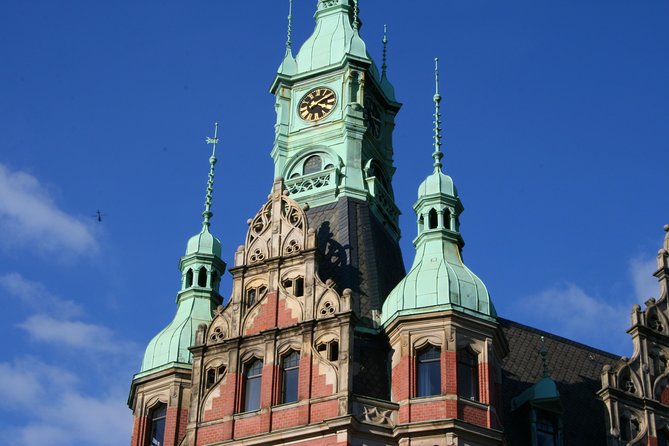
This tour is for people who like cities with bones you can read. Hamburg’s Speicherstadt and Kontorhaus district isn’t just pretty facades—this part of town was built for work, trade, and daily movement, and you can still see the logic in the design.
What I like is the way the walk keeps returning to physical details: courtyards, staircases, and building proportions. You’ll be able to look at a street corner and understand why the buildings are shaped the way they are, not just what they look like from far away.
You’re also not stuck in one spot. The route moves you from one major office landmark to the next, so the city keeps changing as you go.
You can also read our reviews of more historical tours in Hamburg



Price and Timing: Getting Value at $21.34 for About Two Hours
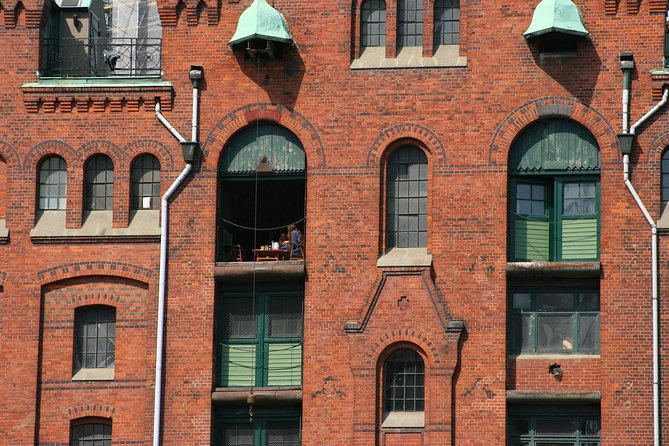
At $21.34 per person for about 2 hours, this is priced like a smart city-walk bargain. You’re not just paying for a stroll—you’re paying for access and interpretation around major Kontorhaus buildings, including free admission tickets at the first three stops.
Timing matters here. The tour starts at 3:00 pm and runs with a set sequence of stops, so show up a few minutes early at the meeting point on Jakobikirchhof. Also, the really fun interior moment—the staircases in 1920s office buildings—is only possible on weekdays, so try to schedule your visit accordingly.
The average booking lead time is about 23 days, which tells me this one fills with planners and architecture fans. If you’re set on a specific date, I’d grab a slot rather than hoping for last-minute availability.
One more small practical note: it’s near public transportation, so you can plug it into an afternoon plan without fighting the city for parking.
Sprinkenhof: Courtyards, Facades, and Those Stairs You Want to See
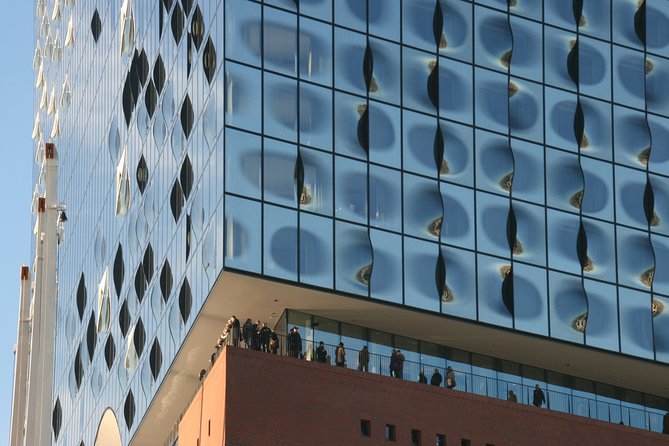
Your first stop is Sprinkenhof, one of the largest office buildings in the area. This is where the “Kontorhaus” idea becomes tangible: you see how office blocks were designed around light, movement, and work flow, not just street visibility.
You’ll spend about 10 minutes here, and you’re focusing on the exterior features—courtyards, staircases, and facades. That combination is key because courtyards explain how these buildings functioned as shared space, while staircases show how people moved vertically through busy workdays.
Sprinkenhof is also where the weekday staircase access matters most. If your day matches the schedule, you’ll get a closer look at the internal staircase design from the early 1920s, and that’s the kind of detail you don’t get from photos.
Potential drawback: if it’s a noisy urban moment, it can be hard to catch every spoken point at street-level. I’d keep your position flexible—if the guide pauses to explain a detail on one side, move in slightly instead of staying glued to the back of the group.
Chilehaus: Fritz Höger’s Brick Landmark and the Ship-Like “Bug”
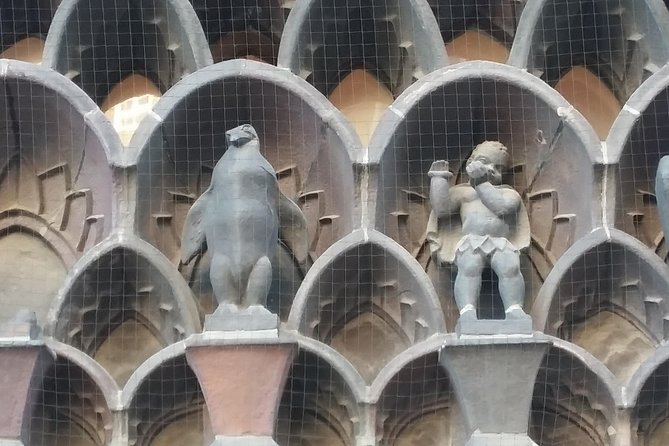
Next comes Chilehaus, and it’s the one many people come for. This is a world-famous Kontorhaus with a striking top, built in brick by Fritz Höger, who earned the nickname Klinkersticker because of the filigree quality of the architecture.
You’ll have about 10 minutes here, and the focus is on how the building’s shape feels dramatic without needing ornaments that don’t match the structure. Höger’s approach is all about precision—brickwork that acts like detailing, not filler.
A great detail to look for during the stop: the building’s ship-like form. In particular, the guide tends to point you toward the prow area—often called the bug—so you can see how the corner geometry turns into a visual story.
Also, Chilehaus is tied to the UNESCO experience beyond the street view. There’s a World Heritage Centre associated with this place, and it’s a useful starting point if you want to keep exploring Hamburg’s heritage on your own after the walk.
Practical tip: if you’re the kind of person who likes to linger, Chilehaus is where you’ll feel the urge. Keep your schedule in mind, because this tour is paced as a walk-through, not a long museum-style visit.
Messberghof: A Round Staircase and the History That Casts a Shadow
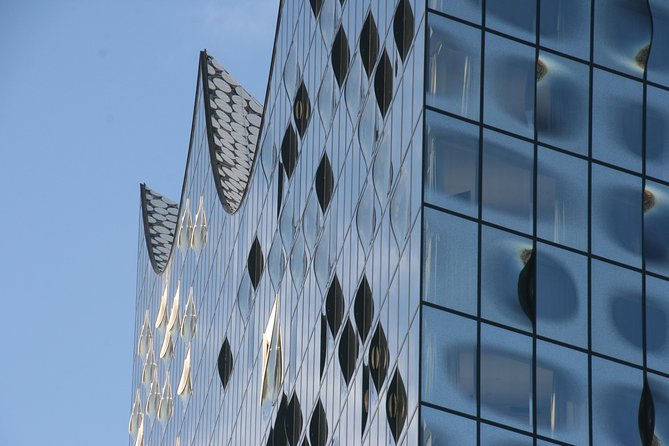
Then you reach Messberghof, another Kontorhaus-style building with a distinct interior feature: a round staircase. You’ll get about 10 minutes here, and the design detail matters because it changes your understanding of these office blocks. Even within strict urban forms, the designers still found ways to make circulation feel intentional.
This stop also brings in a more difficult chapter. Messberghof has a turbulent history during the National Socialism era in Germany, and the tour frames the building in that context rather than treating it like pure architecture.
That balance is one of the reasons I think this walk is worth your time. You’re not only collecting aesthetic impressions—you’re also learning how buildings get used, re-used, and interpreted through different political periods.
Possible consideration: because the tour moves quickly through each landmark, you won’t get a long, deep lecture at Messberghof. If you want more than a short historical snapshot, be ready to do a little follow-up reading afterward.
Internationales Maritimes Museum: The Outside Look That Still Makes Sense
The route ends with a look at the Internationales Maritimes Museum Hamburg from the outside. You’ll only spend about 5 minutes here, and it’s marked as an exterior view stop, so don’t expect entry during this tour.
It helps though, because this is Hamburg connecting themes: maritime trade, the city’s economy, and why these office districts were built where they were. Even without going inside, seeing the museum building at the end gives you a sense of the city’s larger story.
Keep in mind that any museum entry isn’t included. So if you want to go deeper, you can plan it separately once you’ve finished the guided walk.
How the Guide Brings 1920s Architecture Down to Earth
This tour works because it treats the buildings like readable documents. The guiding style tends to focus on city and building history, and also tries to connect the past to the present without getting stuck in slogans.
I also appreciate how the best moments aren’t only about facts; they’re about orientation. The guide can show you how to look at street views using older references—so when you stand in the same place today, the building’s purpose makes more sense.
One guide name that came up in praise is Bruni, and the comments tied her explanations to making the walk feel clear and engaging. That’s the kind of skill you want: explaining architecture without turning it into a distant lecture.
A realism check: a few people flagged audio clarity problems, especially in noisy streets, with no obvious mic support. If you’re sensitive to this, bring your patience and use the group’s movement to your advantage—ask questions during pauses or move closer when the guide points out a detail.
Who This Walk Fits Best (and Who Should Rethink)
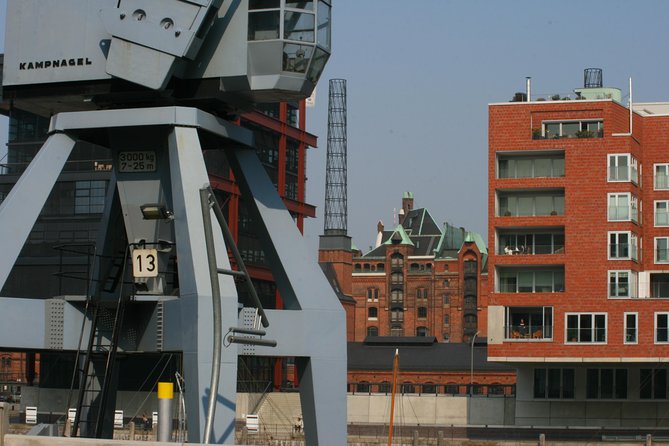
This is a strong fit if you want an architecture-first UNESCO experience. You’ll enjoy it if you like: office-building design, early 20th-century urban planning, and learning how major landmarks connect to wider city history.
It also suits people who like structure. The route is tight: you know where you’ll be next, you have clear stops, and you’re not wandering for long without guidance.
Who might reconsider? If you’re traveling with someone who needs constant quiet to follow spoken information, the outdoor nature of the stops can be a challenge. And if you’re only visiting on a weekend, you may miss the best chance for interior staircase viewing of those 1920s office buildings.
If you’re visiting as a family, it can work too—especially when the guide keeps the pace lively and the group stays manageable. For an architecture-leaning family, staircases and courtyards are far more fun than they sound on paper.
Book It or Skip It: My Take for First-Timers in Hamburg
I’d book this if you want a high-value introduction to the Speicherstadt and Kontorhaus UNESCO story without spending an entire day on multiple tickets. The price is reasonable for what you get—free admission at three major stops, a focused route, and the chance to see interior staircases on weekdays.
I’d think twice if you’re very dependent on crisp audio in crowds, since noisy street corners can make it harder to catch details. Also, if you’re only available on a weekend, plan your expectations so you’re not chasing the staircase moments that require weekdays.
If you’re planning your first Hamburg trip and want a guided way to read the city’s architecture, this is one of the better ways to do it.
FAQ
How long is the UNESCO Speicherstadt and Kontorhaus district tour?
It runs for about 2 hours.
Where does the tour start, and what time does it begin?
It starts at Jakobikirchhof 8, 20095 Hamburg at 3:00 pm and ends at the International Maritime Museum Hamburg, Koreastraße 1, 20457 Hamburg.
How much does the tour cost?
The price is $21.34 per person.
Are tickets included for the stops?
Admission tickets are free for Sprinkenhof, Chilehaus, and Messberghof. The Internationales Maritimes Museum Hamburg is viewed from the outside and its admission is not included.
Is this tour ticket delivered on your phone?
Yes, it uses a mobile ticket.
Can I see the famous staircases inside the office buildings?
The tour includes staircases from 1920s office buildings, but this is only possible on weekdays.
What is the maximum group size?
The tour has a maximum of 25 travelers.
Are service animals allowed?
Yes, service animals are allowed.
What is the cancellation policy for a full refund?
You can cancel up to 24 hours before the start time for a full refund.