REVIEW · MALAYSIA
Walk & Discover KL’s Architectural and Heritage Gems
Book on GetYourGuide →Operated by Hazfa Seri Utama Enterprise · Bookable on GetYourGuide
KL buildings tell stories once you notice them. This tour turns everyday details—façades, tiles, and street design—into an easy, hands-on way to read Kuala Lumpur’s architectural layers. I especially like the way the guide connects what you see to the multi-ethnic history behind the city’s forms, so the walk feels like more than sightseeing.
The second thing I like: you don’t just do the famous stops. You also wander through quieter blocks with shophouses, art installations, and green walkways that show how older and newer KL bump shoulders. One consideration: it’s a walking tour in rain or shine, and you’ll want comfortable shoes since there’s no hotel pickup/drop-off.
In This Review
- Key things to love on this KL architecture walk
- Why this kind of KL architecture walk hits different
- Meeting at Avenue K: the easiest start
- The 3-hour flow: how the route balances icons and side streets
- Stop type: colonial and historic landmarks (what to look for)
- Stop type: shophouses and quieter blocks (why it feels more local)
- Stop type: the Petronas area and modern KL clues
- Price and value: is $74 worth it?
- The guides: what you gain beyond facts
- What’s included (and why it matters on a walk)
- What to bring: keep it comfortable and friction-free
- Who should book this tour—and who might prefer a different one
- Quick tips so you get the most out of the 3 hours
- Should you book this KL architecture-and-heritage walk?
- FAQ
- Where is the meeting point?
- How long is the tour?
- What’s the group size?
- What languages are available?
- What’s included in the price?
- What should I bring?
- Is the tour rain or shine?
- Is hotel pickup provided?
- What’s the cancellation policy?
Key things to love on this KL architecture walk
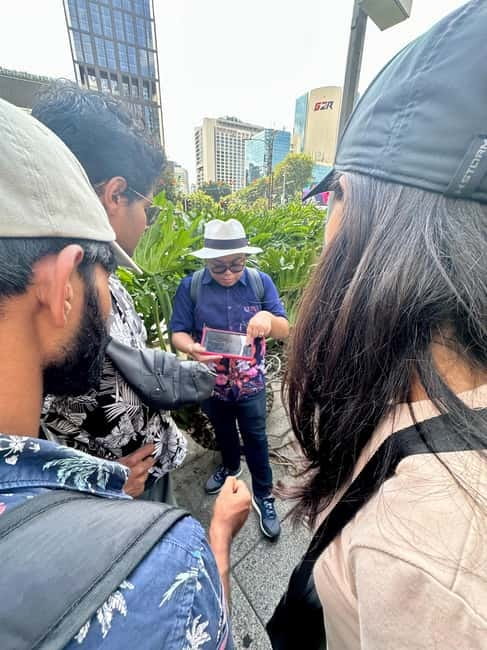
- Small group (up to 6) means your questions don’t get lost
- A specialist architectural/heritage guide keeps the focus on design and preservation
- Meeting at Avenue K (by H&M) makes it easy to find before you start walking
- A mix of big and local KL: Petronas/KLCC and smaller streets with character
- Rain-ready basics included: bottled water plus a rain poncho if needed
Why this kind of KL architecture walk hits different
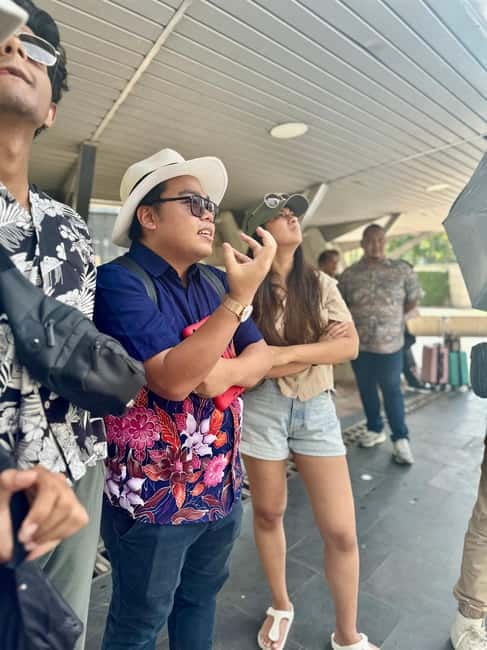
Kuala Lumpur can look like a city of contrasts at street level: glass towers beside older shopfronts, modern murals near cultural tile patterns, and fresh public spaces tucked into older blocks. The trick is knowing what to look for. This tour is built around that skill.
Instead of only giving dates, the guide points out the “why” behind building choices—what a façade suggests, how streets were planned, and how different eras left visible traces. You start to see the city like a layered document, where each layer adds context to the next. That’s why people who are visiting for the first day often feel like they get their bearings fast.
It also helps that the guide is there to answer questions in plain language. If you’ve ever stared at an ornate arcade or wondered what a specific design feature is trying to communicate, this format is made for you.
You can also read our reviews of more walking tours in Malaysia
Meeting at Avenue K: the easiest start
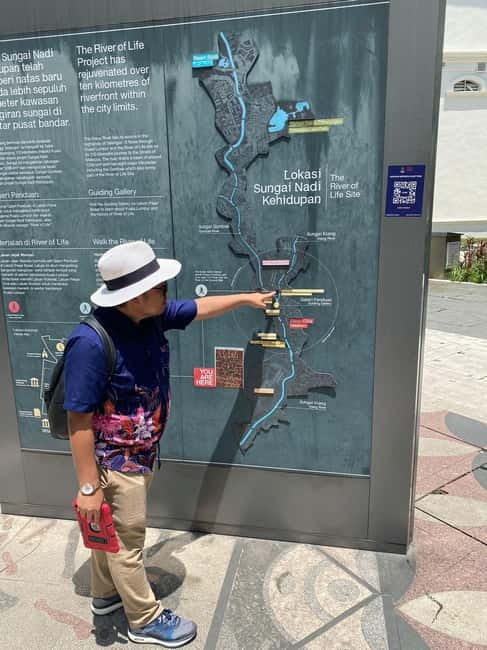
The meeting point is straightforward: wait at the main entrance/main drop-off lobby of Avenue K Shopping Mall, with the entrance located next to H&M. It’s a practical choice because it’s recognizable and central, so you can show up, regroup, and start walking without the stress of hunting for a hidden address.
Right away, you’ll get a short setup for the walk, plus a safety briefing before heading out on foot. The tour also includes moments built for real-world touring—photo stops, and a break time so you’re not rushing through everything like a checklist.
No hotel pickup is included, so think about getting yourself to Avenue K in advance. If you’re using rideshare or public transport, plan a buffer so you don’t feel rushed before the tour begins.
The 3-hour flow: how the route balances icons and side streets
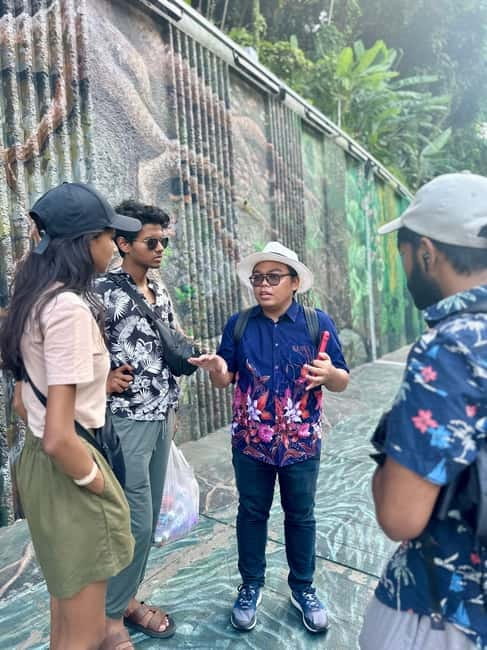
The timing is designed for attention without fatigue. Expect around 3 hours, and in practice it can run a bit longer (you may feel closer to about 3.5 hours depending on pacing, photo stops, and breaks). The route keeps you moving, but it also slows down when there’s a detail worth noticing.
You can think of the walk in two overlapping moods:
1) Historic and colonial landmarks up front, so you understand the early influences shaping the city.
2) Then deeper into neighborhood streets, where shophouses, art installations, and green walkways show how KL evolved at street level.
And yes, the tour still includes major modern KL landmarks—so you get the full story arc, from older streets to the skyline that most people come to photograph.
Stop type: colonial and historic landmarks (what to look for)
When you’re near older buildings and colonial-era landmarks, the guide’s focus helps you avoid the common problem: staring at the outside but missing the design logic. You’ll be encouraged to look closely at the structure, ornament, and how the building sits within the surrounding streets.
Even if you’re not an architecture person, this is where the tour earns its keep. The guide translates architecture into “city clues,” helping you see how an area developed and how people used the space.
Potential drawback here: if you’re hoping for lots of indoor museum time, the experience is mostly outdoors. You’ll learn by watching, reading, and walking.
Stop type: shophouses and quieter blocks (why it feels more local)
This is where KL gets personal. Shophouses and older streets have a rhythm—shopfronts, narrow layouts, and layers of signage and façade changes—that make the city feel human-sized.
This tour deliberately threads you through blocks lined with charming shophouses and street-level details, along with art installations and green walkways edged with cultural tile patterns. It’s a strong reminder that architecture in KL isn’t only about skyscrapers. It’s about daily life and how public space is shaped.
If you like wandering, this portion is the sweet spot. You’re not stuck taking the same photo from the same angle as everyone else; you’re learning what you’re seeing, so each street feels earned.
Stop type: the Petronas area and modern KL clues
Most architecture tours either do the icons or skip them. This one includes the Petronas tower and KLCC, plus Le Nouvel as part of the modern city view. That matters because you can compare eras in real time.
The guide’s angle is practical: you’ll learn how modern projects relate to the earlier urban fabric. You don’t just get a skyline photo; you get context for why the city looks the way it does today.
You may also notice design themes in places that feel like in-between spaces—arcades and corridors where movement, shade, and façade details matter. One review highlighted an Art Deco arcade, and that kind of focus is exactly what makes the learning stick.
Price and value: is $74 worth it?

At $74 per person for about 3 hours, the cost only makes sense if the guide brings expertise and if you actually use the time well. Here, you are paying for:
- An expert live architectural guide (KL-based, for the duration)
- Small group size (limited to 6), which generally means more interaction
- Basic inclusions: bottled water, and a rain poncho if weather turns
What makes it good value is the combination of big sights and smaller streets, plus the “how to read KL” teaching style. If you were to do KL solo, you’d likely end up with photos but not much understanding of the façade decisions, street planning logic, or why older buildings still matter.
If you’re tight on time, this format also works like a shortcut. You’re not trying to master an entire city in a day—you’re learning a method for seeing it.
The guides: what you gain beyond facts
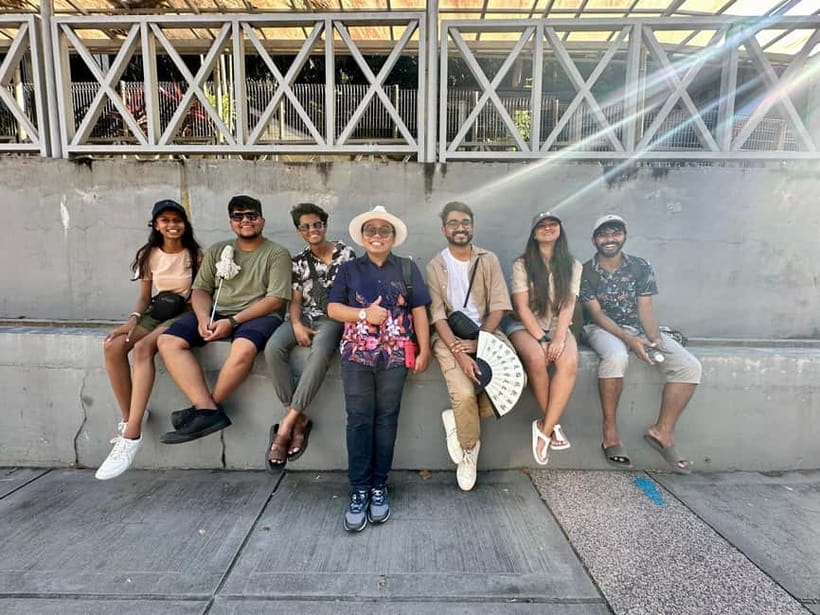
You’ll likely be with guides such as Hazik or Hazfa, who are described as passionate about architecture with an emphasis on heritage and preservation. That tone matters. The goal isn’t to recite technical terms. It’s to help you notice details and ask better questions as you walk.
Because the group is small, the tour can flex toward what you care about—questions about design choices, how cultural influences show up in buildings, or what to do next after the walk.
Another practical plus: the experience is described as no stress, with permission to stop and sit down briefly if you want a pause. That makes the tour feel more like a guided walk with a professional friend than a rigid program.
What’s included (and why it matters on a walk)
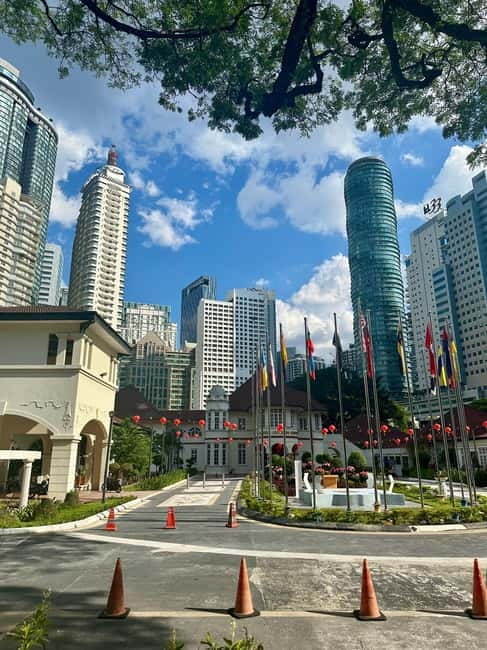
Included items are simple but helpful:
- Bottled water to stay hydrated
- Rain poncho on rainy days
- In-person recommendations for cafes, galleries, and favorite architecture stops
On a walking tour, small comfort items matter more than you’d think. Water keeps you from slowing down because you’re thirsty. The poncho means you can keep moving without turning your day into a wet-weather scramble. And the recommendations are useful because they help you turn learning into a next step—where to eat, what to see nearby, and how to follow the architecture thread after the tour ends.
What to bring: keep it comfortable and friction-free
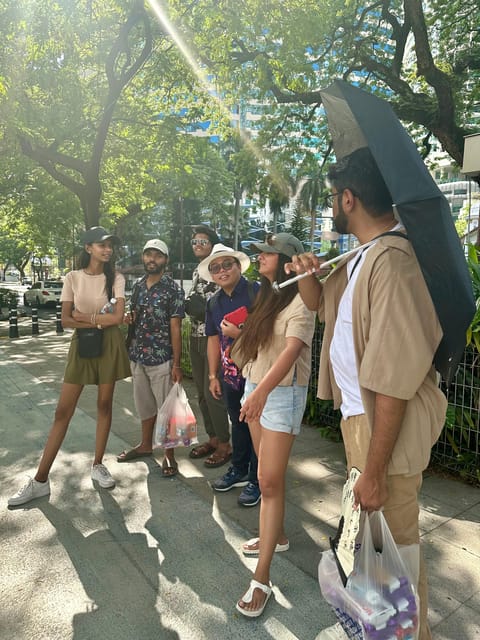
This one’s mostly common sense, but it’s worth checking your packing:
- Passport or ID card
- Umbrella and hat (sun or rain both happen)
- Cash (in case you want snacks or a quick stop)
- Comfortable shoes (you’re on foot)
Also note what’s not allowed: oversize luggage. So pack light, or plan to leave anything bulky at your accommodation.
The tour runs rain or shine, with plenty of shelter areas along the route. Still, you’ll be happier if you come prepared rather than hoping for good weather.
Who should book this tour—and who might prefer a different one
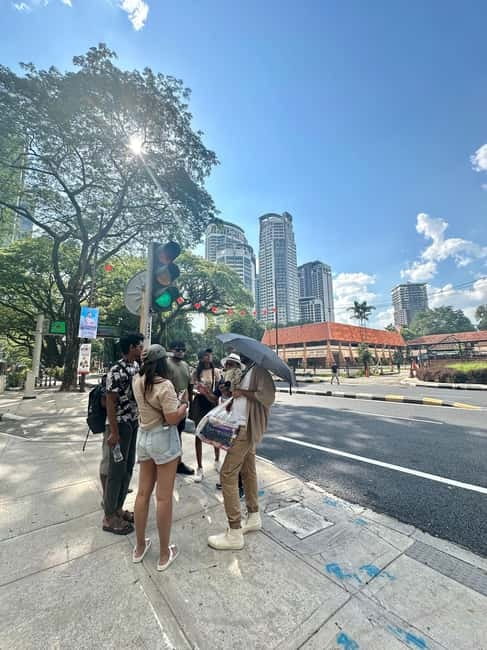
This works especially well if:
- You’re visiting KL for the first time and want a fast orientation through architecture
- You love old buildings, facades, signage styles, and street-level design
- You want a guide who can answer questions and point out what most people miss
It may be less ideal if:
- You need lots of mobility support (walking is central)
- You’re pregnant (the tour is listed as not suitable)
If you’re the type who likes to pause for details, this kind of walk is your pace. If you prefer fast, stop-and-go “see everything” touring, you might want a more rigid route—but then you’d lose some of the learning.
Quick tips so you get the most out of the 3 hours
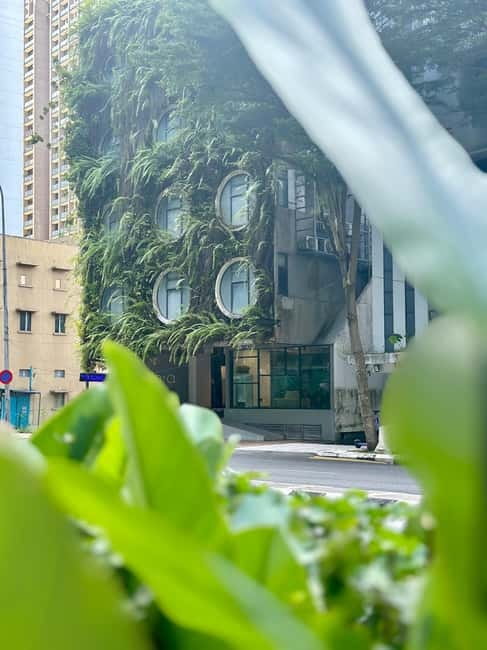
- Bring the hat and umbrella even if the morning looks fine. KL weather can change fast.
- Wear shoes you can walk in for an extended block of time.
- Have one or two questions ready: something like what makes a façade look a certain way, or how colonial-era planning still shows up today.
- Use the photo stops strategically. The best photos usually come after you understand what feature you’re capturing.
Should you book this KL architecture-and-heritage walk?
If you want more than a skyline photo, I’d book it. The strongest value is the method: you learn how to read building choices and street patterns, then you carry that skill around KL the rest of your trip. The small group size, the expert architectural guidance, and the mix of Petronas/KLCC plus local shophouse streets makes the $74 price feel reasonable for a first-day experience.
Skip it only if you know you won’t enjoy walking in mixed weather, or if mobility needs make an on-foot tour uncomfortable. Otherwise, this is a smart way to turn KL from a place you pass through into a city you actually understand.
FAQ
Where is the meeting point?
You’ll meet at the main entrance/main drop-off lobby of Avenue K Shopping Mall, next to the H&M store.
How long is the tour?
The tour runs for about 3 hours (and it may feel closer to around 3.5 hours depending on pacing and photo stops).
What’s the group size?
It’s a small group limited to 6 participants.
What languages are available?
The live tour guide speaks English, Malay, and Indonesian.
What’s included in the price?
Included are expert live architectural guides for the walk, bottled water, a rain poncho on rainy days, and in-person recommendations for cafes, galleries, and architecture stops.
What should I bring?
Bring your passport or ID card, an umbrella, a hat, cash, and comfortable shoes.
Is the tour rain or shine?
Yes, it runs in rain or shine, but the route includes plenty of shelter areas.
Is hotel pickup provided?
No, there is no hotel pickup and drop-off.
What’s the cancellation policy?
You can cancel up to 24 hours in advance for a full refund, and there’s a reserve now and pay later option.