REVIEW · ROME
Colosseum and Ancient Rome Private Guided Tour
Book on Viator →Operated by City Walkers Tours · Bookable on Viator
One day, three headline ruins, zero guesswork. This private guided route turns the Colosseum, Roman Forum, and Palatine Hill into a story you can actually follow, with a guide who helps you read what you’re seeing.
I particularly like that you get skip-the-museum-line value in the form of guided time plus included admissions, instead of just paying for access and hoping you understand it. I also like the private pacing, which helps when you want to slow down, speed up, or focus on the stuff that caught your interest.
My one watch-out is physical comfort: the tour isn’t described as suitable for mobility impairments, and you’ll be walking through uneven ancient ground while spending time outdoors. If your mobility is limited, you’ll want to plan carefully before booking.
In This Review
- Key things to know before you go
- A 3-hour private route through Rome’s power center
- Entering the Colosseum with the Gladiator Entrance in mind
- What to watch for at the Colosseum
- Roman Forum: where politics, religion, law, and money met
- Forum tip: ask for the “why now” connections
- Palatine Hill: the founding myth meets the imperial neighborhood
- If you only have energy for one ruin
- Private guide energy: what you can expect from the storytelling
- How much is this really worth?
- Timing, meeting point, and how to not lose your spot
- Who should book this Colosseum, Forum, and Palatine tour?
- Should you book this private tour?
- FAQ
- What sites are included in the tour?
- How long is the tour?
- Is the tour private?
- What language is the guide?
- Are admission tickets included?
- What isn’t included?
- Where does the tour start and end?
- What do I need to bring for entry?
- Is the tour suitable for everyone physically?
Key things to know before you go
- Private pacing means you control how long you linger at the Colosseum, Forum, and Palatine Hill.
- Admission tickets are included for Palatine Hill and the Roman Forum, plus the Colosseum entry ticket.
- Gladiator Entrance time helps you picture how fighters moved into the arena area.
- Flavian Amphitheatre basics (built starting around 72 AD, completed around 80 AD) give you a clear timeline as you walk.
- Headset/whisper-mic style audio is emphasized on this tour, especially while moving.
A 3-hour private route through Rome’s power center
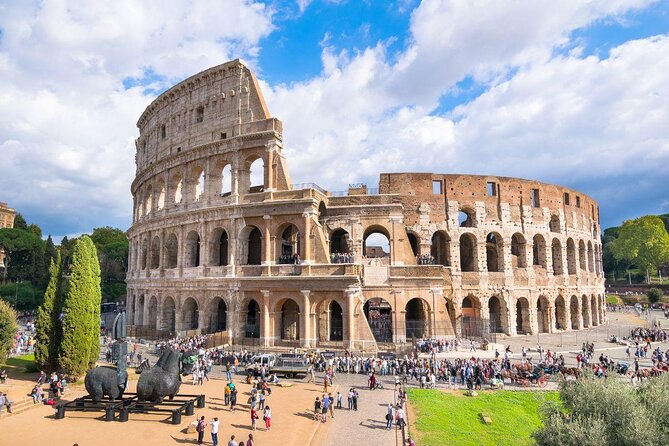
This tour is built for one simple goal: get you from the Colosseum to the Forum to Palatine Hill fast, while giving you enough context to make the stones mean something. You’ll cover a huge amount of ground in about 3 hours, which is exactly the kind of plan that works well when you only have limited time in Rome.
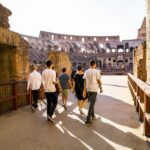
Because it’s private, the guide can adjust on the fly. That matters here. The Colosseum area and the surrounding ruins can get crowded, and crowds don’t help you understand details. A good guide helps you look past the postcard version and notice the features that connect the place to politics, entertainment, and power.
Also, tickets are handled as part of the experience: you’re not spending your whole morning figuring out what to buy and where to stand. That’s real value in a city that loves lines.
You can also read our reviews of more guided tours in Rome
Entering the Colosseum with the Gladiator Entrance in mind
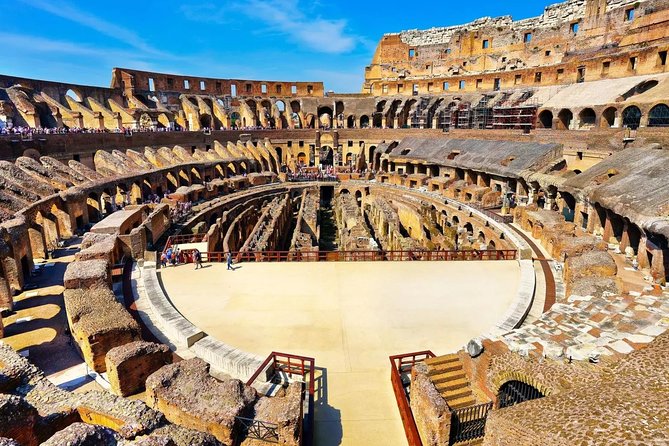
The Colosseum is the kind of stop that can go two ways: either you feel overwhelmed by scale, or you feel like you understand what you’re looking at. This format aims for the second outcome.
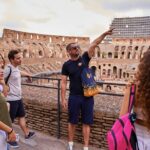
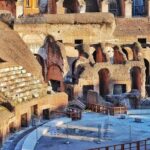
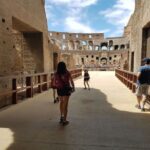
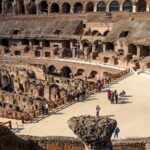
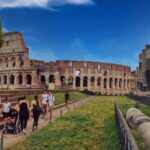
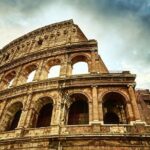
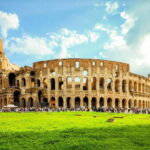
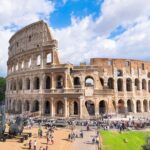
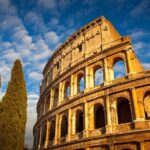
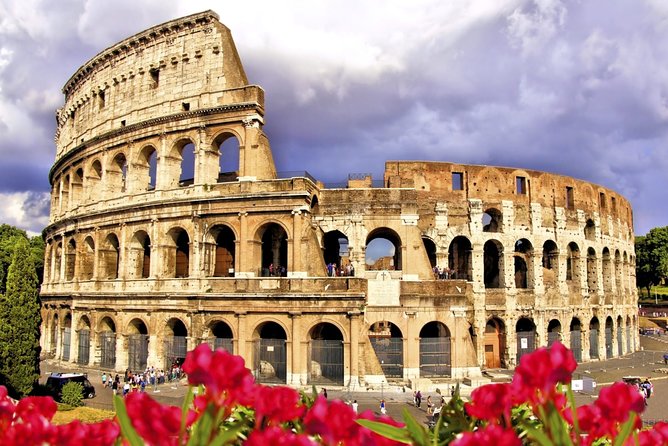
You’ll start at the Colosseum and spend about an hour there. Your guide will frame it with the basics that make everything else click: the Colosseum’s official name is the Flavian Amphitheatre, construction started around 72 AD and wrapped up around 80 AD, so the build took about 8 years. Once you have that timeline, you can better connect the building to the Roman Empire’s political and social background before, during, and after it was built.
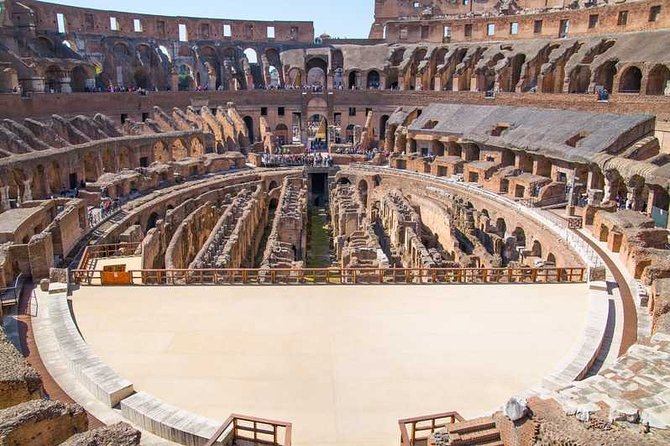
One highlight you should be ready for is the Gladiator Entrance, where fighters entered the arena. Seeing that feature with an explanation changes how you picture the spectacle. It’s not just stone arches—it’s a movement route tied to the show and the crowd’s expectations.
Also, you’ll learn the Colosseum’s purpose and its role inside Roman society. That’s the difference between simply seeing a famous ruin and understanding why Romans invested this much money and engineering in public entertainment.
What to watch for at the Colosseum
You’re not visiting the underground or Belvedere levels, since those are listed as not included. If you’re the type who wants the highest viewpoints or the deeper layers of the building, you may feel like you want more. If you care most about story and context at ground level, the one-hour focus can feel just right.
Roman Forum: where politics, religion, law, and money met
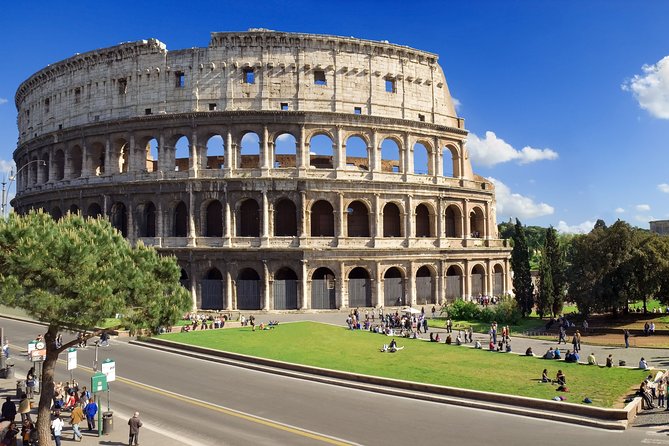
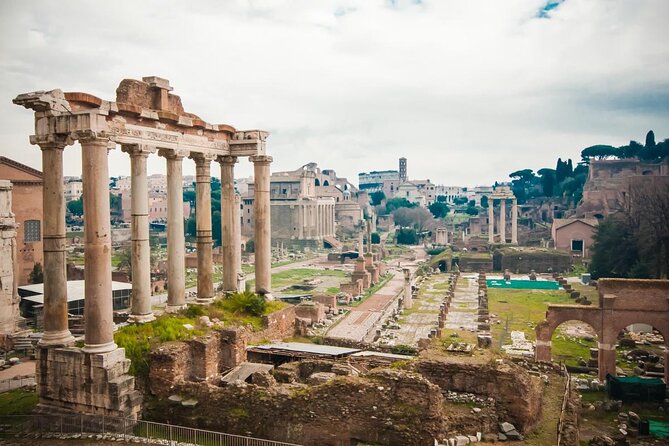
From the Colosseum, you’ll head to the Roman Forum, close enough that you can keep the day’s theme going without losing momentum. The Forum stop runs about an hour, and it’s set up to explain why this spot mattered more than almost any other.
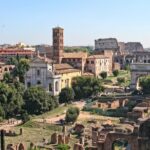
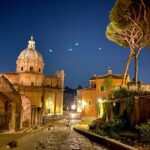
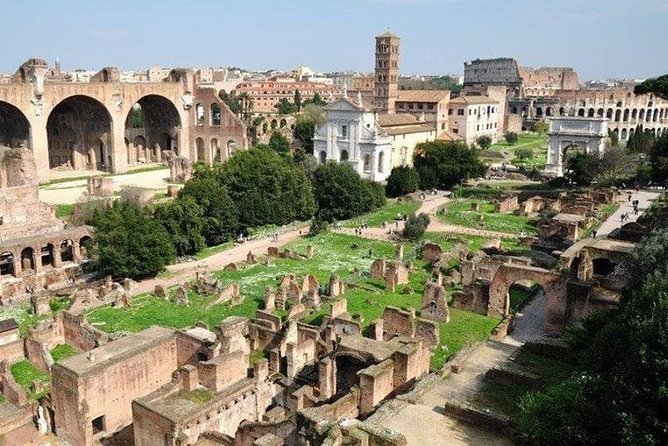
Think of the Forum as the Empire’s central hub: it was the political, religious, judicial, and financial center of Rome and of much of the Roman Empire. Your guide will walk you through how a city that started as a regional power grew into the core of a mighty empire—and how Romans shaped the laws and administrative systems that still influence how people think about society today.
The story gets even better when you hear about the land itself. The area was once marshy, yet even during the regal period, it was chosen as the social, political, and religious heart. That detail helps you connect the Roman imagination and engineering with the real physical reality of where buildings went up.
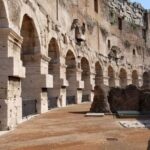
You’ll also see the kinds of important structures that defined the Forum’s identity, including the house of the Senate, temples, and basilicas.
Forum tip: ask for the “why now” connections
If you want the hour to really land, ask your guide to connect what you’re seeing to timing and power. For example:
- Which type of building was used for government vs. worship?
- How does a site like this reflect Roman values about authority?
This tour is designed for Q&A, and your guide can tailor the pace and depth to your questions.
You can also read our reviews of more private tours in Rome

Palatine Hill: the founding myth meets the imperial neighborhood
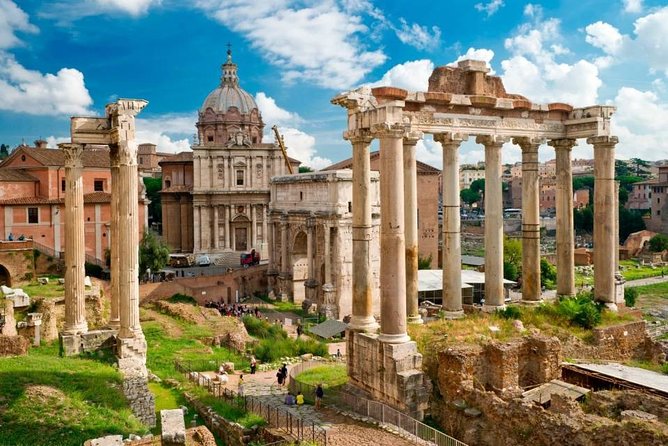
Next up is Palatine Hill, just above the Forum, and it’s where Rome’s origin story becomes physical. Your time here is also about an hour, and it’s a strong match for travelers who like myths, then want the real-world ruins right after.
You’ll get the founding context: Rome was established in 753 BC on the 21st of April (as presented in the tour framing), and Palatine Hill is where the early nucleus of the city took shape. Your guide connects this to Romulus, who chose the Palatine Hill because it was considered the best of the seven hills, especially given its central position.
There’s also a practical angle that makes ancient settlement choices easier to understand. Early Romans (like other ancient civilizations) tended to choose higher ground near rivers because it offered strategic advantages for defense and also helped with frequent floods from water streams. That’s the kind of detail that turns “where” into “why.”
Then you’ll get the dramatic part: the foundation myth of Romulus and Remus, and how Romulus became the first king. After that, you shift to the visible remains—ruins of the imperial houses, villas, and palaces of emperors and notable people. It’s a neat contrast: legend and power, side by side.
If you only have energy for one ruin
If you’re tired, Palatine Hill can be the stop you should protect. It often hits a sweet spot for people who want story plus atmosphere. You’ll still get the major names and themes from the Forum and Colosseum, but Palatine ties them back to the idea of Rome’s beginnings and its later elite lives.
Private guide energy: what you can expect from the storytelling
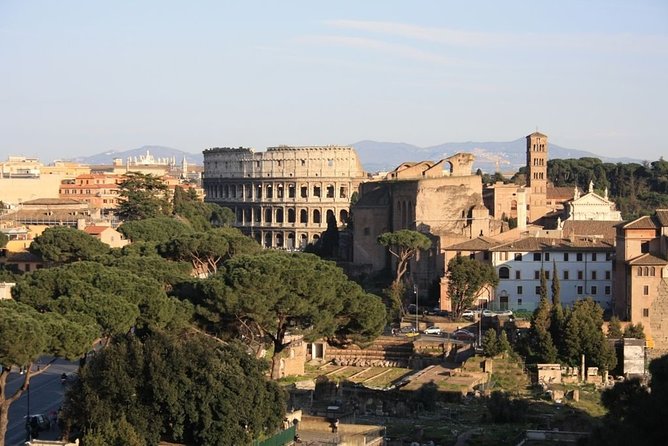
The tour is led by a licensed local guide, and the difference shows up in how the tour feels—not just in facts, but in how quickly you start understanding what matters.
From the guide examples associated with this experience, you may encounter names like Andrada, Matzy, Susanna, Alex, or Simone. The common thread is strong Roman-history storytelling and the ability to answer questions in a way that makes the place clearer, not more confusing.
One useful operational detail: at least some guides strongly prefer the whisper mic/headset system instead of speaking directly over crowds. That’s good news. The headset approach helps you catch explanations while walking, and you’ll spend less time craning your neck or trying to hear over traffic and other groups.
How much is this really worth?
The listed price is $251.64 per person for an experience running around 3 hours in English, offered as a private tour. At first glance, that’s not “cheap,” especially compared with the idea of buying tickets and wandering alone.
Here’s the value logic. The Colosseum ticket component is listed as €18 for adults (and €0 for children under 18). Admission for Palatine Hill and the Roman Forum is included as well. The rest of what you pay covers the guide and other services tied to the experience.
So what are you buying with the extra cost? Time that’s pointed at the right things. You’re also buying someone who can connect the dots between architecture, politics, and daily life—so you don’t spend your vacation trying to interpret signage alone.
If you’re traveling with people who have different interests (history nerd, architecture fan, myth lover), a private format is often worth it because the guide can balance attention without everyone drifting in separate directions.
Timing, meeting point, and how to not lose your spot
The tour starts at L.go Gaetana Agnesi, 5, 00184 Roma RM. It ends at the Roman Forum (00186), with a note that a reverse tour can end at the Colosseum exit.
You also should plan to arrive about 20 minutes early so everything stays smooth. This is one of those Rome moments where early matters. The Colosseum area is not the place where you want to show up stressed and late.
One more practical detail: depending on ticket availability, your order could shift so you visit the Roman Forum and Palatine Hill before the Colosseum. It’s still the same three core sites, just adjusted to what’s possible that day.
Who should book this Colosseum, Forum, and Palatine tour?
This is a great fit if you want:
- A structured day with three major sites and a clear story connecting them
- Private pacing, especially if you like stopping for details or questions
- English commentary that helps you understand political and social context, not just dates
It may be less ideal if:
- You need full accessibility accommodations, since the tour is listed as not suitable for travelers with mobility impairments
- You want underground or Belvedere-style add-ons, since those aren’t included
Should you book this private tour?
I’d book it if you want Rome’s biggest ancient names in one day, but you also want your visit to feel guided and coherent. The included admissions make it easier to plan, and the private format helps you focus on meaning instead of fighting crowds.
I wouldn’t book it if you’re trying to do this strictly on a budget and you’re happy relying on a phone app for context. The cost is paying for a person—and if you don’t care about storytelling and on-the-spot explanations, you might feel like you paid extra for what you could assemble yourself.
FAQ
What sites are included in the tour?
You’ll visit the Colosseum, the Roman Forum, and Palatine Hill.
How long is the tour?
The duration is listed as about 3 hours.
Is the tour private?
Yes. It’s a private tour/activity, so only your group participates.
What language is the guide?
The experience is offered in English.
Are admission tickets included?
Yes. Admission is included for Colosseum (with the stated €18 adult ticket value), Palatine Hill, and the Roman Forum. Children under 18 are listed at €0 for the ticket price.
What isn’t included?
The Underground and Belvedere levels are not included. Transportation and hotel pick-up are also not included.
Where does the tour start and end?
It starts at L.go Gaetana Agnesi, 5, 00184 Roma RM, Italy and ends at the Roman Forum (00186). A reverse tour option can end at the Colosseum exit.
What do I need to bring for entry?
You’ll need to provide the full names of all travelers when booking, and you must bring a valid passport or ID document that matches those names. You should also arrive about 20 minutes before to keep things running smoothly.
Is the tour suitable for everyone physically?
The tour requires moderate physical fitness and is listed as not suitable for travelers with mobility impairments.
If you want, tell me your travel dates and who you’re going with (age range and interests), and I’ll help you decide whether to choose this exact pacing or a different style of Colosseum visit.