REVIEW · NEW YORK STATE
Woodstock: Rock n’ Roll History Tour
Book on GetYourGuide →Operated by Rock Junket Rock n' Roll Tours · Bookable on GetYourGuide
Woodstock’s rock lore hits the sidewalks. I love how this tour starts at Peace, Love & Cupcakes and pulls you into the Dylan-era vibe fast, then the walk turns into real stop-and-tell storytelling at the White Room where Dylan composed. One thing to consider: this is not the 1969 festival grounds tour, and it does not include Big Pink.
What makes it work is the focus. You get a light, mostly flat walk through town, plus a short drive to the restored Bearsville Center complex, where Bob Dylan manager Albert Grossman helped power the Woodstock music scene. The guide also brings stories and old photos into the mix, and the pacing stays relaxed enough to enjoy the town’s quieter streets.
In This Review
- Quick takeaways before you go
- Where the tour starts: Tinker Street and Peace, Love & Cupcakes
- The White Room moment: Dylan’s songwriting space
- A light, flat walk through Woodstock’s loud stories
- Venues, album-cover spots, and the stop-and-listen style
- Final resting places: paying respects with the right tone
- Bearsville Center: Albert Grossman’s influence and the scene’s engine room
- Tour duration and scheduling: 150 minutes that still feel relaxed
- Price and value: what $47 buys in the real world
- What this tour does not include (and who should know that)
- Best-fit traveler: who will enjoy this most
- Should you book this Woodstock Rock n’ Roll History Tour?
- FAQ
- What days and times does the tour run?
- How long is the tour?
- Where do I meet the guide?
- Where should I park for the meeting point?
- Where does the tour end?
- Do I need my own transportation from Woodstock to Bearsville Center?
- What’s included in the price?
- Who is the tour aimed at?
- What major locations are not included?
- Are Bearsville Theatre tours included?
Quick takeaways before you go
- Start at Peace, Love & Cupcakes on Tinker Street to set the tone immediately.
- See the White Room connection tied to Dylan’s songwriting era.
- Walk the artist circuit in town with album-cover locations and venue stories.
- Pay respects at final resting places connected to Woodstock legends.
- Bearsville Center is the “business end” of the scene, linked to Albert Grossman.
- Not the festival site or Big Pink—the tour keeps things closer to Woodstock itself.
Where the tour starts: Tinker Street and Peace, Love & Cupcakes
The tour meets at 59 Tinker Street at Cafe Espresso. It’s right in the heart of Woodstock, so you’re not searching around the outskirts with everyone else. For parking, use the Comeau Drive free parking lot—enter across from the Woodstock police station at 76 Tinker Street, then turn right at the parking sign and go into the lot.
Why I like this start: it puts you in the same neighborhood that shaped the Woodstock music era. You can also grab a rock n’ roll cupcake right at the beginning, which sounds silly until you realize it sets a fun, low-pressure mood. This is a music-history walk, not a stiff museum tour.
The big “feel” of the first stop is that you’re in a place that still has Woodstock’s everyday energy. That matters, because it makes the later stories about famous artists feel less like celebrity trivia and more like something that happened in plain sight.
The White Room moment: Dylan’s songwriting space
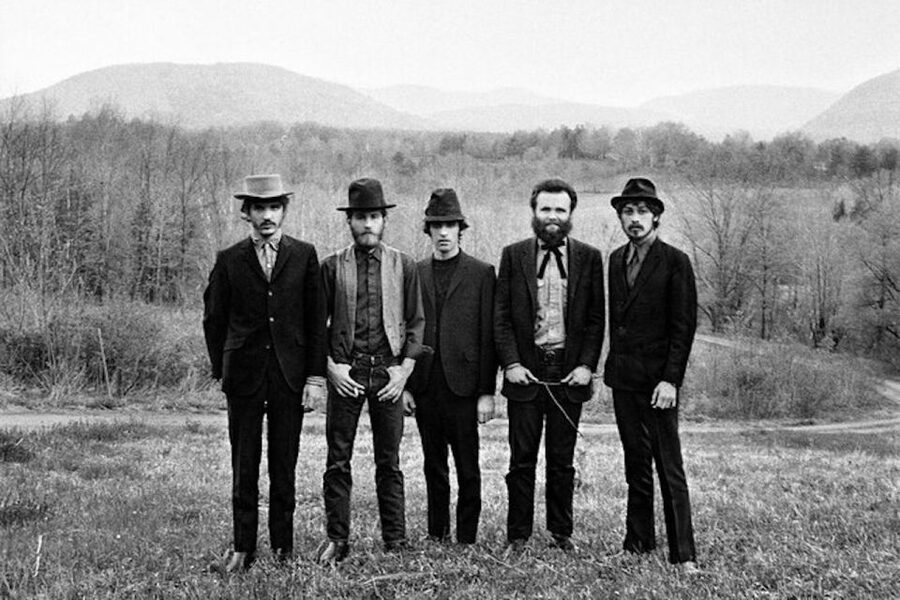
One of the signature stops is the White Room, tied to Bob Dylan’s songwriting activity in the Woodstock era. This is the kind of location you don’t just look at from the sidewalk—you get guided context so it clicks.
Here’s what you’ll get from this part: the tour doesn’t treat Dylan like a distant legend. Instead, it frames how the town’s environment and creative community helped shape the music coming out of Woodstock at the time. Expect the guide to connect names, places, and song stories in a way that helps your brain build a map.
Practical tip: bring a little patience. When you’re listening to stories in a specific room or space, you’ll want to focus on the guide’s pacing rather than trying to speed through with your phone camera. Let the place do the work.
A light, flat walk through Woodstock’s loud stories
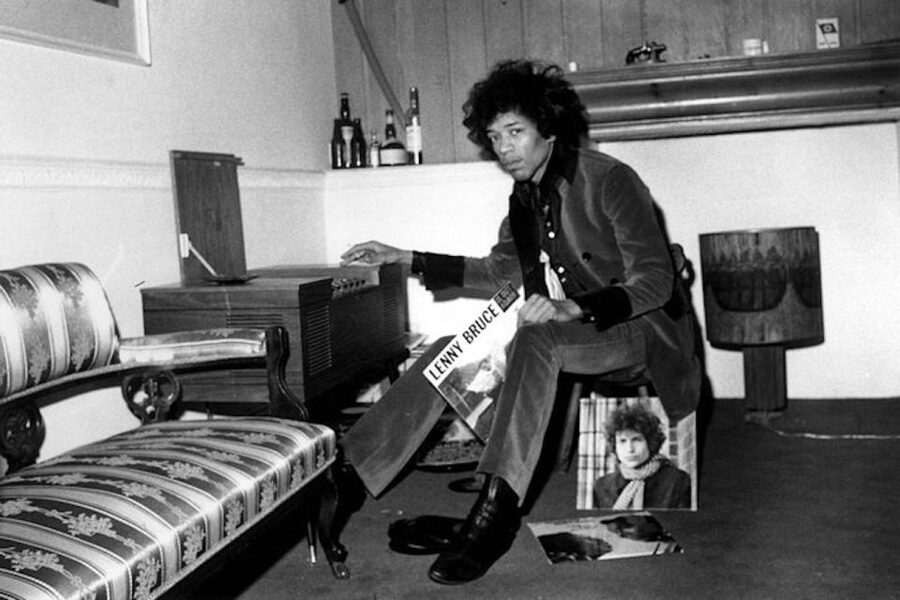
After the opening, the tour becomes a walking loop through town. The description calls it a light, flat walk, and that’s a big deal in Woodstock because streets can feel slower and steeper depending on where you are. This route is designed so you can keep listening without feeling like you’re doing a workout.
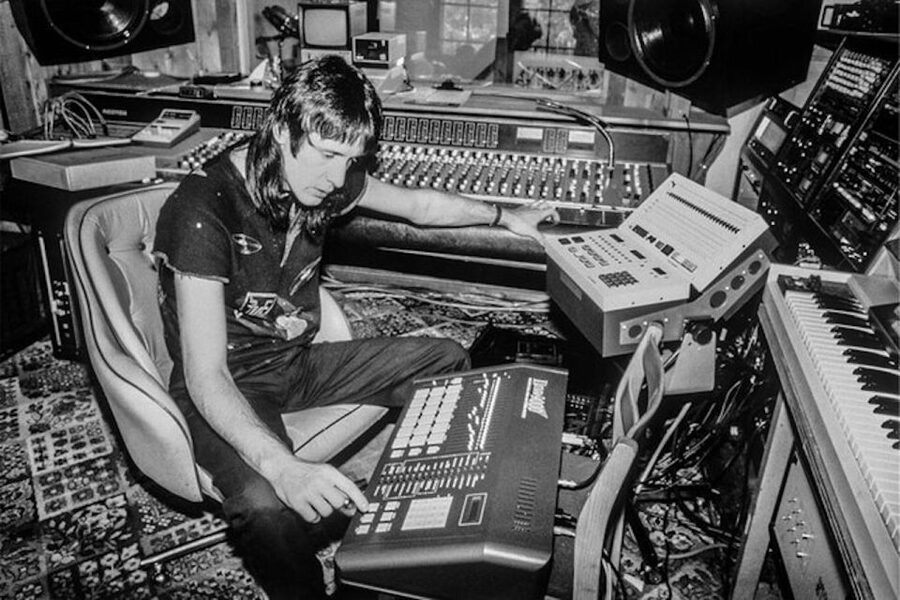
During the walk, you’ll hear stories that connect major artists to specific corners and sites. The tour covers locations tied to several big names, including Bob Dylan, The Band, Janis Joplin, Todd Rundgren, Jimi Hendrix, Muddy Waters, and Van Morrison. You’ll also see album cover locations and learn about historic venues that played a role in the scene.
What’s especially valuable here is the way the tour mixes music and place. For example, album-cover spots aren’t just “photo ops.” They’re used to explain how Woodstock became a brand of artistic identity—where visual style and music culture fed each other.
Also, the guide uses what you’d call Woodstock’s “word-of-mouth geography.” If you’ve ever read about the area and thought, Wait, where was that?—this is the kind of tour that helps your mental map click into place quickly.
Venues, album-cover spots, and the stop-and-listen style
A walking tour like this lives or dies by the guide’s storytelling. In the recent experiences I’m using to understand this tour, people specifically praised a guide named Larry for friendly, in-depth explanations and for knowing how the Woodstock music scene worked—down to the smaller details like photo references and the behind-the-scenes flow of who went where.
That matters because Woodstock history can turn into a blur of names. The guide’s job is to make those names travel across time and land in a specific place. You’ll hear stories with context, and it helps if you arrive ready to listen for connections rather than memorize facts.
One more reason this style works: it keeps you moving at a human pace. You’re not stuck watching someone talk at you the whole time. You stop, you absorb, you walk, you stop again.
Final resting places: paying respects with the right tone
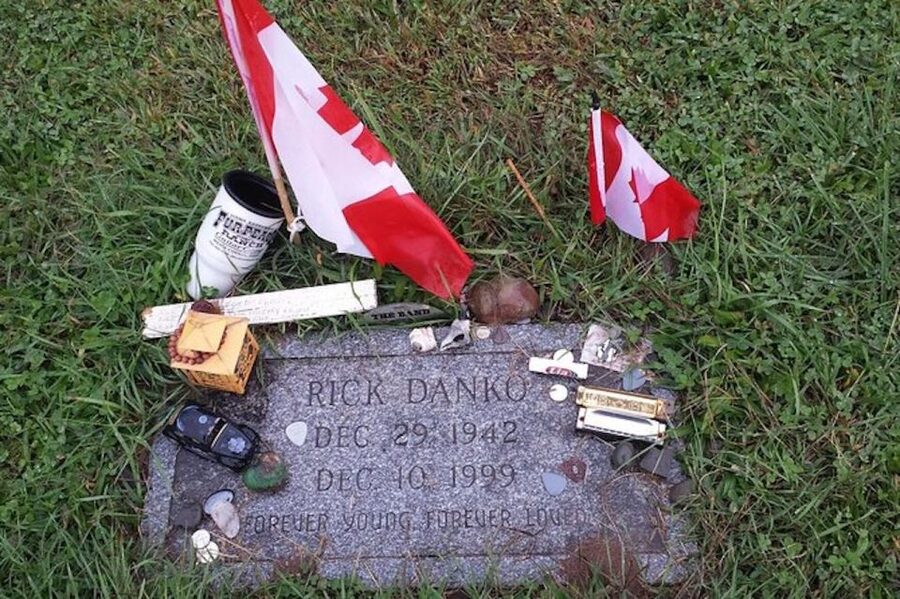
One section of the tour is dedicated to final resting places of Woodstock legends. This is where the vibe matters. You’re not there for a spectacle. You’re there to learn and reflect, with the guide helping frame why these names matter to the overall Woodstock story.
I appreciate this part of the tour because it balances the glamour. So much rock history focuses on the peak moments—shows, headlines, mythmaking. The cemetery stops shift the focus to legacy: the idea that these artists weren’t just characters in a local scene, they left work that still echoes.
If you prefer music history that stays grounded, this section is a good fit. And if you’re traveling with someone who loves the scene but gets a little tired of constant hype, the final resting places stop gives you a breather.
Bearsville Center: Albert Grossman’s influence and the scene’s engine room
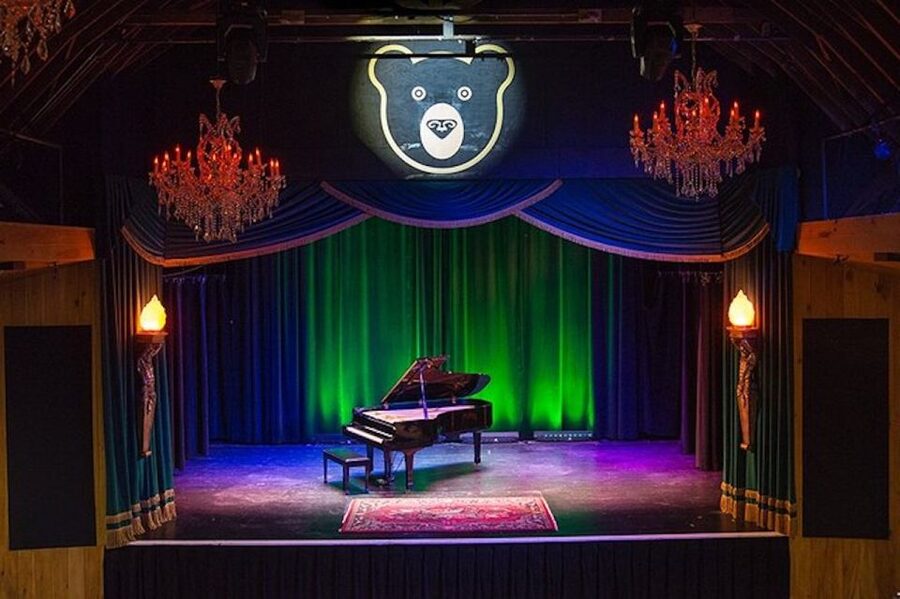
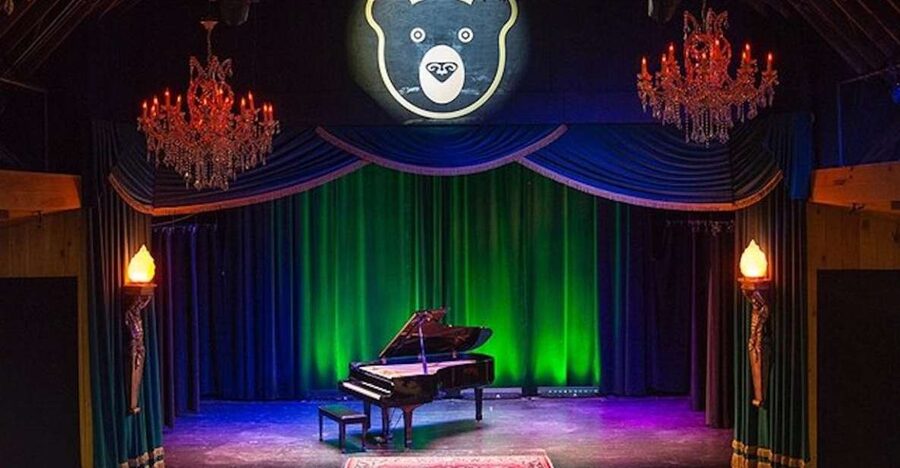
At the end of the walking portion, you head down a country road for a short drive to Bearsville Center, located at 291 Tinker Street. The distance is about a quarter mile, and it’s around a four-minute drive.
Important planning note: the tour ends at Bearsville Center, and you provide your own transportation from Woodstock. That’s a simple road trip, but it does mean you should have a car or a ride plan in mind so you’re not scrambling at the end.
Why Bearsville Center is worth your time: this is tied to the behind-the-scenes power structure of the Woodstock scene. In particular, Bob Dylan manager Albert Grossman set up his operation there, helping fuel what became one of the most famous creative periods in rock music.
So the experience changes tone here. On the walk, you’re chasing places where music culture happened. At Bearsville Center, you’re seeing the infrastructure—the management and business side that helped artists get connected and performances get organized.
One extra bonus: after your tour, you can hang around. Bearsville Center is a place where you can see a show, have dinner, or grab a drink, depending on what’s scheduled.
Tour duration and scheduling: 150 minutes that still feel relaxed
The total time runs about 150 minutes (roughly 2.5 hours). That’s a sweet spot for a history-focused tour. Long enough to feel like you went somewhere meaningful, short enough that you won’t lose your whole day to walking and waiting.
Tours operate seasonally from April through October, with departures on:
- Saturdays at 2 PM
- Sundays at 11 AM
If you’re visiting during those months, you’ll want to line this up earlier in the day. The tour ends at Bearsville Center, and you’ll likely want time afterward for a meal or a show.
Price and value: what $47 buys in the real world
At $47 per person for about 2.5 hours, you’re paying for three things: a live guide, focused access to specific locations tied to major artists, and the “connect-the-dots” storytelling that makes the town’s names and sites make sense.
You’re not buying admission to far-flung places like the 1969 festival grounds. And you’re not buying a guaranteed Bearsville Theatre tour, because tours of the theatre depend on availability and are not part of the advertised route.
So here’s the value calculation I’d use: if you want Woodstock to feel like a map you understand—Dylan, The Band, Joplin, Hendrix, and company tied to real stops—this price feels fair. If your main goal is to visit the 1969 festival site or Big Pink, you’ll likely feel under-served.
What this tour does not include (and who should know that)
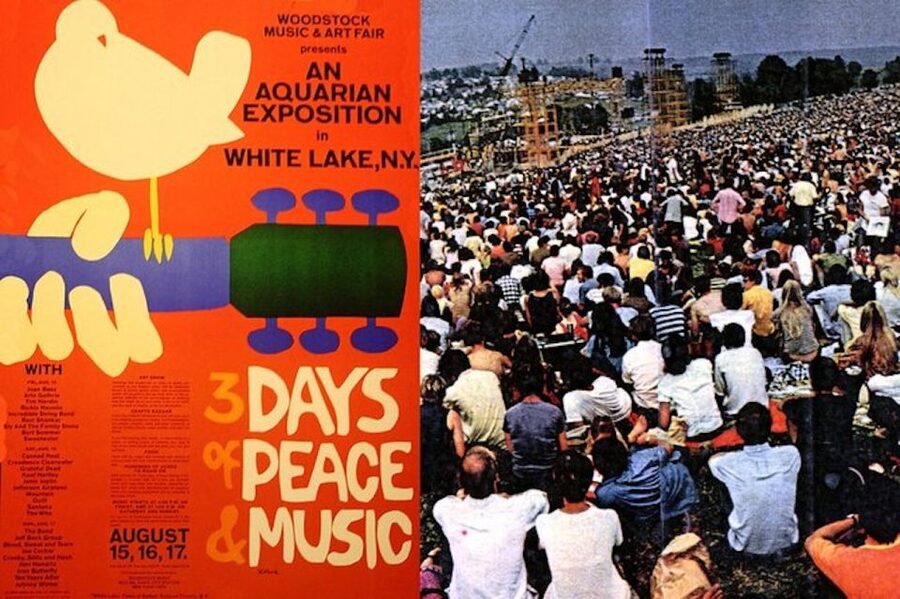
This one’s important because it affects expectations.
- The 1969 Woodstock Festival site is about 60 miles away, and it is not part of the tour.
- Big Pink (The Band’s house) is also not included. It’s too far out for this format.
- Bearsville Theatre tours are subject to availability and are not part of the advertised tour.
So who should go? People who want Woodstock’s town-scale story—how the scene shaped itself in everyday neighborhoods and venues, not just the famous festival destination.
Who might want something else? If you’re laser-focused on the festival site or want a dedicated Big Pink visit, plan a separate day for those, or look for a different tour style.
Best-fit traveler: who will enjoy this most
You’ll probably have a great time if:
- You like music history that connects specific places to songs and artists.
- You want a guided walk that’s easy on your feet but still meaningful.
- You enjoy learning the lesser-seen side of Woodstock culture, including the management/scene engine linked to Albert Grossman.
You might not love it as much if:
- You’re expecting a bus tour to distant locations.
- You want the “full Woodstock hits” like festival grounds and Big Pink in one go.
Should you book this Woodstock Rock n’ Roll History Tour?
I’d book it if you’re in Woodstock during April–October and you want a smart, place-based way to understand why the names matter. The payoff is strong because you start in town at Peace, Love & Cupcakes, get the White Room connection, then finish at Bearsville Center for the Albert Grossman story.
Don’t book it expecting a festival-site day trip or a Big Pink stop. If those are your top priorities, plan those separately and use this tour as the “town map” day. That combo gives you both the myth and the geography.
FAQ
What days and times does the tour run?
It runs seasonally from April through October, with tours on Saturdays at 2 PM and Sundays at 11 AM.
How long is the tour?
The duration is approximately 150 minutes (about 2.5 hours).
Where do I meet the guide?
The tour starts at Cafe Espresso at 59 Tinker Street.
Where should I park for the meeting point?
Park in the Comeau Drive free parking lot. The entrance is across from the Woodstock police station at 76 Tinker Street; turn right at the parking sign and enter the lot.
Where does the tour end?
The tour ends at Bearsville Center, 291 Tinker Street, with free parking available there.
Do I need my own transportation from Woodstock to Bearsville Center?
Yes. You provide your own transportation from Woodstock to Bearsville Center (one road, about 4 minutes).
What’s included in the price?
The included activity is a guided walking tour, led in English.
Who is the tour aimed at?
It’s a music-focused walking tour designed for people who want stories and connections tied to Woodstock, including major rock artists and historic sites.
What major locations are not included?
The 1969 Woodstock Festival site (about 60 miles away) and The Band’s Big Pink are not part of the tour.
Are Bearsville Theatre tours included?
Tours of the Bearsville Theatre are subject to availability and are not part of the advertised tour.