REVIEW · CASABLANCA
7 Days Private Historical Tour of 6 Cities in Morocco
Book on Viator →Operated by Awal Travel · Bookable on Viator
Seven days, six cities, and big Morocco moments. I like how this private route strings together Morocco’s signature places with professional local guides, so you don’t just “see” sights—you understand what you’re looking at. The added photo sessions in Marrakech, Fez, and Chefchaouen make the trip feel planned, not improvised.
I also love the way the itinerary balances different Morocco moods. You get ocean grandeur in Casablanca, royal architecture in Rabat, the blue streets of Chefchaouen, the maze-like intensity of Fez, and the medina-and-palace focus of Marrakech—then you end in Essaouira’s sea air and fortifications.
One consideration: this is a lot of time on the move, plus several hours in older medinas and historic sites. If you hate long walking days or you want lots of downtime, you may feel the schedule is tight.
In This Review
- Key highlights to know before you go
- A private route through Morocco’s headline cities
- Day 1 in Casablanca: Hassan II Mosque, Old Medina, and the Habous quarter
- Day 2 in Rabat: Hassan Tower ruins, Mohammed V’s mausoleum, Chellah, and Oudaias views
- Day 3 in Chefchaouen: the blue medina walk that takes over your brain
- Day 4 in Fez and a quick Marrakech pulse: Fes el-Bali to Bab Boujloud to Al Quaraouiyine
- Day 5 in Marrakech: Mellah, the UNESCO medina lanes, Dar el Bacha, and Medersa Ben Youssef
- Day 6 in Essaouira: Bayt Dakira, the sea-walled medina, fishing port, and ramparts
- Day 7: the Casablanca transfer day that keeps things simple
- How the professional photography sessions actually help (and who they suit)
- Price and value: is $3,062.86 per person a fair deal?
- Tips so the schedule feels fun, not tiring
- Who this tour fits best
- Should you book this 7-day private Morocco tour?
- FAQ
- What cities are included on this 7-day tour?
- How long is the tour?
- Is pickup offered?
- Are tickets and admissions included?
- What about meals—are lunches or dinners included?
- Are there professional photography sessions?
- Is this tour private or shared?
- Where is the meeting point?
- What’s the cancellation policy?
- Are service animals allowed?
- Is food included during the transfer day?
Key highlights to know before you go
- Hassan II Mosque in Casablanca: an eye-catching Atlantic-front landmark, with the visit time and ticket built in
- Rabat’s royal sights: Hassan Tower ruins, the Mausoleum of Mohammed V, Chellah, and Oudaias viewpoints in one day
- Chefchaouen’s blue medina: a full block of time for wandering and local shopping
- Fez’s art-school buildings: Bou Inania Medersa plus Kairaouine/Al Quaraouiyine included stops
- Marrakech with two “wow” interiors: Dar el Bacha and Medersa Ben Youssef included
- Essaouira’s fort + port combo: medina, fishing port energy, and sea-facing ramparts/cannons
A private route through Morocco’s headline cities
This tour is designed for people who want maximum Morocco per day, without the stress of planning. You get private transportation and overnight stays x6, which matters because these cities are far enough apart that DIY travel can turn into hours of waiting. Here, the day is built around sightseeing blocks and guide-led explanations.
I also like that the structure is strongly “history + place,” not just check-the-box monuments. You’ll spend time in medinas—Casablanca’s Old Medina and Habous, Fez el-Bali and the medina lanes, Marrakech’s UNESCO-listed core, and Essaouira’s coastal walled town. That choice pays off. Moroccan cities don’t reward speeding through them. They reward getting oriented, learning what you’re looking at, and then wandering with context.
And yes, the itinerary includes a professional photography session in Marrakech, Fez, and Chefchaouen. You’re not just getting snapshots of corners. You’re getting a plan for how to photograph the places people come to Morocco for: tilework, gateways, blue street angles, and the thick textures of old medinas.
You can also read our reviews of more private tours in Casablanca
Day 1 in Casablanca: Hassan II Mosque, Old Medina, and the Habous quarter
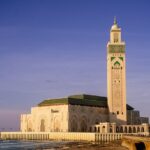
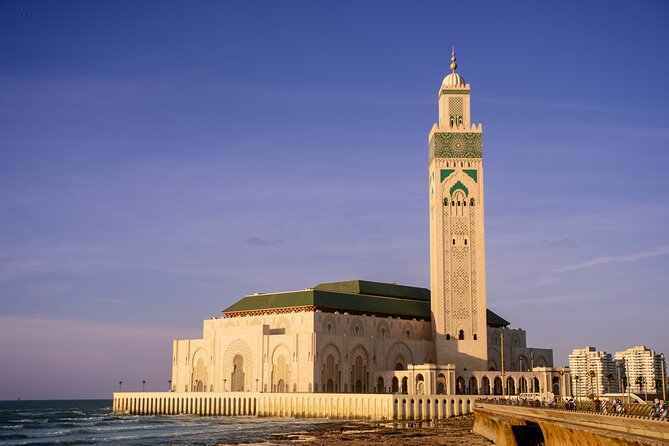
Your first day starts with Hassan II Mosque, one of Morocco’s most famous sights. The scale is part of the story: the minaret rises to about 210 meters, and the visit includes time inside the prayer hall where you’ll notice intricate Moroccan craftsmanship. There’s also a strong setting element here. The description explicitly points to Atlantic ocean views, which is a big deal in Casablanca since the city feels both urban and coastal.
Practical note: you’ll want modest clothing and respect local customs during the visit. That’s not a “nice to have” here; it’s directly called out for the mosque experience.
After the mosque, you pivot to Casablanca on a human scale. You’ll visit the Old Medina, where narrow streets feed into busy souks selling spices, crafts, and everyday goods. Then you head to Quartier Habous, known for a blend of Moroccan and French influences. The white-washed streets, tile detail, and wrought-iron work are the kind of visual stuff that makes photos look like they belong in a travel book.
What makes Day 1 work is the contrast: modern monument first, then neighborhood textures. It helps you understand Casablanca as more than a transit city.
Day 2 in Rabat: Hassan Tower ruins, Mohammed V’s mausoleum, Chellah, and Oudaias views
Rabat is where the tour shifts toward royal-era architecture and older layers of Moroccan civilization.
First stop is the Hassan Tower complex. You’ll see the famous incomplete minaret dating back to the 12th century and explore the surrounding ruins. This isn’t just a photo stop. It’s a chance to understand how Moroccan monuments can look unfinished yet still feel powerful, because the story is in the design and the context.
Then comes the Mausoleum of Mohammed V. The guide-led focus here is likely the most important part because the site is described in concrete visual terms: a white silhouette, green tiles, and a grand entrance. If you like places where modern Moroccan history and architecture sit side by side, this is the day’s emotional anchor.
Next, you go to Bab Chellah, the historic gateway to the Chellah necropolis. The description highlights lush gardens and an archaeological setting. In plain terms: it’s calmer than the medina areas, and it gives your eyes a break while still staying in “old Morocco” mode.
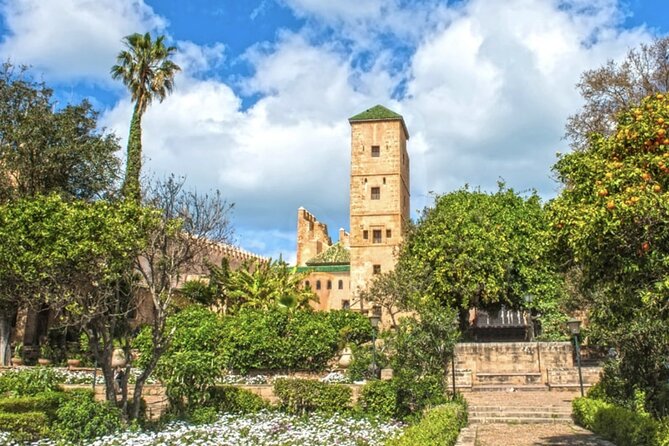
Finally, you wind down in Kasbah des Oudaias and the Medina of Rabat. Kasbah des Oudaias is described as a residential quarter with blue-and-white streets and Andalusian gardens plus ocean-facing views. Then the Medina gives you the classic souk-and-alley feel of Rabat’s old core.
Rabat’s strong point is pacing. It’s a packed day, but it feels more “architectural” than “run through crowds.”
Day 3 in Chefchaouen: the blue medina walk that takes over your brain
Chefchaouen is the day most people picture when they think of Morocco’s “one-of-a-kind” scenes. The tour gives you about 5 hours in the Medina of Chefchaouen, which is ideal. Too little time turns it into a quick photo sprint. This much time lets you slow down, repeat streets, and notice details—door shapes, stairways, and the way different shades of blue show up on buildings.
Chefchaouen’s blue theme is also more than color. The description calls out Moroccan and Andalusian influences, and that matters because it affects how the medina feels and how the architecture is arranged.
You’ll also have time for local markets and traditional crafts, so it’s not only scenic wandering. This is one of the best places on the route to buy small items you’ll actually use later—things like textiles and crafts—because the visual style matches what you’re seeing.
If you’re the type who likes taking your time in one area rather than rushing from monument to monument, Chefchaouen is your payoff.
Day 4 in Fez and a quick Marrakech pulse: Fes el-Bali to Bab Boujloud to Al Quaraouiyine
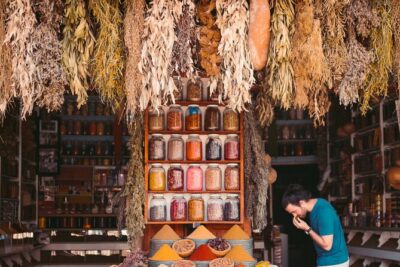
Fez is where the tour gets serious. The heart of the visit is Fes el-Bali, the Old Medina and a UNESCO World Heritage site. You’re guided into ancient lanes where the senses turn on: spice smells, artisan sounds, and that “city inside a city” feeling.
The tour doesn’t start inside the maze blind. It begins with gateways and key landmarks:
- Bab Boujloud (Blue Gate) is an iconic entry marker with blue-and-green tilework.
- Bou Inania Medersa is included, and the description specifically calls out intricate tilework, carved wood, a courtyard with a central fountain, and detailed geometric patterns and calligraphy.
Then you step into the educational-religious powerhouse:
- Al-Qarawiyyin University / Kairaouine Mosque is included, and it’s described as the world’s oldest continuously operating educational institution, founded in 859 AD. Even if you’re not a history nerd, the point lands fast: you’re seeing a living intellectual legacy with famous architecture and historic spaces like courtyards and prayer halls, plus a connection to scholarship that shaped the region.
After those anchor sites, you get Medina of Fez time, with the tour highlighting medieval urban planning and the tanneries. Even when you don’t go deep into production sites, the idea is the same: you’re walking the logic of the old city.
The last Fez-to-Marrakech handoff is Jemaa el-Fnaa in Marrakech. The tour gives it about 30 minutes, enough to catch the energy of the square in both day-time markets and evening entertainment (street performers, storytellers, musicians, and food stalls are part of the picture). This isn’t a full Marrakech day yet. It’s a “start the week-long story in a living plaza” moment.
Day 5 in Marrakech: Mellah, the UNESCO medina lanes, Dar el Bacha, and Medersa Ben Youssef
Marrakech is split into thoughtful segments, so you don’t just bounce between major attractions.
You begin with Mellah, the historic Jewish quarter. The tour’s emphasis is on the district’s narrow alleys and traditional architecture, plus access to historical sites and the chance to see how different communities shaped the city. If you want Morocco’s story to be more than just palaces and mosques, this stop matters.
Then you visit the Medina of Marrakesh, UNESCO-listed and the city’s ancient core. You’ll spend about 3 hours here, focused on souks, riads, and major landmarks like the Koutoubia Mosque area. Since the medina is a maze, your guide’s role tends to be more than commentary—it helps you move without getting lost in circles.
Two indoor stops add a different texture:
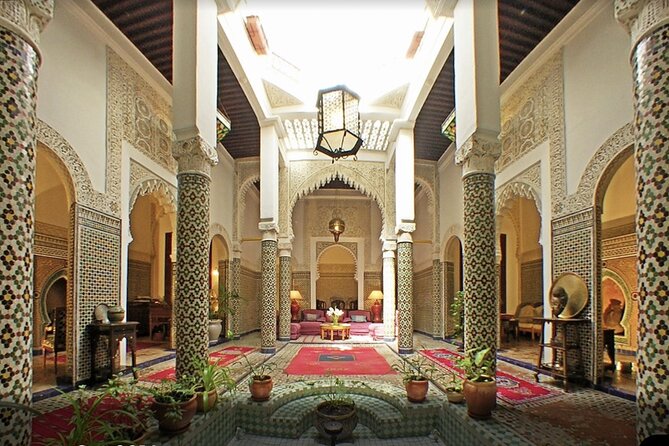
- Dar El Bacha – Musée des Confluences: this early 20th-century palace (former residence of Thami El Glaoui, the Pasha of Marrakech) is described as a museum with ornate tilework, carved wood, courtyards, and opulent rooms. The value here is seeing how power and wealth were expressed through Moroccan craftsmanship.
- Medersa Ben Youssef: included, and the description nails what makes it special—14th-century architecture, zellij tilework, carved cedarwood, stucco plaster with geometric patterns and calligraphy, plus a serene courtyard.
If you like architecture that looks like it was designed for slow looking, Medersa Ben Youssef is one of the strongest matches on the entire tour.
Day 6 in Essaouira: Bayt Dakira, the sea-walled medina, fishing port, and ramparts
Essaouira is the breath of fresh air after Fez and Marrakech. It’s coastal, calmer in feel, and packed with maritime history.
You start with Bayt Dakira, a restored Jewish heritage site and cultural center/museum focusing on Jewish history and contributions in Morocco. The description stresses artifacts, documents, and exhibits around coexistence and mutual influence. If you value cultural understanding that goes beyond textbook lines, this stop gives you that.
Then you head to the Medina of Essaouira, UNESCO World Heritage, with well-preserved 18th-century fortifications and a blend of Moroccan and European architecture. The tour mentions the Skala de la Ville and its sea-facing cannons, plus narrow streets, souks, and landmarks. You also get time to explore the fishing port area.
Next is the Essaouira Fishing Port. This is not about history plaques. The description focuses on day-to-day motion: boats, fishermen unloading catches, repairing nets, and the sea smell mixed with fresh seafood. It’s one of those experiences that makes your photos look real because the scene is alive.
Then you walk the Essaouira Ramparts and visit Skala du Port, where the fortifications and cannons frame the Atlantic views. The ramparts are described as a promenade with panoramic scenes of ocean, medina, and cityscape. Skala du Port is described as a historic bastion with crenellated walls and sea-facing cannons, built in the 18th century.
Essaouira’s win is that it ends the tour with place-sense. Morocco doesn’t feel only desert-and-palace now. It feels like sailors, trade, and shorelines too.
Day 7: the Casablanca transfer day that keeps things simple
Your last day is built around airport to hotel / hotel to airport transfers in Casablanca. The listed time is about 5 hours, and the tour ends back at the meeting point (Mohammed V Square in Casablanca).
This is a practical finish. When you’ve done six days of city hops, you don’t want a final-day scramble.
How the professional photography sessions actually help (and who they suit)
The tour includes professional photography sessions in Marrakech, Fez, and Chefchaouen. That detail matters because those are the places where people most often come away with random phone shots that don’t capture the architecture.
With a guided photo session, you can expect a few advantages based on how these cities are described:
- Marrakech and Fez have complex details—tilework, carved wood, medersa courtyards—so getting the right angles helps your photos look crisp, not cluttered.
- Chefchaouen’s blue streets are visually strong but easy to over-photograph. A professional session can help you frame the best street lines and color variation instead of duplicating the same view.
I also like that these sessions are tied to your actual sightseeing days. You’re not booking extra activities on top. It’s part of the rhythm.
Price and value: is $3,062.86 per person a fair deal?
At $3,062.86 per person, this isn’t a budget tour. But value in a private Morocco tour comes from the parts that cost time and coordination on your own: private transportation, professional local guides, and six overnights.
The included items that help justify the price:
- All fees and taxes are listed as included
- Professional local guides across the route
- A professional photography session in three major cities
- Breakfast x6 included
- Some key admissions/tickets included (Hassan II Mosque; Bou Inania Medersa; Kairaouine Mosque/Al Quaraouiyine; Dar el Bacha; Medersa Ben Youssef; Bayt Dakira)
What’s not included is also clear: food and drinks and tips/gratuities.
So here’s my straight take. This is a good value if you want a guided, private, city-to-city experience with photography support and you’re the kind of traveler who appreciates context as much as photos. If you’d rather travel cheap, slow, and on your own schedule, you’ll likely feel the price.
Tips so the schedule feels fun, not tiring
You’ll be in major historic zones often, and several stops are described with long time blocks inside medinas and heritage sites. A few practical moves can make that work:
- Wear shoes that handle lots of corners and uneven surfaces. Medinas are time-eaters.
- For mosque visits, plan modest clothing ahead of time. The Hassan II Mosque visit explicitly calls this out.
- Bring a camera plan. Since you have professional photo sessions in Marrakech, Fez, and Chefchaouen, you can think of your phone shots as “bonus angles,” not your main goal.
Also, because the tour is private, you’re not stuck with a huge group pace. That’s a real quality-of-life upgrade in crowded places.
Who this tour fits best
This tour is a strong match if you want:
- A private guide-led experience across six major cities
- A history-and-architecture focus (mosques, medersas, royal monuments, fortifications)
- An end-to-end route with overnight stays x6 and transportation handled
- Built-in photo time in Marrakech, Fez, and Chefchaouen
It may not be the best fit if you want a laid-back vacation with many free afternoons, or if you dislike long travel days between cities.
Should you book this 7-day private Morocco tour?
If you want Morocco in one coherent trip—with guide context, private transport, and photo sessions that actually help you capture the look of the places—this is the kind of tour that can save you both stress and wasted time. I’d book it if your priority is “high value per day” and you enjoy historic sites more than beach lounging.
If your priority is flexible pacing, lots of solo exploring with zero structure, or you only want one or two cities, then it’s probably more than you need. You’d be paying for the breadth and the private setup.
FAQ
What cities are included on this 7-day tour?
The tour covers Casablanca, Rabat, Chefchaouen, Fez, Marrakech, and Essaouira.
How long is the tour?
It runs for about 7 days.
Is pickup offered?
Yes, pickup is offered.
Are tickets and admissions included?
Admission is listed as included for Hassan II Mosque, Bou Inania Medersa, Kairaouine Mosque (Al-Qarawiyyin University), Dar el Bacha – Musée des Confluences, Medersa Ben Youssef, and Bayt Dakira. Many other stops are listed as free.
What about meals—are lunches or dinners included?
Breakfast is included for 6 days. Food and drinks are not included.
Are there professional photography sessions?
Yes. Professional photography sessions are included in Marrakech, Fez, and Chefchaouen.
Is this tour private or shared?
This is a private tour/activity, with only your group participating.
Where is the meeting point?
The start point is Mohammed V Square in Casablanca.
What’s the cancellation policy?
Free cancellation is available up to 24 hours in advance for a full refund.
Are service animals allowed?
Yes, service animals are allowed.
Is food included during the transfer day?
The tour includes transfers, but food and drinks are not listed as included.
If you tell me your travel month and how you handle long walking days, I can help you decide if the pace will feel exciting or exhausting for you.