REVIEW · SAN FRANCISCO
San Francisco: North Beach & Chinatown Food History Tour
Book on GetYourGuide →Operated by San Francisco Native Tours · Bookable on GetYourGuide
Food and history walk together in San Francisco. This North Beach and Chinatown food-history tour mixes neighborhood storytelling with real tastings—my favorite part is how the guide’s local connections (Stuart, a San Francisco native) bring each stop to life, and how you get 15+ different foods from savory bites to sweets without feeling like you’re just grazing. I like that it’s not a museum-style history lesson; it’s the story of the city told through what people ate and sold in each era.
There is one trade-off: you’re on your feet for about 270 minutes, so you’ll want comfortable shoes and a plan to pace yourself as the tastings stack up.
In This Review
- Key things I’d put on your radar
- Meeting Under the Transamerica Pyramid in the Financial District
- Transamerica Redwood Park: San Francisco’s Small Redwood Detour
- Barbary Coast: Chocolate, Taffy, Fudge, and Jazz-Age Storytelling
- North Beach, Little Italy: Gold Rush Facts Plus Italian Comfort Food
- Chinatown: Dim Sum, Fortune Cookies, and Street-Level Energy
- What the 15+ Tastings Actually Do for Your Trip
- Guide Factor: Stuart’s City Connections Make It More Than Food
- Price and Practical Value for a 4.5-Hour Walk
- Getting the Most Out of It (Without Overthinking)
- Who This Tour Suits Best
- Should You Book the San Francisco North Beach & Chinatown Food History Tour?
- FAQ
- Where does the tour start?
- How long is the tour?
- How much does it cost?
- What will I eat during the tour?
- Is the tour wheelchair accessible?
- How big is the group?
- What’s included in the price?
- Is there a separate entrance to speed things up?
- What should I bring?
Key things I’d put on your radar
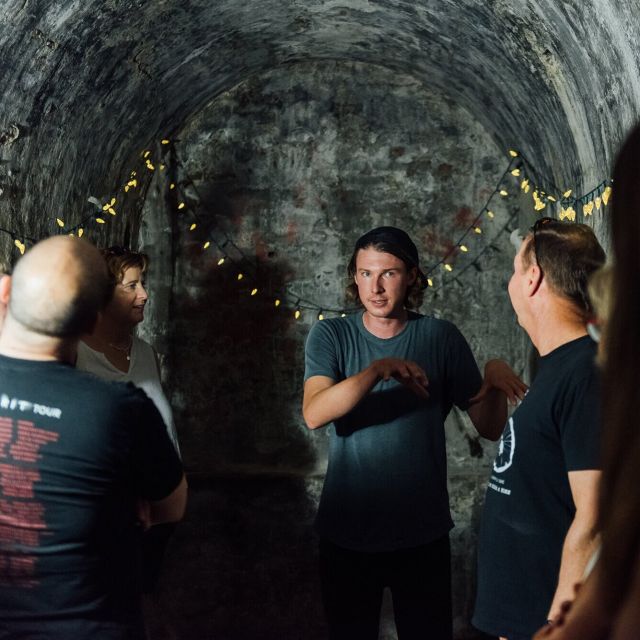
- Stuart’s neighborhood stories tie the Financial District, North Beach, and Chinatown to specific time periods like the Gold Rush and Jazz Age
- 15+ food tastings across pastries, sandwiches, cakes, aged cheese, and dim sum
- Transamerica Redwood Park stop gives you a quick, unusual nature break with a handful of hidden redwood trees
- Barbary Coast context helps you understand why this stretch of streets became known for entertainment and later nightlife
- Golden Gate Fortune Cookie Factory adds a hands-on taste after you learn how fortune cookies became a thing
- Small group (max 10) keeps it interactive when you talk with small business owners
Meeting Under the Transamerica Pyramid in the Financial District
You start where San Francisco’s skyline really flexes: under the Transamerica Pyramid. The meeting point is Mark Twain Alley, behind the Transamerica Redwood Park, off Sansome Street between Clay and Washington Street, with your guide waiting in front of the park entrance.
From step one, you’re learning how the city changed. The guide explains the Transamerica Pyramid’s architectural story, including that it’s the second-tallest building in San Francisco, and that detail matters because it sets the tone: this is a tour of neighborhoods that keep reinventing themselves.
You can also read our reviews of more food & drink experiences in San Francisco
Transamerica Redwood Park: San Francisco’s Small Redwood Detour
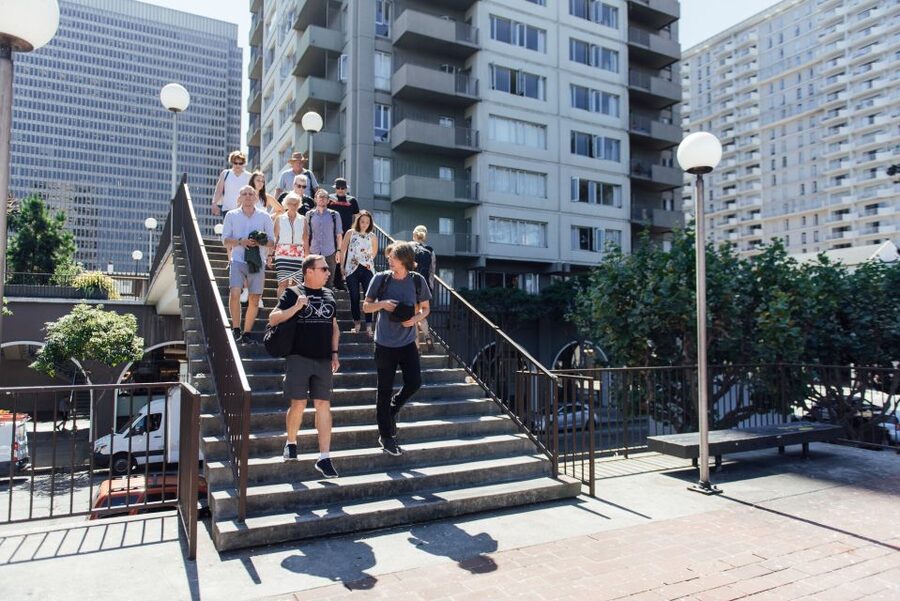
Next comes the surprise that most people miss: Transamerica Redwood Park. It’s San Francisco’s smallest redwood park area you’ll visit on this route, and it has a handful of hidden redwood trees you get to see right in the middle of the city.
This stop is short, but it’s smart. You’re walking through dense urban blocks, and then you get a breather—shade, trees, and a reset before the tour shifts into the story-heavy Barbary Coast section.
Barbary Coast: Chocolate, Taffy, Fudge, and Jazz-Age Storytelling
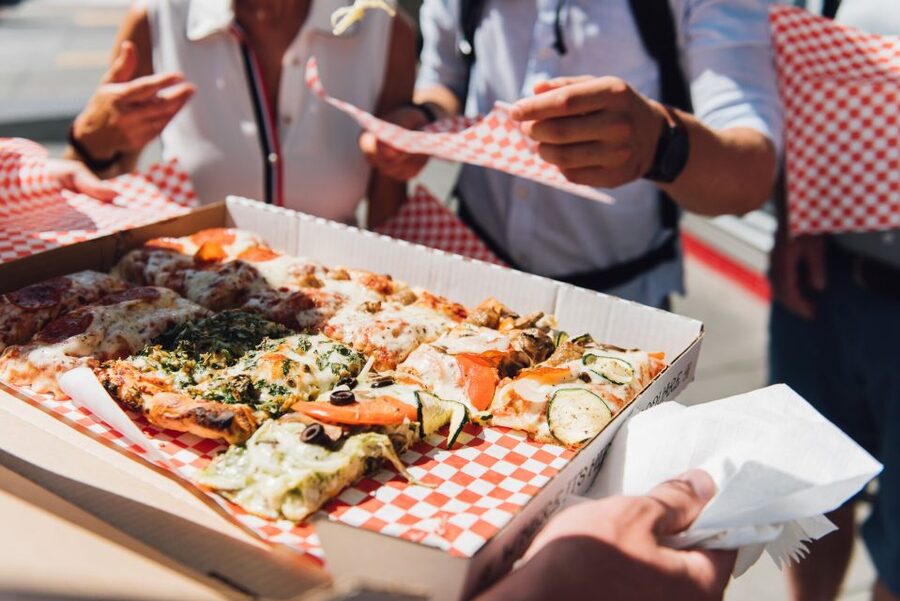
Then the tour turns to one of San Francisco’s most character-filled historical stretches: the Barbary Coast. This area was known in the 19th and early 20th centuries for nightlife—think dance halls, concert saloons, and brothels—so your guide frames what you’re seeing now by explaining what used to happen here.
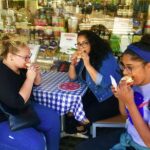
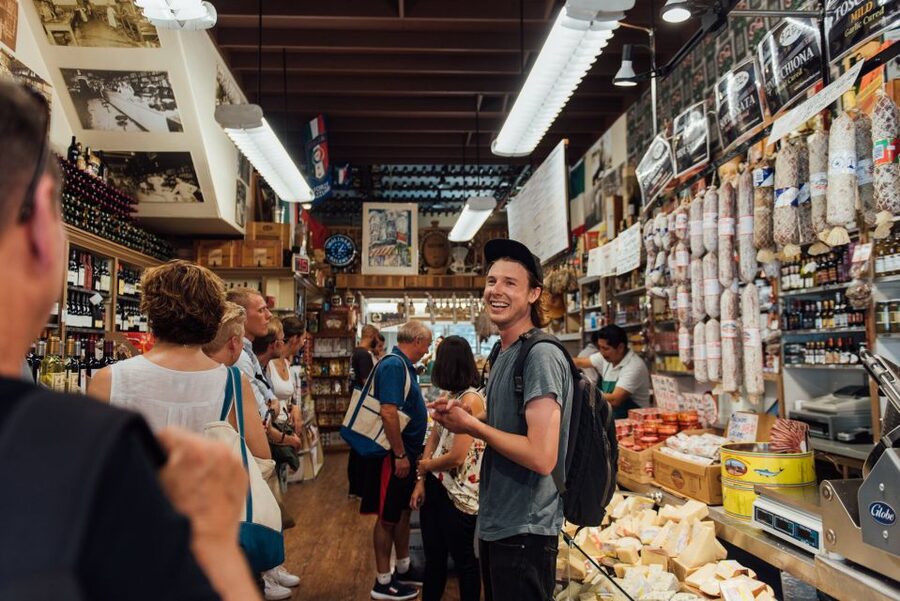
And yes, you stop to eat while the history is fresh. You’ll sample things like Ghiradelli chocolate, saltwater taffy, homemade fudge, and caramel popcorn while learning about the Jazz Age side of the era.
One reason this food-history combo works: it makes the past feel specific. Instead of just hearing dates, you’re getting the “what would someone have bought or craved” vibe, then pairing it with the guide’s anecdotes.
North Beach, Little Italy: Gold Rush Facts Plus Italian Comfort Food
After the Barbary Coast, you head into North Beach, often called Little Italy. Here the tour leans into the Wild West era, with the guide connecting neighborhood life to the Gold Rush of 1849 and the way newcomers shaped the city’s identity.
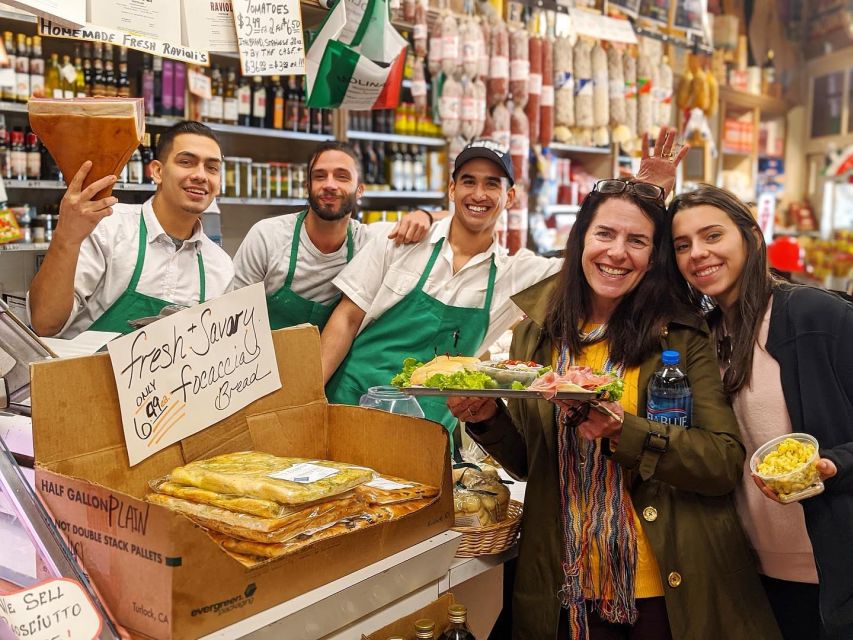
This part is built for people who like their food with personality. You’ll taste Italian-style favorites such as pastries, pizza, sandwiches, cakes, antipasto, and aged cheese—and it’s a good pacing moment because the flavors feel coherent even while the menu keeps moving.
I also like how the guide brings in real-world context by chatting with small business owners. If you’re the type who enjoys learning how places operate day to day, this is where the tour turns from sightseeing into something closer to neighborhood conversation.
Chinatown: Dim Sum, Fortune Cookies, and Street-Level Energy
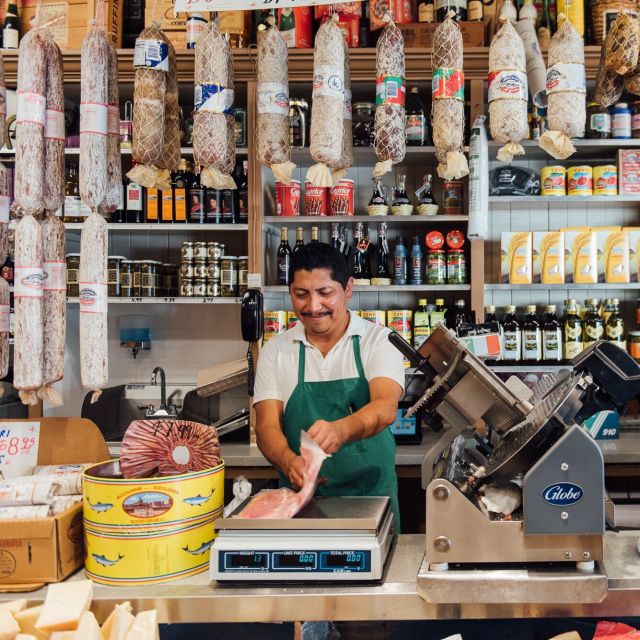
Finally, you arrive in Chinatown, where the tour shifts from European immigrant stories to a much wider mix of street food culture and shop life. The guide shows you around the area’s mix of shops and vendors, then points you toward the tastings that make the district famous.
The headline here is dim sum. You’ll sample steaming bites and get a feel for how busy, ingredient-focused, and variety-driven Chinatown meals can be—perfect for anyone who likes to try multiple small portions rather than one big plate.
You’ll also wander through the souvenir shops, but the tour keeps you from drifting. Instead of shopping as a chore, it’s part of the learning arc: what people sell, what visitors buy, and how the area presents itself.
Then comes a standout visit: The Golden Gate Fortune Cookie Factory. You learn the factory’s history, and you also try a fresh fortune cookie. Even if you think fortune cookies are just a gimmick, it’s hard not to enjoy the moment when it’s tied to a real local story and you taste it warm.
What the 15+ Tastings Actually Do for Your Trip
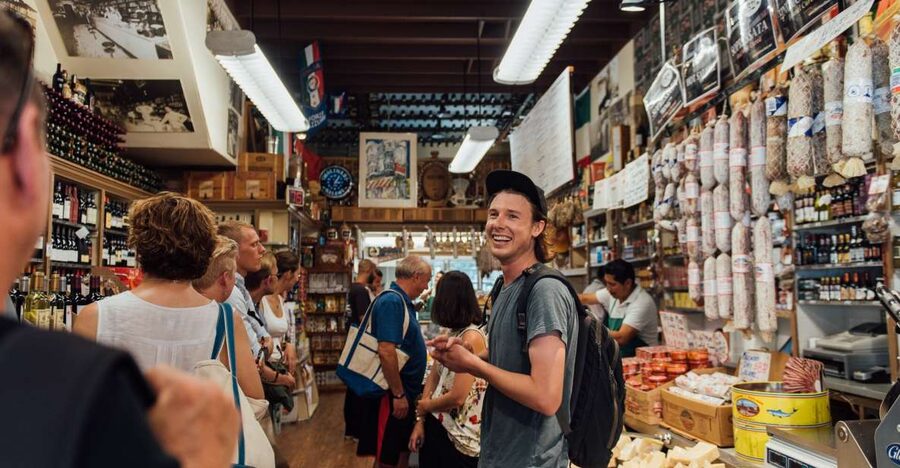
The food volume on this tour is the point: you’ll try 15+ different foods, including pastries, sandwiches, savory snacks, sweets, and dim sum. For a short San Francisco visit, this is a smart way to taste across multiple culinary traditions without planning separate meals in each neighborhood.
I love tours like this when they help you figure out what you want to return for. After this kind of sampling, you can usually tell whether you want a second look at the Italian side of North Beach, whether you’re craving more Chinatown street food, or whether you’re more into the dessert-and-snack stop culture.
That said, you should go in hungry but also realistic. With that many stops, the best strategy is to take smaller bites and pace yourself. The tour includes water, which helps, but the full schedule still moves fast because you’re sampling constantly.
Guide Factor: Stuart’s City Connections Make It More Than Food
A tour can have great snacks and still feel like a checklist. What makes this one land is the guide’s personality and the way the tour connects people to place.
Stuart is repeatedly described as a strong fit for this route, especially because he grew up in San Francisco and knows how to connect the dots across districts. You’re not just hearing facts about the Gold Rush and Jazz Age; you’re also getting day-to-day context about the neighborhoods that still exists in shops and conversation.
And because the group stays small—10 participants max—you get chances to ask questions. That matters when you’re trying to understand how a place works beyond the tourist view.
Price and Practical Value for a 4.5-Hour Walk
At $99 per person for about 270 minutes, this isn’t a bargain snack run. But it can be good value if you consider what’s included: a live guide, water, a map, entry tickets, and food tastings. You’re paying for organization plus access plus interpretation, not just food.
I think this price makes sense if you’re the type who wants structure. Instead of building an itinerary that strings together Chinatown, North Beach, and a stop at a smaller redwood park, you get it sequenced for you with historical framing as you go.
If you already know you’ll eat your way through multiple neighborhoods anyway, you might feel like it’s pricey. But if you want one efficient afternoon where you taste widely and get history tied to actual stops, this is the kind of spend that can pay off.
Getting the Most Out of It (Without Overthinking)
This tour is wheelchair accessible, and it uses a small group format. Still, you’ll be walking through neighborhoods with sidewalks and storefronts, so the obvious practical advice is the one they give you: wear comfortable shoes.
Also plan for the tour’s food style. This is tasting-focused, meaning you’ll sample lots of items rather than sit for a long meal. It’s ideal if you prefer variety and hate committing to one dish before you’ve seen what else is available.
If you’re sensitive to heavy walking, you’ll need to pace yourself from the start. The route covers several neighborhoods, and the tastings mean you’ll likely want to pause when you can rather than force everything down quickly.
Who This Tour Suits Best
This one fits best if you like:
- Food with context, where the history explains why the neighborhood feels the way it does
- Sampling multiple cuisines without planning each stop yourself
- A guide-led walk that ends in a hands-on moment like the fortune cookie tasting
It also works well early in your trip. Once you’ve tasted your way through the main neighborhoods—Financial District to Barbary Coast to North Beach to Chinatown—you’ll have clearer ideas about what to revisit later.
Should You Book the San Francisco North Beach & Chinatown Food History Tour?
I’d book it if you want a single afternoon that covers major neighborhoods, tells Gold Rush and Jazz Age stories in plain language, and feeds you across desserts, savory bites, Italian favorites, and dim sum. The small group size and the guide’s connection to local business owners make it feel personal, not scripted.
Skip it if you dislike walking or if you’d rather spend your day choosing your own restaurants one by one. Also consider the food quantity: it’s a tasting tour with lots of samples, so you’ll want to pace yourself and not plan another big meal right after.
FAQ
Where does the tour start?
Meet at Mark Twain Alley, located behind the Transamerica Pyramid Redwood Park. Your guide will be in front of the park entrance, off Sansome Street between Clay and Washington Street.
How long is the tour?
The duration is 270 minutes (about 4.5 hours).
How much does it cost?
The price is $99 per person.
What will I eat during the tour?
You’ll taste 15+ different foods, including items such as dim sum, pastries, pizza, sandwiches, cakes, antipasto, aged cheese, and sweets like Ghiradelli chocolate, saltwater taffy, homemade fudge, and caramel popcorn.
Is the tour wheelchair accessible?
Yes, the tour is listed as wheelchair accessible.
How big is the group?
It’s a small group limited to 10 participants.
What’s included in the price?
Included are a guide, water, a map, entry tickets, and food tastings.
Is there a separate entrance to speed things up?
Yes, it includes skip the line through a separate entrance.
What should I bring?
Wear comfortable shoes, since it’s a walking tour. Water is included, but good footwear matters most.