REVIEW · GRANADA
Albayzín y Sacromonte, Unesco Heritage Neighborhoods
Book on Viator →Operated by My Top Tour · Bookable on Viator
Granada’s hills have a secret map. This guided stroll through Albaycín and Sacromonte is one of the easiest ways to get a real sense of how Granada grew, from old Muslim quarters to cave-dwelling flamenco culture. I love the chance to spot lingering traces like mosque remains and cisterns, and I love the viewpoints where the Alhambra and even the Sierra Nevada show up in the same frame.
One thing to consider: this is a walk on steep, winding streets with stairs, so comfy shoes matter.
The route is designed so you don’t waste time guessing your way up and down. You’ll follow an official guide, and you’ll spend roughly 2 hours and 30 minutes actually walking and stopping, with the big scenery moments built in.
In This Review
- Key things you’ll notice on this Albaycín and Sacromonte walk
- Why Albaycín and Sacromonte belong together
- Murallas del Albaycín: mosques, cármenes, and the mirador rhythm
- Sacromonte caves: ravines, caló culture, and zambras atmosphere
- Walking pace, stairs, and why the 5:00 pm start helps
- Photo planning: Alhambra towers, Sierra Nevada, and Darro river frames
- English guide quality and small-group advantages (with a note on hiccups)
- Money and value: $21.78 for 2–3 hours in UNESCO neighborhoods
- Who this tour suits best (and who should choose a different plan)
- Final call: should you book Albaycín and Sacromonte?
- FAQ
- How long is the Albaycín and Sacromonte tour?
- Where does the tour start and where does it end?
- What time does the tour begin?
- Is the tour offered in English?
- Do I need tickets for monuments?
- How large is the group?
Key things you’ll notice on this Albaycín and Sacromonte walk
- You get navigation help. The guide keeps you moving through tight lanes and viewpoints without the usual getting-lost stress.
- Albaycín details are specific. Think winding “hidden” streets, luminous little squares, and remnants like minarets and cisterns.
- Cármenes are a core theme. You’ll see the Granada way of living: garden houses and Mudejar-style towers.
- Sacromonte caves aren’t just scenery. The caves form a neighborhood built around ravines, tied to caló culture and zambras.
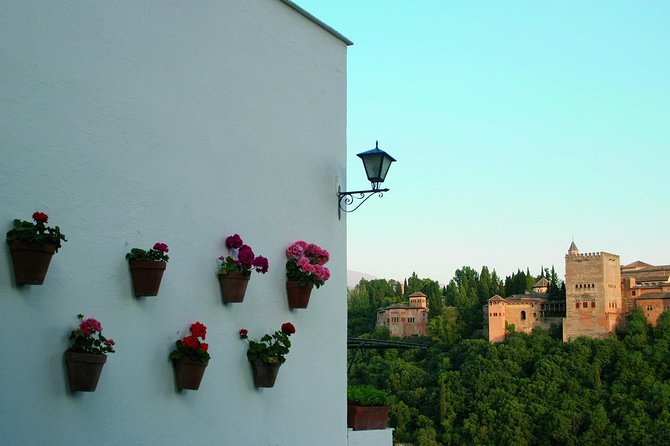
- Views come fast and often. You’ll line up classic shots of the Alhambra towers and wide panoramas over Granada.
Why Albaycín and Sacromonte belong together
If you only look at the Alhambra from far away, you miss half the story. Albaycín and Sacromonte sit on the slopes where daily life and performance culture overlap with major historic chapters of Granada.
This tour works as a pair because the neighborhoods “explain” each other. Albaycín shows the older urban fabric: narrow lanes, churches layered over earlier footprints, and the distinctive housing style of cármenes. Then Sacromonte shifts the mood to caves and spectacle, where the landscape itself shapes the streets and where flamenco traditions have long had a home.
It’s also practical: the tour is about 2 to 3 hours, and it’s built around a walking route with planned stops. With a max group size of 15, the guide can actually keep an eye on everyone as the terrain changes.
You can also read our reviews of more historical tours in Granada

Murallas del Albaycín: mosques, cármenes, and the mirador rhythm
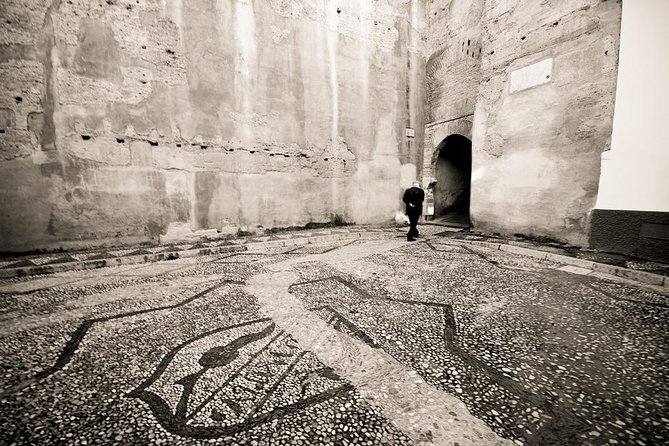
Your walk starts at the Murallas of Albaycín, in the older part of Muslim Granada that grew alongside the Alhambra. The neighborhood was once home to around 40,000 people and had roughly 30 mosques. Today, you won’t see everything in full form, but you can still read the past in remnants like mosque traces, minarets, and those Spanish-Muslim cisterns.
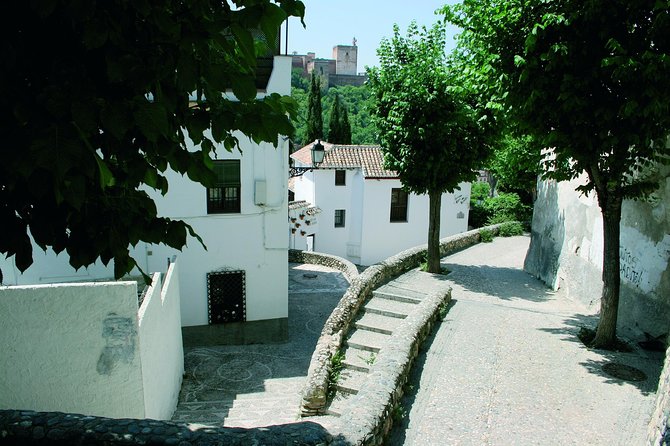
What I like most here is how the streets feel designed for discovery. The lanes are narrow, winding, and easy to lose track of if you’re exploring alone. With a guide, you can focus on what you’re seeing instead of constantly checking your phone.
You’ll also get the cármenes angle, which is very Granada. A cármen is a garden house style that often includes towers with Mudejar influence. Even if you can’t enter every property, the exterior layout and the way greenery appears between walls helps you understand why the neighborhood looks the way it does.
The tour also builds in the classic viewpoint rhythm. The miradors of San Nicolás and San Cristóbal are key here, because this is where you really register the geography: Granada spread out below, the Alhambra’s presence pressing in from above, and the hills turning into a natural “frame” for photos.
Practical note: this part is scenic, but it isn’t flat. Expect uphill and downhill steps, and plan for a steady pace rather than a sprint.
Sacromonte caves: ravines, caló culture, and zambras atmosphere
After Albaycín, the mood shifts as you head toward Sacromonte. This is the traditional suburb of Granada’s Romani community, often associated with caló language and a long story of movement across Europe and Africa before arriving in Spain in the 15th century.
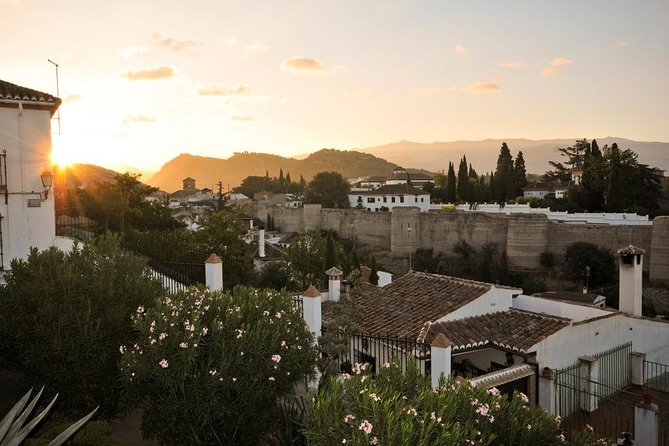
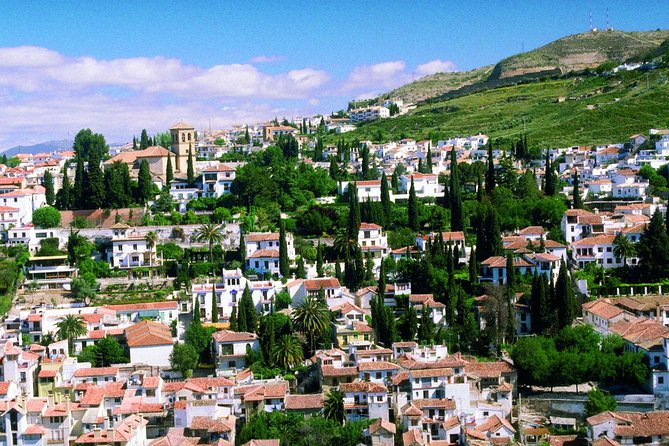
Sacromonte’s look is unmistakable: a reddish, dry hill covered with pitas and prickly pears. As you walk, the panoramas widen. You can see the Alhambra towers, the white slopes connected with farm houses in the area, and the Valparaíso Valley where the Darro river runs.
The tour’s Sacromonte stop emphasizes the caves as neighborhood, not just attractions. The caves cluster around ravines, so the “streets” can feel like natural corridors carved by the terrain. When you picture it right, you understand why these caves became home for centuries for gypsies, bohemians, and flamenco artists.
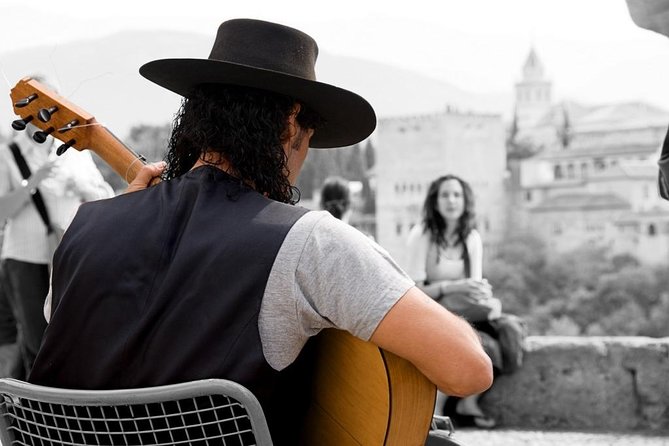
And yes, the flamenco connection is central. Zambras—the cave performances—are tied to deep passion and dark mystery in the storytelling around this area. The tour doesn’t require you to treat this as a museum lesson. It’s more like learning why the setting matters: caves shaped by rock, sound shaped by space, and a tradition shaped by the hillside.
You might also get a practical sense of cave layout: an entrance that often leads to the kitchen near the dining area, plus bedrooms depending on the cave. It’s the kind of detail that helps the neighborhood feel lived-in rather than “staged.”
Walking pace, stairs, and why the 5:00 pm start helps
This is a walking tour, and the terrain is the real schedule-maker. Between Albaycín’s winding lanes and the steps that lead toward miradors, you’ll be climbing and descending for much of the experience.
That’s also why the timing matters. The tour starts at 5:00 pm, which is typically a great window for soft light and longer shadows—ideal for viewpoint stops. It also fits a common Granada rhythm: you do major sights earlier, then come back for neighborhoods that reward slower pacing.
As for length, the visit is around 2 hours and 30 minutes, with about an hour at the Albaycín walls area and roughly 45 minutes in Sacromonte. There’s still walking time between stops, so don’t treat the numbers as a strict “sit and listen” format. You’re moving through streets.
If you’re sensitive to stairs, don’t pretend you’re fine because you walked once at the Alhambra. The difference here is constant elevation changes in tight spaces. If you love viewpoints but want minimal climbing, you might want to think twice.
Photo planning: Alhambra towers, Sierra Nevada, and Darro river frames
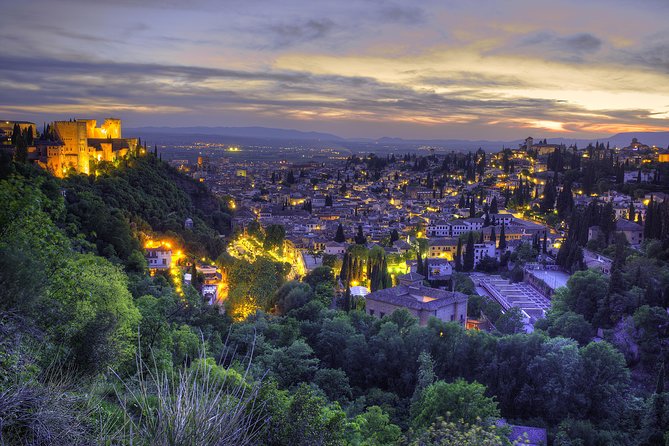
This tour is built for photos, but in a smart way. The highlights aren’t random “stand here” moments. You’re guided to viewpoints where the scenery layers correctly.
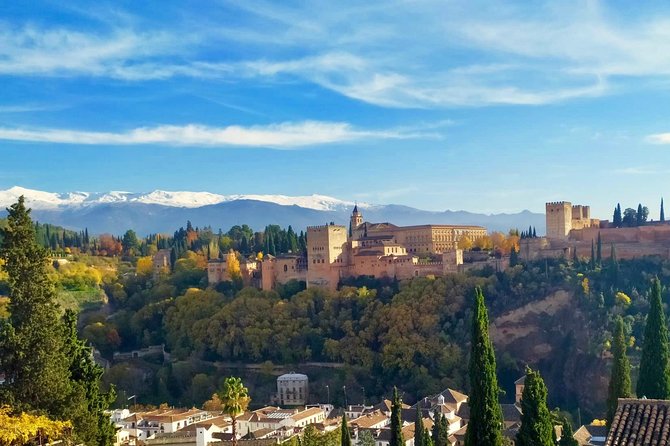
From Albaycín, the big payoff is the pairing of Granada’s neighborhood textures with the Alhambra in the background. San Nicolás and San Cristóbal are classic because they show the city as a whole—roofs, church shapes, and the Alhambra’s towers all in one sweep. The guide’s navigation matters because the best angles often require you to be at the right part of the slope.
From Sacromonte, the photos broaden. You’re looking at the Alhambra towers again, but now with a different foreground—reddish hills, pitas, prickly pears, and the valley lines that lead toward the Darro. The Valparaíso Valley and the Darro river add depth, which makes the landscapes feel less like a wall of buildings and more like a living system of slopes and water.
If you’re a camera person, the tour can work well because people aren’t rushed at each stop. The pace is generally steady, and the stops are designed so you can frame shots without feeling shoved along.
One realistic tip: bring something for your phone battery. You’ll be outside, on screens, and moving up and down.
English guide quality and small-group advantages (with a note on hiccups)
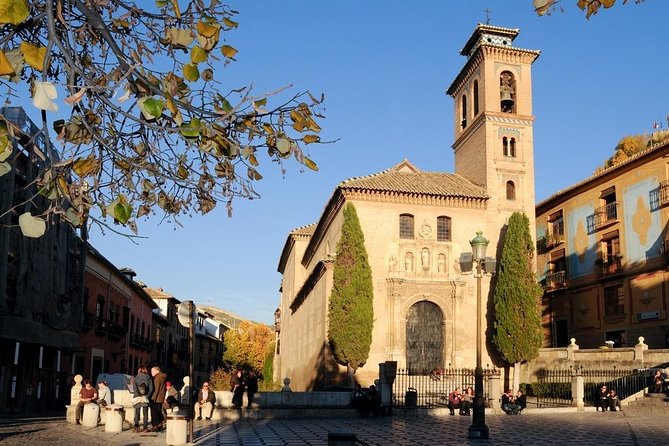
This tour is offered in English, and it runs with an official tourism guide. The group size is capped at 15, which is a huge deal in Granada’s hills. In a larger group, you’d constantly lose people in stairways and narrow lanes. Here, you’re more likely to stay together.
I’ve seen guide names pop up in the experience reports that can give you a sense of the kind of guiding style you might encounter—examples include Ana, Jaime, Juana, and Alexandra. Whoever you get, the best part is that the guide handles the navigating. That’s what turns the walk from a map-chasing exercise into an actual sightseeing experience.
Still, I’ll be honest about something important: a couple of bookings have reported a guide not showing up at the meeting point. I can’t promise that risk disappears in any company, but you can reduce your odds of stress by arriving early and staying alert at the start location.
Money and value: $21.78 for 2–3 hours in UNESCO neighborhoods
At $21.78 per person, you’re paying for two things: guided navigation through tricky terrain and interpretation of what you’re seeing. You’re not paying for entry tickets that cost extra.
The tour includes an official guide and about 2 hours and 30 minutes on the ground. Monument tickets are not included, but the stops listed here are marked as free admission. Food and drinks also aren’t included, so plan to snack before or after.
So what’s the real value? You’re getting access to the “how it makes sense” part. Albaycín isn’t just pretty streets; it’s a surviving layer of mosque-era Granada with cisterns, minarets, and the distinctive cármen way of building. Sacromonte isn’t just a hillside of caves; it’s tied to caló culture and the setting for zambras. A guide helps you connect the dots while you walk.
And in a city like Granada, where getting lost can cost you time and energy, paying for a guide is often the easiest trade you’ll make.
Who this tour suits best (and who should choose a different plan)
This is a strong match if you:
- want a guided overview of two UNESCO-listed neighborhoods rather than one
- enjoy walking with breaks for photos and viewpoint stops
- like historical context tied to everyday places (streets, houses, churches, caves)
- want an easier route through winding terrain than DIY exploring
It’s also a good choice if you’re doing the Alhambra day and want a complementary view from the neighborhoods that surround it. The Albaycín viewpoints and Sacromonte panoramas help you understand the Alhambra’s position in the city’s geography.
It may be a weaker fit if you:
- have trouble with hills, stairs, and constant elevation changes
- hate walking and prefer minimal moving time
Also, bring realistic expectations about what you’ll cover. This is not a deep museum-style lesson. It’s a neighborhood walk with interpretation.
Final call: should you book Albaycín and Sacromonte?
Yes, if you want the best kind of Granada experience for the time you have: a guided route through two distinct UNESCO neighborhoods where the views and the culture connect. The navigation help alone is worth it, and the viewpoint stops give you the classic Alhambra shots without turning the day into a stressful scavenger hunt.
I’d book this tour if you’re comfortable with hills and you’re aiming for late-afternoon light around the 5:00 pm start. Skip it only if stairs are a deal-breaker for you.
If you do book, show up a bit early at Plaza de Santa Ana, keep your schedule calm, and treat the walk as the main event. This one works best when you slow down and let the neighborhoods teach you their shape.
FAQ
How long is the Albaycín and Sacromonte tour?
It lasts about 2 to 3 hours in total, with the overall visit time listed as 2 hours and 30 minutes.
Where does the tour start and where does it end?
The tour starts at Plaza de Santa Ana (Pl. de Sta. Ana, Granada, Spain) and ends in the Albaicín area of Granada.
What time does the tour begin?
The start time listed is 5:00 pm.
Is the tour offered in English?
Yes, it’s offered in English.
Do I need tickets for monuments?
Monument tickets are not included. The stops in the route are listed as free admission, but you should plan for anything else you might want to enter separately.
How large is the group?
The tour has a maximum of 15 travelers.