REVIEW · KATHMANDU
Kathmandu Heritage Tour – Private Full-Day UNESCO Sites & Temples
Book on Viator →Operated by Himalayan Recreation Treks & Expedition Pvt.Ltd · Bookable on Viator
Kathmandu’s sacred sites feel like a living map. This private full-day plan strings together UNESCO landmarks and iconic temples—Swayambhunath, Kathmandu Durbar Square, Pashupatinath, and Boudhanath—so you can get your bearings fast. I love that you also get a human, present-day angle on Nepal after the 2015 earthquake, not just postcard views.
The second thing I like: you’re not stuck “on your own with a taxi.” With a private guide, private vehicle transport, bottled water, and hotel pickup/drop-off, the day runs smoothly even if traffic is… Kathmandu traffic. The one drawback to plan around is that entrance fees and lunch are extra, and those site tickets add up.
Key Points to Know Before You Go
- Private guide + private vehicle with hotel pickup and drop-off, so you’re not juggling buses or maps.
- Major UNESCO stops in one day, built for first-time Kathmandu orientation.
- Earthquake context included so you understand what you’re seeing, including damaged areas.
- Temple variety across Buddhist and Hindu sites, from Monkey Temple to Boudhanath stupa.
- Most stops are short, which is great for coverage, but you’ll want comfy shoes.
In This Review
- A One-Day UNESCO Hit List Around Kathmandu Valley
- Pickup, Private Transport, and Pacing That Actually Works
- Stop at Swayambhunath: Hilltop Temple Views and the Monkey Factor
- Kathmandu Durbar Square and Kumari Chowk: Royal Squares and a Living Tradition
- Basantpur Dabali, Hanuman Dhoka Details, and Quick Temple Stops
- Pashupatinath Temple and the Crematoria: Hindu Sacred Life Up Close
- Boudhanath Stupa and Garden of Dreams: Buddhism’s Scale Plus a Quiet Reset
- Earthquake Damage in 2015: What You’ll Notice and How to Read It
- Guides Who Make the Day Click: What to Expect From Your Host
- Price and Value: What $60 Gets You (and What Adds Up)
- Who This Tour Fits Best (and Who Might Want a Different Plan)
- Should You Book This Kathmandu Heritage Tour?
- FAQ
- What’s included in the tour price?
- Are entrance fees included?
- How long is the tour?
- Does the tour include pickup from my hotel?
- Is this tour private?
- What should I budget for lunch?
- Can I change my booking date or time?
A One-Day UNESCO Hit List Around Kathmandu Valley
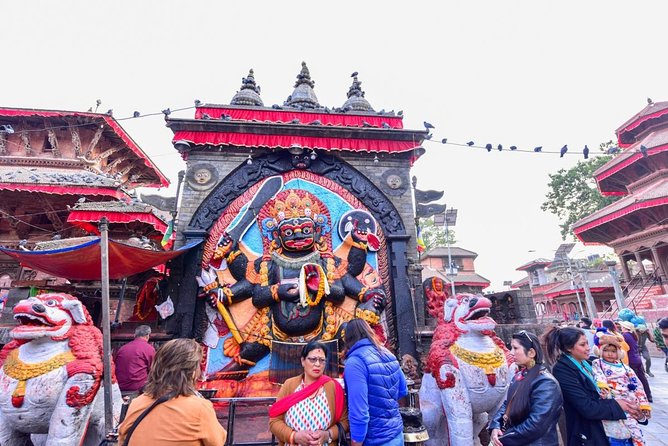
If you only have one full day (or you want to start your trip with real structure), this tour does the heavy lifting. You’ll move through a tight loop of Kathmandu Valley icons—places that are central to both Hindu worship and Tibetan-influenced Buddhism in Nepal.
I like that it’s not just monuments on a checklist. The guide frames what you’re looking at with meaning, and you also hear how the 2015 earthquake affected Nepal’s people and the top attractions you’ll visit.
The day is built for 5 to 8 hours, depending on timing and pacing. That means you’ll get “big sights” without needing to plan each stop, each ticket, and each route.
Pickup, Private Transport, and Pacing That Actually Works
This is a private tour for your group with a maximum of 10 people per booking, so you should expect a more flexible day than a large-group bus tour. Transport is by private vehicle, and you get hotel pickup and drop-off.
You also get bottled water included, which sounds small until the day gets warm and you’re doing a lot of steps. Expect the tour to be structured, but not rigid: multiple reviewers praised guides who kept the flow smooth and adjusted pace, especially for photos.
There’s a practical catch: the itinerary is packed with many stops and some are quick. That’s fantastic if you want coverage, but if you hate crowds or you prefer long, slow time in one place, you might feel rushed.
You can also read our reviews of more private tours in Kathmandu

Stop at Swayambhunath: Hilltop Temple Views and the Monkey Factor
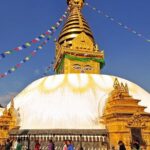
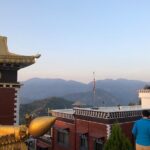
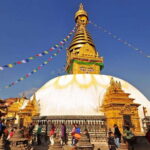
Swayambhunath (often called Monkey Temple) is the first big “wow” stop for a reason. It sits up on a hill, giving you panoramic city views as you approach and explore. The site is described as having over 3,000 years of history and it’s one of Nepal’s main Buddhist sites.
Plan for a classic sacred-site experience: lots of stairs, lots of viewing angles, and plenty of people. If you’re sensitive to crowd crush, go with a calm mindset and lean on your guide for timing and where to stand for the best angles.
Ticket cost is not included here, so it’s one of the entries you’ll need to budget for. Still, Swayambhunath is worth it early in the day because the views and viewpoints make the rest of Kathmandu feel more connected.
Kathmandu Durbar Square and Kumari Chowk: Royal Squares and a Living Tradition
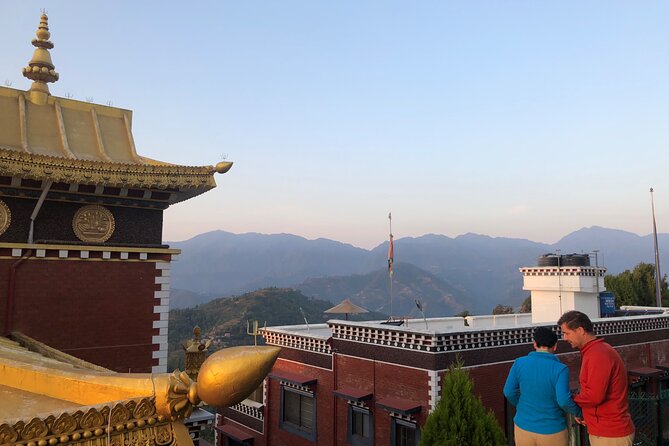
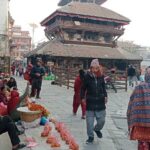
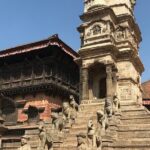
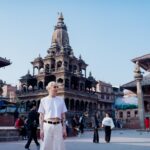
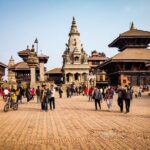
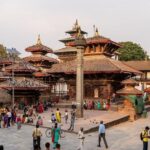
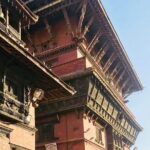
Kathmandu Durbar Square is where the city’s royal past is written in stone. You’ll see the ornate 16th-century royal residence area, and your guide can explain what parts were built for, how the architecture worked, and what survives today.
One of the most distinctive moments here is Kathmandu’s Kumari, a living goddess. The itinerary includes Kumari Chowk, where the tradition involves a virgin girl who is worshipped as the goddess Durga in human form. Sometimes you can catch a glimpse from the windows, so keep your eyes open and don’t assume you’ll see it on every visit.
You’ll also spend time around Hanuman Dhoka and related squares. This area blends myth and public space in a way that feels very Kathmandu—especially with the presence of monkeys in the square that’s built to honor Hanuman.
This stop isn’t just about looking. It’s about watching how locals move through the site and how the rituals shape the feel of the place. That’s a big reason this tour is a strong first-day choice.
Basantpur Dabali, Hanuman Dhoka Details, and Quick Temple Stops
Not every stop is meant to be long. You’ll make brief stops that are easy to miss if you’re traveling solo—small temple areas and historic spots that add texture to the day.
For example, Basantpur Dabali is a very old tourist center area with a Hindu temple, but it’s scheduled as a shorter visit. Taleju Bhawani Temple (noted in the plan as connected to Bhaktapur) also appears as a short stop focused on a powerful goddess and the Malla kings who ruled Nepal for centuries.
These quick stops can be great if your goal is to sample many “flavors” in one day—street-scale Hindu devotion, royal-era temple references, and small architectural moments. The drawback is simple: you won’t have time to settle into one site for deep, slow wandering.
If you love photos, this is actually useful. Quick stops give you more variety per hour, and the private guide can help you find angles without wasting time.
Pashupatinath Temple and the Crematoria: Hindu Sacred Life Up Close
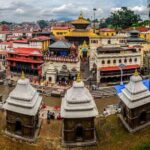
Pashupatinath is one of the most important Hindu sites in the world, and the tour gives it a full presence in the day. You’ll spend time at the temple itself, and later you’ll also see the crematoria area.
The plan specifically calls out the richly ornamented pagoda and the sacred linga (phallic symbol) of Lord Shiva. The site is about worship and belief, but it’s also about how people live with their religion day to day—and how that religion moves with life and death.
The crematoria segment is described as constant action, with a tone that feels reverent rather than performative. It may sound heavy, but that’s exactly why it’s such a powerful cultural experience. You’ll likely want a respectful pause here, take your time, and follow your guide’s cues on where to stand and how to observe.
Ticket cost is not included for Pashupatinath and the crematoria area in the plan, but the tour notes that fees apply at the Pashupatinath entrance area. Translation: you’ll likely still pay something here, just not necessarily for every sub-area the same way.
This is the stop where the tour’s balance really matters. You’re seeing sacred architecture, yes, but also the emotional and practical reality that sits around it.
You can also read our reviews of more historical tours in Kathmandu
Boudhanath Stupa and Garden of Dreams: Buddhism’s Scale Plus a Quiet Reset
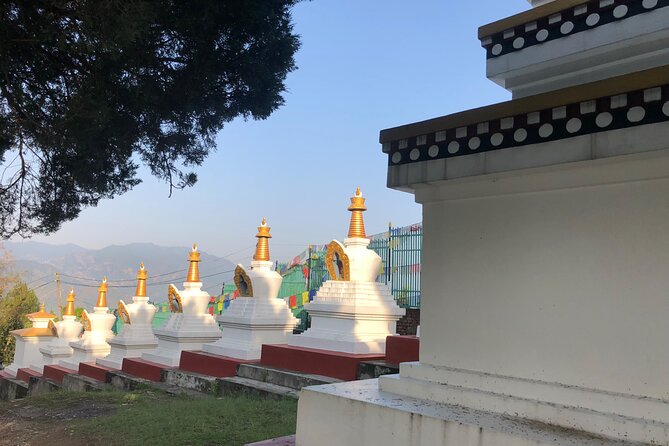
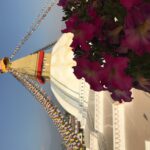
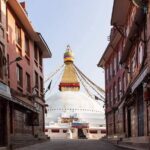
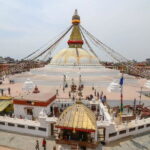
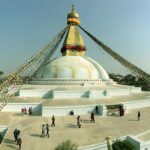
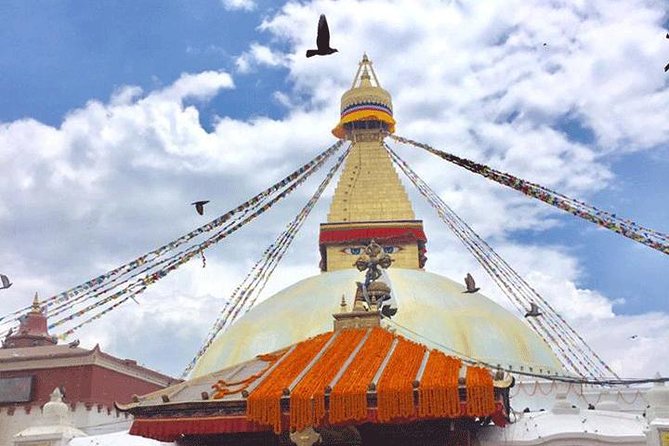
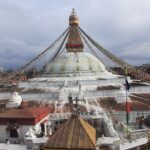
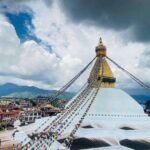
After the intensity of Pashupatinath, Boudhanath feels like a reset. The plan includes Boudhanath stupa, described as about 2,500 years old and built in the 5th century. You’ll see the stupa’s four pairs of eyes facing four cardinal directions—an iconic design that makes the place feel watchful and steady.
This stop again is scheduled as about an hour, which works well. It’s long enough to circle areas, sit if you want to, and take in how people use the space for prayer and reflection.
Ticket cost is not included for Boudhanath in the plan, so budget accordingly. But for many first-timers, this is one of the easiest places to understand Kathmandu’s Buddhist side without needing hours of background reading.
The day also includes the Garden of Dreams, described as a neo-classical historical garden with formal European-style elements like paved paths. It’s a calmer, more gentle stop that breaks up the temple intensity and gives you a chance to walk without crowds pressing in the same way.
Earthquake Damage in 2015: What You’ll Notice and How to Read It
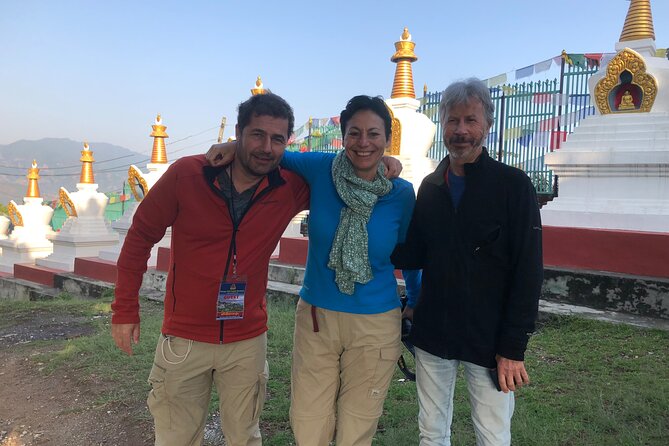
One of the tour’s strongest, most human parts is that it doesn’t treat the sights as frozen in time. The plan explicitly notes that some of the visited sites were significantly damaged by earthquakes in April and May 2015, and your guide explains how this affected Nepal’s people and the attractions.
In practical terms, you might see repairs, altered surfaces, reconstruction work, or areas where damage still changes the look and feel of structures. The key is to treat those visible scars as part of the story, not as a “problem” to get annoyed about.
If you’re the type who likes meaning, this context makes the day much more than a photo tour. It also helps you understand why certain parts might look different from older images you’ve seen.
Guides Who Make the Day Click: What to Expect From Your Host
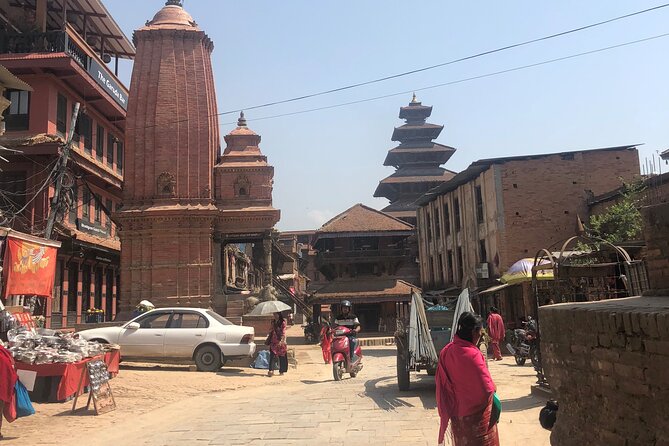
The biggest pattern across the feedback is guide quality—clear explanations, calm pacing, and smooth coordination. Specific names mentioned include Krishna, Jamuna, Janina, and SuJan, and the common theme is practical help plus solid English.
That matters because these sites can be overwhelming. Without someone who can connect the architecture and rituals to what you’re seeing, Kathmandu’s sacred spaces can blur together fast.
A good guide also helps you navigate the rhythm of a day like this: where to pause, when to move, and how to keep the day from feeling like you’re sprinting. Several comments praised guides who were patient with photos and adjusted the pace so you didn’t feel bulldozed through.
If you have questions about what something means—gods, architecture, traditions—this tour is set up for that kind of conversation.
Price and Value: What $60 Gets You (and What Adds Up)
At $60 per person, the value depends on what you compare it to. The tour includes private guide, private vehicle transport, hotel pickup/drop-off, and bottled water. For many visitors, that saves time and stress in a city where traffic and planning can slow you down.
What’s not included is food and drinks, souvenir photos, and entrance fees. The tour also notes you should expect about $10 for lunch purchased locally. Add in site tickets, and your budget needs to stretch a bit.
Based on what I’d plan for in real life: entrance fees can be a noticeable extra line item. One budget example described paying roughly $60 total in entry fees across multiple sites, with many entries around $10 to $15 and at least one cheaper entry. Since amounts can vary by site and situation, I’d still treat entrance fees as a must-budget expense.
Tip for your wallet: ask the guide or operator ahead of time what the expected entry fees are for the specific sites you’ll cover. You’ll avoid that annoying moment of realizing you have to pay more than you pictured.
Who This Tour Fits Best (and Who Might Want a Different Plan)
This tour is ideal if:
- you’re first-time in Kathmandu and want a guided, structured overview
- you want both Hindu and Buddhist highlights in one day
- you like learning the meaning behind monuments, not just taking photos
- you want a private setup with pickup, transport, and a guide handling the timing
It may be less ideal if:
- you hate fast movement between sites
- you’re on a very tight budget and don’t want extra entrance fees
- you prefer a quieter day focused on fewer places
One practical note: the day is mostly walking. There are lots of stairs and uneven temple areas, especially at hilltop sites like Swayambhunath. Comfortable shoes are not optional.
Should You Book This Kathmandu Heritage Tour?
I’d book this if you want your first Kathmandu day to feel purposeful. The mix of UNESCO sites, the earthquake context, and the private guiding style makes it more than a checklist—you get a story that connects everything.
Don’t book it blindly if you’re trying to minimize spending, because entrance fees and lunch are extra. If you plan for those costs and bring patience for crowds and steps, you’ll get strong value from the time you save.
If you’re flexible and you want a guide who can explain what you’re seeing, this is the kind of day that helps the rest of your trip make sense.
FAQ
What’s included in the tour price?
Hotel pickup and drop-off, bottled water, a private tour guide, and transport by private vehicle are included.
Are entrance fees included?
No. Entrance fees are at your expense, and some stops list admission tickets as not included.
How long is the tour?
It runs about 5 to 8 hours, depending on timing and the day’s pacing.
Does the tour include pickup from my hotel?
Yes. Hotel pickup and drop-off are included in Kathmandu.
Is this tour private?
It’s a private tour/activity, with only your group participating. The maximum group size per booking is 10.
What should I budget for lunch?
The tour notes you should expect to spend around $10 USD for lunch purchased locally.
Can I change my booking date or time?
Yes. The tour is listed as free to change the date and time.