REVIEW · SANTA MARIA CAPUA VETERE
Amphitheater of Ancient Capua: 2-Hour Private Guided Tour
Book on GetYourGuide →Operated by Askos Tours · Bookable on GetYourGuide
Spartacus still pulls you in. A private walk through ancient Capua is one of the few ways to connect Roman entertainment with real human suffering, because this is the place where the gladiator revolt began. You’ll pair the Roman amphitheater with two key stops that explain both the games and the religion tied to the underworld side of Roman life.
I especially like how the tour hits two angles at once: the Spartacus amphitheater for the big story, then the Gladiator Museum so you see what gladiators actually trained for and wore. I also like the practical setup—skip-the-line admission with a live guide, so you spend more time looking and less time waiting.
One drawback to keep in mind: the amphitheater is closed on Mondays, so you’ll want to plan around the calendar.
In This Review
- Key highlights worth planning for
- Why Capua Matters Beyond the Gladiator Myth
- Starting at Anfiteatro Campano e Museo dei Gladiatori
- The Roman Amphitheater of Spartacus: history you can see
- Gladiator Museum: understand the world behind the fights
- Santa Maria Capua Vetere and the Temple of Mitra
- When a closed temple changes the plan
- How the 2 hours actually feel: private pacing, real comfort
- Price and value for a private guided experience
- Who this tour suits best
- A quick note on accessibility
- Should you book Amphitheater of Ancient Capua?
- FAQ
- How long is the private guided tour?
- What does the tour include?
- Where do I meet the guide?
- What stops are visited during the tour?
- What languages are offered?
- Is it wheelchair friendly?
Key highlights worth planning for
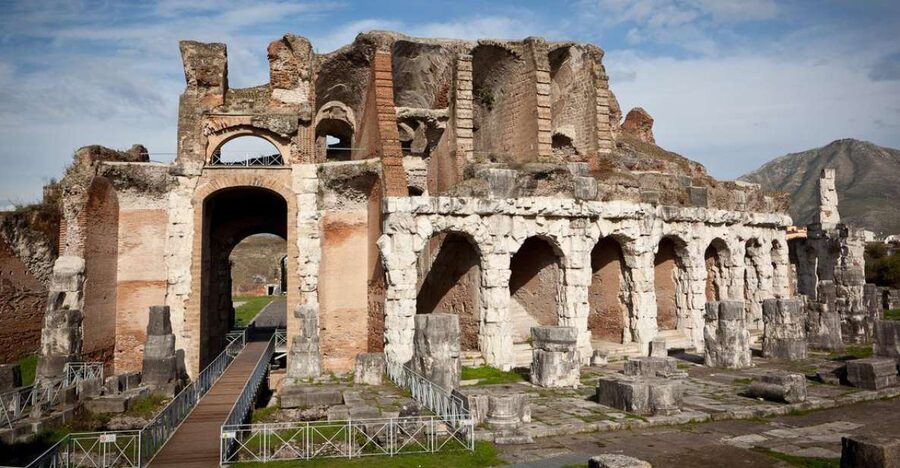
- Spartacus’s amphitheater setting where the revolt story is easier to picture in real space
- Gladiator Museum context that helps you understand games, roles, and everyday realities
- Santa Maria Capua Vetere and the Mitra temple linking Roman-era religion with Persian-rooted beliefs
- Private-group pacing that makes a 2-hour tour feel focused, not rushed
- Guides who manage the details so you can handle heat without losing the thread of the story
Why Capua Matters Beyond the Gladiator Myth
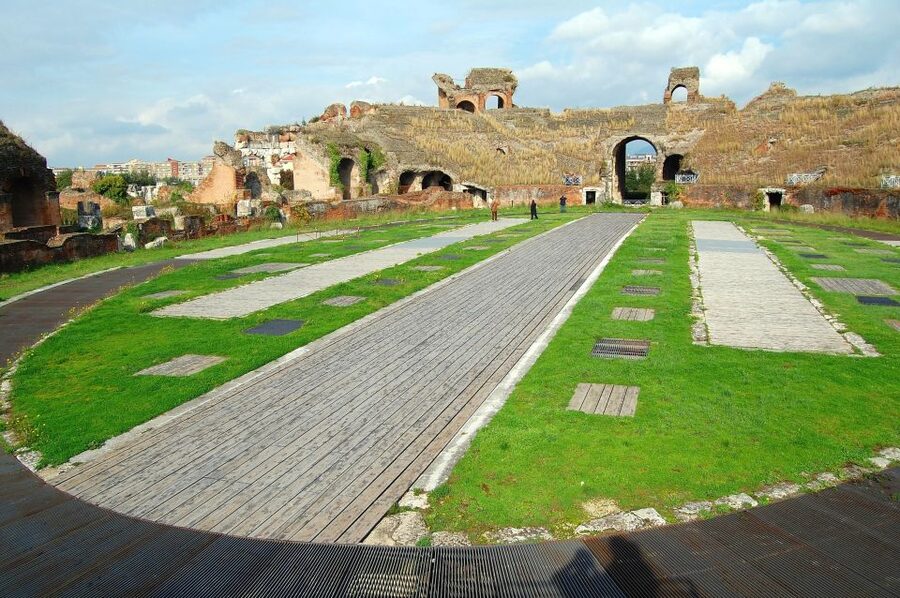
Capua wasn’t a random stop on the Roman map. It’s tied directly to the revolt led by Spartacus against the Roman Empire—an uprising that grew from conditions that were, in plain terms, brutally inhumane. Seeing the monuments in Capua helps the story land more firmly than reading it.
This tour also adds an important second layer: Roman religion and mystery cults. The stop at Santa Maria Capua Vetere brings you to the Temple of Mitra, dedicated to a god tied to rituals and beliefs that were influential enough to spread far from their origins.
Starting at Anfiteatro Campano e Museo dei Gladiatori
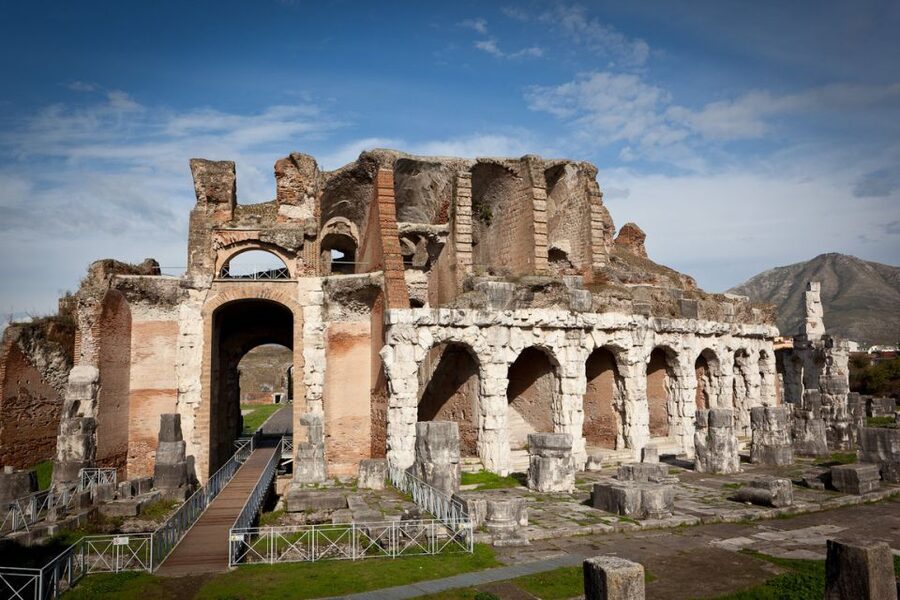
The experience kicks off right at Anfiteatro Campano e Museo dei Gladiatori. You meet at the ticket office, and the guide holds a sign with your name so you can find each other fast.
Because it’s private, you don’t need to worry about getting swept into a group rhythm that doesn’t match your questions. If you like having a conversation as you walk—what you’re seeing, what it might have meant, and how it connects to the revolt—this format helps.
The Roman Amphitheater of Spartacus: history you can see
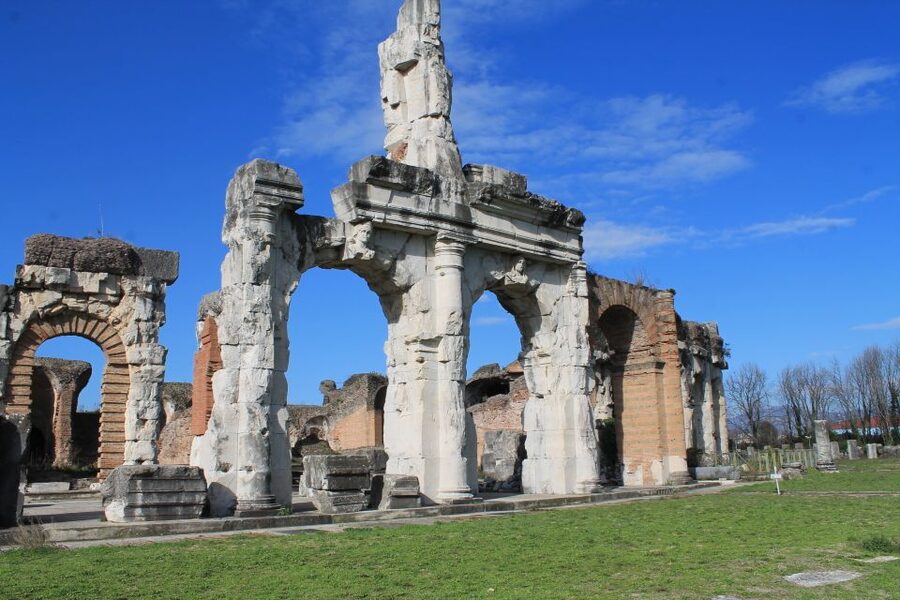
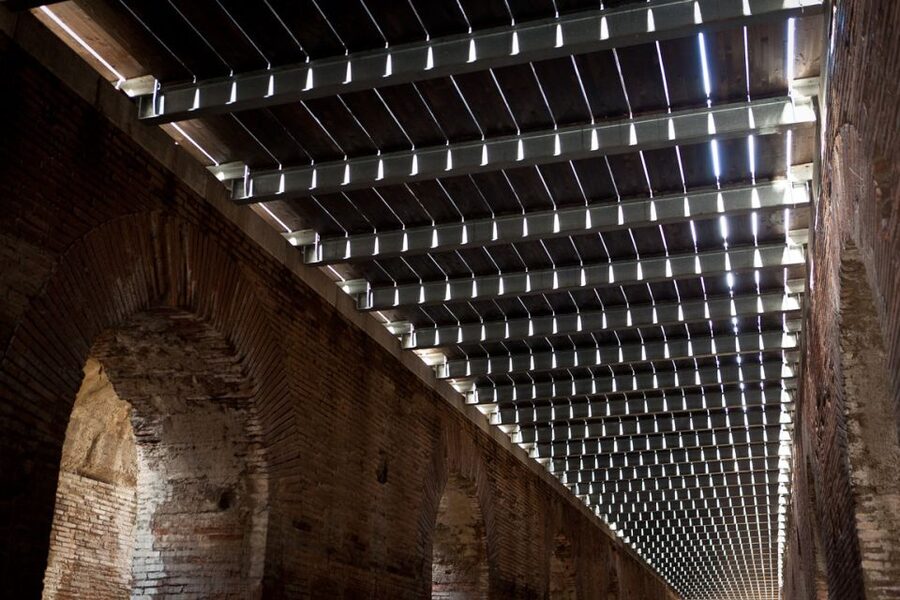
The main draw is the Roman amphitheater of Spartacus. From here, your guide ties the physical setting to the uprising: Spartacus’s revolt against Rome, the way it ended in complete defeat, and Spartacus meeting death on the field. Standing where crowds would have gathered gives you a better sense of why gladiatorial games were more than entertainment.
Your guide also connects the revolt to the Roman response. One stark detail covered here is what happened afterward: thousands were crucified by Crassus along the Appian Way. You’ll also hear context about that road—built in 312 B.C. to connect Rome with Capua—because it helps explain how quickly Rome could project force across distance.
Practical note: this is a site where you’ll want to look up as well as at ground-level features. Amphitheaters are all about angles—where people stood, where views opened, and how the space shaped attention.
Gladiator Museum: understand the world behind the fights
Next, you visit the Gladiator Museum. This stop matters because it shifts you from dramatic battle storytelling to daily reality: training, status, and the role of gladiatorial games in Roman society.
Even if you already know the big names, I like museums like this because they help you spot the differences between what gladiators were in theory and what they were in practice. A good guide uses the objects to explain roles and to make the systems behind the spectacle feel real.
If you get a guide like Michele, the tour can feel especially well paced, even on tough weather days. On one hot tour day in the review sample, Michele worked around shade to keep visitors comfortable while still moving the story forward. That’s the kind of small, practical skill that makes a 2-hour tour work.
Santa Maria Capua Vetere and the Temple of Mitra
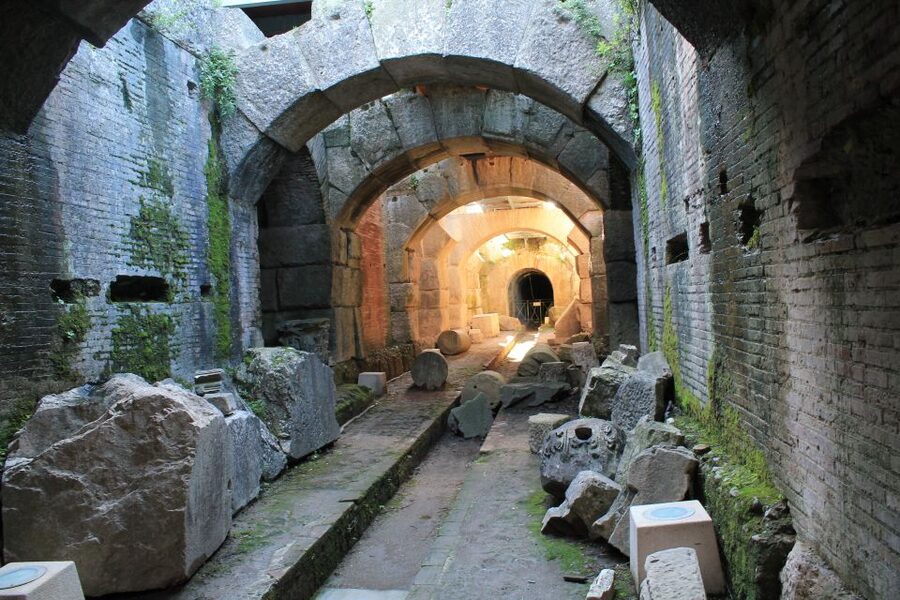
The tour’s most intriguing spiritual stop is Santa Maria Capua Vetere, at the temple dedicated to the god Mitra. Here’s the key idea: Mitras worship had Persian origins, and it likely spread into Rome through prisoners of war—people whose lives were later forced into the gladiatorial system.
That connection is what makes the site more than a random stop. You’re not just seeing stone. You’re seeing how Roman power, violence, and belief systems could overlap—one human story feeding another, long after the battles ended.
Also pay attention to wording and expectations. The temple is associated with a Mitra cult site (often referred to as a Mithraeum). If your visit date hits restoration work, you may not be able to see every part of it.
When a closed temple changes the plan
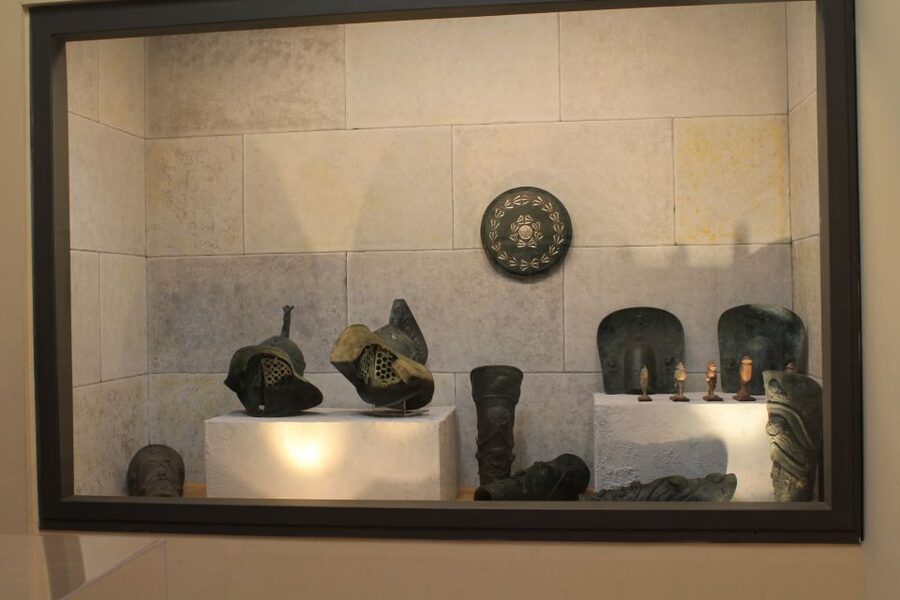
It’s smart to accept a small amount of flexibility with ancient sites. In one case, the Mithraeum was closed due to restoration works, and the group was taken instead to the Archaeological Museum of Capua. So even if the most dramatic architectural view isn’t available, the tour can still deliver a satisfying understanding through museum collections.
If you’re booking this mainly for the temple exterior, it’s worth keeping your itinerary flexible. If you’re booking for the story of Mitras and Roman-era belief, you’re still likely to get value even when access changes.
How the 2 hours actually feel: private pacing, real comfort
This is a 2-hour private guided tour. For me, that’s a sweet spot: long enough for a narrative with context, short enough that it doesn’t turn into a history lecture with no breaks.
Because it’s private, you can match the pace to your group. If you like to pause for photos, ask a few extra questions, or focus on one era more than another, you’re more likely to get that attention than on a larger group tour.
Weather matters here. Capua can be hot, and the amphitheater area can mean direct sun depending on the time of day. The good news is that a capable guide will manage the flow—using shade while explaining key parts of the story. If you’re traveling in summer, bring water and plan for warm conditions.
Price and value for a private guided experience
At $178.42 per person for a 2-hour private tour, you should think of this as paying for three things: (1) a live guide, (2) skip-the-line admission fees, and (3) access to multiple key sites tied to a single storyline.
Is it worth it? If you’re the kind of traveler who likes meaning over checklists, yes—because you’re not just looking at one building. You’re connecting the amphitheater, the gladiator world via the museum, and the Mitra temple link in the same short window.
If you’re traveling solo, the cost can feel steep compared to public tours. But if you’re going as a small group (especially two people), private tours like this often feel like the best value per hour—no waiting around, and you can ask questions that come up naturally as you walk.
One more practical factor: transportation isn’t included. Since the meeting point is at the ticket office of the amphitheater complex, you’ll want to plan your own ride or local logistics so you arrive on time.
Who this tour suits best
This tour fits you best if you like Roman history with a human edge. It’s ideal for:
- People who want the Spartacus story explained with concrete context, not vague references
- Museum-and-monument travelers who enjoy learning how artifacts and spaces connect
- Families or mixed-age groups where a guide can keep the pace conversational and story-led
It’s less ideal if your main goal is only dramatic architecture and you don’t care about the museum component. You’ll still see the big sites, but the point here is understanding, not just photos.
A quick note on accessibility
The activity notes say wheelchair accessible, but it also lists it as not suitable for wheelchair users. Because that conflicts, you should confirm directly with the provider before you book if mobility access matters for your group.
Should you book Amphitheater of Ancient Capua?
I’d book it if you want a focused, story-driven tour that connects the gladiator revolt to what Roman entertainment and belief could look like on the ground. The private format and skip-the-line admission make the 2 hours feel efficient, and the combination of amphitheater + Gladiator Museum + Santa Maria Capua Vetere is a smart use of time.
Skip it (or rethink the date) if you’re traveling on a Monday, since the amphitheater is closed. And if temple access is your top priority, remember that restoration closures can happen—though a good tour plan may reroute you to museum materials instead.
FAQ
How long is the private guided tour?
The tour lasts 2 hours.
What does the tour include?
It includes a live guide and skip-the-line admission fees. Transportation is not included.
Where do I meet the guide?
You meet at the ticket office of the Amphitheatre. The guide will hold a sign with your name.
What stops are visited during the tour?
You’ll visit the Roman amphitheater of Spartacus, the Gladiator Museum, and Santa Maria Capua Vetere (the temple dedicated to the god Mitra).
What languages are offered?
The live guide is available in English and Italian.
Is it wheelchair friendly?
The information lists wheelchair accessible, but it also says it is not suitable for wheelchair users. You should confirm with the provider before booking if wheelchair access is important.