REVIEW · KATHMANDU
Kathmandu Private Tour of UNESCO World Heritage Sites
Book on Viator →Operated by Amazing Kathmandu Tours · Bookable on Viator
Seven UNESCO stops in one day. This private Kathmandu Valley route is built for your pace, with air-conditioned transport and an English-speaking guide who helps you connect the dots between temples, palaces, and living religious traditions. It’s also a great way to hit the big names without feeling stuck in a loud crowd.
I especially like how the day mixes “wow” monuments (hello, Boudhanath and Swayambhunath) with places that reward slower looking, like Changu Narayan’s quiet forest setting. One thing to plan for: entrance fees are not included, and you’ll also need to handle lunch on your own during a long 9-hour stretch.
In This Review
- Quick reasons to book
- A 9-hour UNESCO circuit that actually feels personal
- Price and what you really get for $47.50 per person
- The 9:00 am start: how to plan your energy for a full day
- Changu Narayan Temple: oldest in the valley, in a quiet forest
- Bhaktapur Durbar Square: four squares with a real sense of place
- Boudhanath Stupa: Nepal’s iconic Buddhist monument, with prayer flags everywhere
- Pashupatinath Temple: Shiva rituals on the Bagmati River
- Patan Durbar Square: old artistry in Lalitpur District
- Kathmandu Durbar Square and Basantapur: a quick look at Hanuman Dhoka
- Swayambhunath Monkey Temple: hilltop views that wrap up the story
- Your guide and driver: the difference between seeing and understanding
- Should you book this private Kathmandu UNESCO day?
- FAQ
- What time does the Kathmandu UNESCO private tour start?
- How long is the tour?
- Does the tour include pickup and transportation?
- Is lunch included in the price?
- Are entrance fees included?
- Is this a private tour?
- What tickets do I need?
- Can I cancel for free?
Quick reasons to book
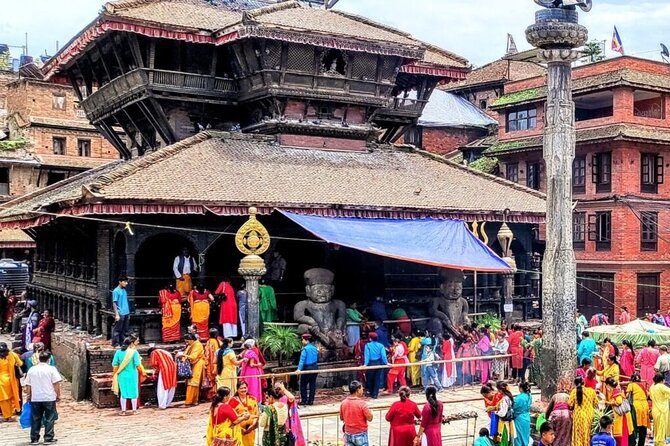
- A private group means you’re not sharing the day with strangers and their schedule
- Seven UNESCO World Heritage stops in one outing across Kathmandu Valley
- Pickup + air-conditioned vehicle helps when traffic and weather hit
- Mobile ticket makes check-in easier on the day
- A professional English guide ties the sights together with cultural context
- Some sites have short time windows, so you’ll want comfortable shoes and a flexible mindset
A 9-hour UNESCO circuit that actually feels personal
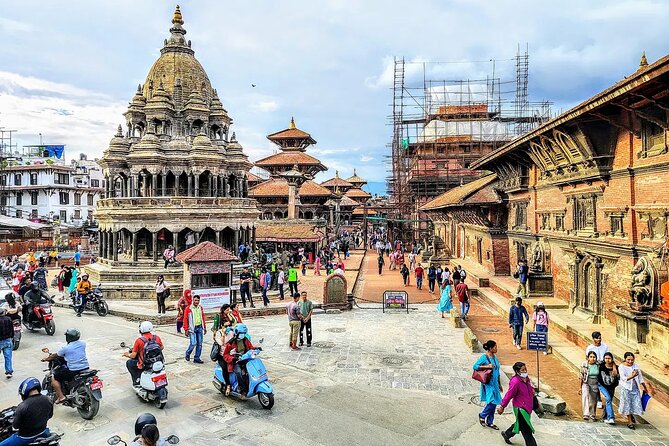
Kathmandu Valley UNESCO sites can be a lot even in pieces. Done in one go, the trick is not just seeing the list, but understanding how each place fits into the bigger picture of faith and city life here.
This tour is private, so your timing can breathe a bit. You’re not waiting for a giant pack to move on. And because you have a driver plus a guide, you get two big wins: less stress about getting around, and more meaning added to what you’re looking at.
One reason I think this works well for many people is the balance of sacred sites with heritage squares. You get temples and rituals, but you also spend time in Kathmandu, Patan, and Bhaktapur’s Durbar Squares—places where palaces, courtyards, and old-town craftsmanship are part of daily reality, not just museum material.
You can also read our reviews of more private tours in Kathmandu

Price and what you really get for $47.50 per person
At $47.50 per person, this is priced like a “high-value day” option. The key isn’t that it’s cheap—it’s that you’re paying for the hard parts: a professional English-speaking guide, transport, and an organized plan across multiple UNESCO locations.
Your main extra costs to budget are simple:
- Lunch (not included)
- Entrance fees (not included, and total cash cost can reach about $48 if you visit all 7 sites)
When I look at value, I treat entrance fees and food as part of the real “daily spend,” not a surprise. If you’re already planning to see these sites, having the guide and vehicle lined up can save you time and hassle versus trying to stitch together multiple tickets and rides on your own.
Also, this is the kind of day that tends to be booked ahead. If you want the best chance at a smooth schedule, plan like you’re already serious—book early, ideally around a month out.
The 9:00 am start: how to plan your energy for a full day
You start at 9:00 am, and the day runs about 9 hours. That means you’ll want to treat it as an all-day sightseeing workout with cultural breaks.
A few practical tips that make a big difference:
- Wear shoes you can stand in for long stretches. Durbar Squares and temple steps are not “sit-and-smile” territory.
- Bring a layer. Temples and stupas are outdoors much of the time, even when you’re moving quickly between stops.
- Bring cash for entrance fees. The total for visiting all 7 sites is listed as $48, paid in cash to temple authorities.
- Plan to eat without relying on the tour. Lunch is not included, so pick something nearby in advance or ask your guide where to stop.
One more timing note: a couple of stops are listed as very short. You’ll still see what you need to see, but you’ll get the most out of it if you’re okay with a “quick iconic moment” approach at those points, then spending your attention where the tour gives you more time.
Changu Narayan Temple: oldest in the valley, in a quiet forest
Changu Narayan is the kind of stop you’ll remember because it doesn’t feel like the center of Kathmandu life. It’s tucked away in a quiet forest, and that calm matters—your brain shifts from city mode to temple mode fast.
This temple is one of the oldest in Kathmandu Valley, traced to the Licchavi period (around 450–750 AD). That age shows in the structure and the mood: it feels older than your trip schedule, in the best way.
What you’ll get from the visit:
- Time to slow down and look at the pagoda-style design
- A chance to experience a more secluded side of the valley’s UNESCO story
Possible drawback: because it’s a smaller, calmer setting, don’t expect it to feel like a big crowd attraction. You’re going for atmosphere and detail, not spectacle on a timeline.
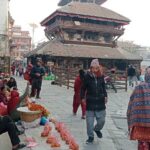
Bhaktapur Durbar Square: four squares with a real sense of place
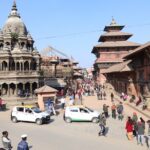
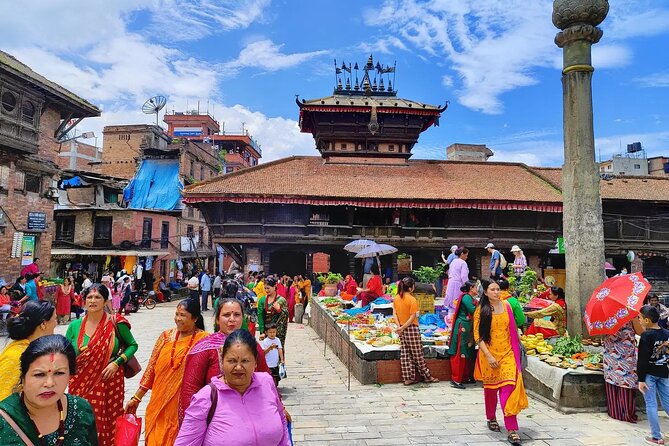
Bhaktapur’s Durbar Square is not just one thing. It’s a cluster of areas grouped into one UNESCO heritage zone, including Pottery Square, Dattatreya Square, and Taumadhi Square.
This matters because you’re not only looking at one monument. You’re walking through a compact old-town world where craftsmanship and architecture blend together. The guide’s job here is especially valuable: without context, Durbar Squares can blur into “pretty buildings.” With context, you start noticing why different spaces exist and how people historically used them.
What I like about this stop for most visitors:
- It’s a strong heritage contrast to the more “stupa and temple” vibe of other UNESCO sites
- It gives you time to wander and actually see how the square is laid out
Practical consideration: Bhaktapur is where you’ll likely do more walking inside the heritage zone. Good shoes matter more than you’d think.
You can also read our reviews of more historical tours in Kathmandu
Boudhanath Stupa: Nepal’s iconic Buddhist monument, with prayer flags everywhere
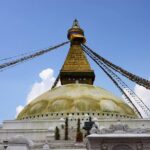
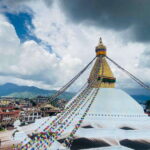
Boudhanath Stupa is one of the big-name sights for a reason. It’s Nepal’s most iconic Buddhist site, with a white dome and prayer flags that make the whole area feel instantly recognizable.
The stupa is listed as 36 meters (118 ft) tall, which changes how you experience it. You’re not just looking at a small detail; you’re under the scale of it.
What you’ll take in here:
- The towering dome
- The white exterior and surrounding devotional atmosphere
Time note: this stop is shown as extremely short. So treat it as a quick hit of the classic “I’m seeing Boudhanath” moment. If you want a longer, quieter look, you’ll have to stay close to your guide’s timing and focus on what you can do quickly—good angles, a few minutes to watch the prayer flags move, and time for photos.
Pashupatinath Temple: Shiva rituals on the Bagmati River
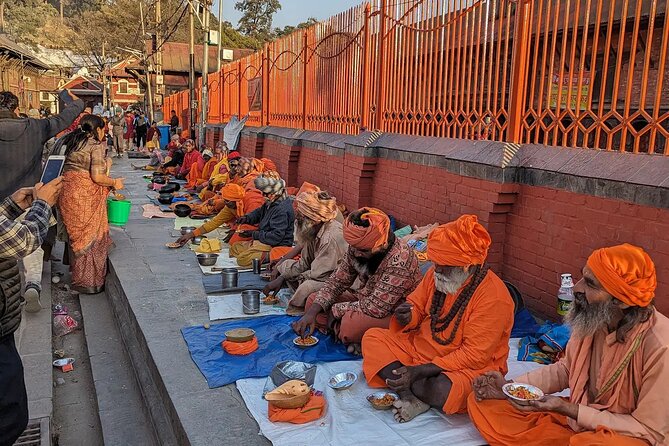
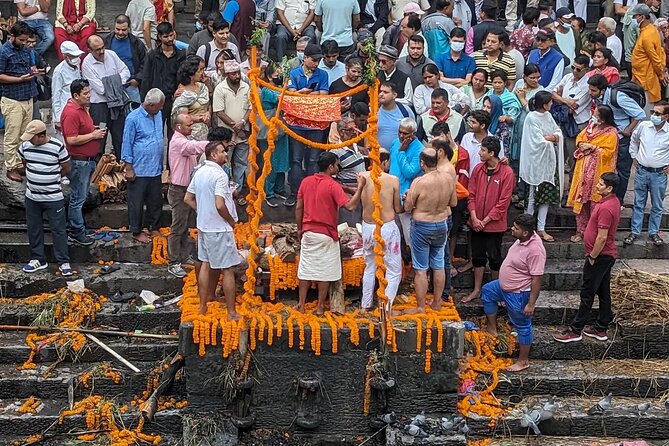
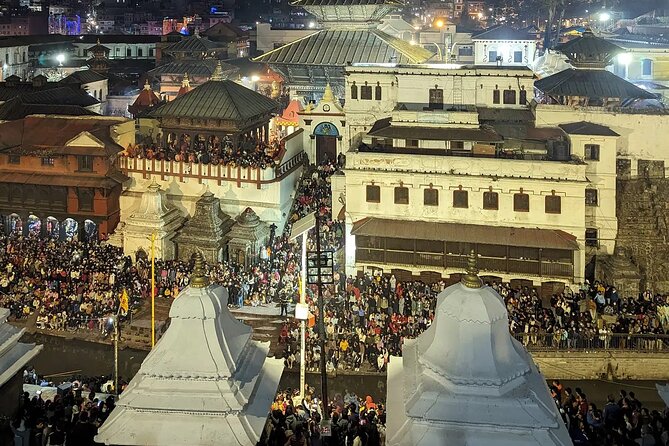
Pashupatinath is Kathmandu’s holiest Hindu shrine, and it’s set along the Bagmati River, which is a huge part of why the place feels so alive. This is where spirituality is not a backdrop—it’s woven into daily ritual.
The temple is dedicated to Lord Shiva and is described with pagoda-style architecture plus intense devotion. You’ll also notice the river setting because it’s where so much of the energy concentrates.
What I think you should do here:
- Keep your eyes open for the choreography of devotion—people moving, gathering, and performing rituals
- Respect the sacred flow. This isn’t the kind of place where you can treat everything like a photo stop
Possible consideration: if you’re sensitive to crowds or strong ritual environments, mentally prepare for a more intense experience than at the quieter heritage corners.
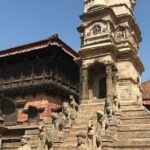
Patan Durbar Square: old artistry in Lalitpur District
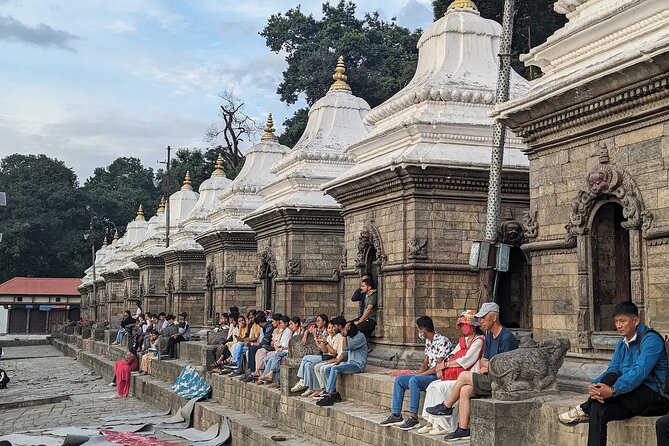
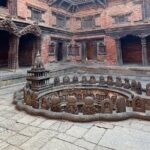
Patan’s Durbar Square is part of the UNESCO story of Kathmandu Valley, but it has its own flavor. The focus here is the artistry and architectural skill you see in the buildings and courtyards.
You’ll be in Patan Durbar Square in the Lalitpur District, where the emphasis is on the workmanship—stone, ornamentation, and the way the space is organized like an old seat of power.
What makes this stop worthwhile:
- It gives you a second Durbar Square perspective after Bhaktapur
- It helps you compare styles and city “personality” across the valley
Possible drawback: if you already feel temple fatigue from earlier stops, this one can feel like another heritage square. The trick is to stay intentional: look for details your guide points out and take breaks when you need them.
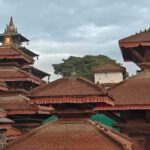
Kathmandu Durbar Square and Basantapur: a quick look at Hanuman Dhoka
Kathmandu Durbar Square is also known as Basantapur Durbar and Hanuman Dhoka. It sits as part of the valley’s older royal square tradition, with heritage structures that reflect centuries of local significance.
In your day, this stop is listed as very short. So you shouldn’t plan on lingering for hours. Instead:
- Aim for the key vantage points your guide highlights
- Use the time to orient yourself for what you’ve already seen and what’s coming next
This is a stop where having a guide matters, because he or she can help you interpret what you’re seeing fast. Without that context, it’s easy to treat it as just “another square.”
Swayambhunath Monkey Temple: hilltop views that wrap up the story
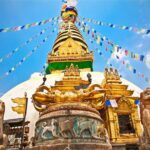
Swayambhunath, often called the Monkey Temple, sits on a hill, which is exactly why it works as the tour’s closing act. You get the best views of the Kathmandu Valley from up high, and the viewpoint gives your brain a way to organize everything you saw earlier.
The stupa is described with:
- A white dome
- Buddha’s all-seeing eyes on top
Time note: it’s listed as about 1 hour, and admission is marked as free. That combo tends to make Swayambhunath feel like the reward stop—more breathing room, more time to look, and no extra ticket headache on your end.
Practical consideration: going up to a viewpoint means you’ll want to pace yourself. If you’re tempted to rush for photos, you’ll miss the calm, slower feel that makes Swayambhunath worth it.
Your guide and driver: the difference between seeing and understanding
For a day like this, the guide is not just a history voice. It’s the person who turns movement into meaning—pointing out what to notice, explaining why a site matters, and helping you avoid common confusion.
This tour includes a professional English-speaking tour guide and an air-conditioned vehicle, which helps a lot in Kathmandu where traffic and weather can change your energy fast.
In the stories connected to this tour, people often call out how helpful the team can be. One example you may see associated with this experience is guide Pranav and driver Bijaya, praised for making the day run smoothly and keeping the experience personal rather than rushed.
What I recommend you do: keep one or two questions ready in your notes. Ask about what you’re seeing today—Durbar Squares versus stupas, or what makes Pashupatinath’s riverside setting special. A good guide will match your curiosity to the time you have.
Should you book this private Kathmandu UNESCO day?
Book it if you want:
- A single-day way to see multiple UNESCO World Heritage sites across Kathmandu Valley
- The comfort of a private setup with pickup and a guide in English
- A plan that mixes iconic monuments with heritage squares, not just one type of sight
Skip or reconsider if:
- You’re very sensitive to the intensity of riverside rituals at Pashupatinath
- You hate paying extra entrance fees on top of your base tour price
- You strongly prefer long stays at every site. A couple of stops are listed as brief, so this is best for people who like a guided hit-and-look rhythm.
My bottom line: for many visitors, this is one of the smartest ways to structure a Kathmandu Valley day. You’ll see the big names, you’ll get cultural context fast, and you won’t burn hours sorting transport and tickets. Just budget lunch and cash entrance fees, wear good shoes, and treat the day like a thoughtful tour of living spiritual places.
FAQ
What time does the Kathmandu UNESCO private tour start?
It starts at 9:00 am.
How long is the tour?
The duration is listed as about 9 hours.
Does the tour include pickup and transportation?
Yes. Pickup is offered, and the tour includes an air-conditioned vehicle.
Is lunch included in the price?
No. Lunch is not included.
Are entrance fees included?
No. Entrance fees are not included. If you visit all 7 sites, the total is listed as $48 paid in cash to temple authorities. Swayambhunath is marked as free.
Is this a private tour?
Yes. It’s a private tour/activity, and only your group will participate.
What tickets do I need?
The tour includes a mobile ticket.
Can I cancel for free?
Yes, free cancellation is available. You can cancel up to 24 hours in advance for a full refund.