REVIEW · COLOMBO
Day Trip to the Ancient Capital of Polonnaruwa From Colombo
Book on GetYourGuide →Operated by Apple Vacations Sri Lanka · Bookable on GetYourGuide
Polonnaruwa hits you fast, in the best way. This day trip turns a long drive into a focused look at Sri Lanka’s ancient capital, with stops that range from big brick-and-stone temples to the haunting Buddha images of Gal Vihara. I also really like the mix of Buddhist and Hindu heritage you see throughout the complex, so the place feels bigger than just one shrine or one style of art. One heads-up: the schedule is tight, and you’ll do a moderate amount of walking plus temple etiquette like removing footwear.
The trip includes shared transfer from Colombo, so you’re tied to the pickup timing your operator reconfirms. It also means you should plan around temple dress rules (shoulders and knees covered) and the fact that this isn’t recommended for people with heart complaints, and it’s not suitable for wheelchair users.
In This Review
- Key highlights you’ll actually care about
- Polonnaruwa: Sri Lanka’s ancient capital, told in stone
- The 14-hour plan from Colombo (and why it works)
- Pickup, breakfast stop, and getting your body ready
- Inside Polonnaruwa: the guided 3.5-hour walking block
- Lankatilaka Gedige: temple architecture you can feel
- Demala Maha Seya and Thuparama: stupas and shrine logic
- Gal Vihara: the rock-cut Buddha icons up close
- Topa Wewa and the Sea of Parakrama: heritage beyond temples
- Lunch and break time: refueling without derailing the day
- Price and value: what you get for $111, and what’s extra
- Practical tips that make the day feel easier
- Who should book this Polonnaruwa day trip from Colombo?
- Should you book this Polonnaruwa day trip?
Key highlights you’ll actually care about
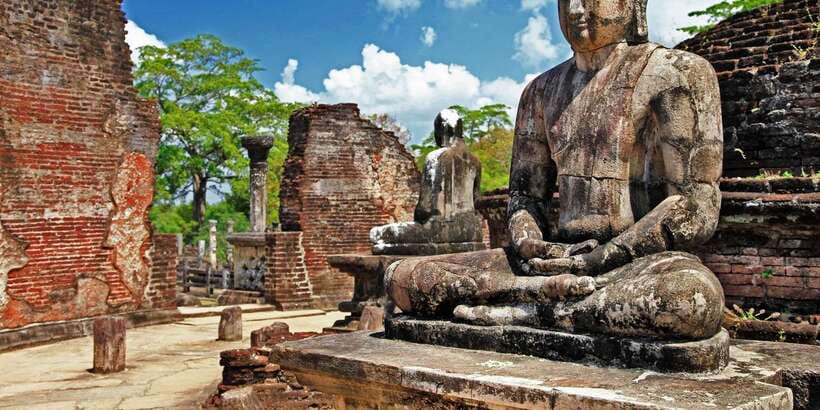
- Lankatilaka Gedige, Gal Vihara, and Demala Maha Seya in one guided sweep of the ancient city
- Stone-cut Buddha icons at Gal Vihara that reward slow looking, not rushing
- Thuparama plus Topa Wewa and the Sea of Parakrama for a sense of how this city functioned
- Door-to-door pickup and drop-off in Colombo with an English-speaking driver and bottled water
- A real break with lunch at a local restaurant, with time for coffee and even beer if you want it
- A guided visit inside Polonnaruwa for about 3.5 hours, enough time to see the main blocks without feeling lost
Polonnaruwa: Sri Lanka’s ancient capital, told in stone
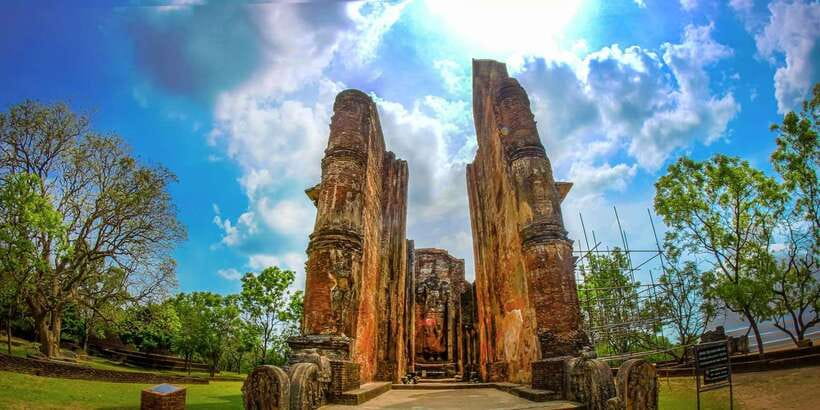
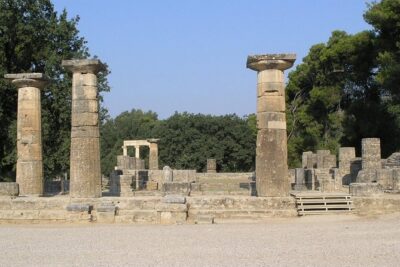
Polonnaruwa is one of those places where you quickly understand why people put Sri Lanka’s Cultural Triangle on their must-do list. The ruins are tied closely to Buddhism and Hinduism, and the mix shows up in everything from image shrines to the shapes of temples and the layout of ceremonial spaces.
What makes Polonnaruwa so worth your time is how physical it feels. This isn’t just “old rocks.” It’s a working record of a capital city that followed Anuradhapura, then lasted only a few decades over two centuries—yet still left behind enormous art and architecture. When you stand in the right spots, you get a clearer sense of scale: how power was displayed, how worship was organized, and how different religious traditions could share the same stone canvas.
You’ll also see how the site is arranged across different zones, which is why a guided visit helps. It’s easy to get distracted by one statue or one stupa and miss the bigger story connecting the monuments.
You can also read our reviews of more tours and experiences in Colombo.

The 14-hour plan from Colombo (and why it works)
This is a 14-hour day trip, which sounds long until you realize it’s built for travelers who don’t want to handle trains, bus transfers, and multiple ticket desks on their own.
Most of your time is spent on the road to reach the ancient city, then a guided walking block inside Polonnaruwa. After that, you get a break for lunch before the return drive.
That structure is valuable for two reasons. First, it lowers stress: you don’t have to plan transport or worry about getting back to Colombo on time. Second, it keeps your Polonnaruwa visit focused. With about 3.5 hours in the ancient city, you can see the highlights without turning the day into a blur of “just one more place.”
The tradeoff is also real: you won’t have a full day to explore every corner. If you’re the type who loves to linger for hours in one temple and sketch every detail, you may feel slightly rushed. But if you want a strong overview done well, this format fits.
Pickup, breakfast stop, and getting your body ready
The day starts with pickup from your accommodation in Colombo (the service states pickup is available in Colombo only). You’ll want to arrive at the hotel lobby about 10 minutes before your reconfirmed pickup time, because the transfer is a shared one. That also means there’s no meaningful flexibility for early or late pickup.
Before Polonnaruwa, you get breakfast at a local restaurant. This matters more than it sounds. Temple days are hot, and the ground can be uneven. Having eaten first keeps you from turning the day into a caffeine-and-chaos sprint.
Then comes the drive out toward the Cultural Triangle. You’re covered with an English-speaking driver and a bottle of water. You still should pack your own comfort habits: sun protection, a good hat, and shoes you can walk in for a while.
And yes, a little humor helps here: plan for the fact that at some point you’ll be staring at giant Buddha images and wondering how anyone ever built this without power tools. Sri Lanka has answers, but you still have to work up the patience to ask the right questions.
Inside Polonnaruwa: the guided 3.5-hour walking block
Your main time in the ancient city is a guided tour and sightseeing walk for about 3.5 hours. This is where the trip pays off, because Polonnaruwa is large enough that self-guided wandering can turn into a hit-or-miss experience.
A good guide makes two big differences:
1) They help you identify what you’re seeing quickly, so you can focus on meaning instead of guessing.
2) They keep you moving at a smart pace—slow enough for appreciation, fast enough to hit the major stops.
This is also where the site’s religious character becomes clear. Many monuments connect to either Buddhism or Hinduism, and you’ll notice how the artistic styles relate to worship. Even if you don’t read every inscription, you can still pick up the visual logic: image shrines, ceremonial spaces, and monumental structures designed to be viewed from specific angles.
If you’re sensitive to walking time, remember the trip notes a moderate amount of walking. It’s manageable for most people with decent mobility, but you’ll want comfortable shoes and the mindset that you won’t be sitting much during the city visit.
Lankatilaka Gedige: temple architecture you can feel
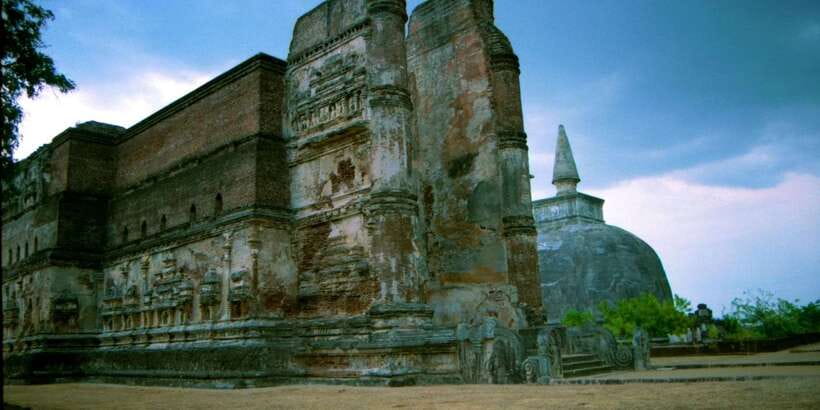
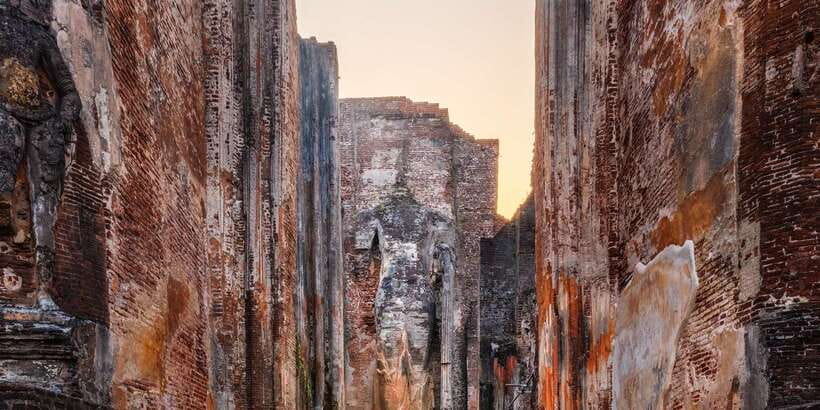
One of the big stops is Lankatilaka Gedige, a major Buddhist temple in the Polonnaruwa complex. This is the kind of site where the scale hits you before the fine details.
What I like about this stop is that it shows temple architecture as a statement. You don’t just see a building; you see how it was designed to dominate a sacred space. The stone work and overall form give you a sense of intentionality—how ancient builders wanted worshippers to focus, gather, and look up.
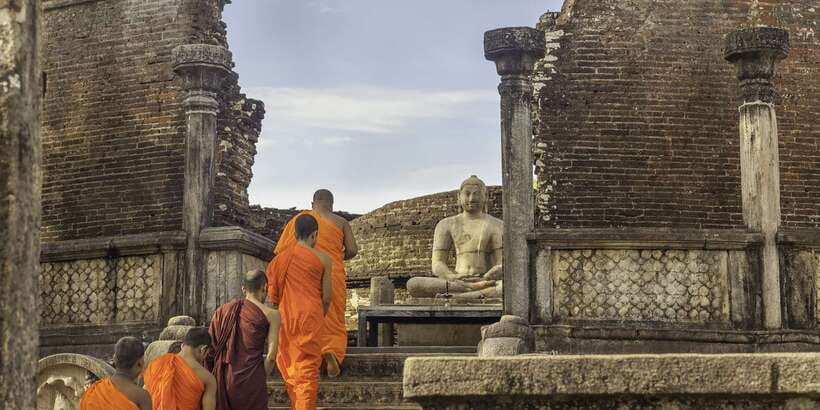
There’s also a practical side. Temples often require you to follow specific rules, and you’ll need to plan for that in your body and outfit. The trip info is clear: you’ll remove footwear and hat and cover your shoulders and knees when visiting Buddhist or Hindu temples.
That can be a hassle if you’re under-dressed, so treat it like part of the experience: once you’re set up, you can relax and enjoy the monuments instead of fussing with clothing at the entrance.
Demala Maha Seya and Thuparama: stupas and shrine logic
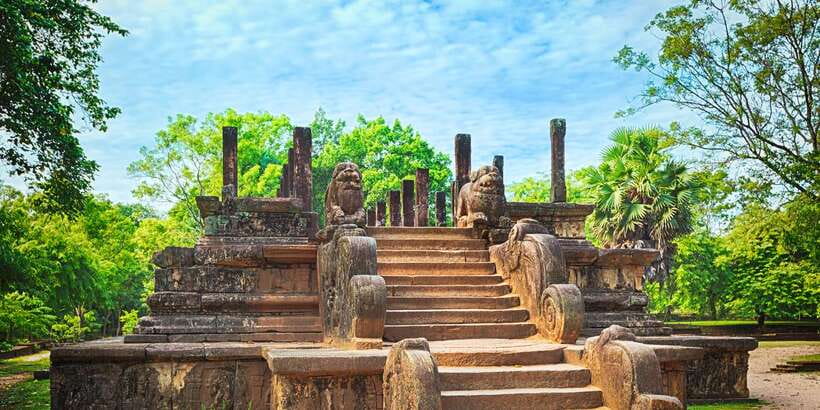
You’ll also visit Demala Maha Seya, along with Thuparama. Together, these stops help balance the day. Not every monument is an image shrine in the way Gal Vihara is. Some of the most important experiences here come from understanding stupas and shrine spaces—how they function as centers for veneration.
What makes these sites valuable is the rhythm they create across your route. You start with big temple structures, move through the symbolic sacred spaces, then get hit with the powerful Buddha sculptures later. That pacing keeps Polonnaruwa from feeling like one long statue parade.
For Thuparama in particular, think of it as part of the site’s network of sacred points. Even if you don’t know the names of every element, you can still sense that the builders were creating a system: places where rituals happened, places where people gathered, and places meant to last long enough for generations to return.
Gal Vihara: the rock-cut Buddha icons up close
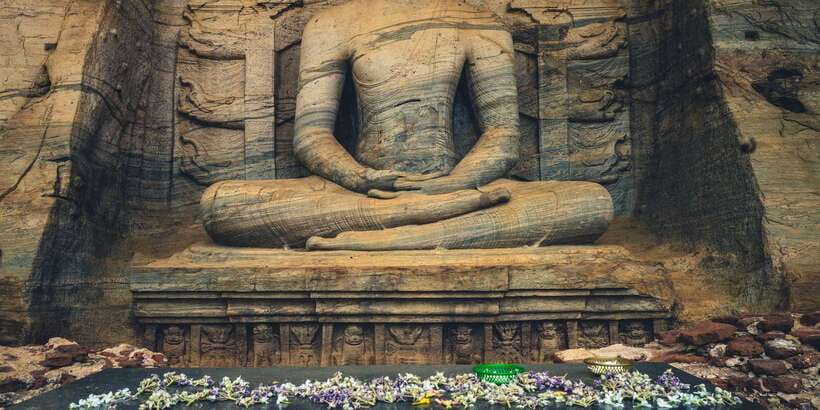
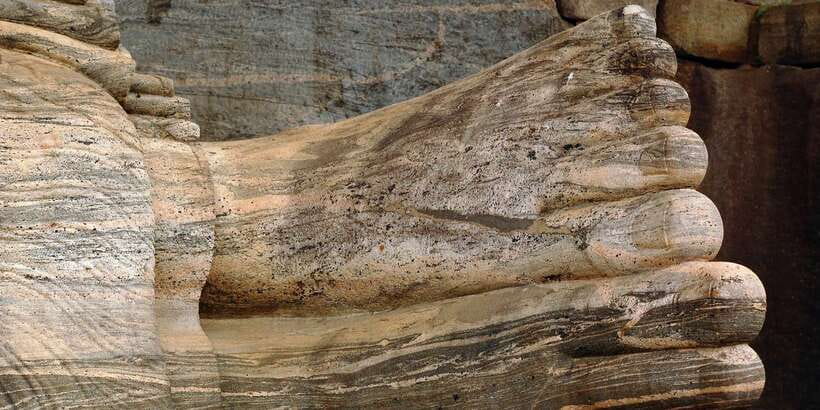
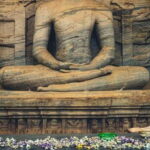
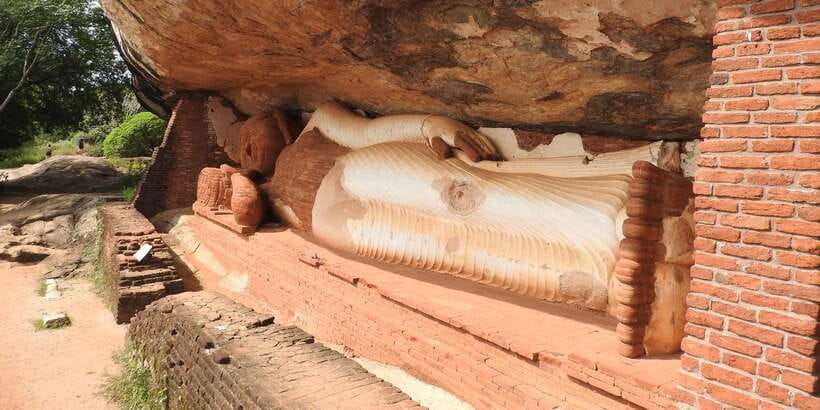
If there’s one stop you should mentally protect from rushing, it’s Gal Vihara. This is where the tour focuses on the stone-carved Buddha icons, including famous rock-cut images.
Here’s why this stop sticks with people. Rock-cut sculptures have a different presence than freestanding statues. They feel fused to their setting. When you’re standing near them, you’re not just looking at art—you’re facing the result of carving rock into spiritual form.
This is the kind of site where you want to take a minute before moving on. Let your eyes adjust. Notice how the faces and the scale work together, and how the carvings hold their impact even when time has changed the surrounding surfaces.
Also, Gal Vihara is a prime example of why this trip is worth doing with a guide. With an English-speaking driver handling the flow, you can spend your attention where it matters: on what you’re seeing and why it mattered to the people who built it.
Topa Wewa and the Sea of Parakrama: heritage beyond temples
The tour doesn’t stop at shrines. You’ll also visit Topa Wewa Lake, described as the Sea of Parakrama.
This kind of stop matters because Polonnaruwa wasn’t only a spiritual stage. It was a capital city, and cities depend on water management. Even if your focus is archaeology, this gives you a different lens on the place: it connects monuments to practical life.
You’ll likely enjoy Topa Wewa if you like seeing how ancient rulers turned nature and infrastructure into part of their urban identity. It’s a reminder that the same capital that produced massive image shrines also had to solve irrigation and water distribution in a lasting way.
And on a temperature-real day trip, outdoor water-adjacent spaces can feel like a mental reset after temple interiors and stone stairways.
Lunch and break time: refueling without derailing the day
About halfway through your schedule, you’ll get break time and lunch at a local restaurant, plus time for local snacks. The trip notes things like beer, coffee, and tea are available during this break, so you can keep it simple or make it a proper sit-down meal.
I like this part because it’s not a rushed roadside grab-and-go. There’s also a little free time, which gives you breathing room to cool down, use the restroom, and reset before the return drive.
One small reality check: the food isn’t listed as specifically included in the pricing beyond what’s described in the day’s stops. Still, the lunch and beverage options are part of the scheduled break, so you’re not walking into the day starving.
If you have dietary needs, it’s smart to plan ahead and bring a backup snack, just in case the menu doesn’t match what you eat at home.
Price and value: what you get for $111, and what’s extra
At $111 per person, this is positioned as a guided day trip with real convenience baked in. That price is not just “a ride and a couple temples.”
Here’s what’s included:
- Pick-up and drop-off at your accommodation (Colombo area)
- An English-speaking driver
- Bottled water
What’s not included:
- Entrance fees
- A local Sri Lankan guide
- Food or drink not detailed in the description
So where does the value come from? Mostly from the logistics and time savings. You don’t have to coordinate transport from Colombo, figure out meeting points, or manage the flow inside the ancient city with your own navigation plan. That’s worth something on a long day.
If you’re the kind of visitor who wants maximum storytelling, you might consider using the driver’s guidance for what you can, then add depth by arranging a local guide separately for the sites you care about most. But if you mainly want the highlights seen well and safely, the included guidance and structured walking time should be enough.
Also note that there’s no large luggage allowed, and smoking isn’t allowed. Travel light, and you’ll thank yourself later.
Practical tips that make the day feel easier
Polonnaruwa day trips are all about comfort and respectful temple behavior. A few things from the trip info make a real difference:
- Bring comfortable shoes for uneven stone and walking
- Wear sunglasses and a sun hat because the sun doesn’t negotiate
- Plan to remove footwear and hat at Buddhist and Hindu temples
- Cover shoulders and knees when you visit temples
- Avoid luggage or large bags, since the rules prohibit them
Health and fit matters too. The trip isn’t recommended for people with heart complaints or other serious medical conditions, and it’s not suitable for wheelchair users. If you’re unsure, it’s worth thinking about the walking involved and the heat.
Finally, travel docs: you must bring a current valid passport. Don’t leave it in the hotel safe at the last second and then scramble.
Who should book this Polonnaruwa day trip from Colombo?
Book it if you want:
- A high-impact day focused on major Polonnaruwa highlights
- A guided walkthrough style for the ancient city (around 3.5 hours inside)
- Stress-free pickup/drop-off in Colombo with an English-speaking driver
You may want to skip it if:
- You need a fully wheelchair-accessible trip
- You’re dealing with heart conditions or you’re pregnant (the trip notes it’s not suitable)
- You prefer to spend an entire day at one monument instead of seeing several key sites
One more note: this is a shared transfer. Even so, the experience can feel more personal when the vehicle isn’t full. Either way, the service is designed to keep the day organized and the questions answered.
Should you book this Polonnaruwa day trip?
I’d tell you to book this if your priority is seeing Polonnaruwa’s best-known Buddhist sites—especially Gal Vihara—without turning your vacation into a logistics project. The included pickup/drop-off from Colombo and the guided time inside the ancient city make the day manageable, even though it’s long.
If you’re traveling with limited time and want a strong overview that respects temple etiquette and avoids guesswork, this is a solid pick. If you’re the kind of traveler who needs maximum flexibility on timing or hates walking, you’ll probably feel the schedule limits.
If the weather isn’t good, the trip can be canceled and you can attend on another date, so you’re not stuck with a ruined plan.
If you want me to tailor advice, tell me your travel dates and whether you prefer early starts or slower museum-style pacing.