REVIEW · CEBU CITY
CEBU: Cebu City Heritage and Uphill Guided Tour
Book on GetYourGuide →Operated by Explore Cebu Tours · Bookable on GetYourGuide
Cebu climbs its way to history. This uphill Cebu City tour strings together major landmarks like Magellan’s Cross and the Basilica Santo Niño with higher stops built for wide views over the city and sea. You get a sense of how the geography shapes daily life here, not just a checklist of sights.
I really like the guide-led pacing—short, focused visits where you actually learn what you’re looking at. In the reviews, guides such as Oliver and also Ric are called out for their humor, clear English explanations, and even a singing voice, which makes the drive-and-walk rhythm easier to enjoy.
One watch-out: this is an uphill day with winding roads and several sightseeing stops, so plan for some walking and uneven ground. If you want the flattest route possible, this may be more effort than you’re hoping for.
In This Review
- Key highlights worth your time
- Why this uphill Cebu route feels different than a city walk
- Pickup, van ride, and getting started without headaches
- Magellan’s Cross: the kind of start that sets the tone
- Basilica Minore del Santo Niño de Cebu: more than a photo stop
- Yap-SanDiego Ancestral House: where Cebu’s layers show up
- Fort San Pedro photo stop: short, but smart
- Heritage of Cebu Monument: a quick lesson with a view
- Taoist Temple and the rhythm of hillside stops
- Temple of Leah sightseeing: plan for photos and time on the hill
- Sirao Flower Farm: the uphill payoff
- Guide energy, plus safe driving through real Cebu traffic
- What’s included, and how the price makes sense
- Who this tour is best for
- A few practical tips before you go
- Should you book this Cebu City heritage and uphill tour?
- FAQ
- How long is the Cebu City Heritage and Uphill Guided Tour?
- Where are the pickup locations, and where do you get dropped off?
- Is the tour guide available in English?
- What’s included in the price?
- Does the tour skip the ticket line?
- Is free cancellation available?
- Is there a private group option?
Key highlights worth your time
- English live guide, plus optional English audio
- Skip-the-ticket-line convenience at the main sights
- Major Cebu landmarks in one route: Magellan’s Cross to the Basilica Santo Niño
- Hilltop culture and views: Taoist Temple, Temple of Leah, and Sirao Flower Farm
- Air-conditioned van, bottled water, and a Cebu souvenir included
Why this uphill Cebu route feels different than a city walk
Cebu City isn’t flat, and this tour leans into that instead of fighting it. You spend part of the day in the older core, then you gradually climb toward overlooks where the city opens up below. The payoff is that you’re not just seeing places—you’re seeing Cebu’s shape.
I also like how the schedule is built around “stop, learn, look, move.” Visits are guided or sightseeing for about half an hour at each key point, so you don’t get stuck in long lines or in one museum-like moment for too long.
Finally, the practical vibe helps. You’re in an air-conditioned van, you get bottled water, and you don’t have to figure out ticket lines on your own.
Pickup, van ride, and getting started without headaches
You have two pickup options: Cebu City or Mandaue City. From there, you’re taken around by van with an upfront travel time of about 30 minutes, which matters because Cebu traffic can be unpredictable. Having that ride built into the plan means you’re not starting your day sprinting between locations.
There’s also a small but important communication tip: use WhatsApp on your phone for better coordination. The tour notes say you should be at the lobby about 10 minutes before your assigned pickup time, and the guide will bring signage. That’s one of those “boring details” that makes the difference between smooth and stressful.
Transport quality is a recurring positive point, with 88% of reviewers giving it a perfect score—so it’s not just about being driven; it’s about being driven safely through busier roads.
Magellan’s Cross: the kind of start that sets the tone
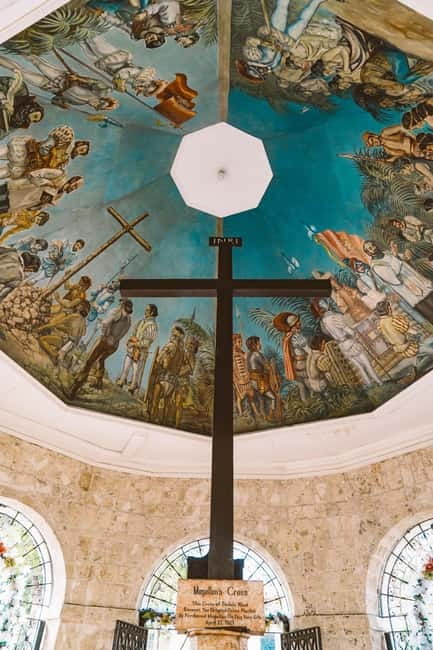
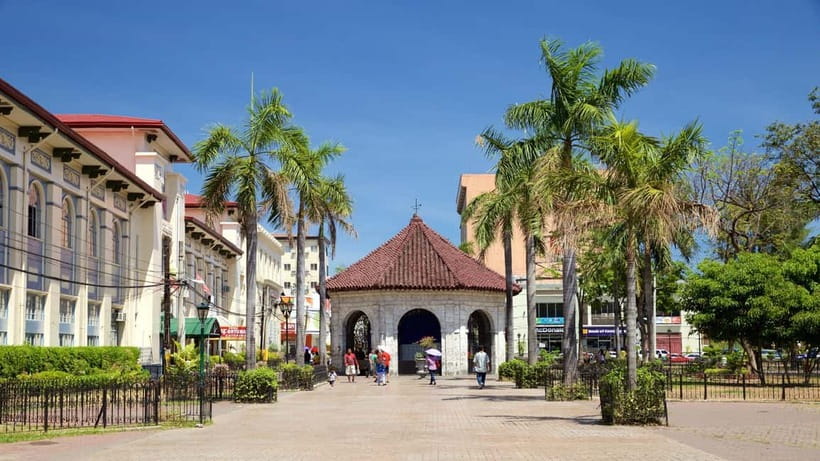
The tour begins with a guided visit to Magellan’s Cross. This is the first stop for a reason: it helps frame the early European era that still echoes through Cebu’s religious identity today. A guided start also keeps you from wandering around without context, especially if you’re not already familiar with the story.
Expect about 30 minutes here. That’s a good length for understanding what the marker represents, taking photos, and then moving on while the day is still fresh.
Basilica Minore del Santo Niño de Cebu: more than a photo stop
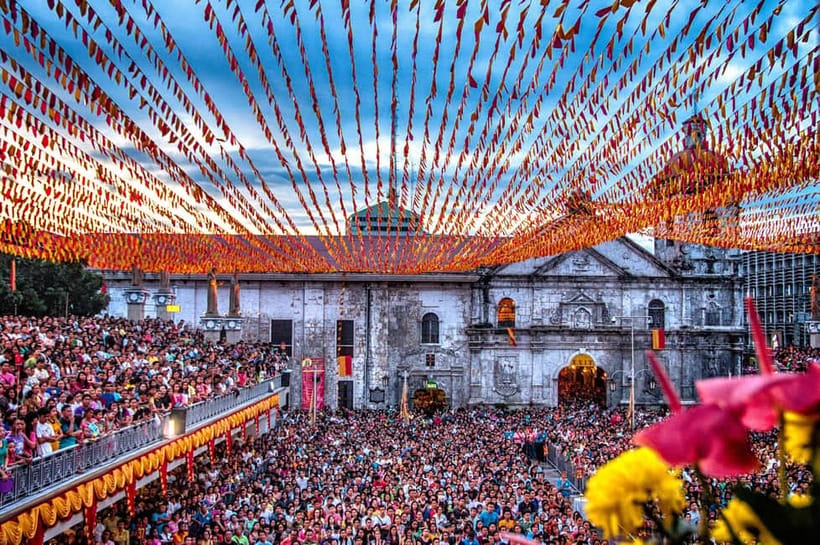
Next up is the Basilica Minore del Santo Niño de Cebu, again with a guided tour for about 30 minutes. This is one of the big religious anchors in Cebu, and the guided format helps you notice details you might otherwise miss—like why devotion here is so central to local life.
A practical benefit: the tour includes applicable entrances and fees, plus it offers skip-the-ticket-line at the main sites. That combination means you’re more likely to spend your time looking and listening instead of waiting.
Yap-SanDiego Ancestral House: where Cebu’s layers show up
Then you head to Yap-SanDiego Ancestral House for another guided block (around 30 minutes). This kind of stop is valuable because it adds texture to the story. Instead of only seeing landmarks tied to religion or fortifications, you also see how older families lived, and how Cebu’s identity developed through trade and cultural mix.
If you enjoy architecture and period details, this is usually the stop where the tour feels most “real” and grounded. And because the visit is guided, you’re not left piecing together what you’re looking at.
Fort San Pedro photo stop: short, but smart
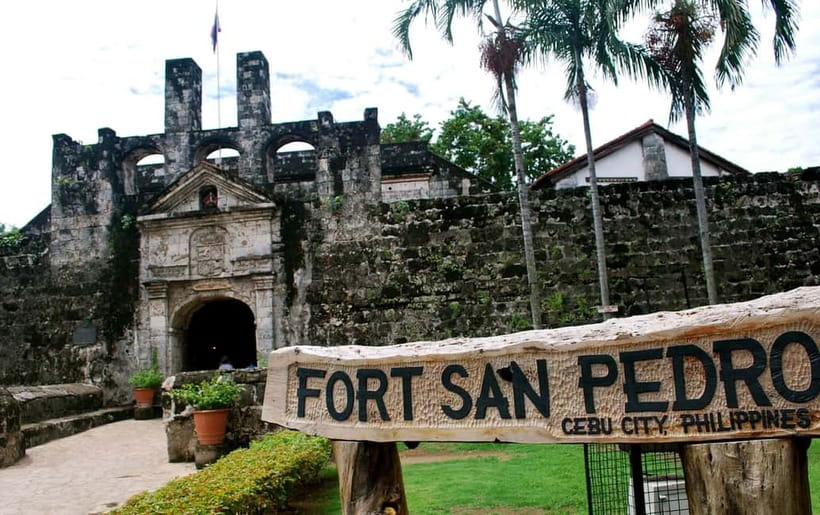
Fort San Pedro is listed as a photo stop rather than a full guided block, with about 30 minutes available. That’s a good choice if you want the strongest exterior views without turning the fort into a long detour.
This stop works well in the flow of the day. After the heritage sites, the fort gives you a more defensive, strategic feel to the timeline—Cebu isn’t just worship and old houses; it also has a history of protection and control along the coast.
Heritage of Cebu Monument: a quick lesson with a view
The Heritage of Cebu Monument comes next with a guided visit (about 30 minutes). Monuments like this are often overlooked on tours, but here it functions like a bridge: it links what you’ve seen back to the broader identity of the city.
This is also the kind of stop where you might want to take your bearings. The time window is short enough to keep momentum, but long enough for your guide to explain what it represents and why it matters.
Taoist Temple and the rhythm of hillside stops
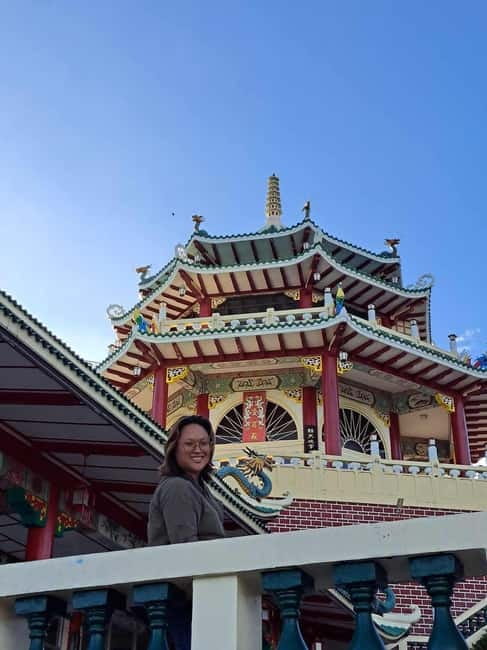
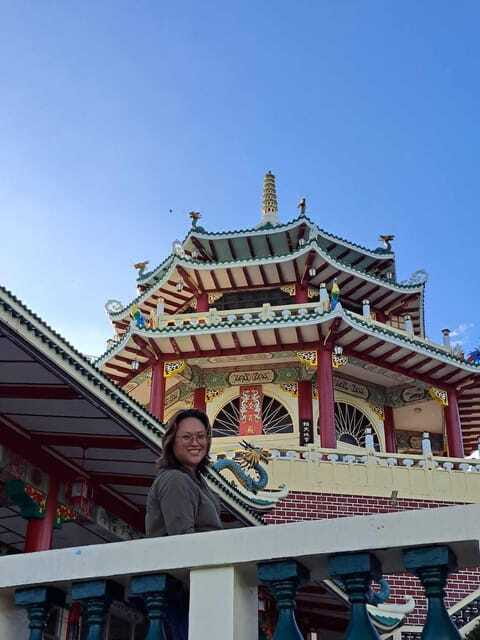
You’ll then visit the Taoist Temple with a guided tour (about 30 minutes). This stop adds another cultural layer to the Cebu picture. The guided format helps you understand the temple’s role and the meaning behind what you see, rather than just treating it like another hillside viewpoint.
After that, the itinerary keeps moving uphill. That matters because each stop becomes easier to enjoy when you’re not backtracking to lower areas. You get that gradual “rise” effect, where the city expands visually as the route climbs.
Temple of Leah sightseeing: plan for photos and time on the hill
Temple of Leah is a sightseeing stop (about 30 minutes). Since it’s listed as sightseeing rather than a guided tour, you’ll likely spend your time taking photos, walking around for angles, and letting the guide point out key context.
This part of the day is where you’ll probably feel the “uphill” nature most. It’s a simple trade: a little extra effort for better perspectives.
Sirao Flower Farm: the uphill payoff
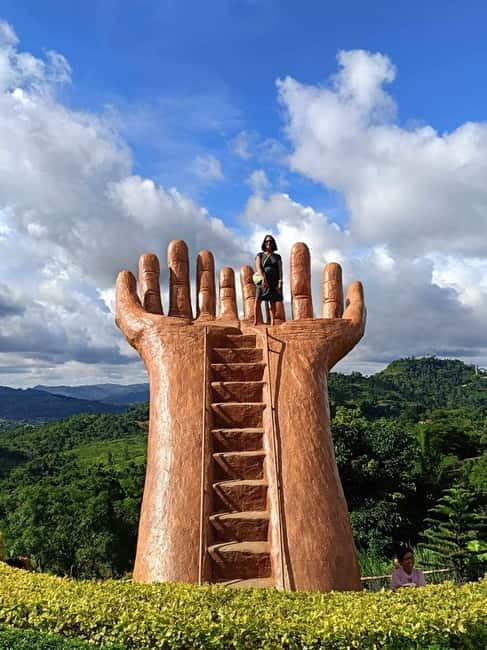
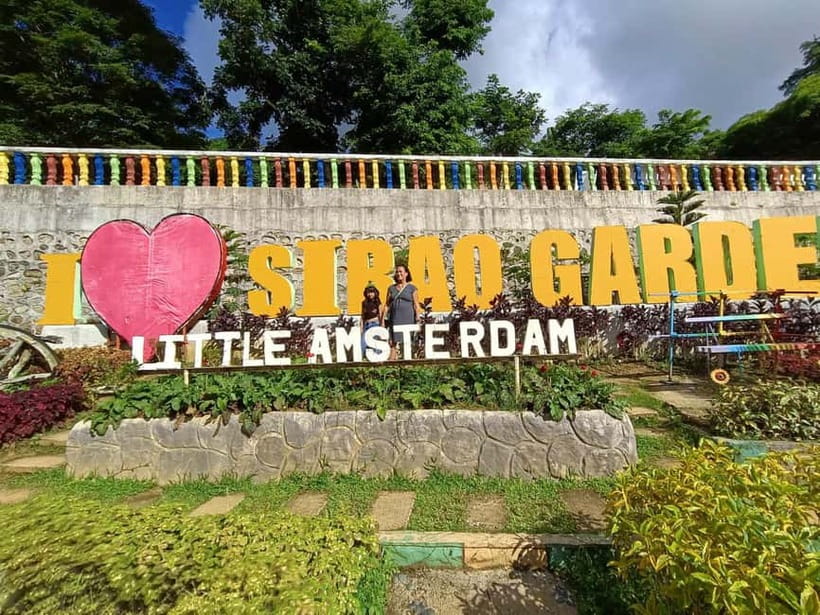
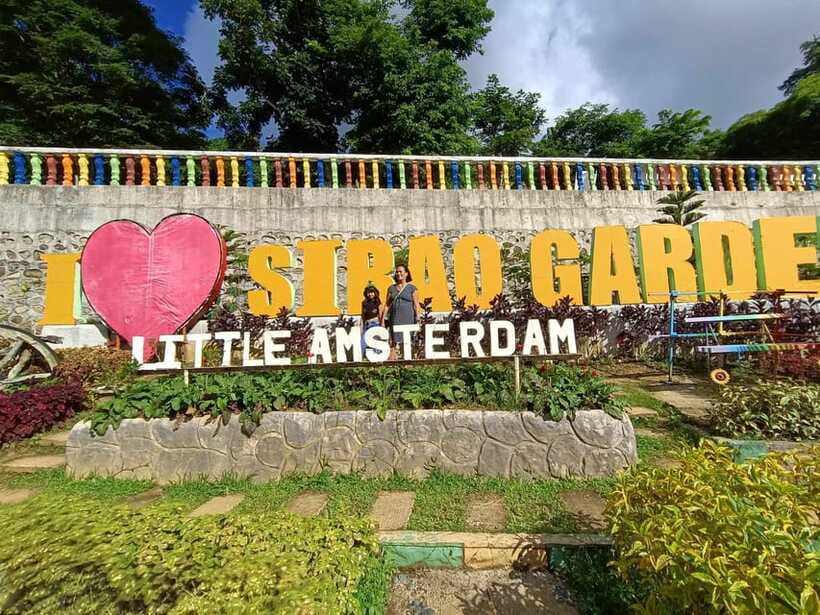
The final sightseeing stop is Sirao Flower Farm, with about 30 minutes set aside. This is where the uphill route often rewards you—because higher ground gives you the chance to look out over Cebu with a wider scope than you get downtown.
Even if you’re not a big garden person, this stop can still be worth it because it’s a change of pace. You step away from dense streets and into an open, photo-friendly environment that fits the tour’s theme of views plus culture.
Guide energy, plus safe driving through real Cebu traffic
Here’s what I think makes this tour work for many people: the guide isn’t just reciting facts. The feedback highlights personalities like Oliver for humor, friendliness, patience, and respectful interaction. That energy matters on an uphill day, because it keeps you engaged during transitions—those moments when you’re sitting in traffic or moving between higher points.
You also see praise for safe driving through crowded streets. That’s not a small detail. It means you spend less mental energy on getting there and more on noticing what you’re seeing once you arrive.
What’s included, and how the price makes sense
The tour costs $61 per person for about 4–5 hours. That price includes air-conditioned transportation, a professional tour guide, applicable entrances and fees, bottled water, and a Cebu souvenir. For a half-day that touches multiple paid sites, that bundle is usually where the value comes from.
You’re not paying separately for each stop’s entry, and the guide support reduces the “search time” that can add up when you’re doing this on your own. Plus, the skip-the-ticket-line feature saves time at the busiest points.
Not included is anything not mentioned, plus personal expenses. So bring your usual day-travel budget for snacks or drinks beyond the bottled water, if you want them.
Who this tour is best for
This works especially well if you want a guided mix of religious heritage, local history, and hilltop views in one morning/afternoon window. You’ll likely enjoy it if you appreciate explanations as you go, not after the fact.
It’s also a good fit for people staying in Cebu City or Mandaue City who want an organized route without doing route planning. And because a private group option is available, it can suit families or friend groups who prefer a quieter pace.
If you strongly prefer minimal walking or strictly flat sightseeing, you’ll want to think carefully. The route’s entire premise is uphill.
A few practical tips before you go
- Wear comfortable shoes for the walking portions and uneven outdoor areas.
- Keep WhatsApp handy so pickup coordination goes smoothly.
- Bring a phone with enough battery for hilltop photos at multiple stops.
- If you’re sensitive to crowds, consider going in with a patient mindset—Cebu’s central areas can be busy.
Should you book this Cebu City heritage and uphill tour?
I’d book it if you want one guided half-day that combines classic Cebu landmarks with hillside stops built for views. The value is strongest when you factor in transport, entrance fees, bottled water, a souvenir, and the convenience of skipping ticket lines.
I’d skip it or choose another option if uphill movement is a dealbreaker for you, or if you want a purely leisurely, no-driving sightseeing day. Otherwise, this is the kind of route that makes Cebu feel like a place with depth, not just a list of stops.
FAQ
How long is the Cebu City Heritage and Uphill Guided Tour?
The tour lasts about 4 to 5 hours.
Where are the pickup locations, and where do you get dropped off?
Pickup is available from Cebu City or Mandaue City, and drop-off is also available at Cebu City or Mandaue City.
Is the tour guide available in English?
Yes. The live tour guide is English, and there is also an optional English audio guide.
What’s included in the price?
Included are air-conditioned transportation, a professional tour guide, applicable entrances and fees, bottled water, and a Cebu souvenir.
Does the tour skip the ticket line?
Yes, it includes skip-the-ticket-line access.
Is free cancellation available?
Yes. You can cancel up to 24 hours in advance for a full refund.
Is there a private group option?
Yes. Private group availability is offered.