REVIEW · VENICE
Ancient Venice and its spices: cooking class and market tour
Book on GetYourGuide →Operated by The Venetian silk route · Bookable on GetYourGuide
Spices, stories, and a Venetian table for three hours. You’ll start at Caffè Vergnano 1882, browse the Mercato di Rialto, then cook and eat in an old house where Venice spices are tied to tales of Marco Polo and Casanova. It’s a food experience built like a mini time machine, with ingredients and “why they matter” coming hand-in-hand.
I love the market portion because it trains your eye fast: you start noticing what spices are doing in real Venetian cooking, not just on paper. I also love that this is a private group with an English instructor, so you can ask about ingredients and your tastes as you go.
One consideration: this experience isn’t set up for wheelchair users and it’s not a good fit for people with certain medical conditions or very young children, so double-check your own needs before you book.
In This Review
- Key highlights at a glance
- Rialto Market from Caffè Vergnano 1882: where Venice buys flavor
- The 10-minute on-foot transfer: how they keep your momentum
- Inside an old Venetian house: candles, tricorne, and cooking you can taste
- Marco Polo and Casanova on the menu: how “merchant Venice” becomes your meal
- What you’ll actually eat and drink (and how to pace yourself)
- Tips for allergies, spice preferences, and comfort on a 3-hour schedule
- Who should book this Venetian spice cooking class (and who should skip)
- Should you book Ancient Venice and its spices?
Key highlights at a glance
- Rialto first, cooking second: you shop and spot ingredients before the kitchen work starts.
- Spices with stories attached: saffron, pepper, anise, cardamom, and more come with merchant-route explanations.
- Old-house atmosphere: candles, tricorne (traditional hats), and old recipes help you feel the time period.
- A full eating program: cocktail and spirits, dessert, lunch and dinner-style courses, plus wine tasting and food tastings.
- Hands-on teaching: you don’t just watch; you cook with the spices driving the dishes.
- English and private: easier conversation, fewer awkward waits, and room to tailor what you want to taste.
Rialto Market from Caffè Vergnano 1882: where Venice buys flavor
Your day starts in the morning-to-afternoon rhythm of Venice, meeting just outside the door of Caffè Vergnano 1882. It’s a practical start point: coffee, people-watching, and a clear place to meet without hunting through side canals for long. From there, the focus shifts quickly from views to taste.
Then you head to the Mercato di Rialto for about an hour. This is where the experience earns its name: you see how spice and ingredient choices happen in real life. Venice has long been shaped by trade, and the market gives you the sensory proof. You’ll be walking, spotting, and picking up ideas about how specific flavors show up again and again in Venetian cooking.
What I like here is the pacing. A full market tour can turn into sensory overload; this one stays short, focused, and connected to the later cooking session. You’re not spending the whole time just looking. You’re learning to recognize the ingredients that matter when you get to the kitchen.
One small drawback to factor in: Rialto area walking can be uneven and crowded, so wear shoes that handle stone and foot traffic. Also, this isn’t a “sit down and take photos” style tour. The point is to walk, shop, and pay attention.
You can also read our reviews of more shopping tours in Venice

The 10-minute on-foot transfer: how they keep your momentum
After Rialto, it’s a short walk on foot before you reach the main Venice stop. That in-between stretch matters more than it sounds. Venice is a maze, and time gets swallowed fast if you’re constantly re-orienting yourself.
This “breather” helps you transition from market energy to home cooking. You get a sense of the neighborhood pace without losing the thread of the day. And because the tour is private, the route can stay practical for your group, rather than being forced into a bigger, less flexible schedule.
When the itinerary reaches the Venice photo stop, cocktail, spirits, dessert, and then the meal program, you’ll appreciate that you’re already oriented to where you are. You won’t feel like you started in one city and ended in another.
Inside an old Venetian house: candles, tricorne, and cooking you can taste
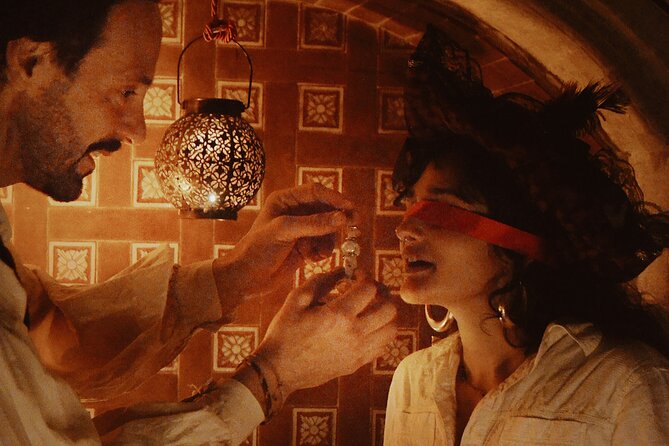
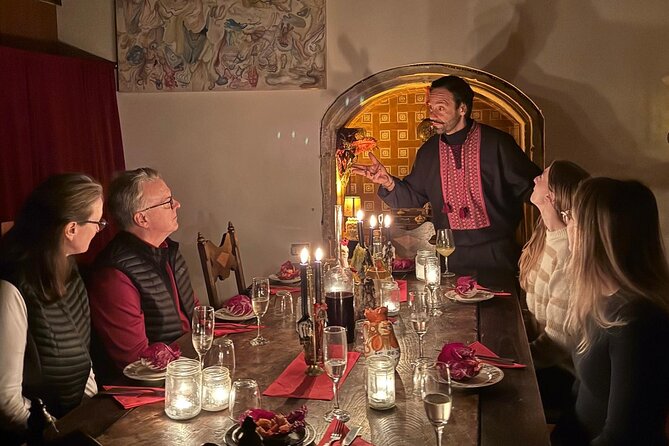
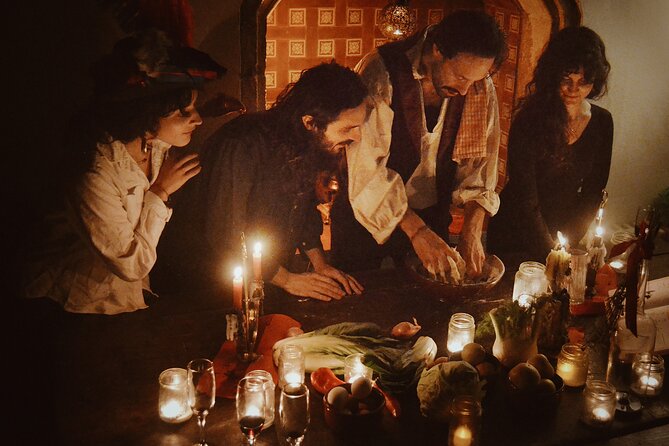
The heart of the experience is the cooking session in a historic-feeling setting. The vibe is clearly part of the education. Candles, tricorne, and “old recipes” aren’t just decoration; they’re used to set the mood so the food stories land better.
This is where the spices take center stage. The class is built around the idea that Venice wasn’t just a local cooking scene—it was a meeting point for ingredients coming from far away. You’ll hear about the spice route and how traders brought flavors that became woven into Venetian tastes over time. Ingredients mentioned include saffron, pepper, anise, cardamom, and others, each with its own story tied to trade and daily life.
Then you move from stories to action. You cook as part of a guided class, and you also do plenty of tasting. One review described the experience as stepping into something like an ancient spice shop, and that matches the structure here: learn, taste, then build.
Atmosphere matters in cooking classes. If you’re in a plain room with no sensory context, the food facts can feel random. Here, the setting helps you understand why anise smells the way it does in a Venetian dish, why saffron isn’t just color, and how warm spices can show up in unexpected places.
Because this session includes a full sequence—cocktail and spirits, dessert, dinner, lunch, wine tasting, and food tastings—you should plan to go hungry in the best possible way. This isn’t a quick snack-and-leave setup. It’s a slow-food-style day in miniature.
Marco Polo and Casanova on the menu: how “merchant Venice” becomes your meal
This tour doesn’t treat Venice history as a lecture you endure. It uses stories to connect ingredients to people and trade. The theme names—Marco Polo and Casanova—aren’t random marketing. They signal the blend of exploration and courtly life that helped shape Venetian food culture.
Marco Polo points you toward the idea of spices traveling and becoming part of everyday cooking. Casanova points you toward the social side: eating as theater, food as charm, and hospitality as a craft. In practice, what you experience is a menu where the spice logic is explained, then tested on your palate.
A great example from the meal content: one guest mentioned handmade pasta made with ancient flour, paired with a sauce of wild mushrooms, plus nutmeg and cinnamon. That kind of pairing is a perfect demonstration of how spices travel from far-off origins into local kitchens, then get reinterpreted with Venetian technique.
You’ll also have moments designed to make you pay attention to differences between spice profiles. One review mentioned tasting with grappa and espressos and comparing spices directly—basically training your tongue to notice the subtleties. That’s the real value: you leave with a mental map of flavors instead of just a full stomach.
Balanced note: if you prefer pure technique and zero storytelling, you might find the narrative approach a bit dominant. But for most people, it’s exactly what makes the class feel memorable rather than routine.
What you’ll actually eat and drink (and how to pace yourself)
The itinerary is packed with food moments during the main Venice portion (about 2.25 hours). You can expect a sequence that includes a cocktail, spirits, dessert, dinner, lunch, wine tasting, plus the cooking class and additional food tasting. That’s a lot of steps, and it’s the reason this tour feels like a “day’s worth” of eating in a short window.
Here’s how I’d mentally sort it so you don’t get overwhelmed:
- First, you sip and snack (cocktail and spirits) to get your palate awake.
- Then you shift to sweets and tasting (dessert and food tastings) so you can learn what the spices do across flavors, not just savory dishes.
- Finally, you cook and eat a proper meal with wine tasting alongside.
One guest specifically praised a multicourse vegetarian meal, which is a strong sign that the menu can work for people who eat plant-based. Another guest mentioned the atmosphere changing from strangers to a shared meal experience, and that matches the fact that this is a private group format.
Because you’ll likely be eating multiple courses, pace matters even in a “fun” setting. If you tend to eat fast, slow down. Take a bite, smell the spices, then move on. The class is teaching you to notice, and rushing can turn learning into just eating.

Tips for allergies, spice preferences, and comfort on a 3-hour schedule
Before you go, you can ask for what you prefer to taste and share allergies. That’s not a throwaway line. In one account, the host adapted kindly for a food allergy, which suggests they take needs seriously rather than forcing you into a one-size menu.
So do this:
- Tell the host your allergy and what you’re okay with.
- Mention any spice preferences (milder, more aromatic, less pepper-forward).
- If you have dietary patterns like vegetarian, ask early so the class can match your meal structure.
Comfort-wise, remember the tour includes market walking plus an on-foot transfer and then a full meal program. It’s only three hours total, but it’s not a sit-down-only experience. Wear comfortable shoes and plan on using normal walking stamina.
Also, this activity isn’t suited for certain health situations (including epilepsy, diabetes, and high blood pressure per the provided information), and it’s not suitable for wheelchair users. And it’s not designed for babies under 1 or children under 2. If you’re near one of these thresholds, you’ll want to check with your own doctor or the organizer before booking.
Who should book this Venetian spice cooking class (and who should skip)
This is best for you if:
- You want a Venice experience that mixes food and story, not just food or just sightseeing.
- You enjoy hands-on cooking and want to understand spices instead of treating them like mystery dust.
- You like small-group energy (it’s a private group) and prefer asking questions in English without awkward pacing.
It may not be the right fit if:
- You need wheelchair accessibility (not suitable).
- You’re traveling with very young children (not suitable under the specified ages).
- You have one of the listed medical limitations, such as epilepsy or diabetes, or you have high blood pressure.
If you’re a spice fan, this is the kind of class where you might leave thinking about saffron and pepper long after you’re back in your hotel room. It’s also a strong choice for a special occasion—one account described it as a birthday highlight, largely because the host made it feel personal and celebratory.
Should you book Ancient Venice and its spices?
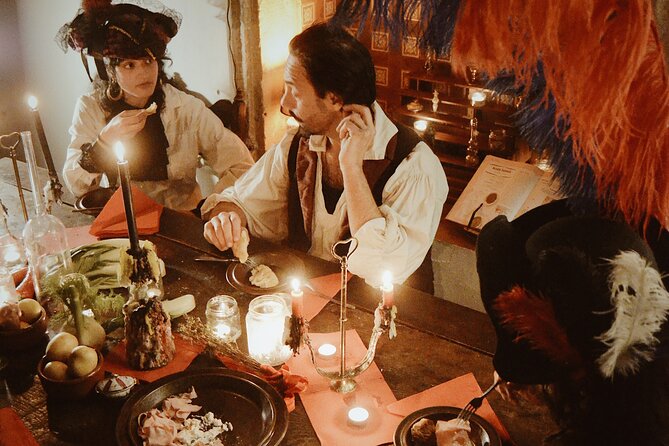
Yes, if you want a high-value evening meal experience that teaches you something real about Venetian cooking and spice trade. The combination of a Rialto market intro plus a guided, hands-on cooking session in an old-house setting makes it more than a standard cooking class.
Book it if your idea of fun includes tasting, asking questions, and learning why ingredients matter in Venice. Skip it if you need strict accessibility support or if you fall into one of the health categories listed as not suitable for this activity.
If you do book, send your preferences and allergies ahead of time. That’s how you get the class tailored to your palate, not just a generic menu.