REVIEW · ROME
Rome: Ancient Baths of Caracalla Ticket & Audio Guide
Book on GetYourGuide →Operated by Vox City International · Bookable on GetYourGuide
Ancient baths still run on imagination. At the Baths of Caracalla, you wander through one of Rome’s biggest imperial bath complexes while an audio guide highlights 17 points, including the swimming pool and the hypocaust system that heated the rooms.
I like the self-paced format because the site feels wide, and you can slow down when something catches your eye. I also like that the narration doesn’t stop at dates; it explains how Roman heating worked, plus what daily leisure looked like in an imperial bath.
One possible drawback: the audio relies on your own phone and headphones, and if you don’t download everything via the QR code before you arrive, it can become hard to follow—especially since some areas can be closed during renovation or seasonal work.
In This Review
- Key highlights to know before you go
- Baths of Caracalla: why this self-guided stop feels worth 2 hours
- Finding the main entrance and getting your e-ticket ready
- How the audio guide works (and how to avoid the common hiccups)
- Hypocaust heating: the Roman tech moment you’ll remember
- Following the ruins: pool area, gymnasium, and massage rooms
- Mosaics, marble, and why this stop isn’t just “ruins”
- Price and value: when this is worth it (and when it’s not)
- Who this suits best (and who should adjust expectations)
- Quick practical checklist before you go
- Should you book this Baths of Caracalla audio-ticket experience?
- FAQ
- What is the duration of the Baths of Caracalla ticket and audio guide?
- Where do I enter the Baths of Caracalla?
- How do I access the audio guide?
- Which languages are available for the audio guide?
- Does the ticket include anything besides entrance to the baths?
- Do I need my own headset?
- Is the site wheelchair accessible?
Key highlights to know before you go
- 17 points of interest covered so you’re not just wandering in the ruins
- Hypocaust heating explained in plain language so the site makes sense fast
- Mosaics and marble artwork photo moments that are easier to spot with audio cues
- Swimming pool and leisure zones like gymnasium and massage rooms, not just “leftover walls”
- Multilingual audio in five languages for flexible travel days
Baths of Caracalla: why this self-guided stop feels worth 2 hours
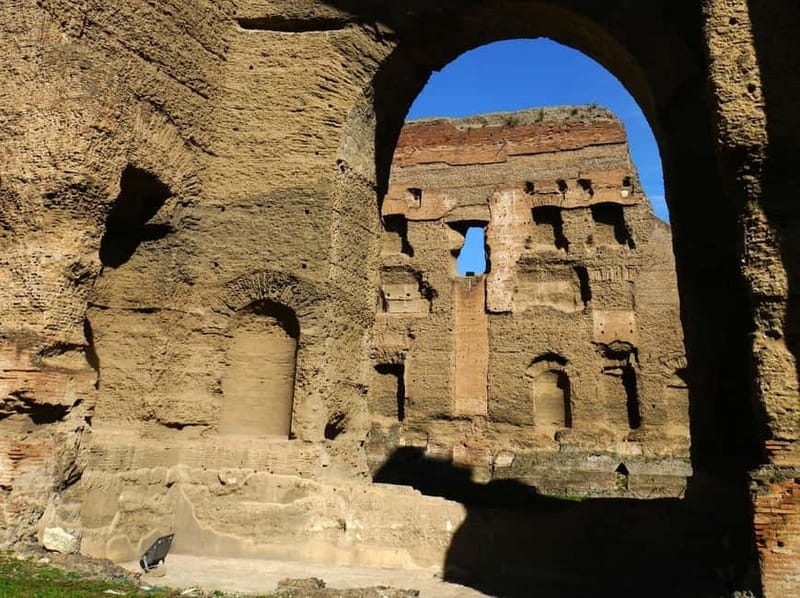
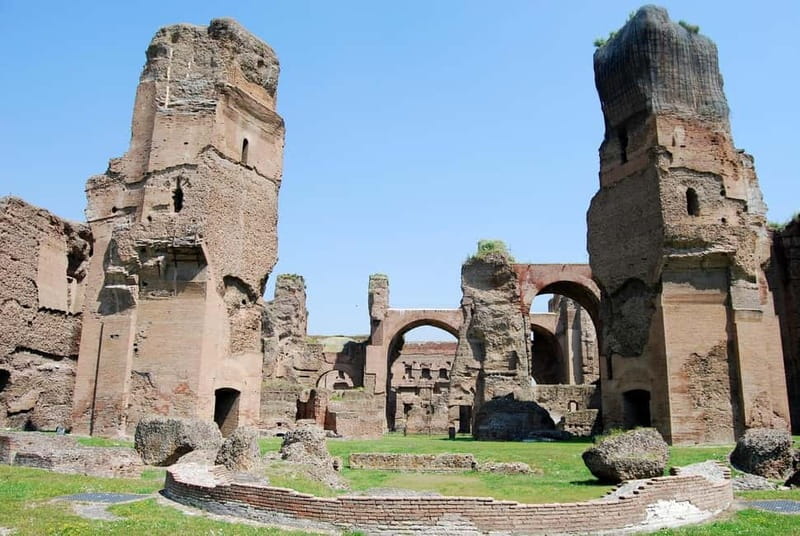
The Baths of Caracalla weren’t a small local spa. They were an imperial-scale leisure machine built for public use, reaching their peak under Septimius Severus and Caracalla. Even today, with parts in ruin form, the scale still hits you. You can almost see why Romans treated baths as everyday life—somewhere to exercise, relax, meet friends, and soak in comfort.
The value of this experience is that it helps you “read” the ruins. Without context, you can end up walking through scattered stone and thinking, fine…where’s the story? With the audio guide doing the heavy lifting, you get a tour-like path at your own pace—you decide when to pause, backtrack, or move on.
And yes, you’ll also get the kind of Roman engineering detail that turns a pile of remnants into something real: how warm air and heat traveled under the floors through a hypocaust.
A few more Rome tours and experiences worth a look

Finding the main entrance and getting your e-ticket ready
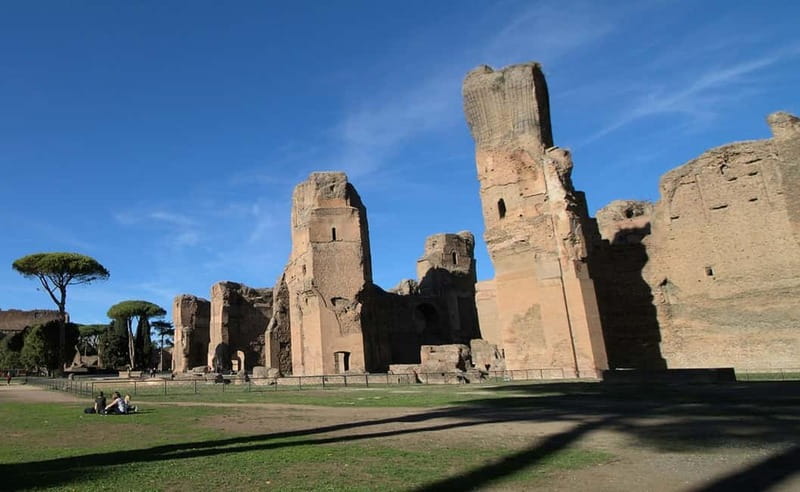
This starts simply: head straight to the main entrance at Viale delle Terme di Caracalla, 00153 Rome. There’s no fixed guided escort to wait for, which is great when you like independence—but it also means you control the first critical step: having your ticket and audio downloaded before you walk in.
You’ll receive an e-ticket available for download and sent via WhatsApp within 24 hours of your travel date. Before you arrive, scan the QR code on your voucher to download the audio guide, and bring your own headphones. In practice, this is one of those “do this at home” tasks that prevents site-day stress.
Tip that saves time: if your phone storage is tight, do the download on Wi‑Fi and check that you can open the audio app after it’s installed. If you rely on cell data or try to fix settings on-site, you’ll lose momentum.
How the audio guide works (and how to avoid the common hiccups)
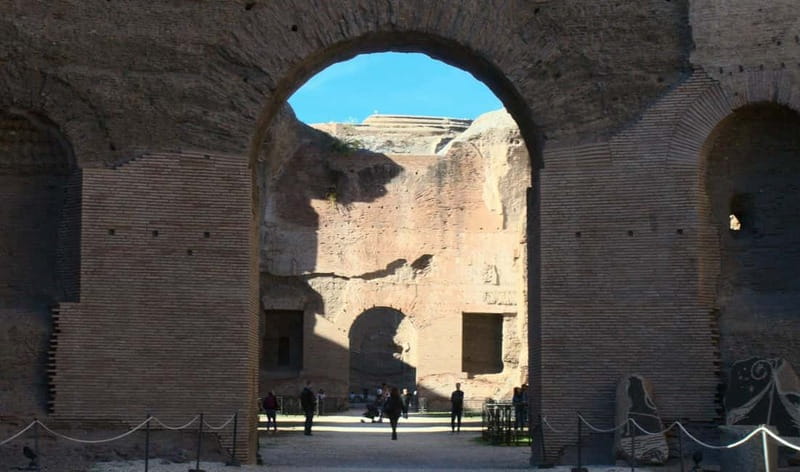
The audio guide is designed for walking at your pace. It covers 17 points of interest across the baths, so you’re not stuck with one long track and no cues. It also includes Rome-landmark commentary, so the whole package isn’t only about this one ruin.
Still, the system has one big requirement: your phone needs to act like a guidebook. That means you should bring:
- Comfortable shoes (the site involves uneven surfaces and lots of walking)
- Your headphones (not included)
- A charged smartphone (especially important if you’re using navigation or taking photos)
The experience’s strength is also its weak spot. If the audio doesn’t load, or if the path feels confusing, you can feel unmoored—like you’re trying to follow a story while looking for the right page. Some people also found the route a bit difficult to follow or the audio not fully matching what they saw in certain sections.
My advice: give yourself buffer time. Start earlier than you think you need, and treat the first 20–30 minutes as your setup window. Once you find your flow, the visit tends to click.
Hypocaust heating: the Roman tech moment you’ll remember
This is the star of the show for anyone who likes how things work. The baths were heated through a hypocaust, an ancient Roman technique that used warm air and heat channels to raise temperatures—especially under floors and around room spaces.
What I like about the audio explanation is that it turns the heat system from a vague concept into a mental model you can carry while you walk. You’re not just admiring remains; you’re connecting them to a purpose: warming the bathing areas and circulation spaces that made the bath experience possible at scale.
In plain terms, this is where the ruin becomes functional in your head. The moment the story clicks, you start noticing details that you would otherwise ignore.
Following the ruins: pool area, gymnasium, and massage rooms
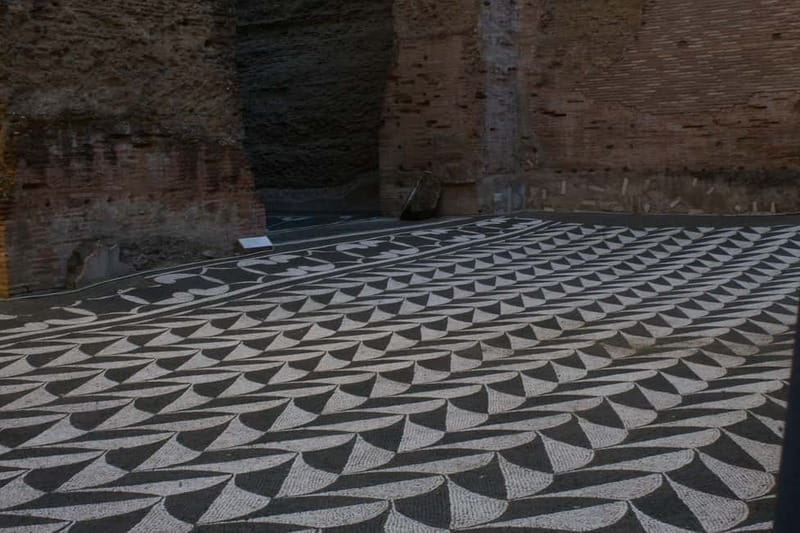
The audio guide doesn’t only point at “pretty bits.” It’s structured around key zones so you can piece together what happened there.
A few of the types of areas you’ll get cues for:
- The swimming pool area, which helps you orient the complex as more than a set of rooms
- Gymnasium spaces, where exercise fit into the same visit as bathing
- Massage rooms, a reminder that relaxation wasn’t just soaking; it was treatment and recovery
Even when you’re seeing broken walls and floor fragments, these labels matter. They help you picture movement: where someone might enter, where they might warm up, where they might cool down, and how long a typical visit could last.
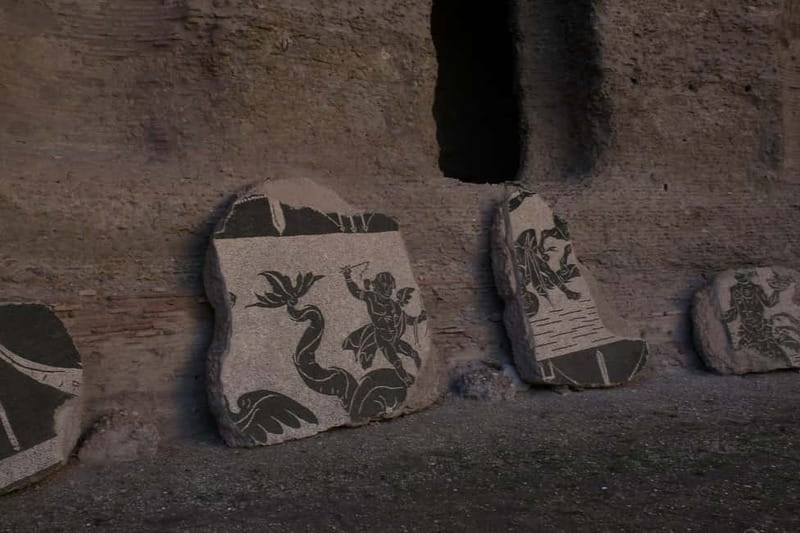
One more practical detail: the baths include photo-friendly elements, including preserved mosaics and artwork. If you enjoy snapping pictures, it’s easier with audio cues because you learn what to look for—marble patterns, decorative remnants, and visually intact surfaces worth stopping for.
You can also read our reviews of more guided tours in Rome


Mosaics, marble, and why this stop isn’t just “ruins”
Caracalla is famous for scale, but the human eye usually lands on decoration first: preserved mosaics and marble work. That’s where the visit becomes more than architecture. Color and pattern help you imagine the baths at their best—when marble and design weren’t just decoration, but part of the comfort.
A common theme from feedback: people enjoy the mosaics most when they can slow down. The self-guided pace is built for that. Instead of rushing through a checklist, you can linger at the details and take photos without feeling like you’re holding up anyone else.
One thing to keep in mind: depending on the season, some portions may be closed for renovation or restoration. If you visit in winter and walk with less daylight, plan for detours and accept that you may not see every surface at its fullest.
Price and value: when this is worth it (and when it’s not)
Price is around $20 per person, and the experience includes:
- Entry to the Baths of Caracalla
- The audio guide for Caracalla
- An additional audio guide for Rome landmarks
- Multilingual commentary
That sounds straightforward, but here’s how to think about value. The baths have an entry fee on their own. The added cost here is for the audio layer—so you should ask yourself one question before booking: do you want guided context while you walk?
If you enjoy figuring things out with written labels, you might be okay without an audio guide. But if you’d rather have the explanation done for you—especially the hypocaust heating and what each zone was used for—then the audio component is the reason this becomes more than a walk through stone.
Also note: some people felt it was pricey compared with entry plus an audio app they could purchase elsewhere. My take: treat it as paying for convenience and one integrated experience, not as a bargain ticket. If you want to make the audio work smoothly on your phone, this bundled approach can still be worth it.
Who this suits best (and who should adjust expectations)
This experience works especially well if you:
- Like independent pacing rather than a strict group schedule
- Want help understanding ruins without committing to a full guided tour
- Enjoy photography and want to know where the mosaics and artwork are worth the stop
- Are curious about Roman engineering and want an explanation that connects the dots
It may be less satisfying if you:
- Expect a traditional tour guide correcting your route in real time
- Want a hands-on, step-by-step itinerary with zero technical setup
- Are sensitive to audio issues (since your phone and headphones are part of the equation)
It’s also a good idea to know the dress expectations. The site requires proper attire: no flip-flops or sandals, no shorts, no sleeveless tops. Bring clothing that matches that. Comfortable shoes matter more than style here.
Quick practical checklist before you go
Here’s the short list that prevents most day-of problems:
- Download the audio guide by scanning the QR code on your voucher before arrival
- Bring your own headphones
- Charge your phone fully
- Wear comfortable shoes
- Follow the dress code: no flip-flops, no shorts, no sleeveless shirts
If you do those, you’re set up for the experience to feel smooth and informative instead of confusing.
Should you book this Baths of Caracalla audio-ticket experience?
I’d book it if you want a smart way to turn ruins into something understandable in a couple hours. The biggest win is the audio guide structure—17 points, plus explanations that clarify Roman heating and daily leisure spaces. If you care about mosaics and want help spotting what’s meaningful, this kind of self-guided audio experience is a strong match.
I’d hesitate if you hate phone-based guides or you’re traveling with limited battery/headphones. This one depends on basic tech working. And if you’re visiting during a season when maintenance closures happen, you might see fewer areas than you hoped—but the parts that are open should still make sense with the audio cues.
If you like the idea of walking calmly, learning as you go, and taking photos without rushing, then this is the right kind of visit for Caracalla.
FAQ
What is the duration of the Baths of Caracalla ticket and audio guide?
The experience is listed as 2 hours.
Where do I enter the Baths of Caracalla?
You can go directly to the main entrance at Viale delle Terme di Caracalla, 00153 Rome.
How do I access the audio guide?
You scan the QR code on your voucher to download the audio guide before you arrive. You’ll use your own smartphone and bring your own headphones.
Which languages are available for the audio guide?
The audio guide commentary is available in English, Spanish, French, German, and Italian.
Does the ticket include anything besides entrance to the baths?
Yes. It includes the ticket plus an audio guide of the Baths of Caracalla and an audio guide for Rome landmarks.
Do I need my own headset?
Yes. A headset is not included, so you need headphones to listen to the audio.
Is the site wheelchair accessible?
The experience is listed as wheelchair accessible.