REVIEW · MANCHESTER
Angel Meadow Manchester History Tour with Author Dean Kirby
Book on Viator →Bookable on Viator
A grim corner of Manchester turns surprisingly human. This Angel Meadow Manchester History Tour with author Dean Kirby focuses on one of the city’s most hard-used neighborhoods, using the River Irk and surviving street lines to explain how Victorian poverty and industry shaped the city. You get two big wins right away: a small group where questions come easily, and photo-focused guidance on where the views and angles actually make sense.
The main thing to weigh is that redevelopment has changed what’s still here. If you’re hoping for lots of preserved Victorian buildings on every corner, you may feel the loss as you walk.
In This Review
- Key reasons this Angel Meadow tour works
- Entering Angel Meadow from Sadler’s Cat and St Michael’s Flags
- The heart of the story: poverty, industry, and the River Irk
- Stopping at St Michael’s Flags: a practical way to orient your eyes
- Walking through Angel Meadow Park like a city planner
- New apartments and former ragged schools: what changed, and why it matters
- Photo help that doesn’t waste your time
- Group size, questions, and why the guide matters here
- Timing, start time, and how to fit this into your day
- Price and value: what $27.62 gets you
- Who should book this (and who might skip it)
- Should you book the Angel Meadow tour with Dean Kirby?
Key reasons this Angel Meadow tour works
- Small-group format (max 15): more time to ask Dean Kirby questions without the tour turning into a lecture
- River Irk + Angel Meadow Park route: you move through the landscape that holds the story, not just a few plaques
- Author-led storytelling: Dean Kirby connects street-level details to the bigger industrial picture
- Photo help built into the walk: you’ll be shown strong spots for pictures along the way
- Often-overlooked area of Manchester: it’s a side of the city that many visitors skip
Entering Angel Meadow from Sadler’s Cat and St Michael’s Flags
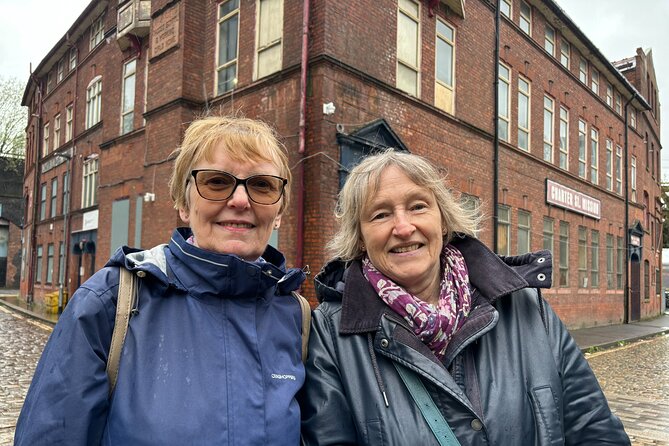
The tour starts at Sadler’s Cat on Hanover St (Manchester M60 0AB). That spot matters because you begin in a real, working part of the city center, then you gradually work your way toward Angel Meadow’s river edge and park spaces.
You’re looking at about 1 hour 30 minutes of walking time, with the pace built for a moderate fitness level. The route includes walking and there’s a note that it isn’t recommended if you can’t negotiate steps, so it helps to consider your mobility before you book.
The finish point is St Michael’s Flags & Angel Meadow Park on Old Mount St (Manchester M4 4TF), right by the entrance to Angel Meadow Park. The nice bonus: it’s a six-minute walk from Shudehill bus station, so you can hop back into transit without feeling stuck in the middle of nowhere. Dean also indicates he’ll walk back with any guests who want to return to the start.
The heart of the story: poverty, industry, and the River Irk
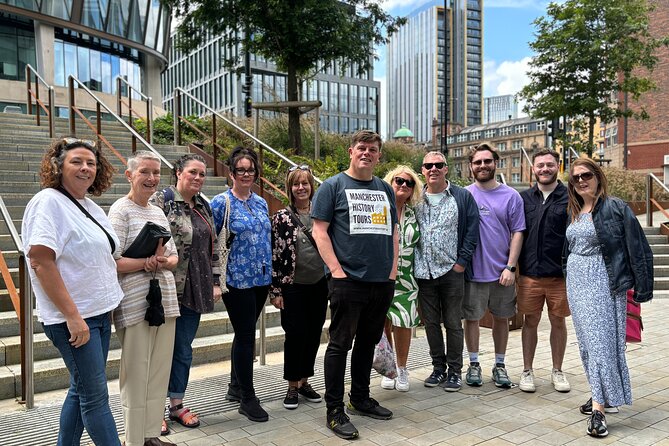
This is not a generic “old buildings” walk. Dean Kirby frames Angel Meadow as a place squeezed between industrial growth and extreme hardship. The neighborhood is described as a Victorian Manchester slum so grim it earned the nickname Hell upon Earth from Friedrich Engels.
What makes this approach valuable for you is how it stays grounded in physical geography. You walk alongside the River Irk, which helps the story feel less abstract. When you can see where the river runs and how the park and streets relate, the logic of everyday life becomes easier to picture: where people lived, how the district functioned, and why survival was such a daily problem.
Dean also ties the area to the rise of cotton mills. The backdrop here is stark: about 30,000 souls trapped by poverty while the Industrial Revolution expands around them. You’ll hear how families struggled in overcrowded lodging houses and even in deep cellars by the river. It’s the kind of local history that explains cause and effect, not just dates and names.
One more detail that adds weight is the talk of gangs of scuttlers and how street-level fear and predation could follow people right outside their doors. It’s heavy subject matter, but the tour keeps it specific to the neighborhood you’re walking through.
Stopping at St Michael’s Flags: a practical way to orient your eyes
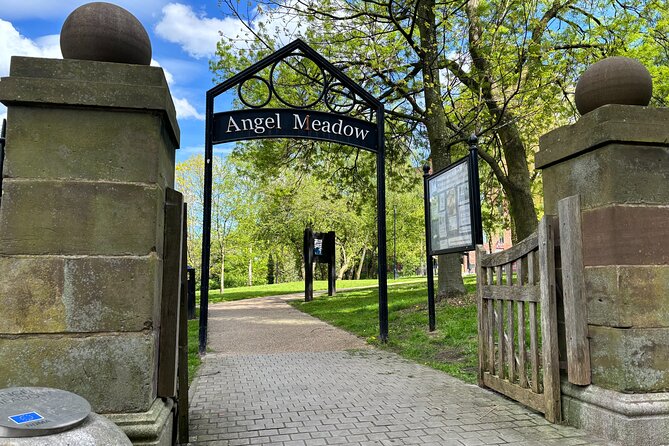
St Michael’s Flags & Angel Meadow Park is where the tour’s story lands. Even if you’re not a “read every sign” person, this kind of stop helps you get oriented fast. You’ll likely start noticing how the river edges, open park areas, and surrounding streets influence how people moved through the district.
Because redevelopment has changed parts of Angel Meadow, you may not see a lot of intact Victorian fabric everywhere you look. That can be frustrating for history fans who want preserved streetscapes on every block. But it can also make the guided interpretation more important: the points Dean brings up help you see past the modern surface to understand what used to be there and how the community lived.
If you’re the type who likes to connect today’s city layout with what it replaced, this stop format works well.
Walking through Angel Meadow Park like a city planner
One of the best parts of the experience is the section through tree-lined Angel Meadow Park. Park areas can sometimes feel like a pause button on history tours. Here, it works differently because it gives you breathing room while Dean explains how the district functioned between industry, housing, and the river.
For your photos, parks also bring better light and clearer sightlines than tight street corners. The tour’s promise includes photo guidance, and the park is exactly where that tends to pay off: you can capture wider angles, show relationships between paths and surroundings, and get images that don’t feel cluttered.
There’s also a social angle that shouldn’t be overlooked. With a maximum of 15 people, you’re more likely to talk with the group. This tour attracts history lovers who are happy to compare notes, ask questions, and swap context on Manchester’s industrial past.
New apartments and former ragged schools: what changed, and why it matters
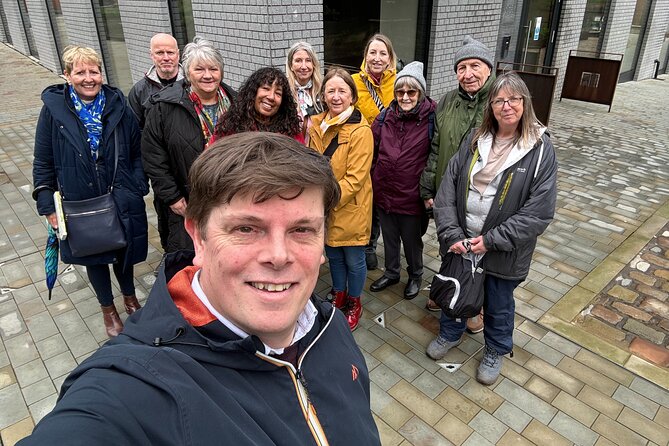
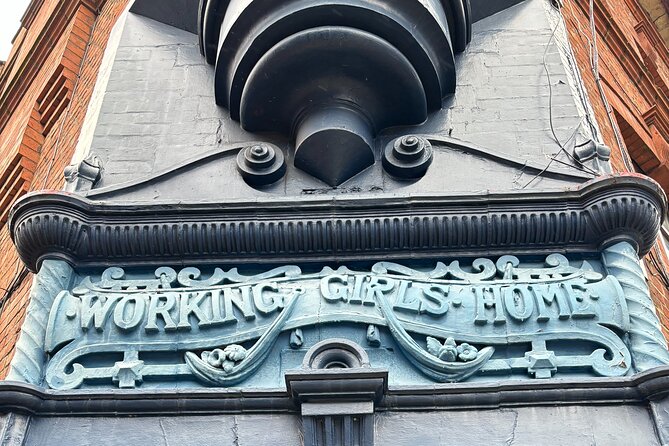
A key part of the walk is hearing the “then vs now” contrast, especially where new apartments sit near places tied to older institutions like former ragged schools. That phrase matters because ragged schools were part of an effort to educate children in the poorest conditions, which adds a different shade to the story besides just hardship.
This kind of contrast can feel bittersweet, and the reviews back up that reaction: redevelopment has removed much of what once existed. Still, the value here is learning how the district’s people helped shape one of the world’s great industrial cities. It’s easy to reduce slum history to tragedy alone; Dean Kirby’s framing connects suffering to the larger forces of urban growth—without turning it into a bland “progress” story.
If you’re visiting Manchester for the big-name sites, this tour can act like a missing chapter. It shows the working neighborhood behind the industrial headlines.
Photo help that doesn’t waste your time
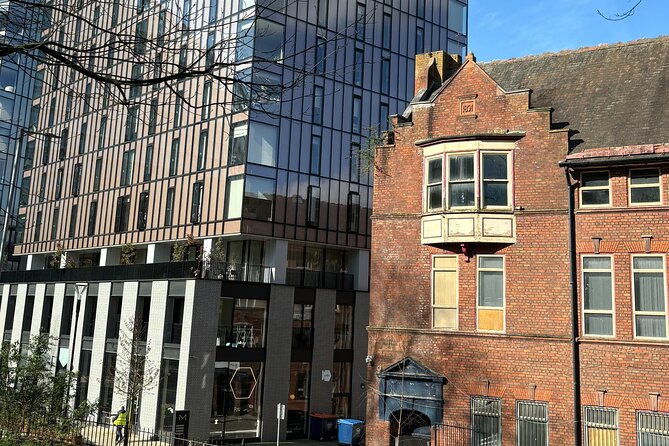
You’ll be shown the best spots for photos throughout the walk. I like tours that treat photos as part of the experience rather than an awkward interruption. Here, the photo guidance is built into the rhythm of the story and route, so you’re not just stopping to figure things out yourself.
Practical tip: wear shoes that handle uneven streets and park paths, especially in Manchester weather. The experience notes that it requires good weather, which also hints that slick ground could make walking less comfortable.
If you’re traveling with a phone camera or a real camera, you’ll likely get a mix of close, human-scale views and broader shots from the park areas.
Group size, questions, and why the guide matters here
The tour’s small-group size—maximum 15 travelers—is one of the biggest reasons I think the experience is worth your time. In a larger group, you often lose the chance to ask questions or steer the conversation toward what interests you. Here, Dean Kirby can answer follow-ups and you can ask about specifics as you walk.
The reviews also emphasize how relaxed the tour feels. That matters because Angel Meadow’s subject matter can be heavy, and a calm tone helps you absorb it without feeling rushed. Dean is presented as both historian and writer, including his book Angel Meadow: Victorian Britain’s Most Savage Slum. Even if you haven’t read it, the author angle gives the walk more texture than a standard guided route.
Timing, start time, and how to fit this into your day
The tour starts at 2:00 pm. With the approximate 1 hour 30 minutes duration, it fits nicely as:
- a solid afternoon activity after a slower late lunch,
- a change of pace between major attractions,
- or a focused activity if you only have a short window in Manchester.
You’ll meet at Sadler’s Cat (Hanover St). If you’re already in the city center, this should be easy to reach using public transport. The experience also notes it’s near public transportation, which helps when Manchester weather turns from cloudy to wet.
Price and value: what $27.62 gets you
At $27.62 per person, this tour is priced like an “affordable guided walk,” not a premium museum-ticket experience. And that’s exactly what it is: guided storytelling with a strong geographic route, led by an author.
The key value isn’t just the price. It’s the combination of:
- small-group size (you get more attention per person),
- a guide who can answer questions and connect details to the bigger industrial story,
- and a walk that uses the city’s actual shapes—river edge, park, and streets—to make history feel physical.
One more note: admission ticket is listed as free, which suggests you’re paying for the guide and tour content, not museum entry fees. That typically makes for better value if you’re trying to keep your trip costs under control while still getting something unique.
Who should book this (and who might skip it)
You’ll probably love this if you:
- like local history tied to real places you can see,
- want to understand Manchester beyond the headline attractions,
- enjoy small-group tours where questions are welcome,
- and you’re interested in how poverty and industry shaped daily life.
Skip or reconsider if:
- you want mostly intact, preserved Victorian buildings to photograph,
- you’re sensitive to heavy themes like severe poverty and violence,
- or you can’t manage steps / uneven walking.
And if you’re visiting Manchester in good weather, this tour is easier to enjoy. The experience is explicitly weather-dependent.
Should you book the Angel Meadow tour with Dean Kirby?
I think this is a smart booking for travelers who care about how cities actually work—and who want the story behind Manchester’s industrial rise told from the ground level. The small group size, Dean Kirby’s author-led perspective, and the route through the River Irk and Angel Meadow Park are the big reasons to go.
Book it if you want a guided walk that connects street shape to human experience, even if redevelopment means you won’t see everything in perfect Victorian condition. Choose something else if your priority is preserved architecture at every turn.